

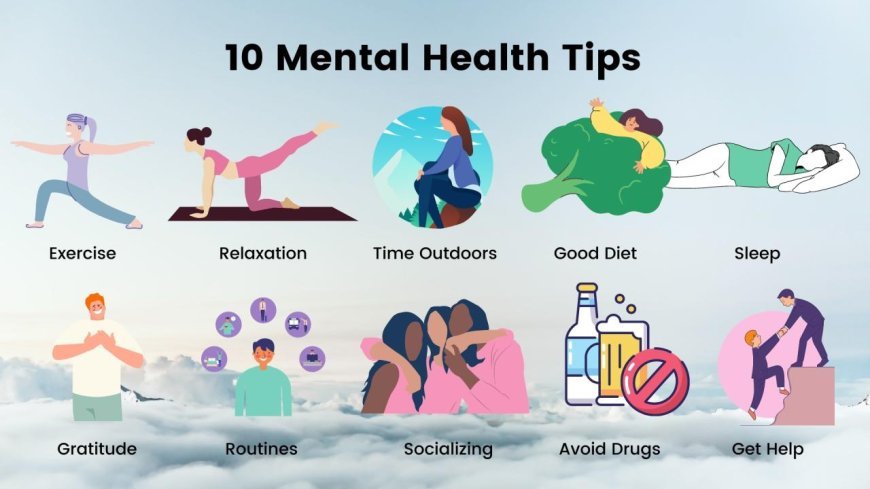
In the modern workplace, conversations about mental health are becoming increasingly vital. With rising stress levels, fast-paced deadlines, and constant digital connectivity, employees face new challenges that impact their overall well-being. Talking openly about mental health not only helps individuals but also strengthens organizations by creating healthier, more productive environments.
The Importance of Mental Health Conversations
Mental health is often overlooked compared to physical health, yet it plays an equally significant role in workplace performance. Stress, anxiety, and burnout can lower productivity, damage morale, and increase turnover rates. When employees feel comfortable discussing their struggles, they are more likely to seek help early, leading to better outcomes for both themselves and their companies.
Research by the World Health Organization (WHO) highlights that depression and anxiety cost the global economy billions of dollars in lost productivity each year. Addressing mental health through open dialogue is not just compassionate—it’s economically smart \[WHO, 2024].
The Advantages of Discussing Mental Health at Work
1. Reduces Stigma
Open conversations break down stereotypes and normalize the idea that mental health challenges are common and manageable.
2. Improves Productivity
Employees who receive support tend to perform better and show higher levels of creativity and problem-solving.
3. Strengthens Workplace Relationships
Exchanging experiences builds empathy, trust, and enhances collaboration within a team.
4. Encourages Early Intervention
Discussing mental health enables early detection of issues before they escalate, saving both personal distress and organizational costs.
5. Creates a Supportive Culture
A culture that values openness about well-being attracts talent, retains employees, and builds loyalty.
Key Differences in Workplace Approaches
Past: Mental health was seen as a private matter, often ignored in professional settings.
*Present: Employers recognize its importance and integrate wellness programs.
Past: Employees feared job loss for speaking up.
Present: Many workplaces provide legal protections and confidential support.
Past: Silence and stigma were the norm.
Present: Conversations and
awareness campaigns are encouraged.





















Responses (0)
Sign in to share your thoughts.
Sign in