Why Peanuts Are a Winter Superfood: 8 Amazing Health Benefits

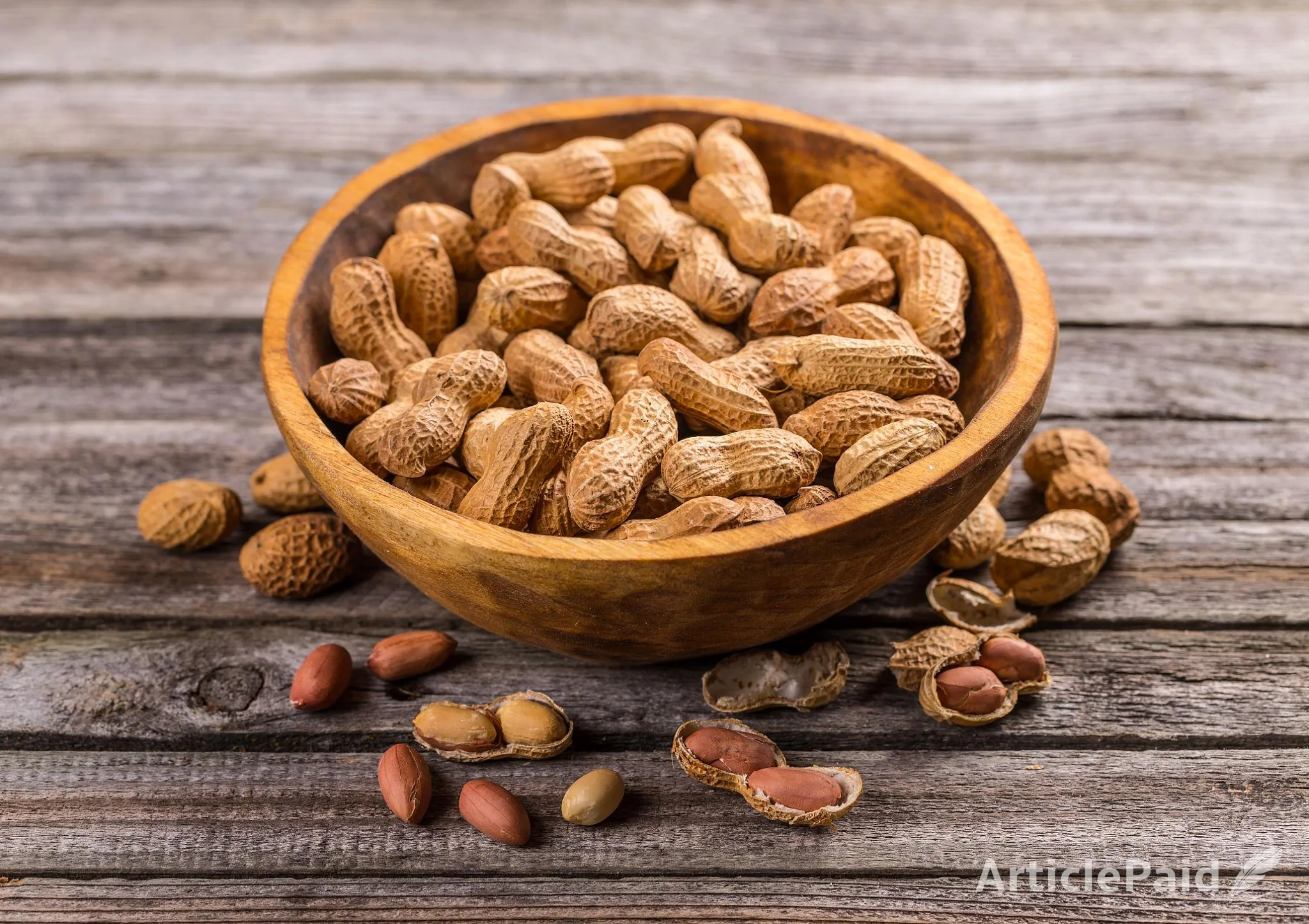
Benefits of Eating Peanuts in Winter – A Healthy & Nutritious Snack ?
Peanuts are one of the most popular winter snacks in Pakistan. They are delicious, affordable and packed with protein, healthy fats, vitamins and minerals.
Eating peanuts in moderation during winter can support energy levels, heart health, muscle function and overall nutrition.
1. Top 8 Health Benefits of Peanuts in Winter
1. Provide Energy
Peanuts contain healthy fats, protein and calories that help provide sustained energy throughout the day.
2. Support Heart Health
Peanuts contain mostly unsaturated fats, which can support healthy cholesterol levels when they replace saturated fats in the diet.
3. Support Muscle Health
Their plant-based protein helps maintain and repair body tissues.
4. Rich in Antioxidants
Peanuts contain vitamin E and other antioxidant compounds that help protect cells from oxidative stress.
5. Support Brain Function
Peanuts provide niacin, vitamin E and other nutrients involved in normal nervous system function.
6. Help You Feel Full
Protein, fat and fibre make peanuts a satisfying snack that may help control hunger.
7. Provide Important Minerals
Peanuts contain magnesium, phosphorus, potassium and copper, which support normal body functions.
8. A Convenient Winter Snack
Roasted peanuts are inexpensive, easy to store and can be enjoyed as part of a balanced winter diet.
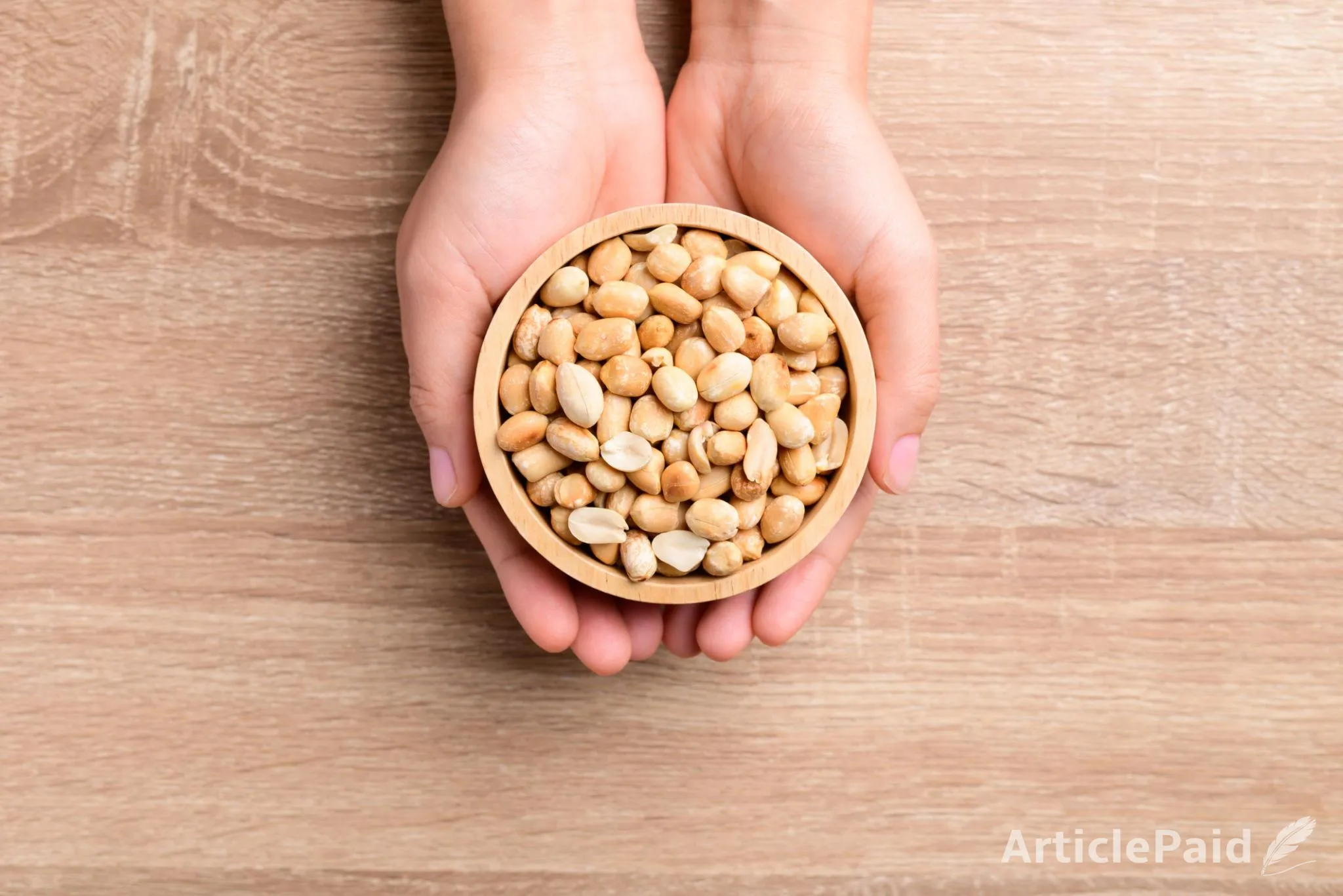
2. Nutritional Value of Peanuts
Approximate nutrition per 28 grams (one small handful):
Nutrient Amount
Calories 166 kcal
Protein 7 g
Healthy fats 14 g
Carbohydrates 6 g
Fibre 2.4 g
Vitamin E 1.4 mg
Magnesium 50 mg
3. Are Peanuts Good for Diabetic Patients?
Yes! Plain peanuts can be a suitable snack for many people with diabetes.
They contain relatively few carbohydrates.
Protein and fats help slow digestion.
Their fibre supports a balanced diet.
They can replace sugary snacks.
However, peanuts do not cure diabetes or directly lower blood sugar. Portion control is important.
How Many Peanuts Should You Eat Daily?
A practical serving for most adults is approximately 25–30 grams (one small handful).
Best ways to enjoy peanuts:
Dry-roasted peanuts.
Unsalted peanuts.
Boiled peanuts.
Peanuts with their thin red skin.
Avoid excessive salted, sugar-coated or oil-fried varieties.
5. Important Precautions
People with peanut allergies should completely avoid peanuts.
Excessive consumption can add too many calories.
Avoid peanuts that look mouldy, damaged or smell unusual. Poorly stored peanuts can contain aflatoxins, which are harmful toxins.
People with kidney disease may need individual dietary advice.
6. Healthy Ways to Enjoy Peanuts in Winter
Roasted peanuts with green tea.
Boiled peanuts with a little black pepper.
Homemade peanut and date energy bites without added sugar.
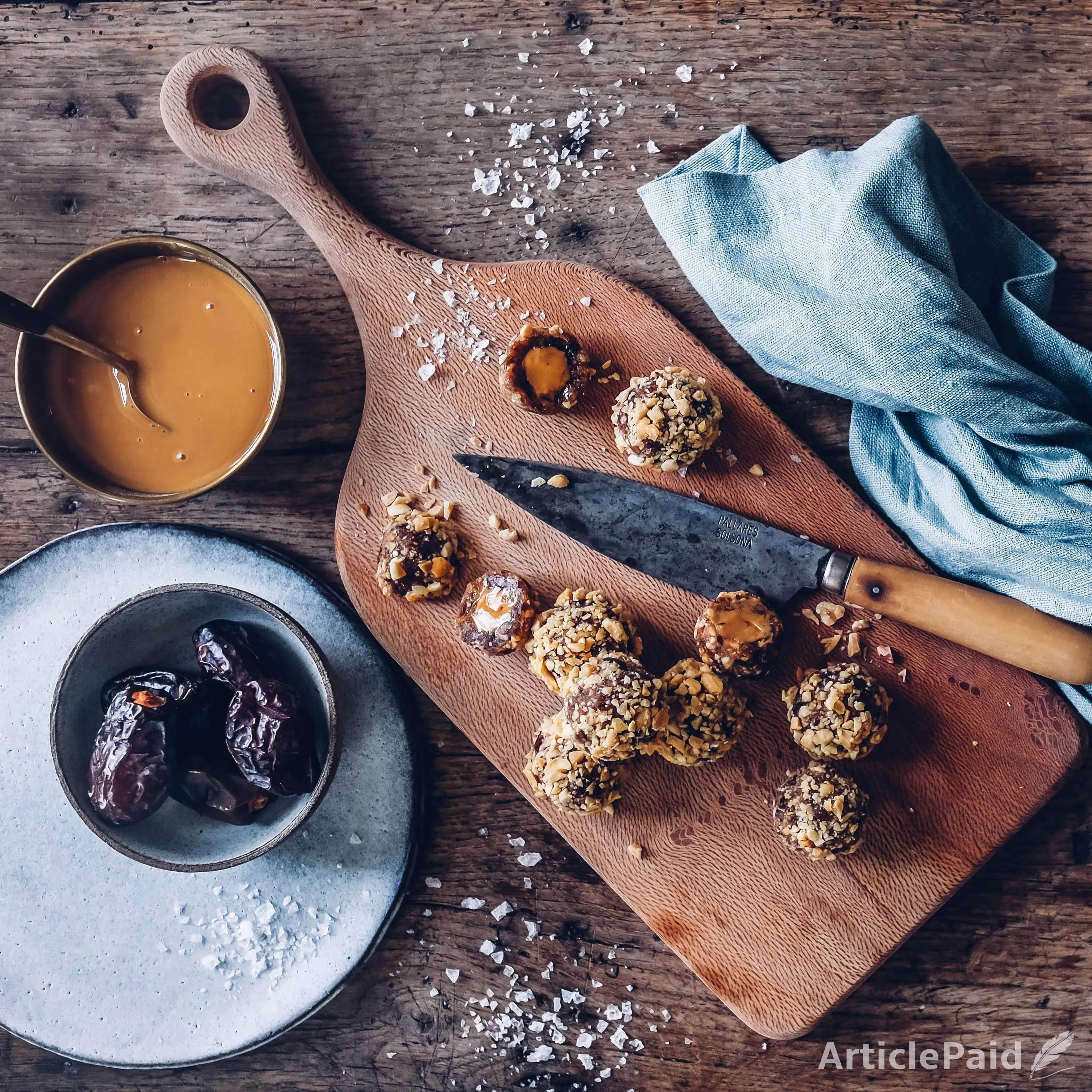
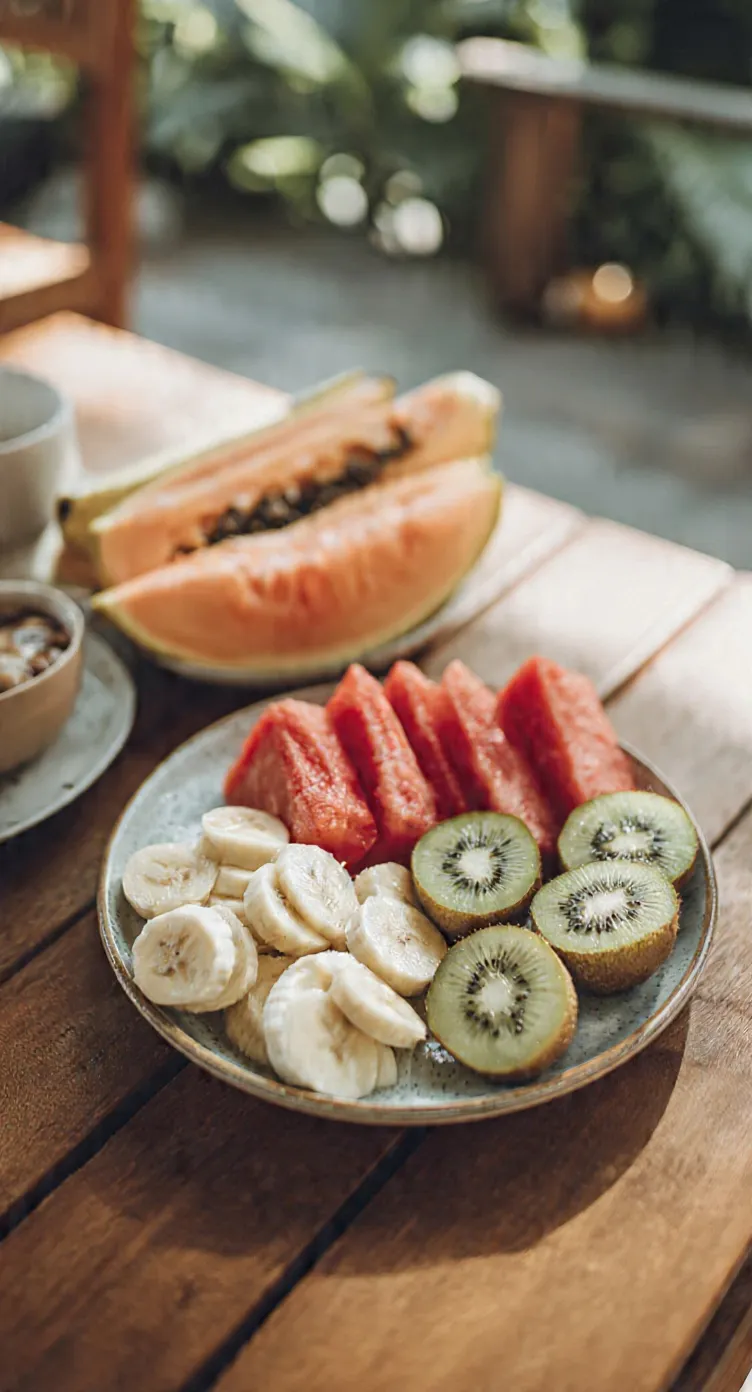
A small portion of peanuts with seasonal fruit.









Responses (0)