Gut-Brain Connection: How Your Stomach Shapes Your Mood

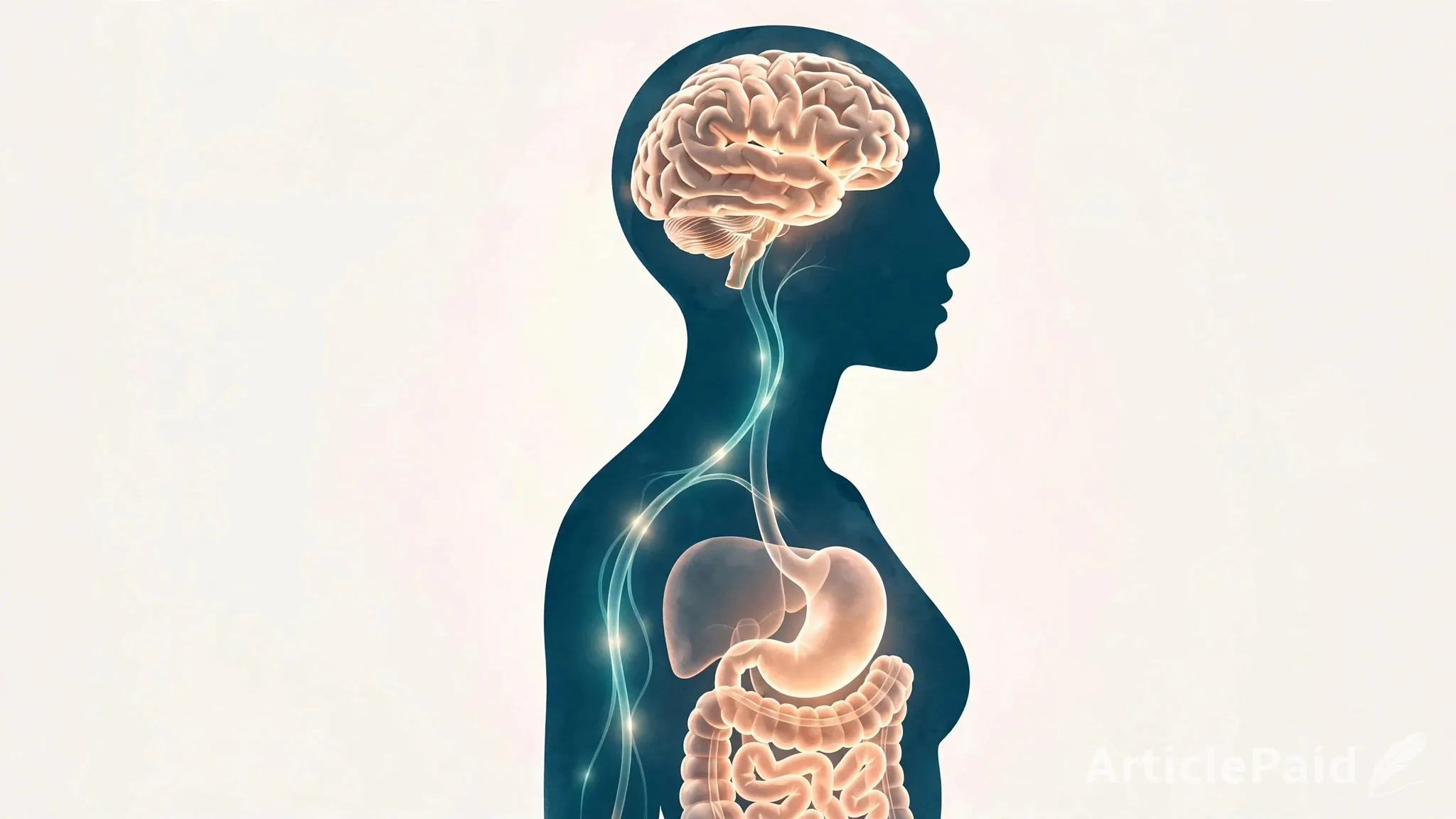
You know that fluttery, sinking feeling in your stomach before a big exam, or a difficult conversation? Most of us just shrug it off as nerves. But there's real biology behind it. Your gut and your brain are talking to each other all day long, and what's going on in one tends to show up in the other.
What Is the Gut-Brain Connection?
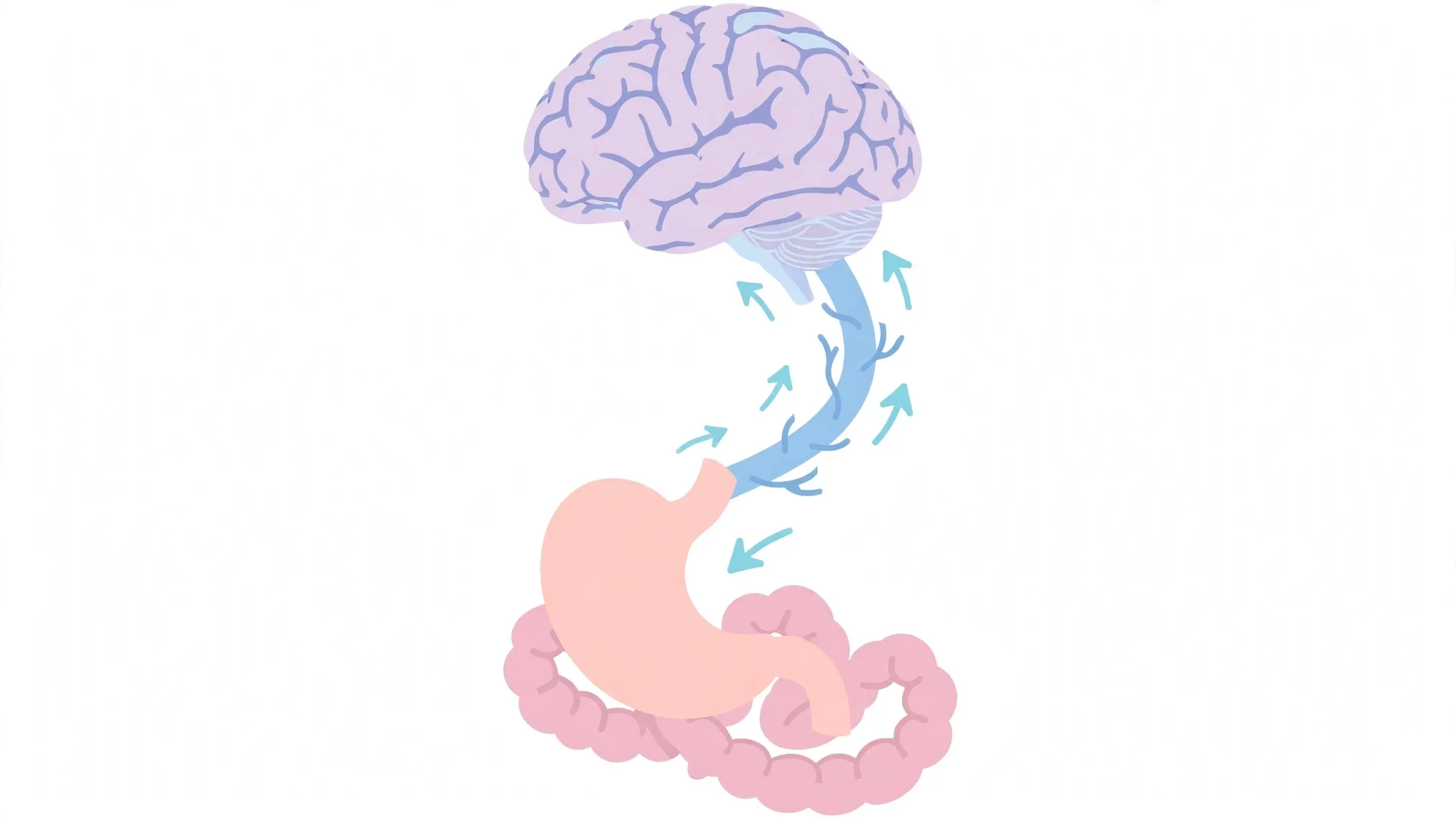
Researchers call it the gut-brain axis. Think of it as a two-way phone line between your digestive system and your brain. Signals travel along nerves, through hormones and via the immune system. Even chemicals made by tiny microbes in your intestines join the conversation.
The vagus nerve does a lot of the heavy lifting here. It's a big nerve that travels between your brain and your digestive tract and carries messages back and forth. Your gut also has a network of nerve cells, thus the people call it the “second brain”. It handles digestion mostly on its own, but it keeps your main brain in the loop.
Meet Your Gut Microbiome
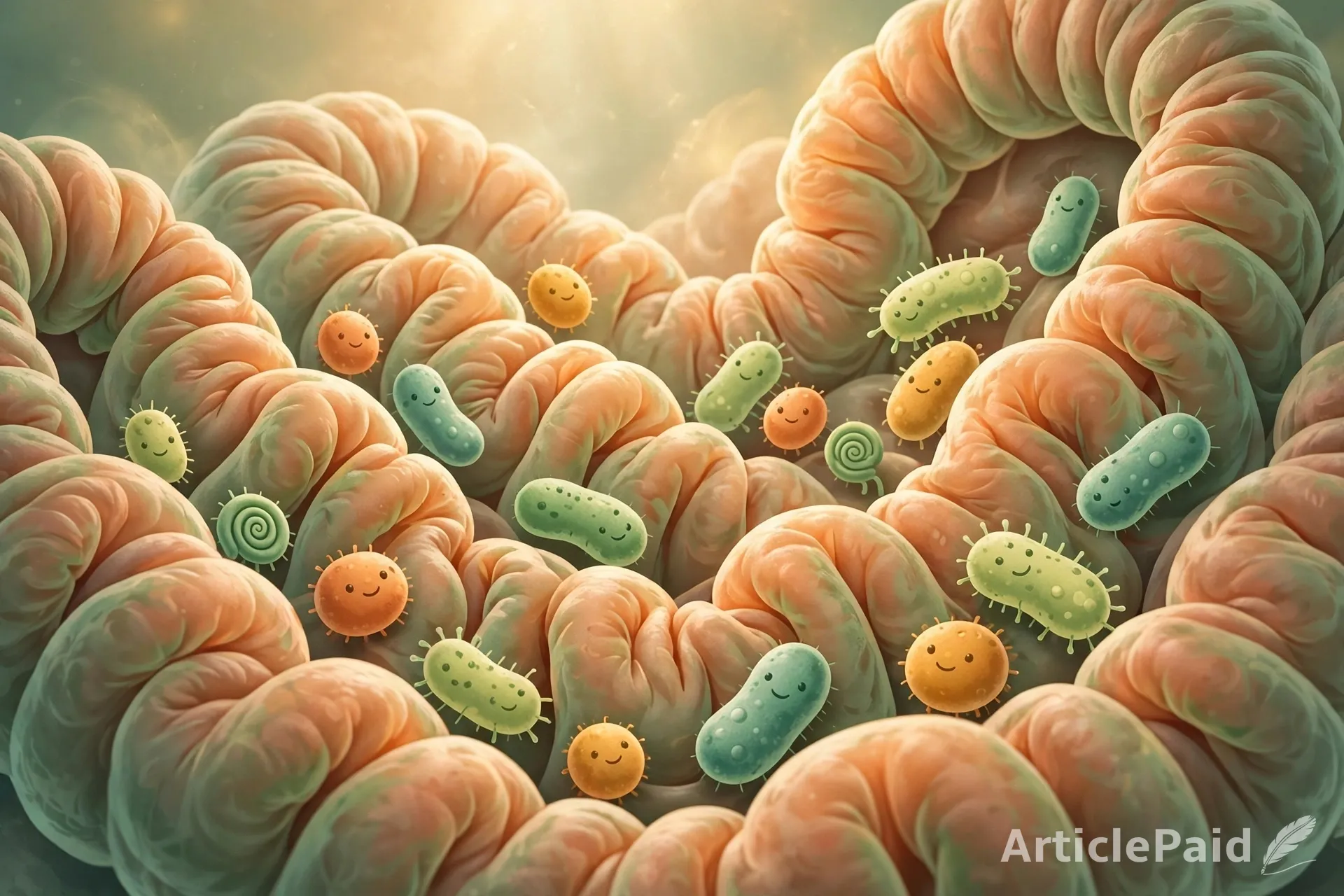
Living inside your intestines are trillions of bacteria and other microscopic organisms. Together, they're known as the gut microbiome. Most people hear "bacteria" and think of germs, but many of these are on your side. They help break down fiber, train your immune system, and make compounds like short-chain fatty acids that help keep inflammation under control.
Here's the part that gets scientists excited: some gut bacteria can make or influence neurotransmitters. These are the chemical messengers your brain uses to manage mood, sleep and stress. So it's not a stretch to wonder how a gut full of the right microbes might affect how you feel.
Can Gut Health Affect Anxiety and Depression?
Recent research points to a link. Several studies found that people dealing with anxiety or depression often have a different mix of gut bacteria compared to people without these conditions. When that balance gets thrown off, something called dysbiosis, it may raise inflammation in the body and change how the brain responds to stress.
And it seems to work in both directions. A troubled gut may feed into a low mood, while long stretches of stress can upset the gut right back.
Now, let's keep our feet on the ground. A lot of this research is still early, and plenty of it comes from animal studies or small groups of people. Gut health is one piece of a bigger puzzle. It's not a cure, and it's certainly not a replacement for proper care from a doctor or mental health professional.
Everyday Signs Your Gut May Need Attention
Your gut usually drops hints before things get serious. Watch for:
- Bloating, gas or irregular bowel habits that keep coming back
- Feeling tired for no clear reason
- Strong cravings for sugary or heavily processed food
- Poor sleep, or a low mood that just won't lift
- A stomach that acts up whenever you're anxious
Having one of these doesn't mean something is wrong. But if they stick around, it's worth mentioning to your doctor.
Simple Ways to Support Your Gut and Mood
You don't need an expensive plan. Small, boring habits tend to win.
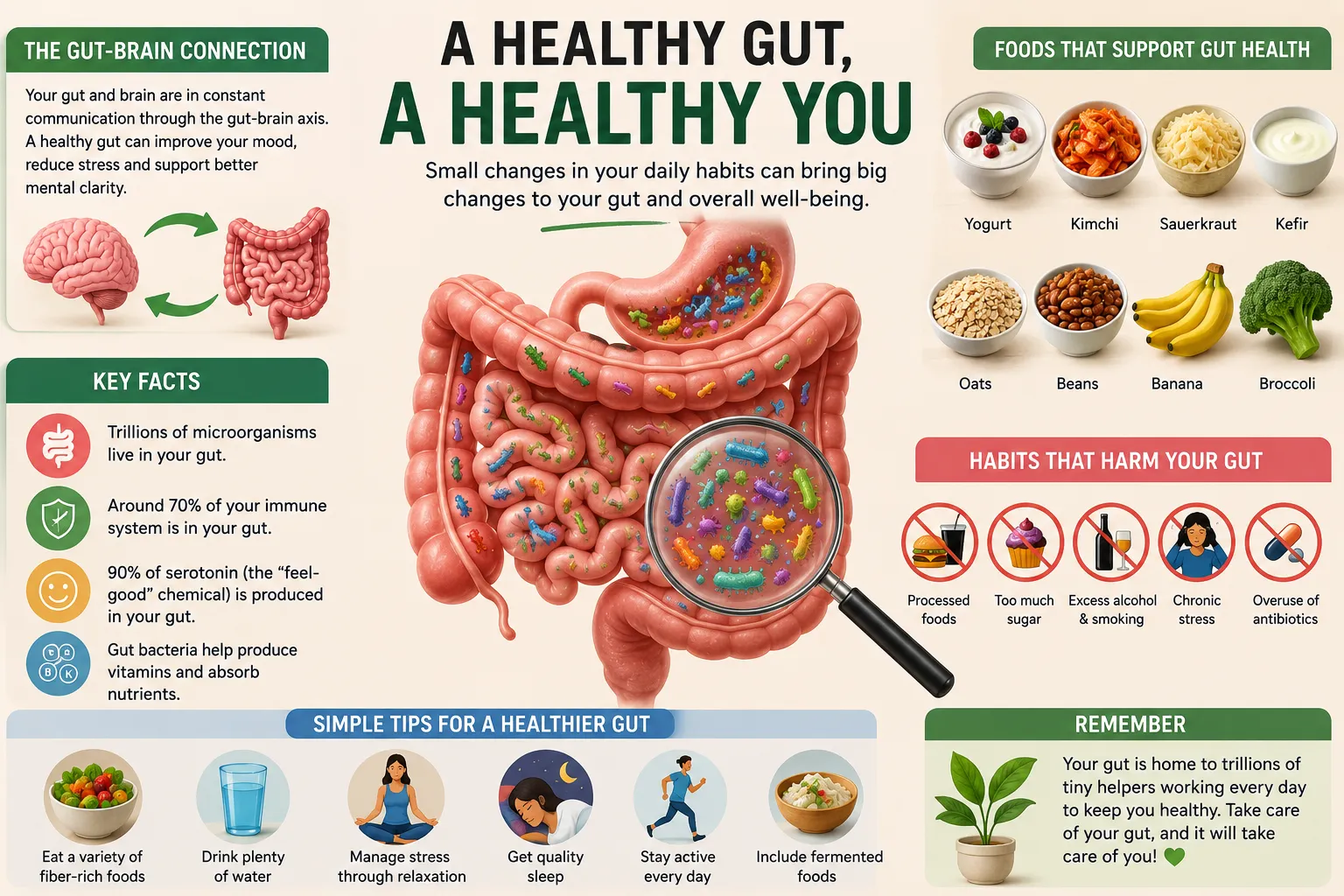
Eat more fiber. Vegetables, fruit, lentils, beans and whole grains are basically food for your good bacteria.
Try fermented foods. Yogurt, kefir and fermented vegetables bring in live cultures. If your stomach is sensitive, start with a small portion.
Lean toward a Mediterranean-style plate. Lots of plants, olive oil, nuts and fish. This pattern has been linked with a more varied microbiome and less inflammation.
Cut back on ultra-processed snacks. Too much sugar and packaged food may push out the helpful microbes.
Take stress seriously. A short walk, slow breathing or just switching off your phone for a while can calm both your mind and your gut.
Protect your sleep. A messy sleep schedule is tied to both gut and mood trouble.
Be careful with probiotic supplements. The research looks promising, but results vary a lot between strains and between people. If you have a medical condition, talk to your doctor first.
Frequently Asked Questions
Is the gut really called the second brain?
Yes, people do call it that. Your gut has its own huge web of nerve cells that runs digestion on autopilot. It just doesn't think or decide things the way your actual brain does.
Can bad gut health cause anxiety?
There's a clear link, but that's not the same as saying one causes the other. Anxiety usually comes from many things at once, and the gut is only one of them.
How long does it take to improve gut health?
You might see little differences here and there in a couple of days . Like you feel less bloated because you added more fiber .Lasting change takes weeks of consistent habits, not a quick fix.
Do probiotics improve mood?
Some early studies look hopeful, but it's too soon to call probiotics a treatment for mood problems. Results also change a lot from one person and one strain to another.
When should I see a doctor?
Don't wait if you notice blood in your stool, unexplained weight loss, ongoing diarrhea or severe stomach pain.
Final Thoughts
Mind and body aren't two separate worlds, and your gut is the proof. Looking after it doesn't take anything extreme. Regular meals full of plants, decent sleep and a calmer routine are a solid start. Do the small stuff daily, and it adds up.
Want more health guides like this? Follow the blog for new articles every week.
References: I pulled the information in this article from four reviews published in 2025. Rathore and colleagues looked at how the gut microbiome and mental health affect each other (Cureus, 17(3):e80810, DOI 10.7759/cureus.80810). Another Cureus review covers gut-brain links in mood disorders (17(3):e81447, DOI 10.7759/cureus.81447). Bautista and colleagues explored the gut-brain-circadian axis in anxiety and depression (Frontiers in Psychiatry, 16:1697200, DOI 10.3389/fpsyt.2025.1697200). And Patil and Mehdi wrote about how diet shapes emotional and cognitive wel
l-being through the gut-brain axis (Cureus, 17(7):e88420, DOI 10.7759/cureus.88420).











Responses (0)