
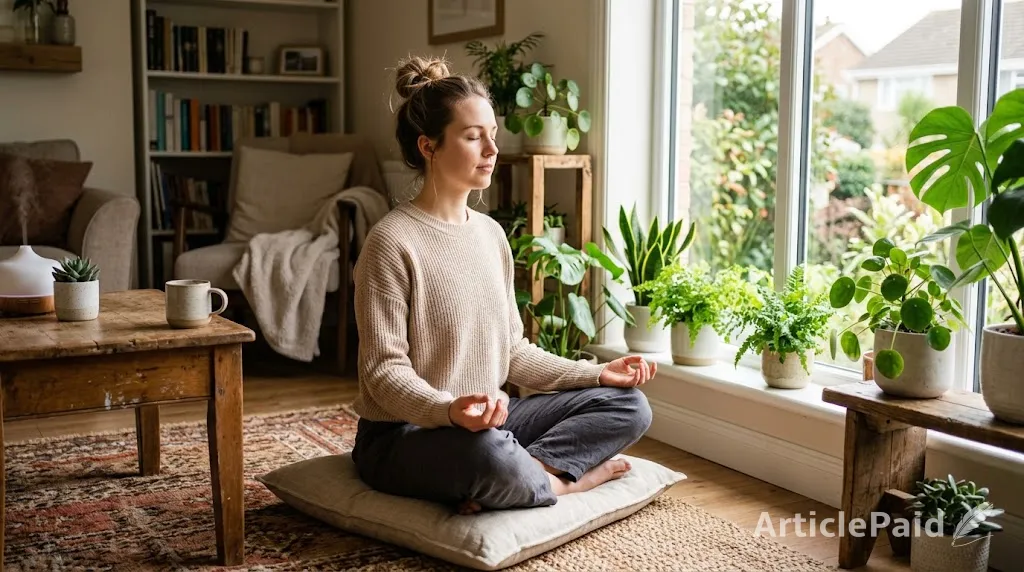
Stress can affect your mood, energy, focus, and daily routine. Therefore, finding simple ways to manage stress can improve your overall well-being. You do not need major lifestyle changes to feel better. Instead, small daily habits can support a calmer and healthier mind.
In this article, you will discover five simple ways to reduce stress and improve mental well-being naturally.
1. Practice Deep Breathing
Deep breathing is one of the easiest ways to relax your body. When stress increases, your breathing may become faster and shallower. Consequently, your body can feel more tense.
Try a Simple Breathing Exercise
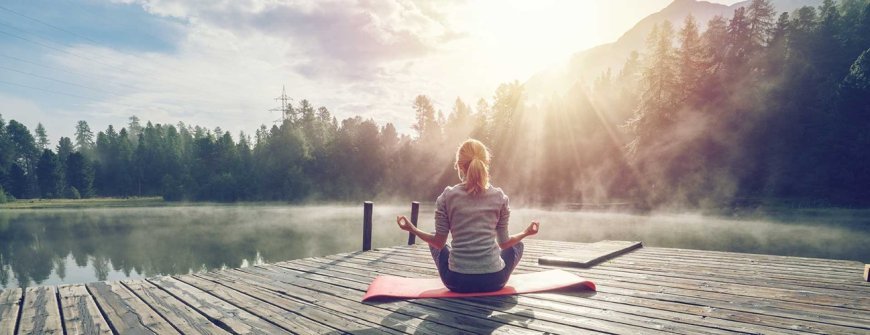
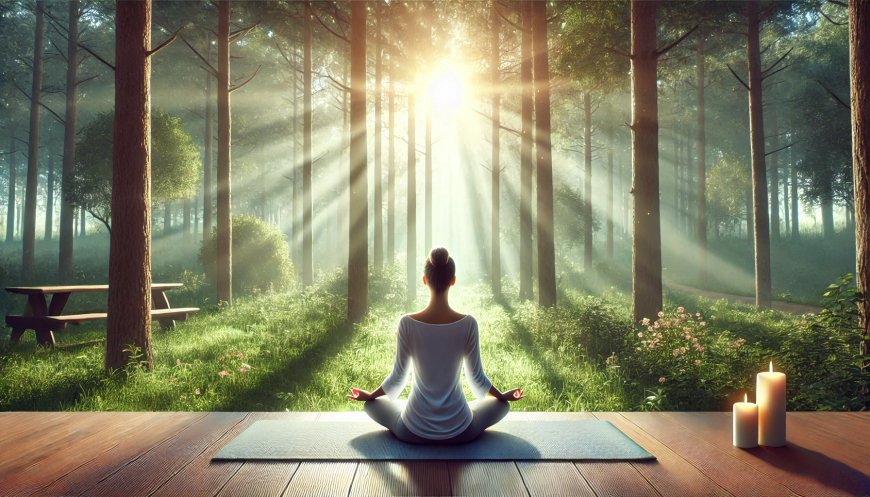
Sit comfortably and relax your shoulders. Then, breathe slowly through your nose. Hold your breath briefly and exhale gently. Repeat this process for several minutes.
Moreover, practicing deep breathing regularly can help you create a calming daily routine. You can use this technique at home, at work, or before sleeping.
2. Stay Physically Active
Regular physical activity can support both physical and mental well-being. Exercise can also provide a healthy break from stressful thoughts. You do not need an intense workout to become more active.
Choose Simple Daily Movement
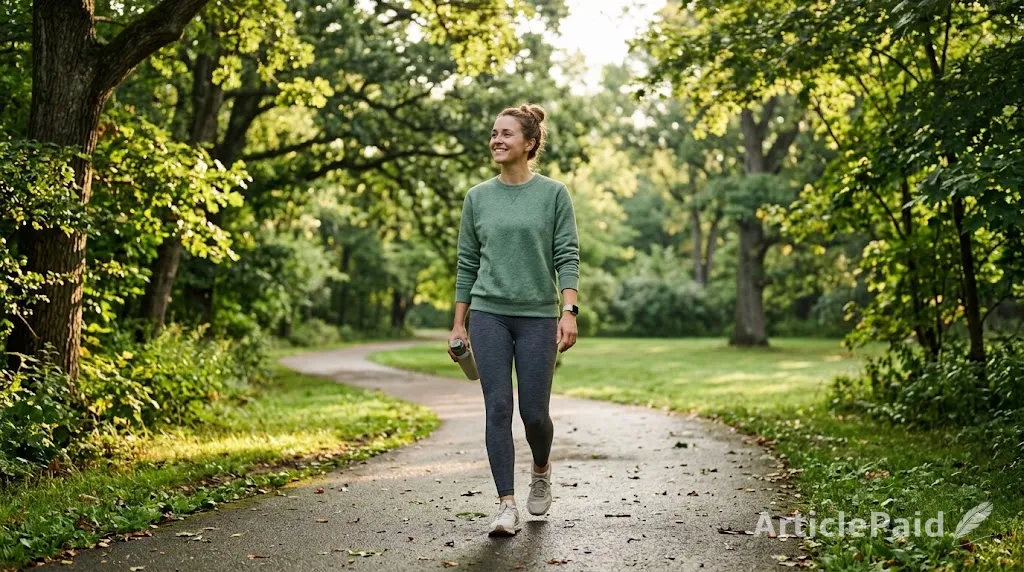
Try walking, stretching, cycling, or light home exercises. Even a short daily walk can help you stay active. Additionally, movement can improve your energy and support better sleep.
For beginners, start with manageable activities. Then, gradually increase your movement as your fitness improves.
3. Get Enough Quality Sleep
Poor sleep can make everyday stress feel harder to manage. Furthermore, tiredness can affect concentration, mood, and motivation. Therefore, creating healthy sleep habits is an important part of stress management.
Build a Better Nighttime Routine
Try going to bed and waking up at consistent times. Also, create a relaxing routine before bedtime. Reduce unnecessary screen time and avoid stimulating activities close to sleep.
A comfortable bedroom can also support better rest. Keep your sleeping environment quiet, comfortable, and relaxing.
4. Spend Time Away From Digital Distractions
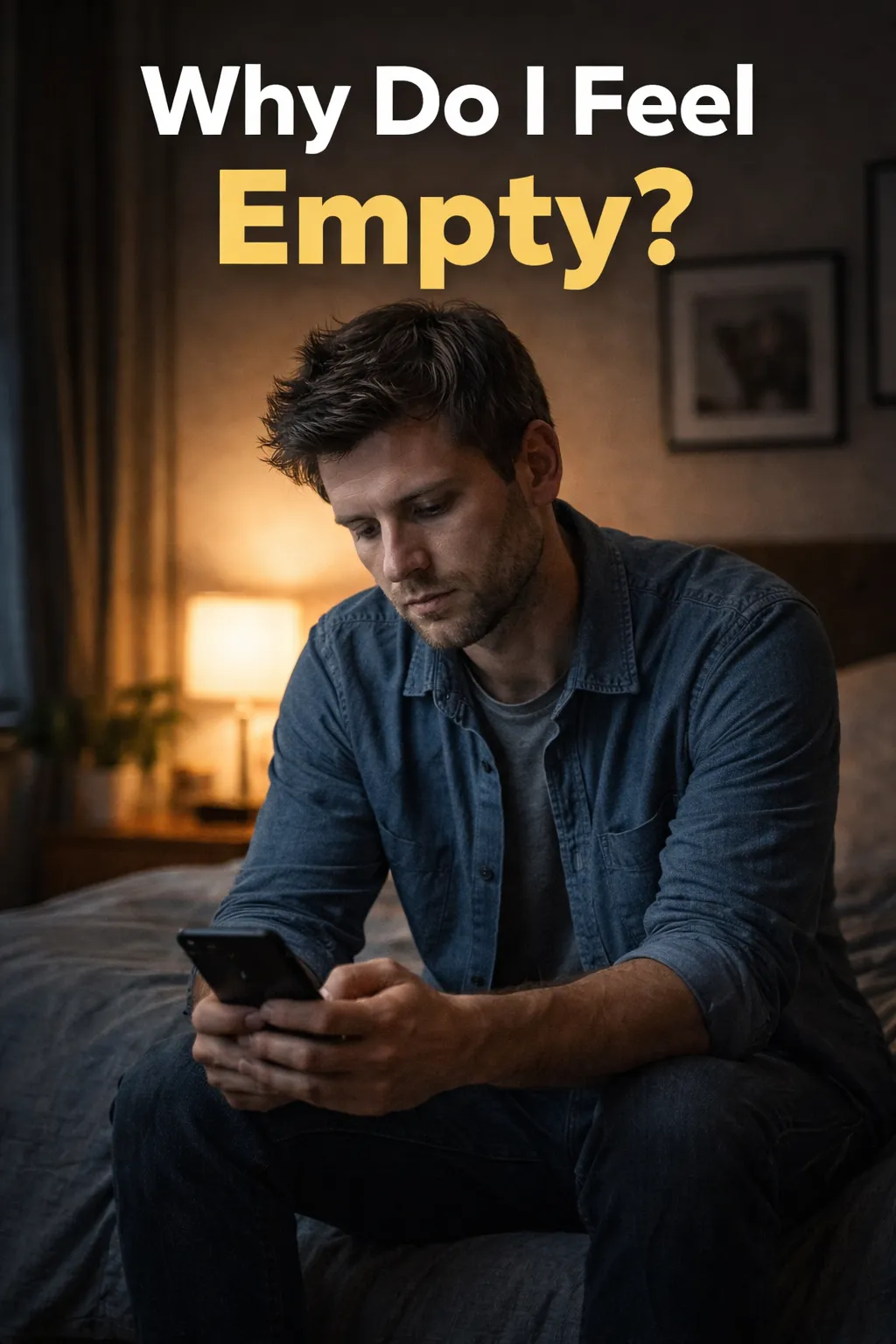
Phones, social media, and constant notifications can make it difficult to relax. Although technology offers many benefits, regular breaks can support mental balance.
Create Short Digital Breaks
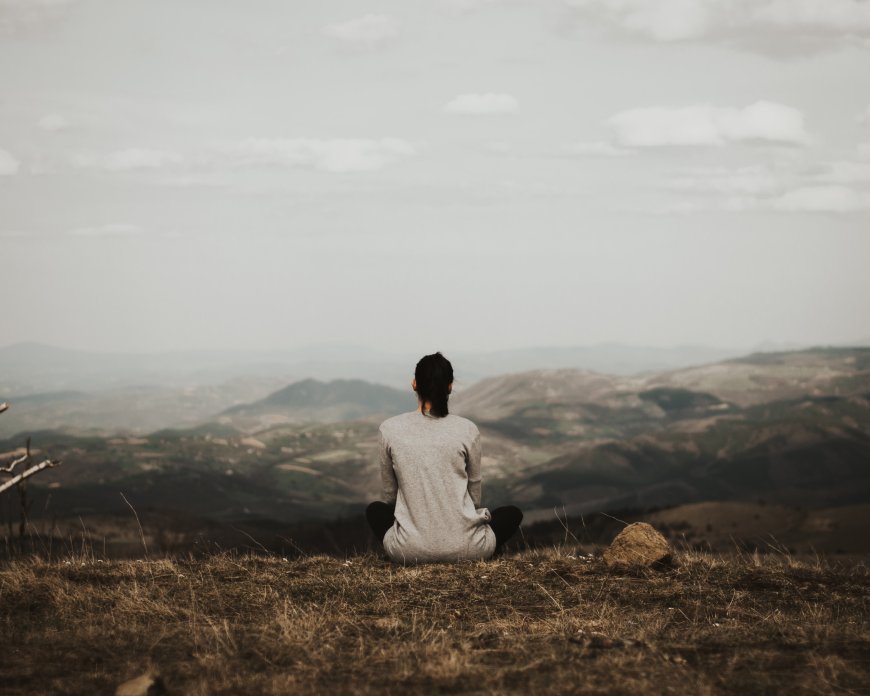
Set aside a few minutes each day without your phone. During this time, read a book, take a walk, enjoy nature, or simply sit quietly.
In addition, consider turning off unnecessary notifications. This simple change can reduce interruptions throughout your day.
5. Make Time for Relaxing Activities
Relaxation should have a place in your daily routine. Activities you enjoy can provide a healthy mental break. Therefore, choose hobbies that make you feel comfortable and refreshed.
Find Activities You Enjoy
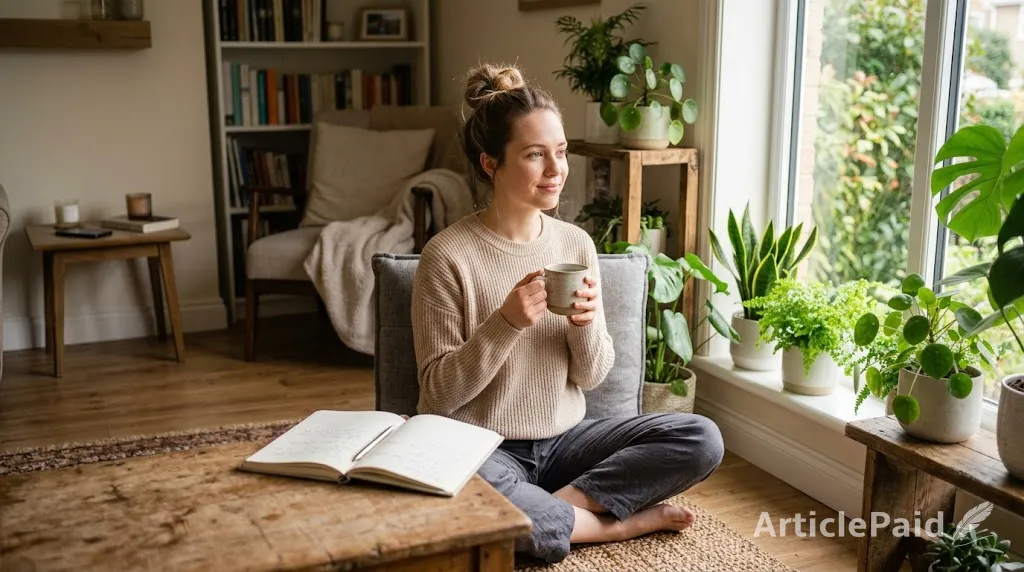
You could listen to music, write in a journal, cook, draw, garden, or spend time with loved ones. Even fifteen minutes of enjoyable activity can create a positive pause during a busy day.
Most importantly, choose activities that fit your lifestyle. A simple routine is easier to maintain than a complicated one.
Create a Simple Stress-Management Routine
You do not need to practice every strategy at once. Instead, begin with one or two habits that feel realistic. Then, gradually add other healthy practices.
For example, you could start your morning with deep breathing. Later, take a short walk and limit unnecessary screen time. Finally, follow a relaxing bedtime routine.
Consistency matters more than perfection. Small actions can become meaningful habits when you practice them regularly.
Final Thoughts
Reducing stress starts with simple, realistic changes. Deep breathing, physical activity, quality sleep, digital breaks, and relaxing hobbies can support better mental well-being.
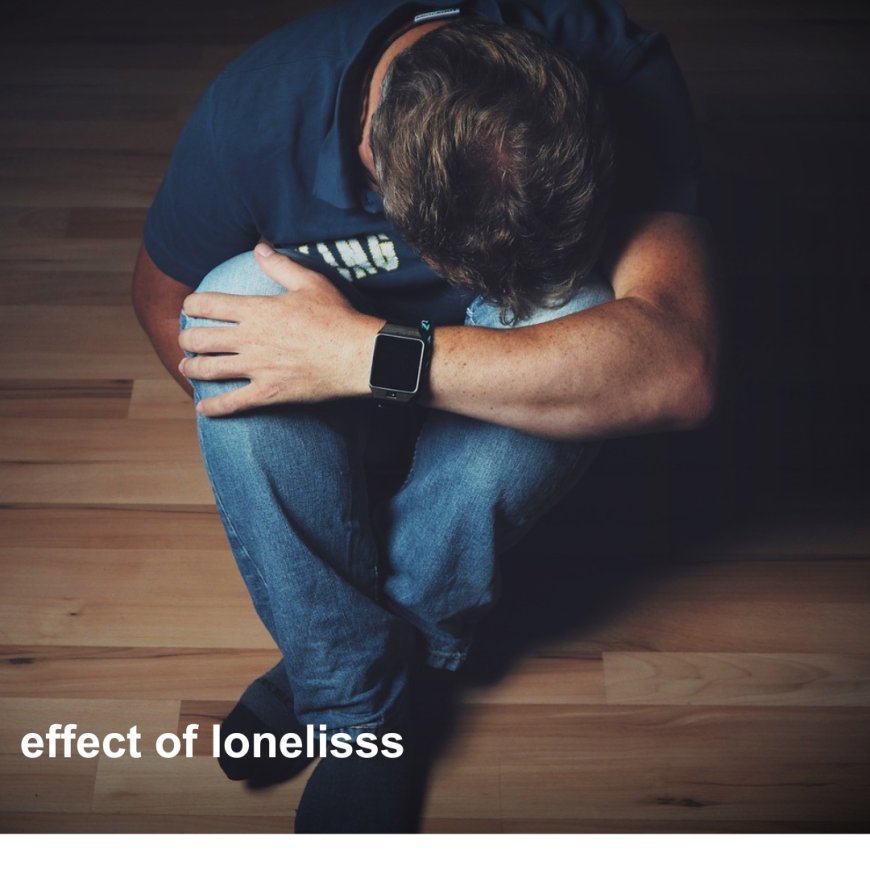
However, everyone responds to stress differently. If stress feels overwhelming or continues to interfere with daily life, consider speaking with a qualified healthcare professional.
Start with one small habit today. Over time, that simple step can become part of a healthier and more balanced lifestyle.















Responses (0)
Sign in to share your thoughts.
Sign in