
Amazing Space Facts That Will Change How You See the Universe
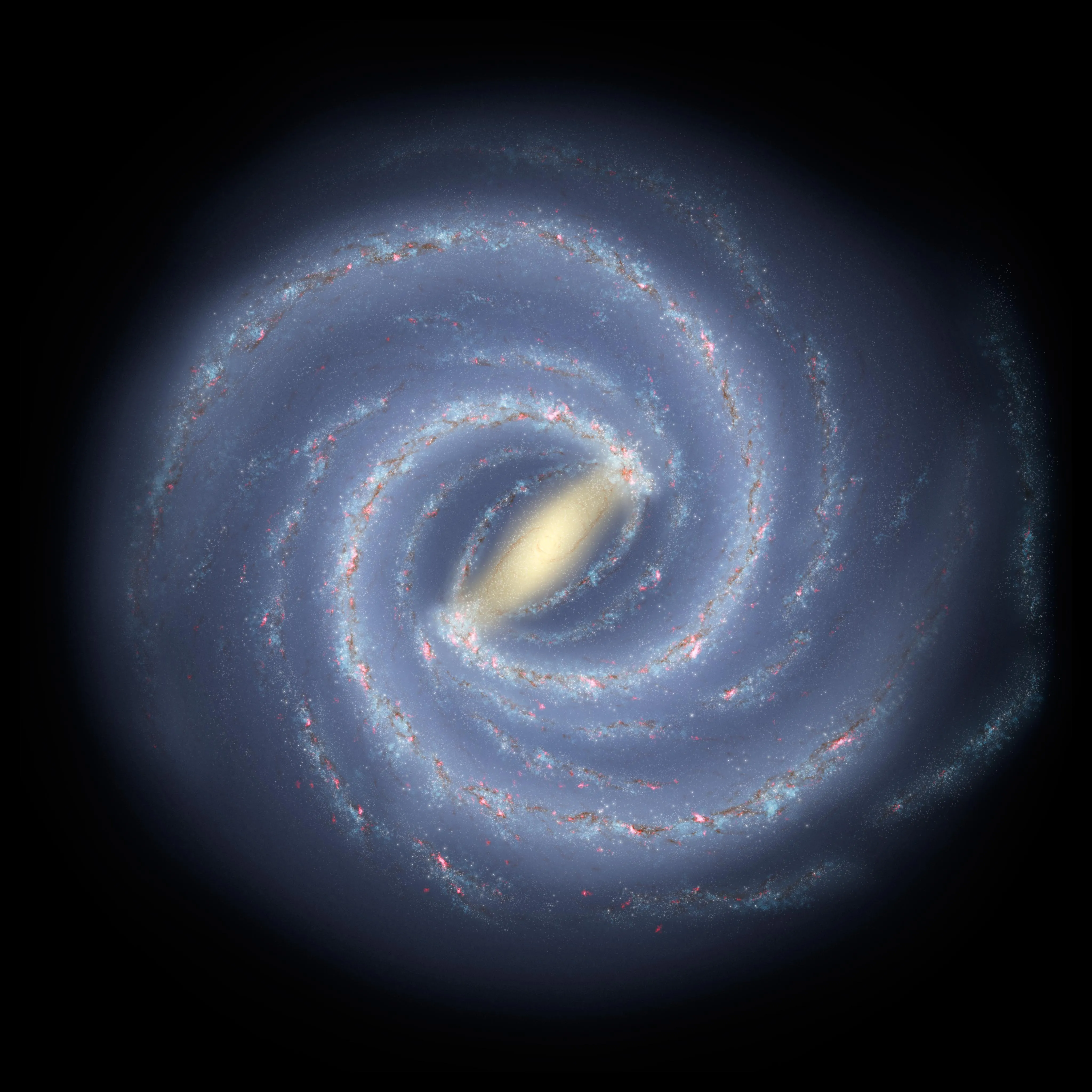
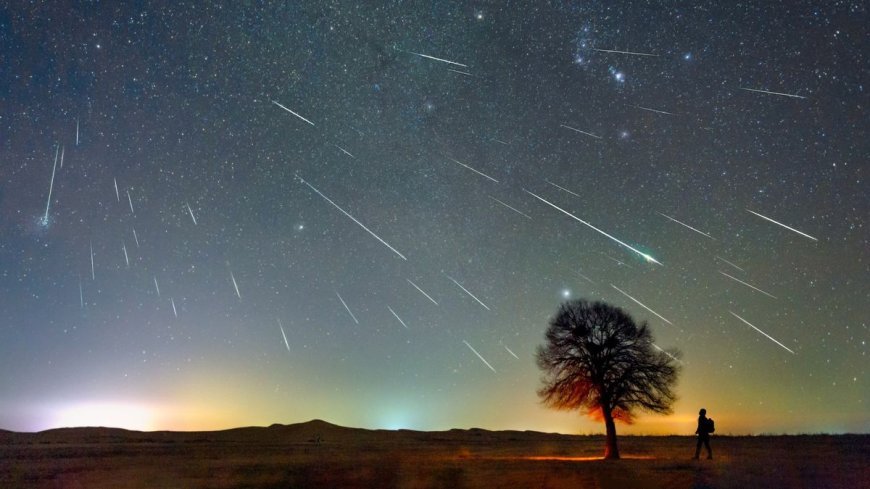
Look up at the night sky and you'll see thousands of stars. Beautiful but what you're actually looking at is only a tiny fraction of the universe.
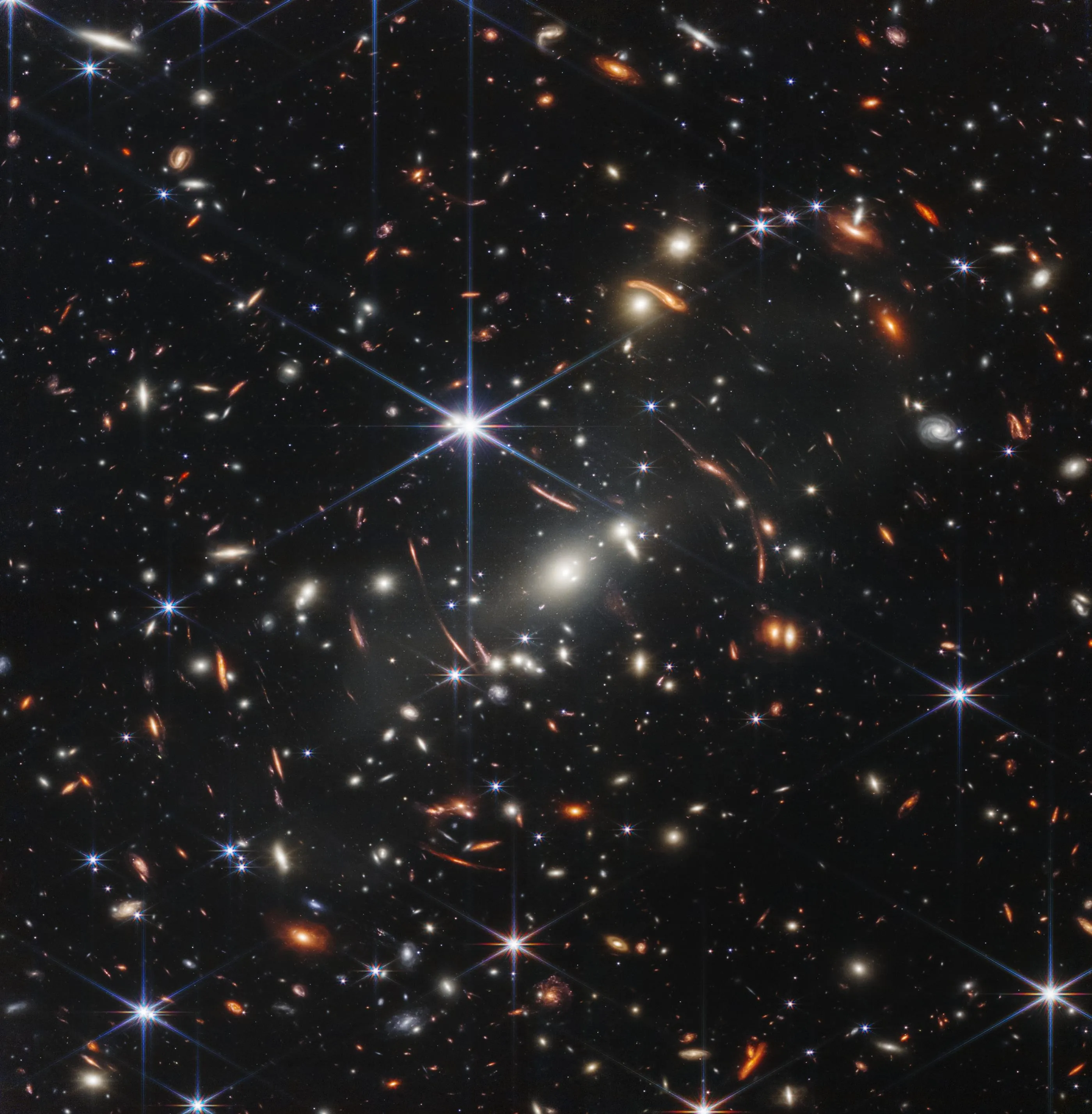
Scientists estimate that the observable universe contains hundreds of billions of galaxies, each with billions of stars and countless planets. The deeper we explore space, the more astonishing it becomes.
Here are some of the most incredible space facts that will completely change the way you think about the universe.
1. There Are More Stars Than Grains of Sand on Earth
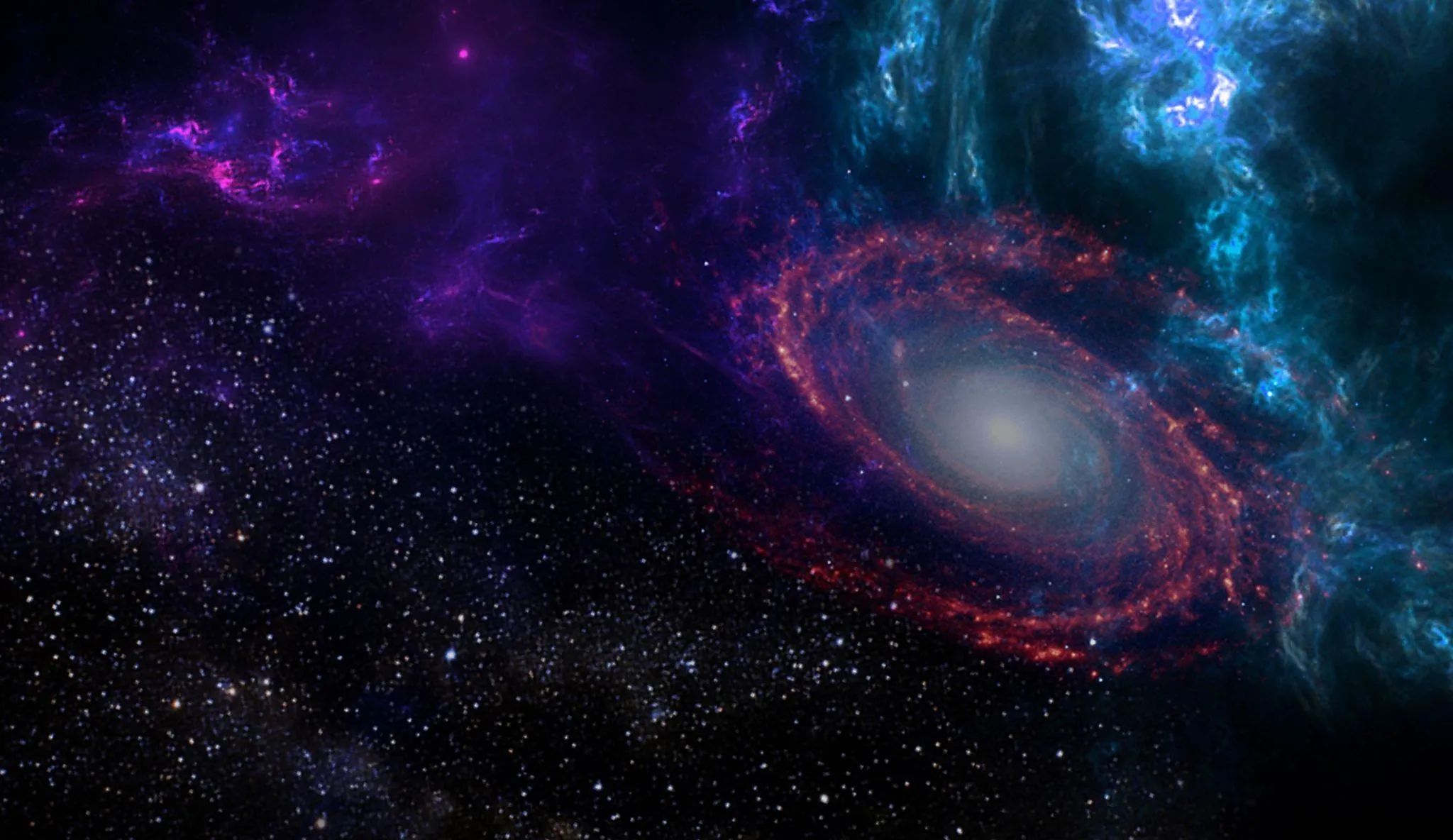
If you counted every grain of sand on every beach and desert on Earth, you still wouldn't come close to the number of stars in the observable universe.
Astronomers estimate there are around 200 sextillion stars—that's a 2 followed by 23 zeros.
2. You're Looking Back in Time Every Night
Light takes time to travel.
When you look at the Moon, you're seeing it as it was 1.3 seconds ago.
The Sun? You're seeing it 8 minutes in the past.
Some distant galaxies appear exactly as they were billions of years ago because their light has only just reached Earth.
3. A Day on Venus Is Longer Than a Year
Venus rotates incredibly slowly.
One full day on Venus lasts 243 Earth days, but it orbits the Sun in only 225 Earth days.
That means a single day is longer than an entire year.
4. Black Holes Can Bend Time
A black hole's gravity is so powerful that it slows time itself.
If you could safely observe near a black hole, time would pass much more slowly for you than for someone far away.
This strange effect is predicted by Albert Einstein's theory of relativity.
5. Neutron Stars Are Incredibly Dense
Imagine squeezing the mass of our Sun into a sphere only about 20 kilometres wide.
Just one teaspoon of neutron-star material would weigh around one billion tonnes on Earth.
6. Space Is Completely Silent
Explosions in movies make dramatic sounds, but real space is almost a perfect vacuum.
Without enough particles to carry sound waves, no one would hear an explosion—even if it happened right beside them.
7. One Million Earths Could Fit Inside the Sun
The Sun is so enormous that roughly 1.3 million Earths could fit inside it.
Even though it's an average-sized star, it completely dominates our Solar System.
8. The Largest Volcano Is Not on Earth
Olympus Mons on Mars is the largest volcano ever discovered.
It rises approximately 22 kilometres high, making it nearly three times taller than Mount Everest.
9. There Could Be Trillions of Planets
Scientists now believe our galaxy alone may contain hundreds of billions of planets.
Across the observable universe, the total could reach trillions upon trillions, raising exciting questions about the possibility of life elsewhere.
10. The Universe Is Still Expanding
Nearly every distant galaxy is moving away from us.
This means the universe has been expanding ever since the Big Bang around 13.8 billion years ago—and that expansion is continuing today.
11. You Are Made of Stardust
The carbon in your body, the oxygen you breathe, the calcium in your bones, and the iron in your blood were all created inside ancient stars.
When those stars exploded, they scattered these elements across space, eventually becoming part of planets—and you.
Carl Sagan summed it up perfectly:
"We are a way for the cosmos to know itself."
12. The Universe May Be Bigger Than We Can Ever See
The observable universe is about 93 billion light-years across, but scientists believe the entire universe could be vastly larger—or even infinite.
There may be regions of space whose light will never reach Earth.
Final Thoughts
Space constantly reminds us how small we are—and how extraordinary our existence truly is.
Every discovery reveals new mysteries, from planets unlike anything in our Solar System to black holes that distort space and time. The universe isn't just vast; it's full of surprises waiting to be uncovered.
The next time you look up at the stars, remember: you're not just seeing lights in the sky. You're looking into history, witnessing the immense scale of creation, and catching a glimpse of a universe that still holds countless secrets.












Responses (1)
Sign in to share your thoughts.
Sign in