
Rare Foods Around the World: 10 Incredible Delicacies You Won't Believe People Eat
Food tells the story of a culture. While many people enjoy pizza, burgers, or sushi, some communities have preserved culinary traditions that seem almost unbelievable to outsiders. What one culture considers strange, another celebrates as a treasured delicacy passed down through generations.
These remarkable dishes are more than unusual meals—they represent history, survival, and local identity. Let's explore ten of the world's most fascinating rare foods.
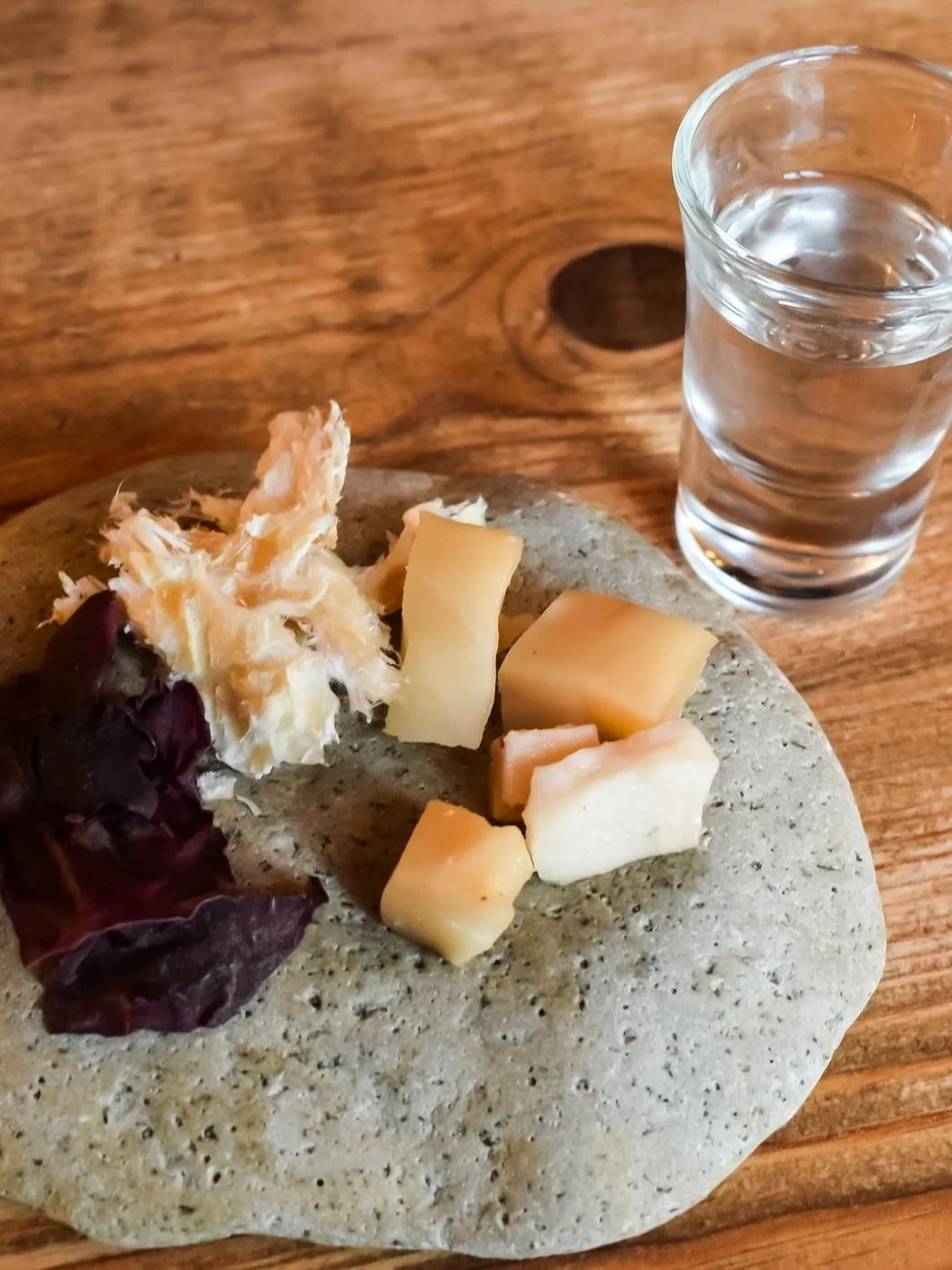
1. Hákarl – Iceland's Fermented Shark
Fresh Greenland shark meat is naturally toxic because it contains high levels of urea. Icelanders developed a centuries-old method of burying and fermenting the meat for several months before drying it.
The result is a strong-smelling delicacy often compared to very powerful cheese. Locals traditionally enjoy it during winter festivals.
Interesting Fact: Even celebrity chefs have admitted this is one of the most challenging foods they've ever tasted.
2. Casu Marzu – Italy's "Living" Cheese
Produced in Sardinia, Casu Marzu is a sheep's milk cheese that contains live insect larvae. These larvae naturally break down the cheese, creating an exceptionally soft texture and intense flavour.
Although controversial, it remains an important part of Sardinian food heritage.
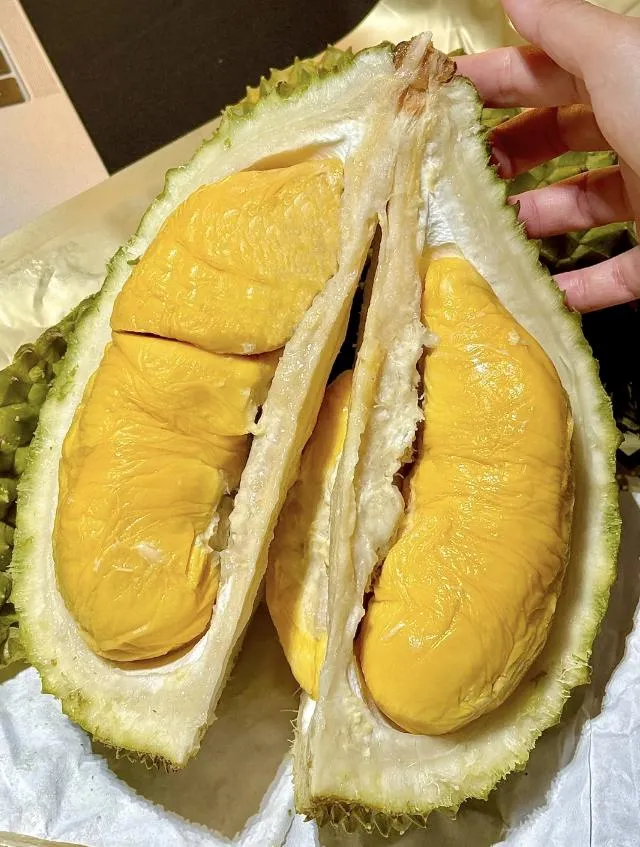
3. Durian – Southeast Asia's "King of Fruits"
Loved across Malaysia, Thailand, Indonesia, and Singapore, durian has a creamy texture and rich flavour. However, its powerful smell is so strong that many hotels and public transport systems ban it.
Fans describe it as heavenly. Critics often compare its smell to onions, cheese, or even petrol.
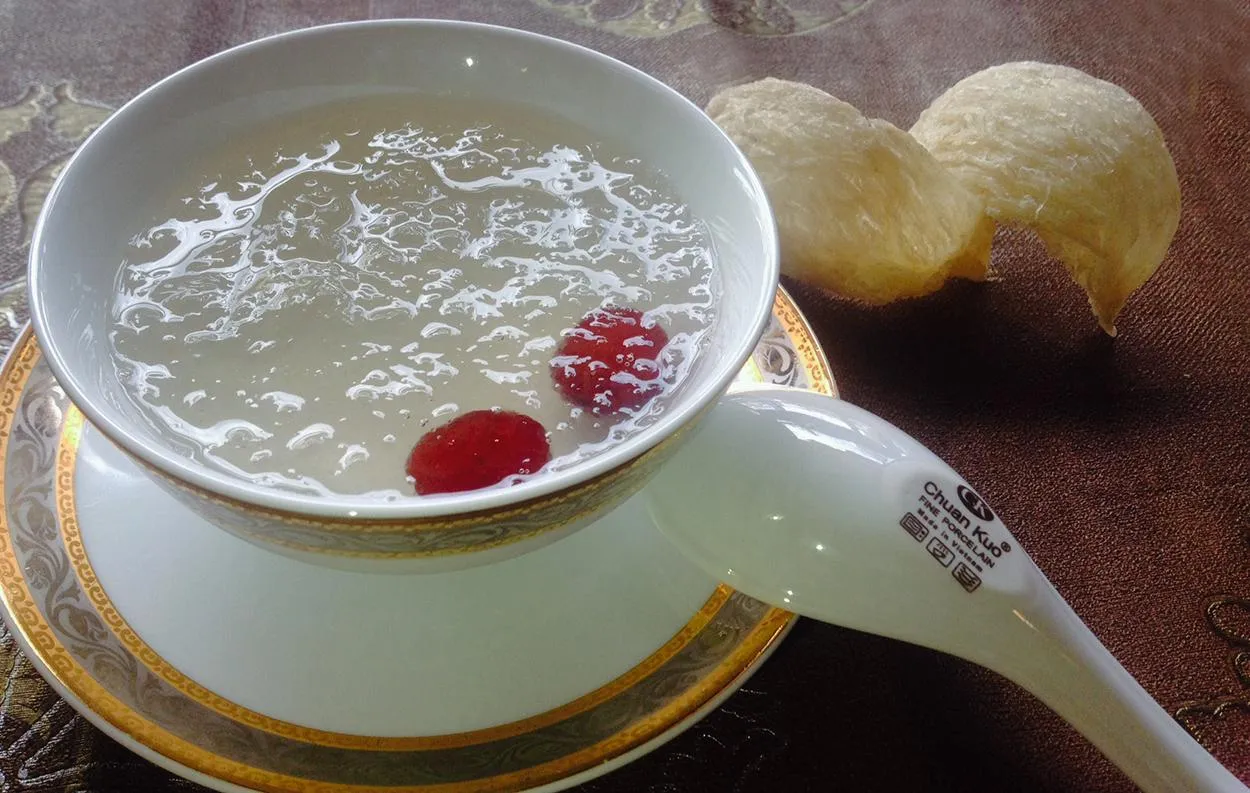
4. Bird's Nest Soup – China
Made from the edible nests of swiftlet birds, this luxurious soup has been enjoyed for hundreds of years.
The nests are carefully collected from caves and cliffs before being cleaned and cooked into a delicate soup.
Did You Know? High-quality bird's nests are among the world's most expensive food ingredients.
5. Fugu – Japan's Deadly Delicacy
Fugu is a type of pufferfish that contains a deadly natural toxin if not prepared correctly.
Only specially licensed chefs are legally allowed to prepare it, after years of professional training.
The excitement of eating one of the world's most carefully prepared dishes attracts adventurous food lovers every year.
6. Balut – Philippines
Balut is a fertilised duck egg containing a partially developed embryo.
It is commonly sold by street vendors and enjoyed with salt or vinegar. For many Filipinos, it is a nutritious and traditional snack.
7. Escamoles – Mexico's "Insect Caviar"
Escamoles are edible ant larvae harvested from agave plants.
Often called "Mexican caviar," they have a buttery texture and nutty flavour and are commonly served in tacos.
8. Century Egg – China
Despite its name, the century egg is preserved for only several weeks or months.
Its dark jelly-like white and creamy green yolk surprise first-time eaters, but its rich flavour has made it popular across Asia.
9. Sannakji – South Korea
This famous seafood dish consists of freshly cut baby octopus served immediately after preparation.
The tentacles may continue moving because of remaining nerve activity, creating a unique dining experience.
10. Mopane Worms – Southern Africa
These edible caterpillars are packed with protein and are an important food source in several African countries.
They can be dried, fried, or cooked in tomato sauce and are valued for both nutrition and flavour.
Why Do People Eat These Foods?
Many unusual foods developed because communities learned to survive using local resources. Over time, these survival foods became cultural traditions passed down through generations.
Today's travellers often seek these dishes not simply for the taste but for the unforgettable experience and deeper understanding of different cultures.
Final Thoughts
What seems unusual in one country can be a beloved family tradition in another. Exploring rare foods reminds us that culture, history, and creativity shape what we eat.
Whether you would happily try fermented shark or prefer to admire these delicacies from a distance, one thing is certain—the world of food is far more diverse and fascinating than most people realise.
Which of these rare foods would you be brave enough to taste first?




















Responses (0)
Sign in to share your thoughts.
Sign in