What Would One Night on the Moon Actually Feel Like? (Spoiler: It Lasts 14 Days)

In this article
Picture the longest night of your life. Now stretch it out for two whole weeks, drop the temperature to a level that ordinary electronics can't handle, and take away every single sunbeam.
That's one night on the Moon. And if NASA and China really are heading back there, someone will have to survive it.
First, the Numbers Are Wild
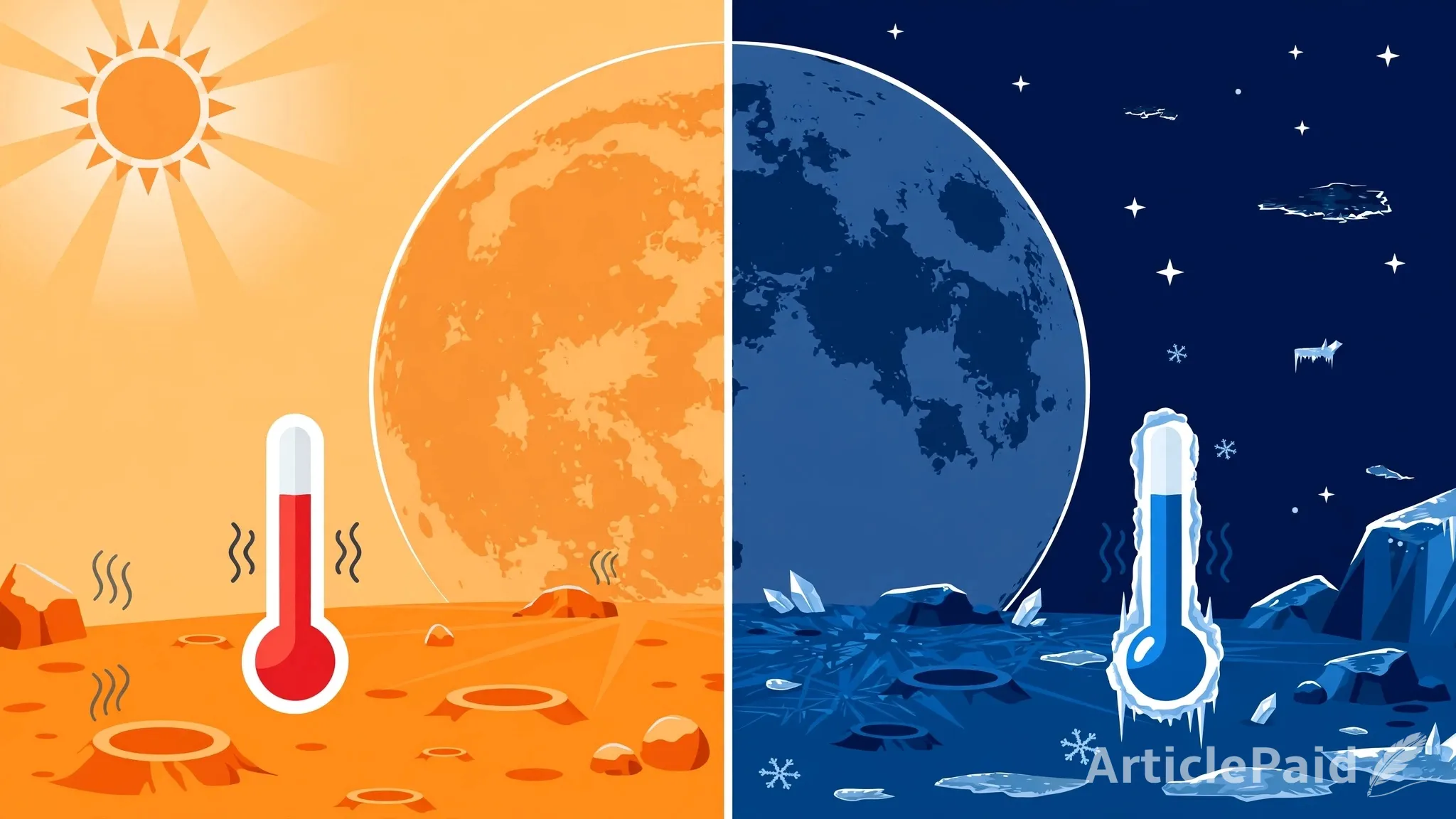
A lunar night lasts about 14 Earth days. The sun simply doesn't come up for roughly 354 hours. Temperatures swing from baking heat in the daytime to well below minus 200°C (about minus 330°F) after dark, and the polar regions can get even colder.
Compare that to a bad winter night at home. Yours ends by morning. The Moon's doesn't end for two weeks.
Apollo Never Had to Deal With It
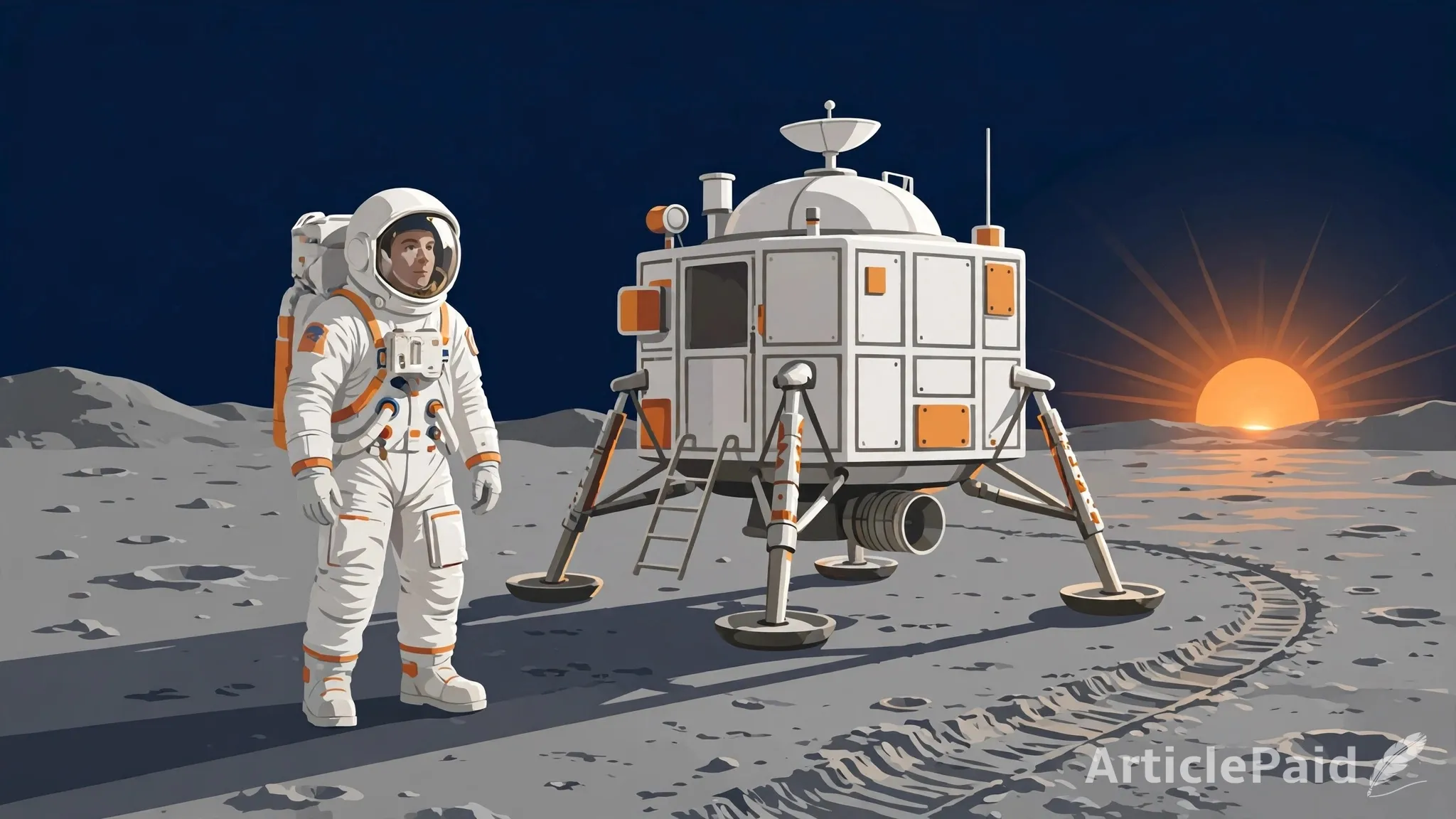
Here's something most people don't realize. The Apollo astronauts only stayed a few days. The longest stay, on Apollo 17, was just over three days, so no crew ever sat through a lunar night. That was a footnote back then. Now that NASA wants a permanent base, it's the central problem.
The Machines That Didn't Wake Up
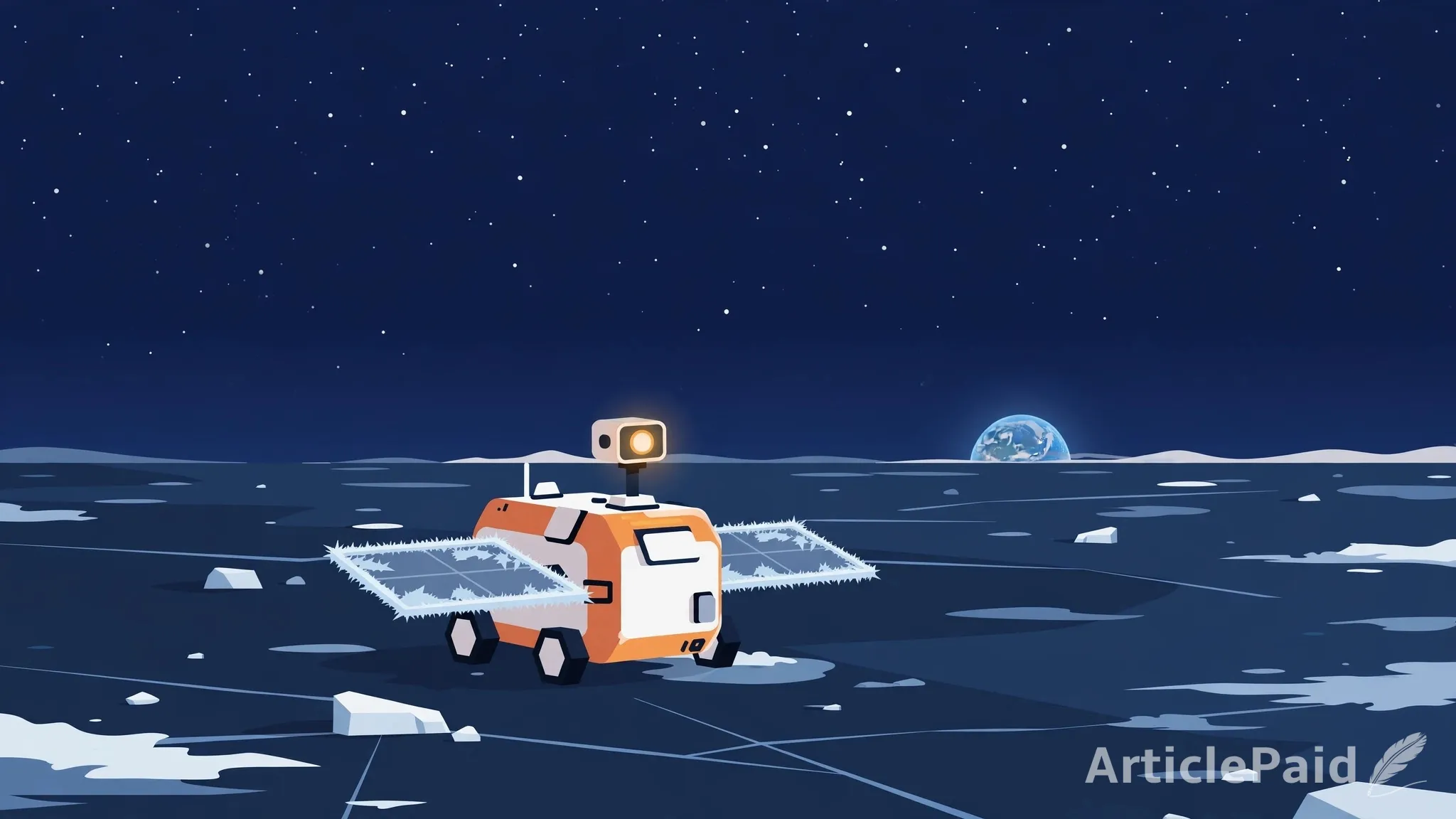
We already have some hints about how brutal it is, because robots have tried it.
India's Chandrayaan-3 lander and rover were put to sleep on September 2, 2023, as the night approached. They were scheduled to wake up on September 22. They never answered. India's space agency said it was fine, since the mission had already achieved its goals, but those machines weren't built for such a long cold night.
The US commercial lander Odysseus wasn't designed to survive it either, and its mission ended about a week after landing.
Then there was Japan's SLIM lander, which wasn't meant to survive the night at all, and did anyway. It woke up after the first night, and later survived a second one too. Even so, some of its sensors and spare batteries started failing along the way.
China's Chang'e 3 lander and Yutu rover got through the night using small plutonium-powered heaters to keep key parts warm, though Yutu developed a fault before its second night.
So surviving a night on the Moon is possible, but it takes planning.
So How Would Astronauts Keep the Lights On?
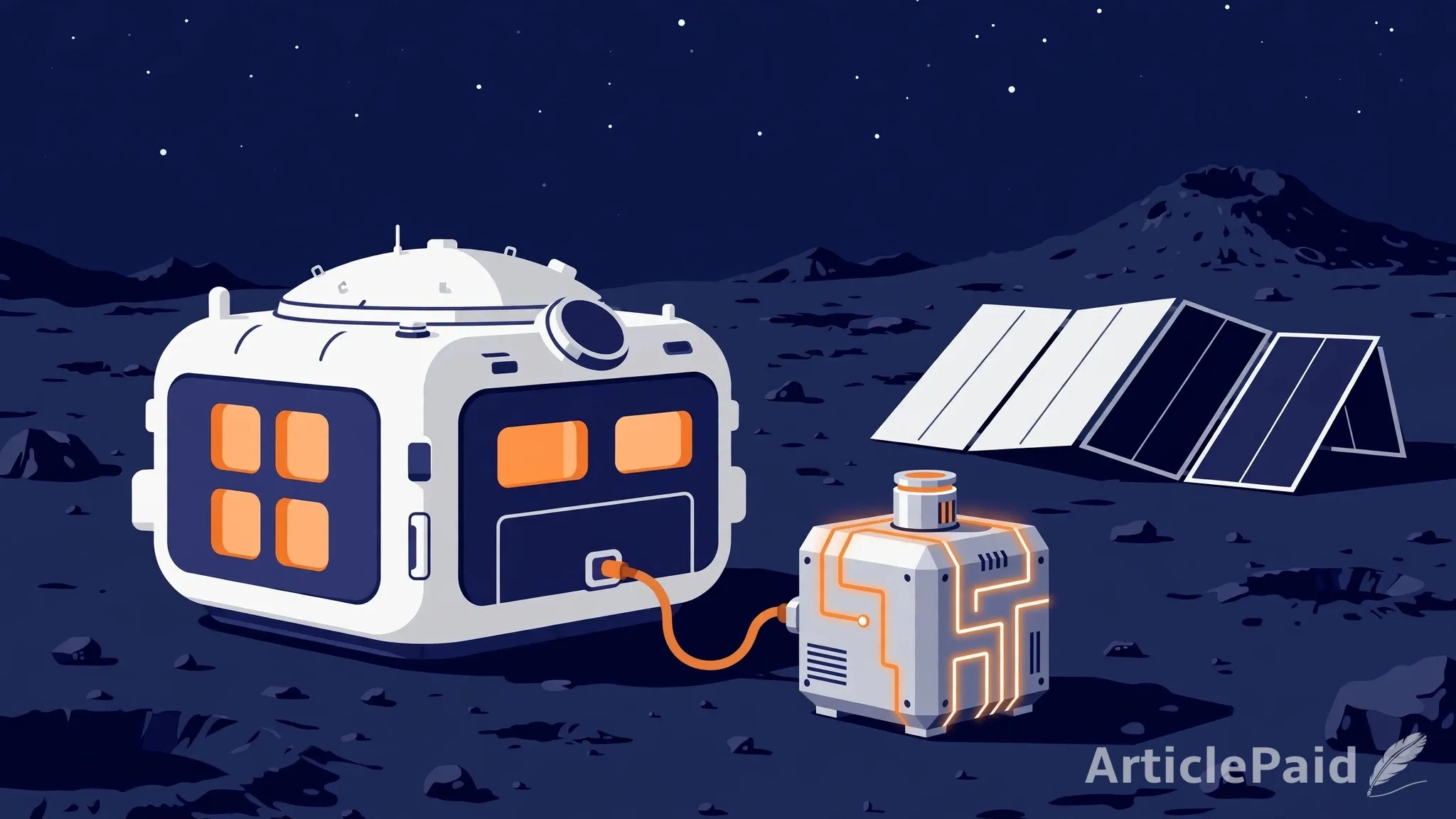
Solar panels go quiet during the lunar night, and batteries can't carry an entire base through two weeks of darkness. That's a big problem if people need heat, air and power around the clock.

Looking for a Muslim marriage partner? Discover NikahNoor, a Muslim matrimonial platform dedicated to meaningful connections, halal matchmaking and finding a compatible life partner.
Find Your Life PartnerNASA's answer is a small nuclear reactor. The Fission Surface Power project is designed to produce at least 40 kilowatts of electricity, enough to run about 30 homes for ten years. A NASA reactor called Lunar Reactor-1 is slated to reach the Moon in 2030.
Power matters even more at the Moon's south pole, where NASA wants to land. Some craters there never see sunlight, and that's exactly where water ice is found. Solar power doesn't work in a place that never sees the Sun.
Imagine Waking Up on Day Seven
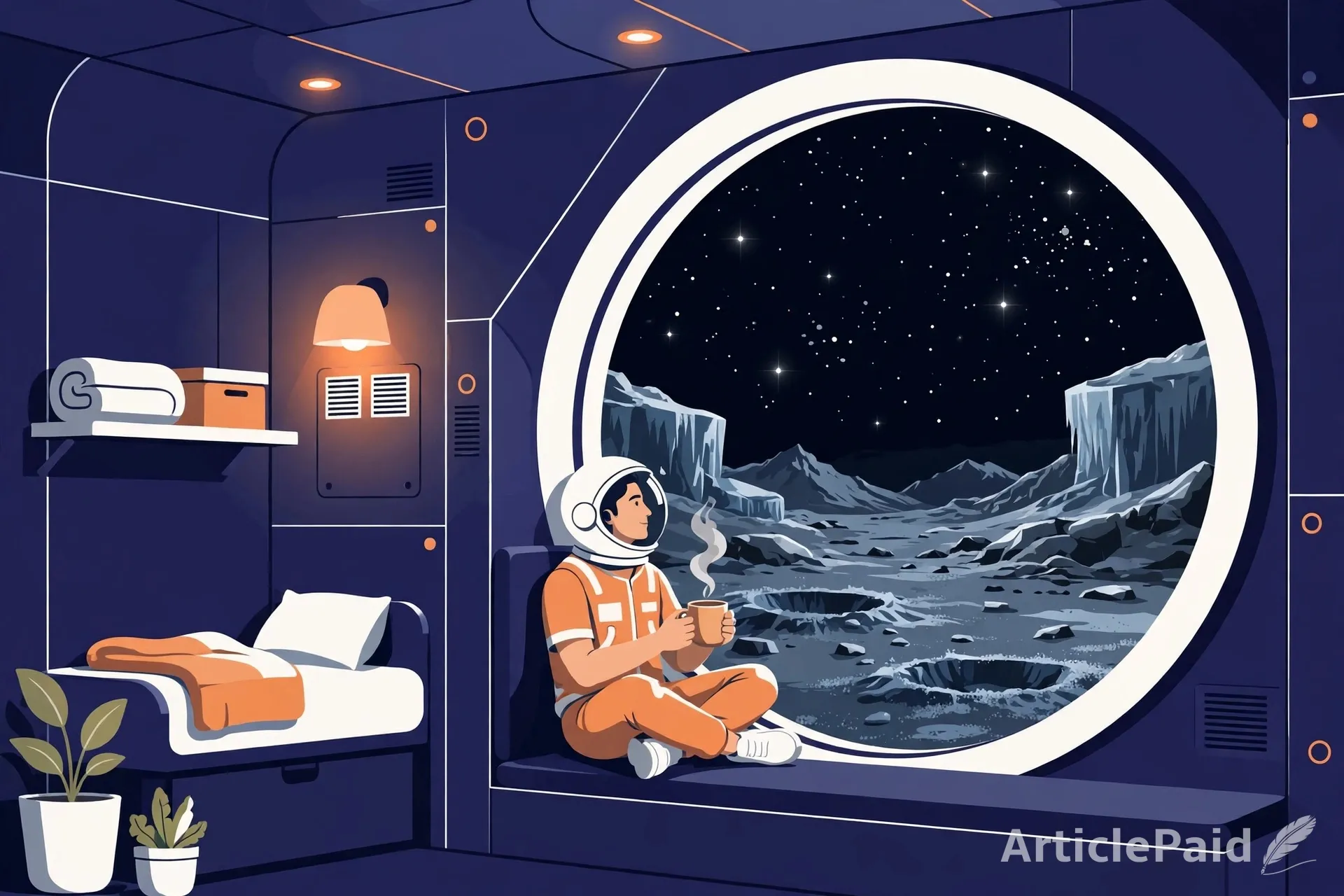
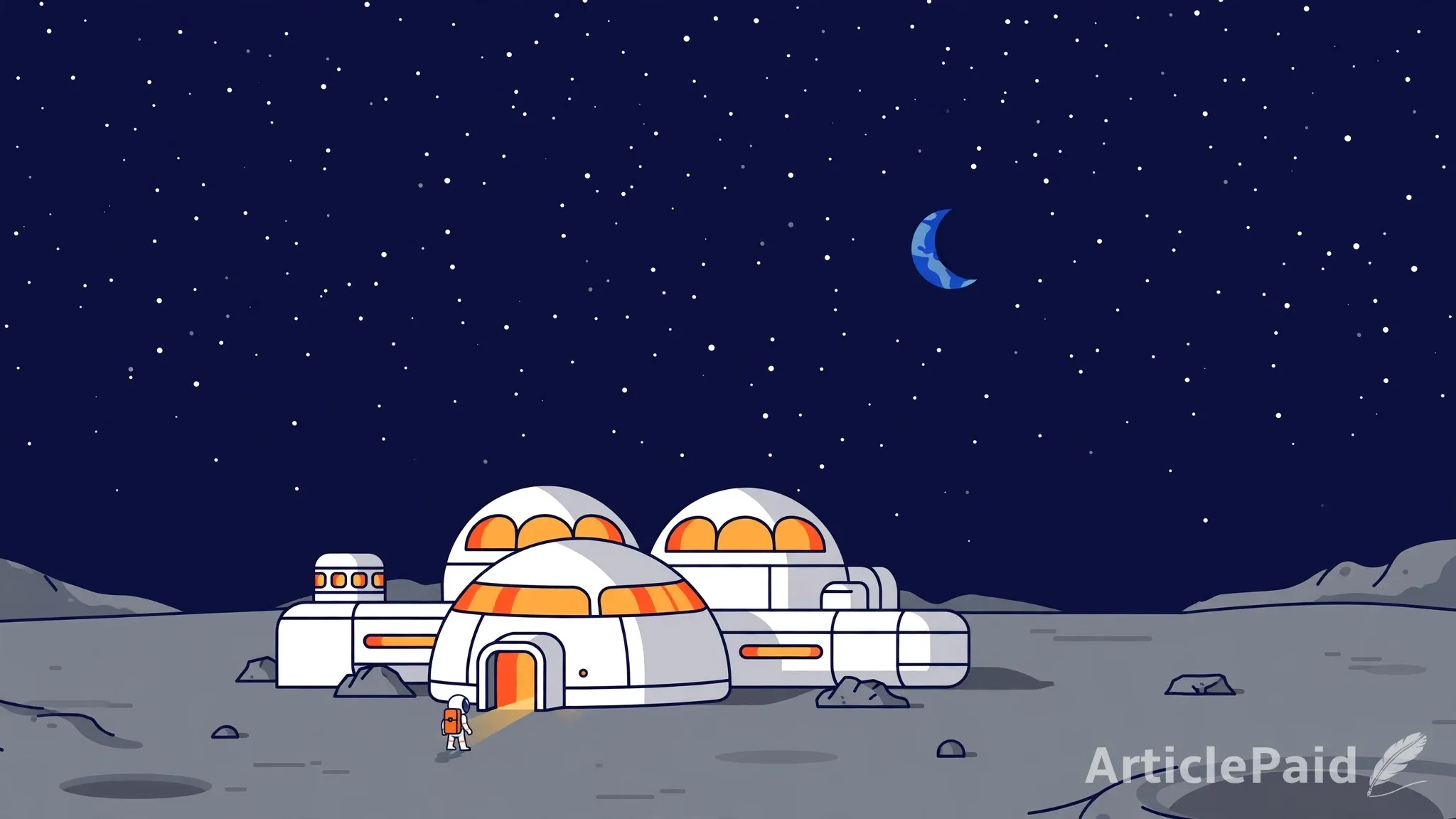
Let's imagine for a moment, using what we know. It's the middle of the night. There's no sunrise to look forward to for another week. Outside, it's far colder than any human body could survive. Inside, a small reactor hums quietly, keeping the heaters, the lights and the air supply running.
Your whole world is that sealed shelter and the people in it. It sounds like survival fiction, but that's the real engineering challenge behind the Moon base plans.
FAQs
How long is a night on the Moon?
About 14 Earth days. A full lunar day-and-night cycle takes roughly a month.

At NikahNoor.com, discover a platform dedicated to helping Muslims find a compatible life partner and build a future rooted in love, respect, and shared values.
Learn moreHow cold does it get?
Many sources put it well below minus 200°C in some places, and colder in permanently shadowed craters near the poles. Exact numbers vary by location.
Can solar panels work at night on the Moon?
No. Without sunlight they produce nothing, and batteries can't store enough power to last two weeks for a whole base. That's why NASA is working on nuclear power.
Has any robot survived a lunar night?
Yes. Japan's SLIM did, even though it wasn't designed for it. China's Chang'e 3 lander and Yutu rover also got through one using small heaters.
The Bottom Line
Getting to the Moon is hard. Staying there is harder. The first people to live on the Moon won't just fight the cold and the dark. They'll have to outlast a night that lasts two weeks, and how well we solve that will decide whether a Moon base is a real home or just a short visit.
References:The length and temperatures of the lunar night come from reports by The Week, Reuters Events and Aerospace America. The Chandrayaan-3, Odysseus and SLIM stories draw on The Week, Science Alert and SpacePolicyOnline. Chang'e 3 and Yutu's heating system is covered by Spaceflight Now. Apollo 17's stay on the Moon is documented by Space.com and Universe Today. NASA's fission power plans are based on reporting by Euronews (April 2026), Aerospace America and the US Department of Energy.











Responses (0)