Chronological Age vs Biological Age: Why Your Real Age Is Not Your Birthday Age?
Your birthday age is not your real age. Science shows your body can be younger or older than your calendar age, and here


In this article 10 sections
Your birthday age is not your real age. Science shows your body can be younger or older than your calendar age, and here is why.
I have seen it with my own eyes. In my street, there are two men, both are 45 years old. One man walks every morning, he laughs a lot, and he looks like 35. The other man sits all day, he smokes, and he looks like 55.
Now tell me, both have the same age, then why is there a difference?
The difference is only one. One has a lower biological age, the other has a higher one.
What Is Chronological Age?
This is very simple. It is the age written on your ID card. When you were born, that is it.
It increases every year. You cannot stop it. No matter what you do, it will not stop.
But the truth is, it tells nothing about your health.
What Is Biological Age?
Biological age tells how old your body is from inside.
How is your heart, your brain, your muscles, your blood working? That is biological age.
If you eat well, sleep well, and do a little exercise, your body can be 10 years younger than your age. And if you live in stress all the time, eat junk food, then your body will get old before you.
What Does Research Say?
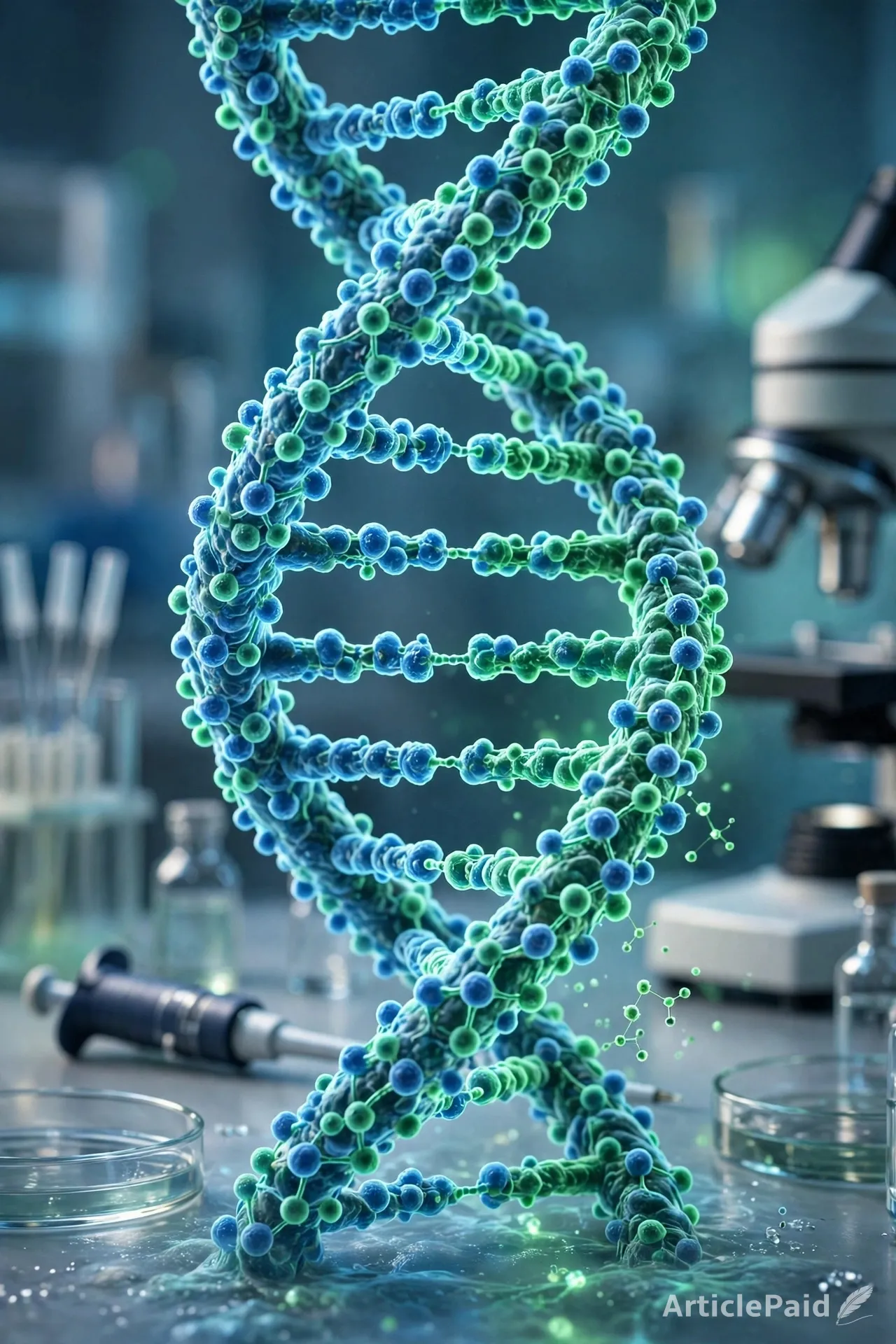
I am not just talking in the air. Scientists have done big research on this.
1. Horvath 2013
Steve Horvath made the first method to measure age from DNA. He looked at 8,000 samples. He found that small changes in DNA can tell your real age.
2. Levine 2018
Levine made a new test, called PhenoAge. It does not only tell your age, it also tells how much risk you have of disease, and how long you will stay healthy.
3. Belsky 2020
Belsky did something even better. He followed 1,037 people for years. He did not ask, "What is your age?" He asked, "How fast are you getting old?" And that is the biggest point. Getting old is a speed. And speed can be slowed down.
So Can We Reduce Our Age?

Look, birthday age cannot be reduced. That is true.
But biological age can be slowed down. And it is not a big task.
Walk for 30 minutes daily. Keep your mobile aside early at night and sleep for 7 to 8 hours. Drink more water, eat less sugar. Do not take stress to heart.
I am not saying you will stay young forever. But you can feel like 40 even at the age of 50. And that is the real win.
FAQs
What is the difference between chronological and biological age?
Chronological age is years since birth. Biological age is the real condition of your body.
Which age is more important?
Biological. Because it tells how healthy you are.
Can I know my biological age?
Yes, through blood test and DNA test. You can ask your doctor.
Can it be reduced?
Yes, with good habits its speed gets slow.
Final Thoughts
Your ID card tells your age. Your body tells your truth.
So stop crying on birthdays. Take care of your body. Because your real age is not written on the cake, it is inside you.
This article is for general information purposes only. It cannot replace advice from a qualified health professional.
References
1. Horvath, S. (2013). DNA methylation age of human tissues and cell types. Genome Biology, 14(10):R115.
2. Levine, M.E. et al. (2018). An epigenetic biomarker of aging for lifespan and healthspan. Aging, 10(4):573-591.
3. Belsky, D.W. et al. (2020). Quantification of the pace of biological aging in humans through a blood test, the DunedinPoAm DNA methylation algorithm. eLife, 9:e54870.












Responses (0)