The Truth About Nutrition Myths Most People Still Believe
Nutrition advice is everywhere. Some tips are useful, but others are myths repeated so often that they sound like facts. Knowing the truth helps us make…


The Truth About Nutrition Myths Most People Still Believe
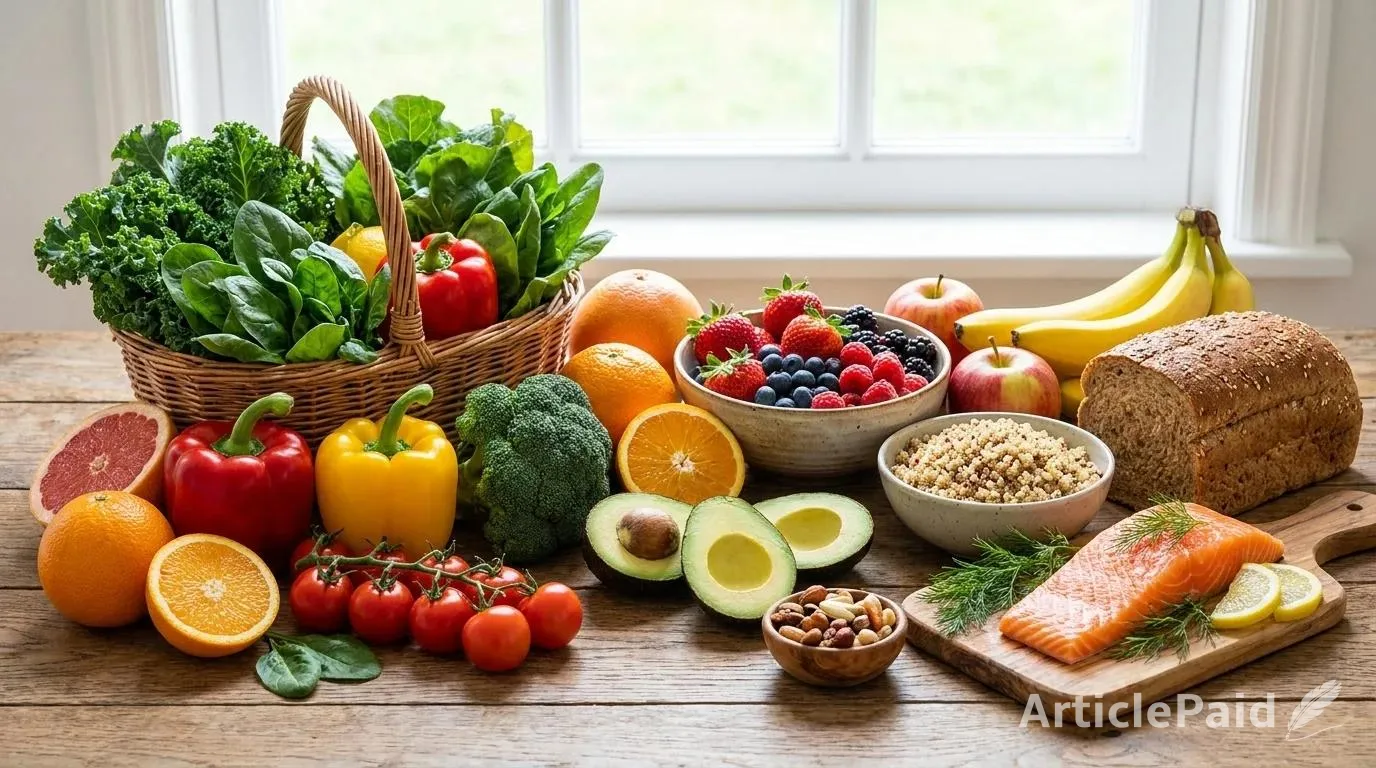
Nutrition advice is everywhere. Some tips are useful, but others are myths repeated so often that they sound like facts. Knowing the truth helps us make sensible choices without following every new food trend.
Myth One: Carbohydrates Are Always Unhealthy
Carbohydrates are often blamed for weight gain, but they are an important source of energy. Whole grains, beans, fruit, and vegetables provide carbohydrates along with fibre, vitamins, and minerals. Sugary drinks and highly processed snacks are not the same as oats, lentils, or wholegrain bread. Instead of removing all carbohydrates, choose nourishing sources and suitable portions.
Myth Two: All Fat Should Be Avoided
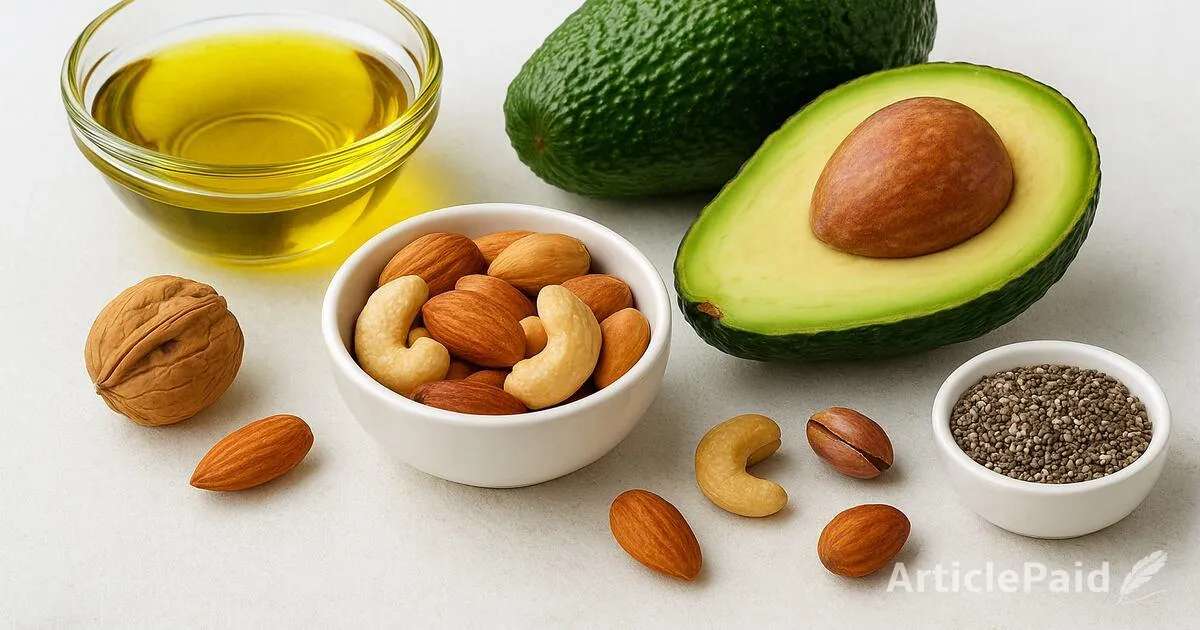
Fat contains more calories per gram than protein or carbohydrates, but that does not make every fat unhealthy. The body needs dietary fat to absorb certain vitamins and support cells. Nuts, seeds, avocado, and olive oil contain mostly unsaturated fats. It is sensible to limit excessive saturated and trans fats, but avoiding all fat can make meals less balanced. Portion size matters because even nutritious fats are energy-dense.
Myth Three: Everyone Must Drink Exactly Eight Glasses of Water
Eight glasses is a familiar guideline, not a fixed requirement for everyone. Fluid needs vary with activity, climate, diet, and health. People exercising or spending time in hot weather may need more fluids. Water is an excellent choice, while milk, soups, fruit, and vegetables also contribute to hydration. Thirst can offer a useful clue for many healthy adults, although some medical conditions require individual advice.

Skipping meals does not automatically lead to healthy, lasting weight loss. Some people become very hungry later and find it harder to choose satisfying portions. What matters most is the overall eating pattern and whether it is sustainable. Balanced meals containing protein, fibre-rich carbohydrates, and vegetables can help people feel satisfied. No single meal schedule suits everyone.
Myth Five: Detox Diets Remove Toxins
Juice cleanses and detox teas are promoted as ways to cleanse the body. However, the liver and kidneys already help process and remove waste. Most detox products have not been shown to provide special cleansing benefits. Restrictive plans can leave people short of energy or important nutrients. Drinking water and eating varied foods support normal body functions more reliably.
Myth Six: Fresh Produce Is Always More Nutritious Than Frozen
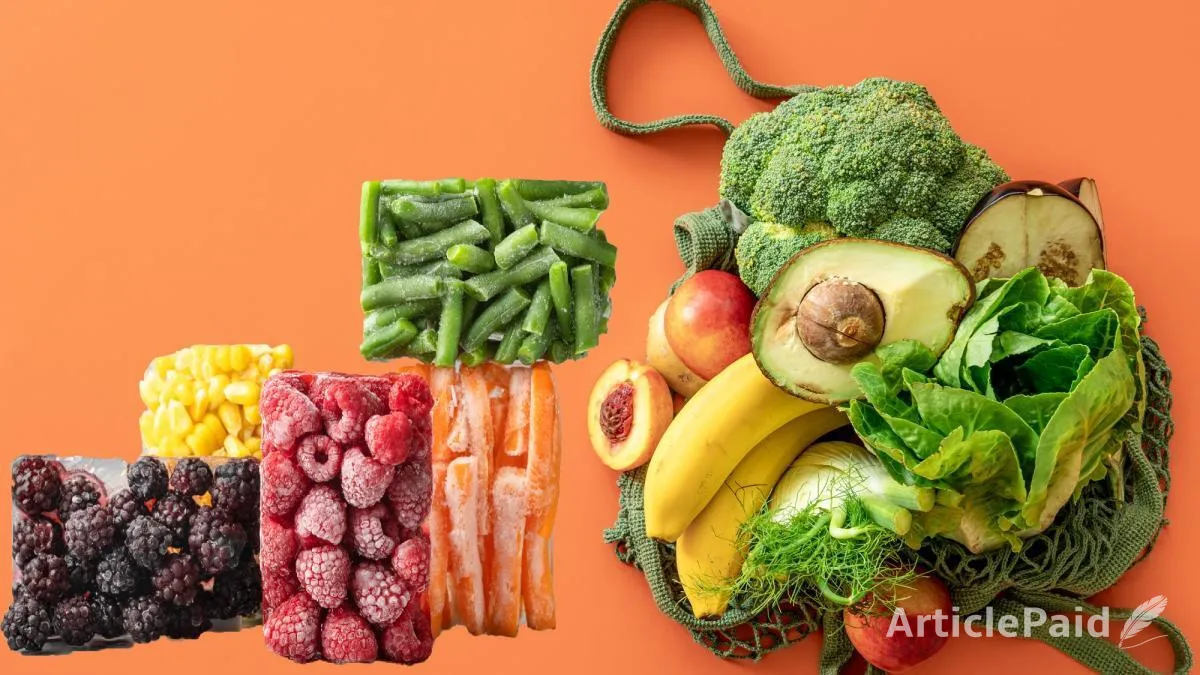
Fresh fruit and vegetables are excellent, but frozen produce can be nutritious too. Many fruits and vegetables are frozen soon after harvesting, helping preserve nutrients. Canned produce can also be useful; choose options with little added salt or sugar. The best choice is one that is affordable, available, and easy to include regularly.
How to Make Better Food Choices
Be careful with claims promising instant results, calling an entire food group dangerous, or insisting one product is essential. Reliable nutrition advice considers scientific evidence and individual needs. A registered dietitian or qualified healthcare professional can help with personal concerns.
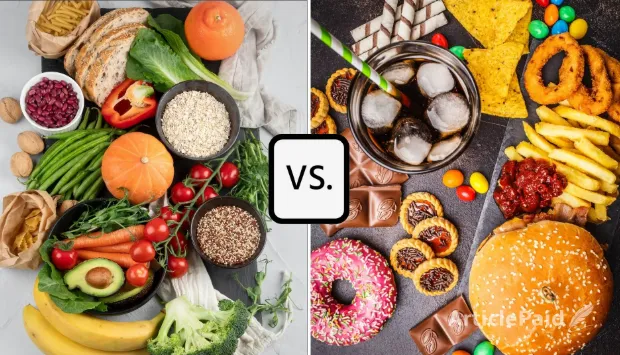
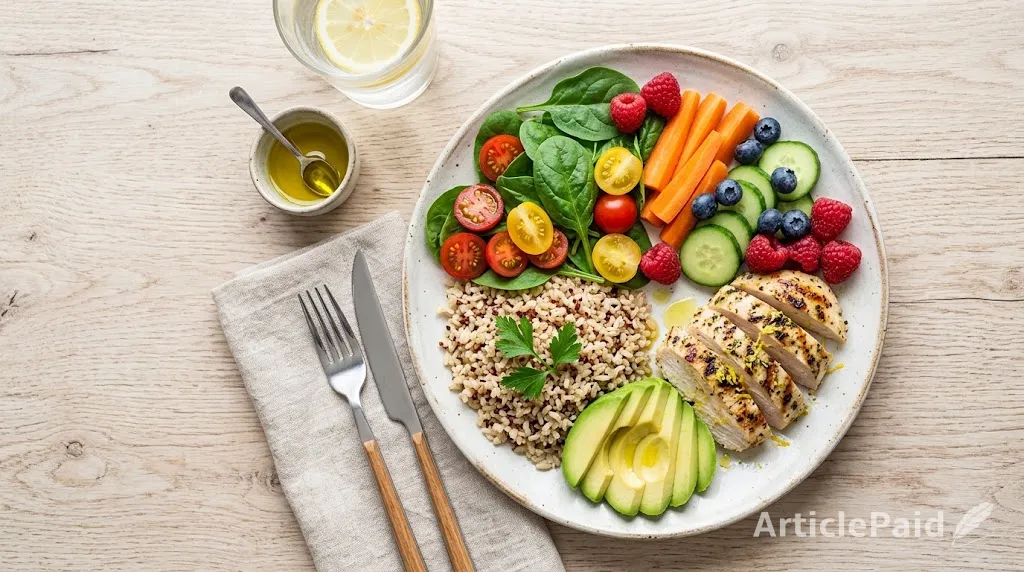
Healthy eating does not require perfection, expensive ingredients, or strict rules. Include vegetables, fruit, whole grains, protein foods, and healthy fats across the week. Enjoy favourite foods in reasonable portions and make changes gradually. The truth about nutrition myths is simple: balance, variety, and consistency matter more than dramatic promises. Small habits that fit everyday life are easier to maintain and support overall wellbeing.












Responses (0)