
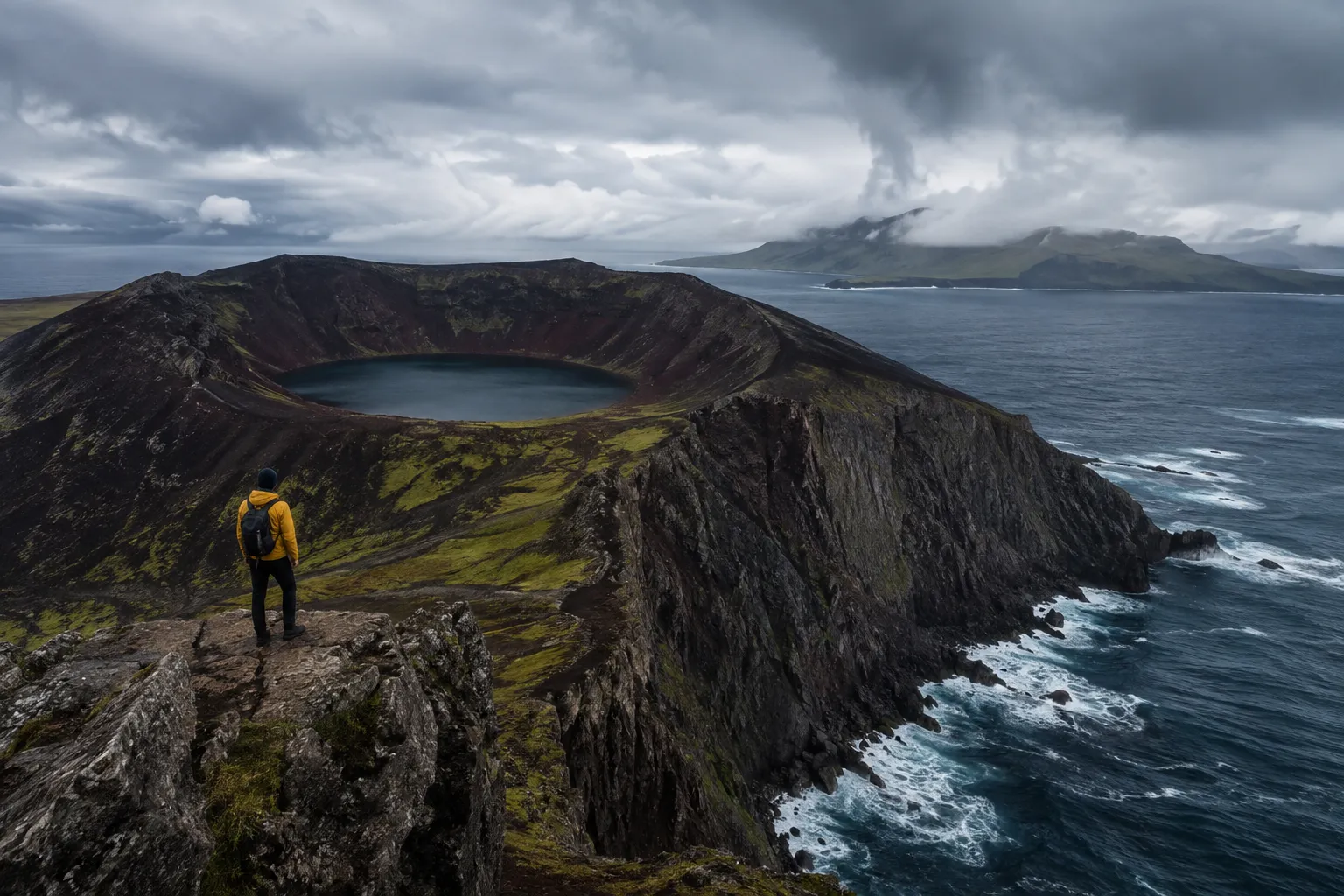
Some places earn their reputation through centuries of legends. Others become famous because nature constantly reminds humanity who is really in charge. Volcanoes erupt without warning, deserts stretch for hundreds of kilometers without reliable water, icy mountains create deadly storms, and isolated islands host wildlife capable of injuring the unprepared. Yet despite these dangers, many extraordinary destinations remain open to travelers who respect local regulations, follow experienced guides, and prepare carefully.
The appeal of dangerous travel is rarely about taking reckless risks. Instead, it comes from witnessing landscapes that feel almost untouched by civilization. Standing beside glowing lava, diving among sharks, trekking across glaciers, or exploring one of the world's driest deserts offers experiences that ordinary vacations simply cannot match.
The key difference between adventure and disaster is preparation. Most visitors who encounter these incredible destinations return with unforgettable memories because they understand the environment, respect local authorities, and never underestimate natural hazards. Here are some of the world's most fascinating dangerous destinations that tourists can legally explore.
Death Valley, USA: The hottest place on Earth
Death Valley National Park in California is one of the planet's most extreme environments. Summer temperatures regularly exceed 50°C (122°F), while the ground itself can become significantly hotter. In 1913, Furnace Creek recorded 56.7°C (134°F), still recognized as one of the highest air temperatures ever measured.
Despite its intimidating name, Death Valley attracts hundreds of thousands of visitors every year. Its colorful canyons, endless salt flats, towering sand dunes, and dramatic mountain ranges create landscapes unlike anywhere else in North America. Sunrise and sunset transform the desert into shades of gold, orange, and deep purple.
The greatest danger is heat. Dehydration develops surprisingly quickly, and heatstroke can become life-threatening within hours. Vehicle breakdowns also present serious risks because many areas have little or no mobile phone coverage. Tourists are advised to carry several liters of water per person, keep fuel tanks full, avoid hiking during the hottest part of the day, and always inform someone about planned routes.
Interestingly, despite receiving less than five centimeters of annual rainfall in many locations, Death Valley occasionally experiences spectacular "super blooms." After unusually wet winters, millions of wildflowers cover the desert floor, temporarily transforming one of Earth's harshest landscapes into a colorful garden.
Mount Nyiragongo, Democratic Republic of the Congo: A volcano with a permanent lava lake
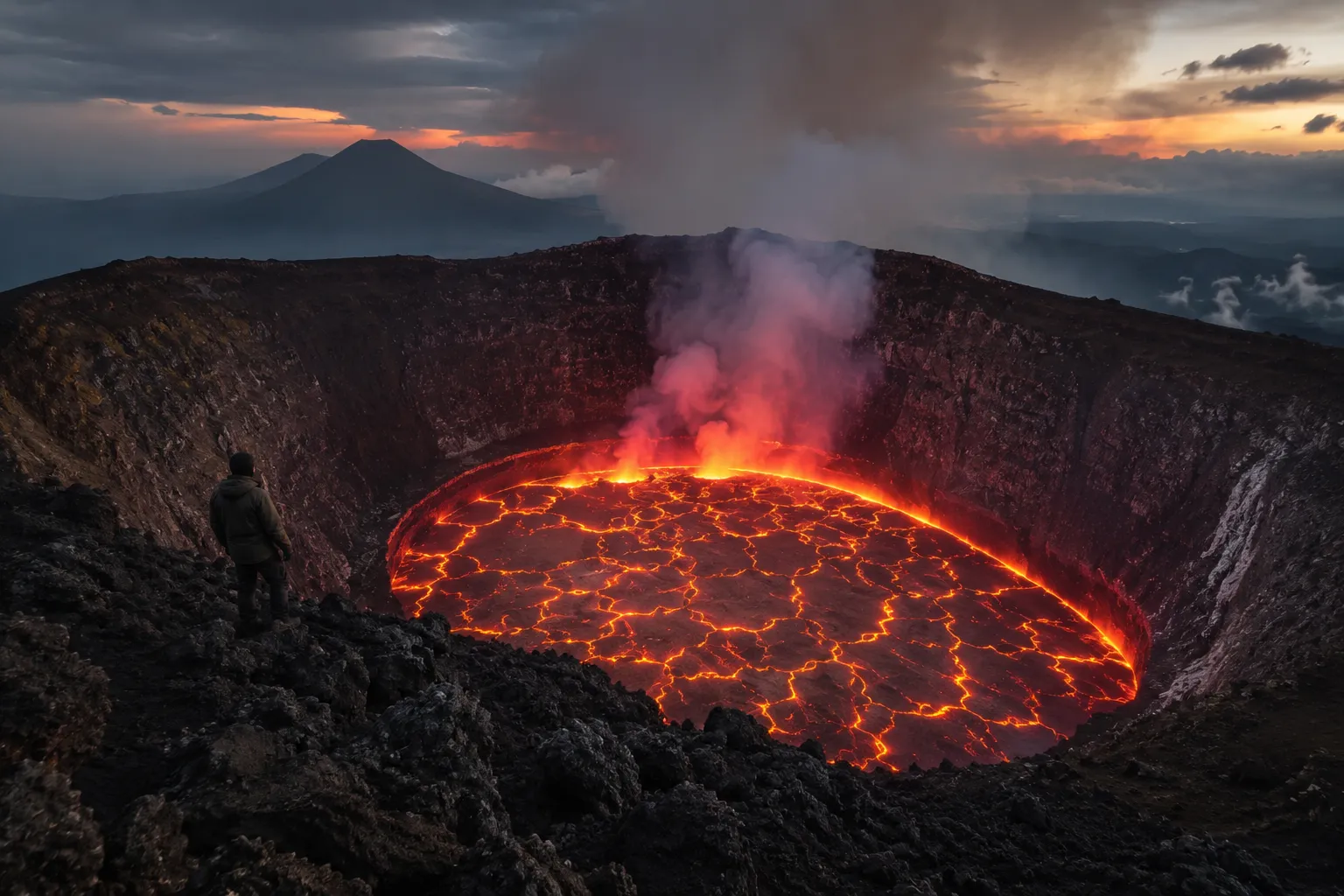
Mount Nyiragongo is among the world's most active volcanoes and contains one of the largest permanent lava lakes ever observed. Located within Virunga National Park, this towering stratovolcano rises over 3,400 meters above sea level and has fascinated volcanologists for decades.
The trek to the summit is physically demanding but achievable for reasonably fit travelers. Overnight hikers spend the evening in mountain shelters overlooking the glowing lava lake, watching molten rock churn beneath them throughout the night. Few natural spectacles rival the sight of liquid fire illuminating the darkness.
The primary risks include volcanic activity, toxic gases, unstable terrain, rapidly changing weather, and the challenging climb itself. Political instability in the wider region has also affected tourism in the past, making it essential to verify current travel advisories before planning a visit. Authorized local guides and park authorities continuously monitor volcanic conditions and only permit climbs when considered reasonably safe.
Nyiragongo's lava is unusually fluid compared to many other volcanoes. This characteristic allows lava flows to travel at remarkable speeds during eruptions, making historical events particularly destructive. Nearby communities have experienced devastating eruptions, reinforcing the importance of continuous geological monitoring.
Antarctica: The coldest continent on Earth
Antarctica represents one of humanity's last great wildernesses. No permanent civilian population exists, and the continent remains governed by international agreements dedicated primarily to science and environmental protection.
Tourists reach Antarctica almost exclusively by expedition ships departing from South America. Once there, visitors encounter towering icebergs, enormous glaciers, colonies of penguins, elephant seals, and whales swimming through freezing waters. Every landscape appears almost surreal, combining silence, endless white horizons, and crystal-clear air.
Extreme cold presents the most obvious danger, but weather changes even more dramatically. Powerful katabatic winds can exceed hurricane strength in certain regions. Hypothermia, frostbite, hidden crevasses, and rough seas during the Drake Passage crossing all require careful preparation.
Strict environmental regulations help protect Antarctica's fragile ecosystem. Visitors must disinfect boots before landings, maintain safe distances from wildlife, avoid leaving any waste behind, and follow expedition leaders at all times.
One fascinating fact is that Antarctica is technically the world's largest desert. Although covered in ice, it receives remarkably little annual precipitation, making it even drier than many famous hot deserts.
Snake Island, Brazil: An island almost nobody may enter
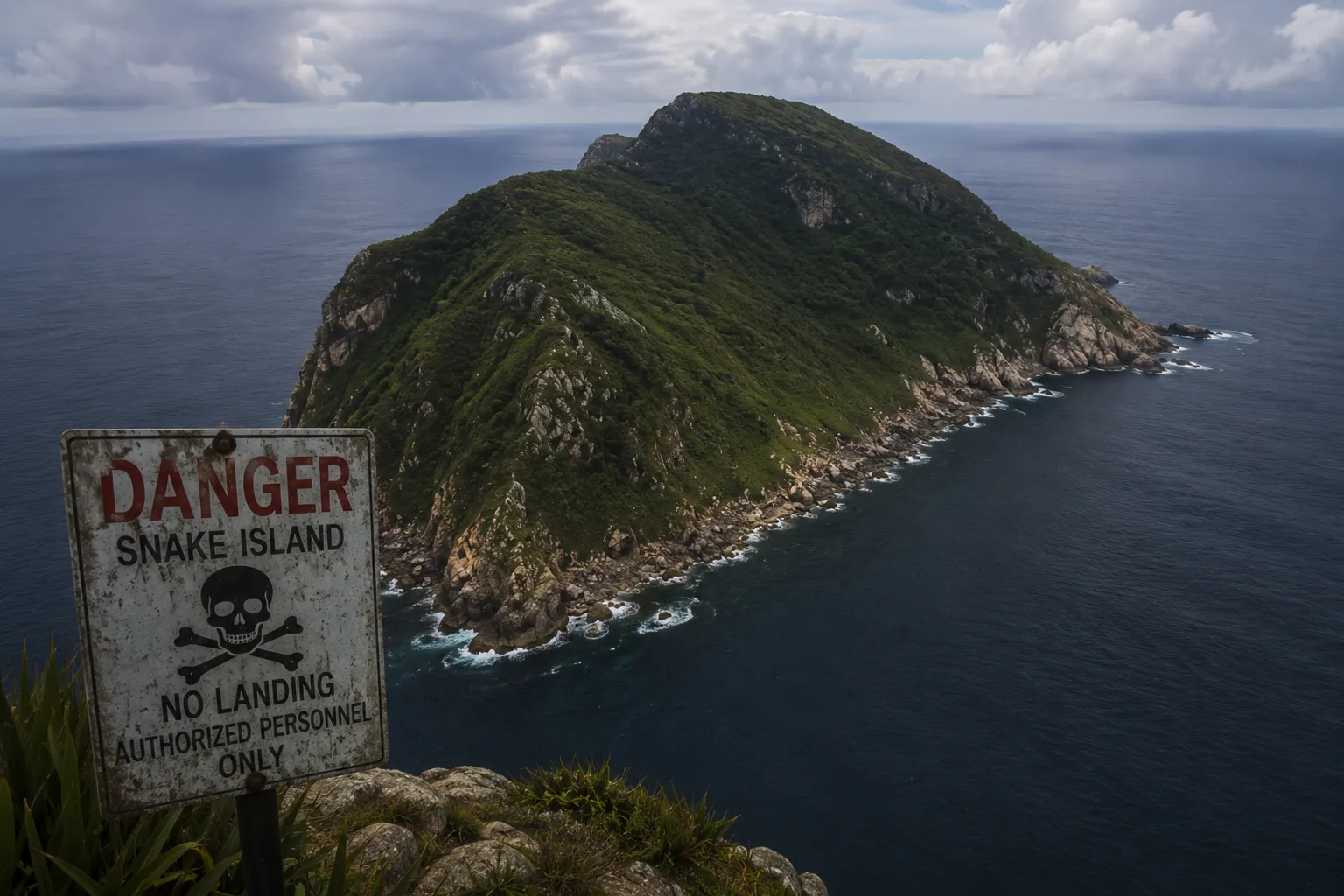
Ilha da Queimada Grande, commonly known as Snake Island, sits off Brazil's southeastern coast and is perhaps the world's most infamous snake habitat. Thousands of golden lancehead pit vipers inhabit this isolated island, having evolved there for thousands of years after rising sea levels separated it from the mainland.
Unlike most destinations on this list, ordinary tourism is generally prohibited. However, authorized scientists, researchers, documentary teams, and individuals with special government permission may legally visit under controlled circumstances. That technical legality makes Snake Island one of the world's most restricted travel destinations.
The golden lancehead possesses highly potent venom adapted to quickly immobilize birds. Because natural predators are scarce on the island, snake densities remain extraordinarily high compared to most ecosystems worldwide.
Even without widespread tourist access, Snake Island continues to captivate imaginations. Countless myths exaggerate its dangers, but the genuine scientific importance of preserving this unique species is far more compelling than the legends. Brazilian authorities maintain strict protections to safeguard both visitors and the endangered snakes themselves.
Danakil Depression, Ethiopia: A landscape from another planet
The Danakil Depression consistently ranks among Earth's harshest environments. Situated below sea level in northeastern Ethiopia, it combines intense heat, volcanic activity, colorful mineral formations, sulfur springs, salt plains, and hydrothermal fields into an unforgettable geological wonder.
Many travelers describe the area as resembling another planet. Brilliant yellow sulfur deposits, vivid green acid pools, orange mineral terraces, and smoking vents create colors rarely seen together in nature. Nearby Erta Ale volcano, famous for its lava lake, adds another dramatic highlight.
The dangers are significant. Daytime temperatures often exceed 45°C (113°F), fresh water is scarce, volcanic gases may accumulate in certain locations, and the region's remoteness complicates emergency responses. Security conditions have also varied over time, making updated local guidance essential.
Organized expeditions travel with experienced guides, support vehicles, sufficient drinking water, satellite communications, and carefully planned itineraries. Independent exploration is strongly discouraged due to both environmental and logistical challenges.
The Danakil Depression lies near the junction of three tectonic plates that continue slowly pulling apart. Scientists consider it one of the few places where observers can witness continental breakup in progress, offering a rare glimpse into Earth's geological evolution.
Svalbard, Norway: Where polar bears outnumber people
Far above the Arctic Circle lies Svalbard, a remote Norwegian archipelago known for glaciers, dramatic mountains, frozen fjords, and remarkable wildlife. It is also one of the few places where leaving settlements often requires protection against polar bears.
Longyearbyen, the largest settlement, serves as the gateway for Arctic expeditions. Visitors enjoy dog sledding, glacier hikes, snowmobiling, kayaking, wildlife photography, and opportunities to witness the Northern Lights during winter darkness or the Midnight Sun during summer.
Polar bears represent the greatest natural danger. These powerful predators roam freely across much of the archipelago, and unexpected encounters can be extremely dangerous. Local regulations therefore recommend traveling with experienced guides trained in bear safety. Many expeditions also carry specialized deterrent equipment and emergency communication devices.
Beyond wildlife, Svalbard presents additional hazards including rapidly changing weather, avalanches, sea ice, freezing temperatures, and remote rescue conditions. Nevertheless, responsible tourism operates successfully thanks to strict planning and professional guiding.
One remarkable feature of Svalbard is the Global Seed Vault, an underground facility preserving backup samples of crop seeds from around the world. Built deep inside Arctic permafrost, it acts as a safeguard for global agricultural biodiversity.
Komodo National Park, Indonesia: Home of the world's largest lizard
Indonesia's Komodo National Park protects the legendary Komodo dragon, the largest living lizard on Earth. Adult dragons can exceed three meters in length and weigh more than 70 kilograms, making them formidable predators.
Tourists visit several islands within the national park to observe these extraordinary reptiles in their natural habitat. Guided walks offer opportunities to see dragons resting beneath trees, patrolling beaches, or searching for prey across open grasslands.
Although attacks on visitors remain rare, Komodo dragons are powerful wild animals capable of sudden bursts of speed. Their bite contains bacteria and venomous compounds that can contribute to serious injuries. Rangers accompany all official hikes, carrying long forked sticks designed primarily for safely redirecting curious dragons if necessary.
The park offers much more than reptiles. Coral reefs surrounding the islands rank among the world's richest marine ecosystems, attracting divers eager to encounter manta rays, sea turtles, reef sharks, and colorful tropical fish.
An intriguing fact is that Komodo dragons possess an exceptionally sensitive sense of smell. Using their flickering tongues, they can detect carrion or prey from several kilometers away under favorable wind conditions.
The Skeleton Coast, Namibia: Beauty shaped by isolation
Stretching along Namibia's Atlantic coastline, the Skeleton Coast has long been feared by sailors. Thick fog, powerful currents, hidden reefs, and unpredictable weather caused numerous shipwrecks over the centuries, leaving scattered remains along remote beaches.
Today, adventurous tourists can legally explore sections of this haunting coastline through guided tours, scenic flights, and carefully planned overland expeditions. The contrast between towering sand dunes and crashing ocean waves creates one of Africa's most dramatic landscapes.
The environment remains unforgiving. Water sources are scarce, distances are enormous, and mechanical failures can become serious emergencies due to the region's isolation. Wildlife such as lions adapted to desert conditions, brown hyenas, elephants, and Cape fur seals also inhabit parts of the area.
Despite these challenges, the Skeleton Coast demonstrates nature's remarkable resilience. Plants survive by harvesting moisture from coastal fog, while numerous animal species have evolved extraordinary adaptations to life in one of the world's driest regions.
Photographers especially appreciate the haunting atmosphere created by abandoned wrecks emerging from misty beaches. The landscape feels timeless, reminding visitors how quickly human ambition can be humbled by the forces of nature.
Adventure begins with respect
Dangerous destinations capture our imagination because they reveal the extraordinary power of the natural world. Whether standing beside an active volcano, crossing an Antarctic glacier, trekking through blistering deserts, or observing giant reptiles in the wild, these places offer experiences impossible to replicate elsewhere.
Yet their greatest lesson extends beyond adventure itself. Every successful journey depends on preparation, patience, and respect for local expertise. Professional guides, scientific monitoring, environmental regulations, and personal responsibility transform potentially hazardous landscapes into destinations that can be explored safely and legally.
The world's most dangerous places are rarely dangerous simply because they exist. They become hazardous when travelers ignore warnings, underestimate conditions, or pursue unnecessary risks. Those who approach these remarkable destinations with humility often discover not only breathtaking scenery but also a deeper appreciation for the remarkable diversity and power of our planet. As climate, geology, and wildlife continue shaping these extraordinary landscapes, they remain among the last frontiers where adventure still feels genuinely wild.




















Responses (0)
Sign in to share your thoughts.
Sign in