
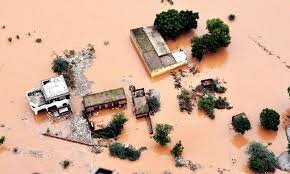
Sialkot, a city in Pakistan's Punjab province, has been severely affected by recent floods, highlighting the country's vulnerability to *natural disasters*. The *flood in Sialkot* has caused widespread destruction, displacing thousands of people and causing significant economic losses. This article will explore the impact of the *flood in Pakistan*, the response efforts, and the importance of *flood warning* systems.
*Causes of the Flood*
The *flood in Sialkot* was caused by heavy monsoon rains, which overwhelmed the city's drainage system and nearby rivers. The *natural disaster* has highlighted the need for improved infrastructure and emergency preparedness in Pakistan.
*Impact of the Flood*
The *flood in Pakistan* has had a devastating impact on Sialkot, with thousands of homes destroyed or damaged. The city's agricultural sector has also been severely affected, with crops destroyed and livestock killed. The *flood warning* systems in place were unable to mitigate the impact of the disaster, highlighting the need for improved early warning systems.
*Response Efforts*
The Pakistani government and international organizations have launched a massive relief operation to support those affected by the *flood in Sialkot*. Rescue teams, food, and medical supplies have been deployed to the affected areas. The response efforts are focused on providing emergency assistance to those in need and helping communities recover from the *natural disaster*.
*Importance of Flood Warning Systems*
The *flood warning* systems in Pakistan need to be improved to prevent similar disasters in the future. Early warning systems can help evacuate people and livestock, reducing the impact of the *flood in Pakistan*. The government and international organizations must work together to develop and implement effective *flood warning* systems.
*Conclusion*
The *flood in Sialkot* is a stark reminder of Pakistan's vulnerability to *natural disasters*. The government and international organizations must work together to develop and implement effective *flood warning* systems and improve infrastructure to mitigate the impact of future floods. By doing so, we can reduce the risk of *flood in Pakistan* and save lives.
*Recommendations*
- Improve infrastructure to prevent flooding
- Develop and implement effective *flood warning* systems
- Provide emergency preparedness training to communities
- Support relief efforts and provide assistance to affected communities
By taking these steps, we can reduce the impact of *flood in Pakistan* and help communities recover from the devastating effects of *natural disasters*.






















Responses (0)
Sign in to share your thoughts.
Sign in