
Introduction
Politics in 2026 looks very different from 10 years ago. The biggest reason is social media. Platforms like X, Instagram, TikTok, and YouTube now decide how people learn about elections, leaders, and policies. This article explains how social media is changing politics and what it means for voters.
Direct Access to Leaders
In the past, voters saw politicians only on TV or in rallies. Now leaders post daily updates on social media. They share speeches, answer questions in comments, and do live streams. This makes politics more direct. Voters feel closer to their leaders.
Faster News During Elections
Election results, debates, and scandals spread in seconds. When a candidate makes a speech, clips go viral within minutes. This helps people stay informed. But it also means misinformation spreads just as fast.
Social Media Campaigns
Political parties now spend most of their budget on online ads. Short videos work best. A 30 second TikTok can reach millions of young voters. Influencers also support candidates and explain policies in simple language.
The Rise of Youth Politics
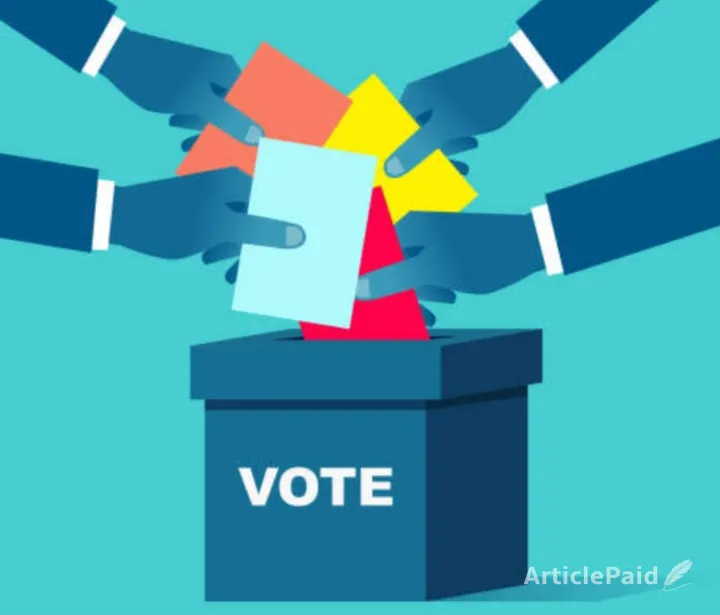
Young people are the most active on social media. Because of this, youth issues get more attention. Hashtags like #ClimateAction and #StudentDebt bring problems to national news. Politicians now create policies to appeal to online voters.
The Problem of Fake News
Fake news is the biggest challenge. Edited videos and false claims can change opinions. In 2025, several elections were affected by AI-generated videos. Platforms now add fact-check labels. But voters must also check sources before sharing.
Echo Chambers and Polarization
Social media algorithms show people content they already agree with. This creates echo chambers. People in different groups see different news. This makes political debate harder and increases division.
Live Debates and Q&A
Many candidates now do live Q&A sessions. Voters ask questions directly. This is more honest than scripted TV interviews. But it also means one mistake can go viral and damage a campaign.
Data and Targeted Ads
Parties use data to send targeted ads. If you are a student, you see ads about education. If you care about climate, you see green policies. This makes campaigns more effective but also raises privacy concerns.
The Future of Political Communication
By 2030, most political communication will happen online. Virtual rallies and AI chatbots may answer voter questions. But trust will be the biggest issue. People will need to know if information is real or AI-generated.
How Voters Can Stay Smart
Check 2 to 3 sources before believing news. Follow official pages of candidates. Do not share posts without reading them. Report fake news. Use social media to learn, but also read articles and watch full debates.
Conclusion
Social media has made politics faster, more direct, and more personal in 2026. It gives power to voters and youth. But it also spreads fake news and division. The key is to use social media wisely and stay informed from multiple sources.
Summary
This article explains how social media changes politics through direct communication, fast news, and youth participation. It also covers fake news and how voters can stay smart in 2026.















Responses (1)
Sign in to share your thoughts.
Sign in