How to Get European Nationality Fast and easy way
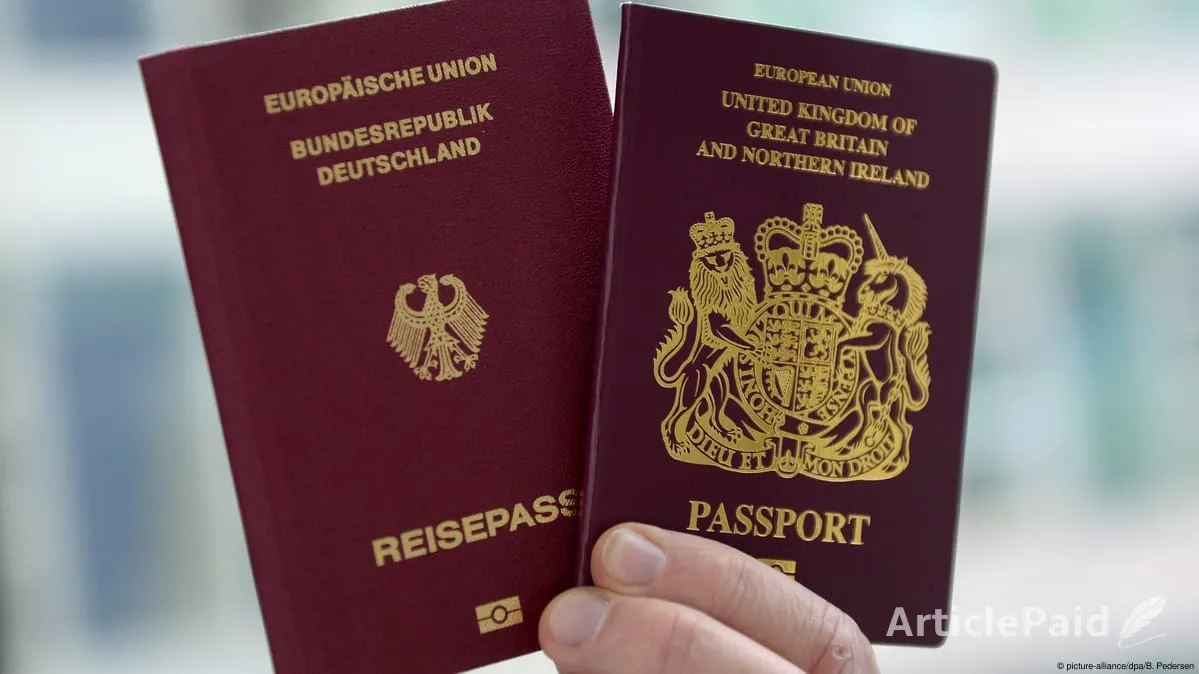
European nationality (also called EU citizenship) means you become a citizen of one European Union country. With it, you

In this article 11 sections
European nationality (also called EU citizenship) means you become a citizen of one European Union country. With it, you can live, work, study, and travel freely in all EU member states without needing extra visas.
Many people search for the fastest way to get it. The truth is simple: there is no single fast route that works for everyone. The best path depends on your family background, nationality, and whether you can live in Europe.
Rules are different in each country and can change. Always check official government websites or speak with a qualified immigration lawyer before applying.
Main Ways to Get European Nationality
1. Citizenship by Descent (Through Family)
This is often the fastest and easiest option if you qualify.
If your parents, grandparents, or sometimes great-grandparents were citizens of an EU country, you may be able to claim citizenship by descent. In many cases, you do not need to live in the country first.
Popular countries for ancestry-based citizenship:
- Italy – No generation limit in many cases (jurisdiction still applies)
- Ireland – Grandparent rule is well-known
- Poland – Possible through parents or grandparents in certain situations
- Romania – Available for people with Romanian ancestry
- Hungary, Lithuania, Latvia, and others – Also offer ancestry routes
You will need official family documents (birth certificates, marriage certificates, old passports, etc.). The process usually takes 1 to 3 years, depending on the country and how complete your paperwork is.
Tip: Start with ancestry research. This route is usually cheaper and faster than living in a country for many years.
2. Citizenship by Naturalization (Living in the Country)
If you do not have European ancestors, the most common path is to live legally in an EU country and later apply for citizenship.
Typical requirements include:
- Legal residence for a set number of years (usually 5–10)
- Clean criminal record
- Proof that you can support yourself financially
- Language and/or civic knowledge test in many countries
Most EU countries require 5 to 10 years of continuous legal residence. Some countries offer shorter periods for special groups (refugees, people from former colonies, etc.).
3. Citizenship Through Marriage
Marrying a citizen of an EU country often shortens the waiting time.
Examples:
- Spain: 1 year of marriage + residence
- Portugal: Usually 3 years
- Italy: 2 years if living in Italy, 3 years if living abroad
- Other countries: generally 2–3 years
Marriage alone is not enough. You still need legal residence, a clean record, and in most cases a language or integration test.
Which Countries Are Faster?
Here are some of the more practical options people consider:
Spain
- Standard rule: 10 years of residence
- Reduced to 2 years for citizens of Latin American countries, the Philippines, Andorra, Portugal, Equatorial Guinea, and Sephardic Jews
- Marriage route: 1 year
Spain is one of the fastest realistic options for people from Latin America.
Ireland
- 5 years of reckonable residence
- No formal language test
- English is the main language
Ireland is practical for English speakers and people who can live and work there.
Portugal
Portugal used to be popular with a 5-year rule. The law has become stricter. Most applicants now need longer residence (generally closer to 5–10 years depending on the situation). Always verify the current rules.
Other Notes
- Some countries (such as Poland or certain Baltic states) can be faster in special ancestry or repatriation cases.
- Golden Visas / buying citizenship through investment are no longer available in the EU. Older programmes have ended or been heavily restricted.
Important Things to Know
- You almost always need legal residence first (visa or residence permit).
- You must show good character and the ability to support yourself.
- Dual citizenship is allowed in many EU countries (Spain has restrictions in some cases, while Ireland, Portugal, France, and others are more flexible).
- The process costs money (documents, translations, legal fees) and takes time.
- Rules change. What is true today may be different next year.
Best Advice
There is no universal “fast” method. The quickest path usually depends on these factors:
- Do you have European ancestors? → Check citizenship by descent first.
- Are you from a Latin American country? → Spain’s 2-year rule is often attractive.
- Can you live and work in Europe? → Ireland or other 5-year countries may work.
- Are you marrying an EU citizen? → The marriage route can be the shortest.
Recommended first step:
Research your family history. If that does not work, compare residence and marriage routes in Spain and Ireland.
This article gives general information only. Immigration rules are complex and personal. For your specific situation, consult an immigration lawyer or the official embassy/consulate of the country you are interested in.















Responses (0)