
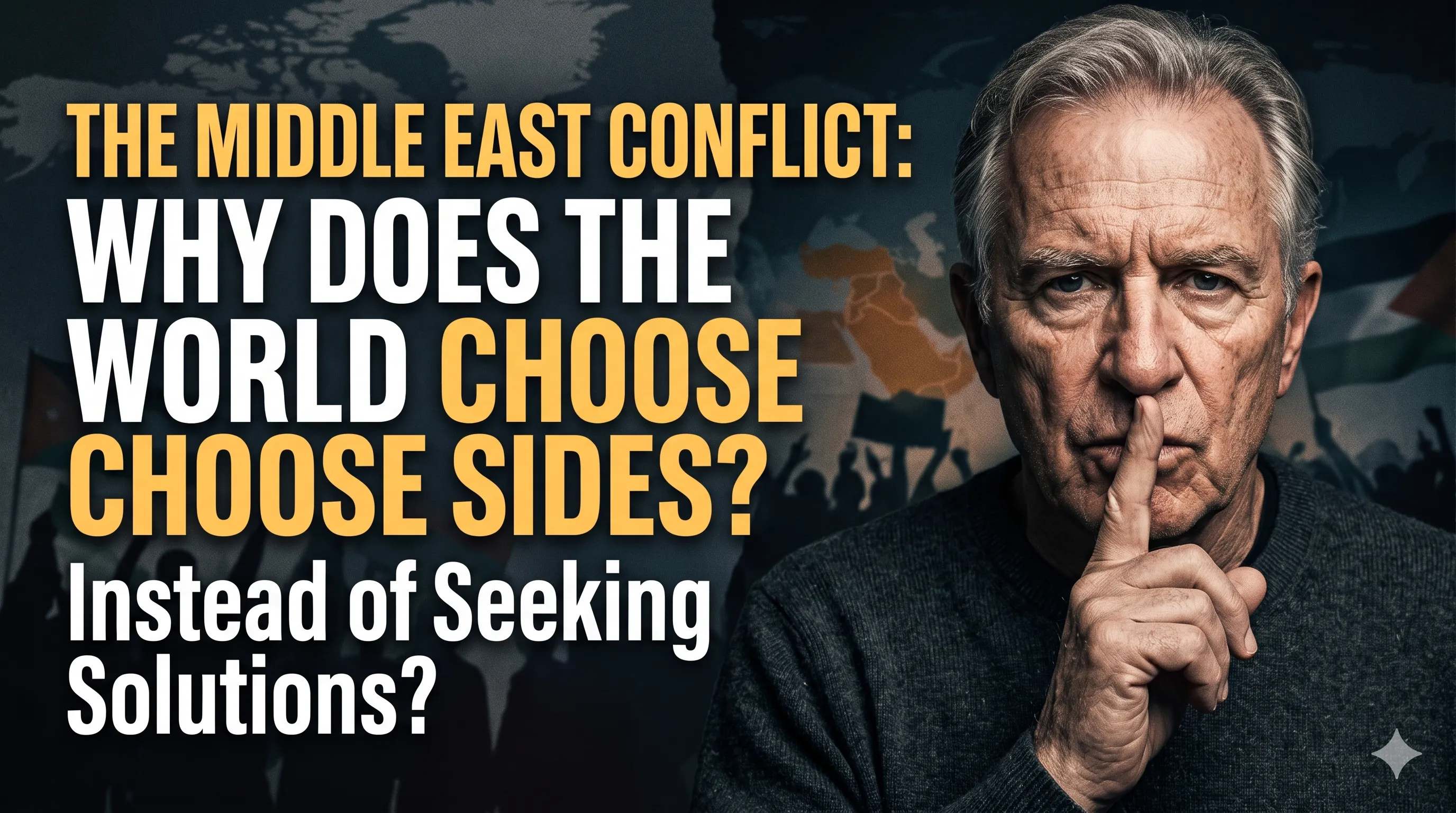
The Allure of the Binary
Human nature craves simplicity. In a chaotic world, choosing a side offers clarity, moral certainty, and a sense of belonging. Support Israel as a beacon of democracy and self-defense against existential threats. Back the Palestinian cause as a righteous struggle against occupation and dispossession. These narratives are compelling, polished by decades of diplomacy, media framing, and historical grievances. They rally domestic audiences, secure votes, and justify arms shipments.The Costs of Partisanship
What Seeking Solutions Actually Requires
True problem-solving demands uncomfortable pragmatism over performative solidarity:
- Acknowledge complexity: Recognize legitimate security concerns for Israel alongside the legitimate aspirations and suffering of Palestinians. Neither erases the other.
- Prioritize civilians: Demand accountability for war crimes and terrorism from all parties, without selective blindness.
- Invest in diplomacy, not just deterrence: Support mediators who are not beholden to one bloc. Economic incentives, people-to-people exchanges, and governance reforms matter more than endless resolutions.
- Reject zero-sum geopolitics: External powers must resist the temptation to use the Middle East as a chessboard. China, Russia, the US, and regional players all have stakes in stability—energy flows, migration, radicalization—that transcend alliances.
Beyond Sides: A Humanist Imperative
The Middle East’s peoples—Jews, Arabs, Muslims, Christians, Druze, and others share more than history’s divides suggest. They share a cradle of civilization, dreams of prosperity, and the universal desire for their children to live without fear. The world’s obsession with sides dishonors that shared humanity.
Choosing sides feels righteous. Seeking solutions feels harder, slower, less cathartic. Yet only the latter breaks cycles. History judges not by who shouted loudest or armed the fiercest, but by who helped build something durable from the ashes.
The conflict will not resolve itself through global polarization. It requires voices that refuse the false comfort of camps and instead insist on pragmatic paths forward—however imperfect, however incremental. Until then, the world’s selective outrage ensures that the Middle East remains defined by what it loses, rather than what it could become.
The choice is ours: spectators in endless tragedy, or reluctant architects of something better.
More from ArticlePaid
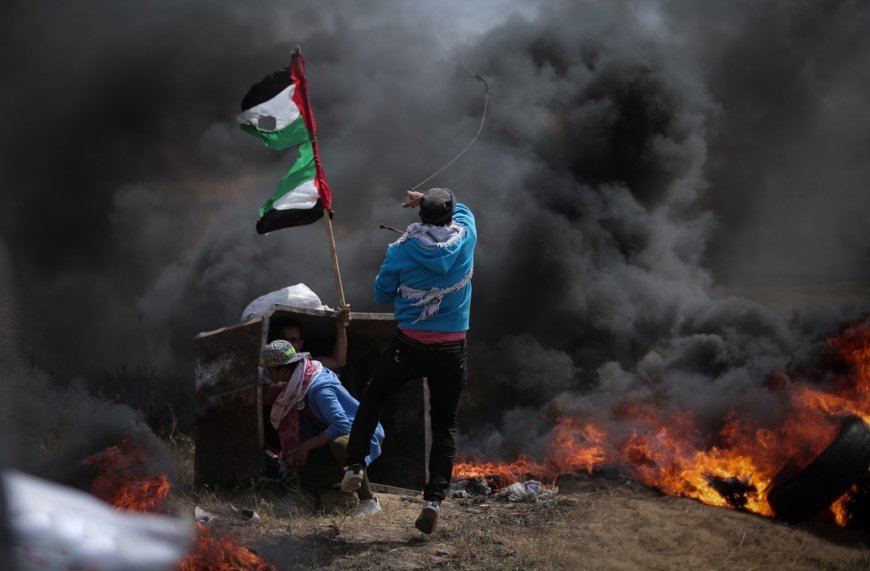
Gaza release deal has to happen now, hostage's mother says
Gaza release deal has to happen now, hostage's mother says
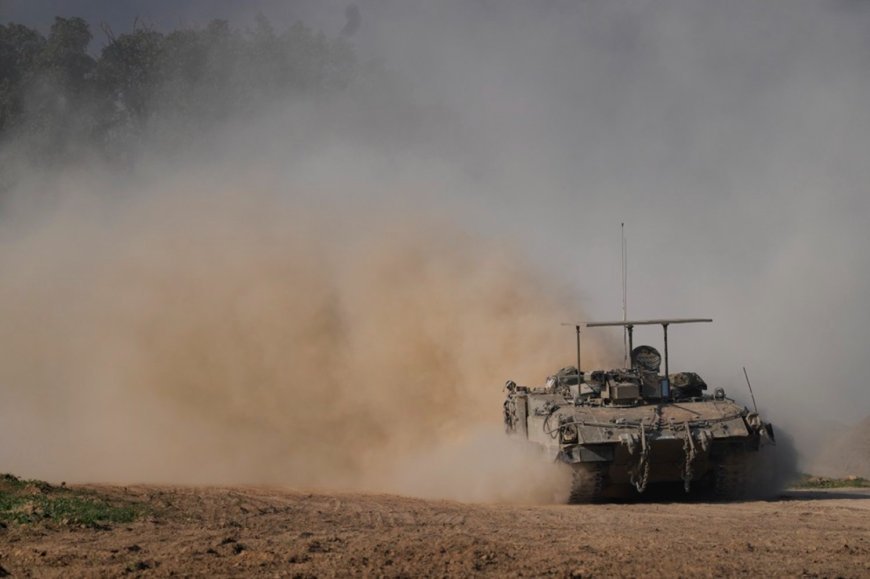
Tanks Advance to Rafah Center Amid Escalating Attacks and Israel's Deepening Isolation
In a significant turn of events, Israeli tanks have reportedly advanced into the heart of Rafah, a city located in the southern part of the Gaza Strip123. This marks the first time that such a development has occurred, and it comes amidst a ground operation that has been ongoing for three weeks
Donald Trump’s Wealth, Business Empire, and Ventures
A detailed look at Donald Trump’s net worth, sprawling business empire, and how his ventures have evolved
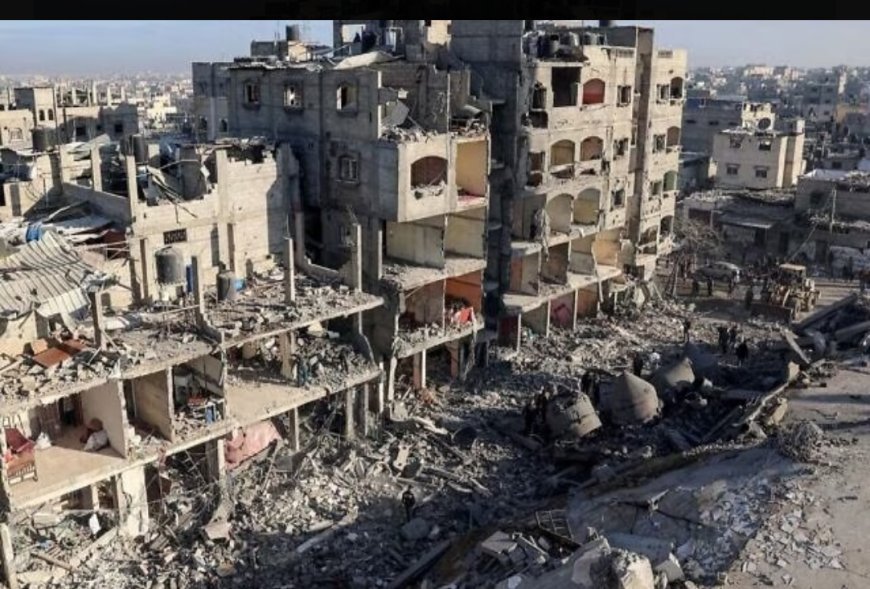
Wny Hamas says Gaza truce talks must be based on Biden plan
Hamas says Gaza truce talks must be based on Biden plan

How Can Ukrainians and Russians Still Be Friends in 2025? A Deep Dive Q&A"
Can Ukrainians and Russians Still Be Friends in 2025? A Deep Dive Q&A" Since the full-scale invasion of Ukraine began in February 2022, the relationship between Ukrainians and Russians has faced immense challenges. The war has altered identities, separated families, and created a significant geopolitical divide that seems daunting to overcome. Yet, even in the midst of conflict, questions emerge about the potential for friendship, reconciliation, and human connection. In 2025, can Ukrainians and Russians still foster friendships?
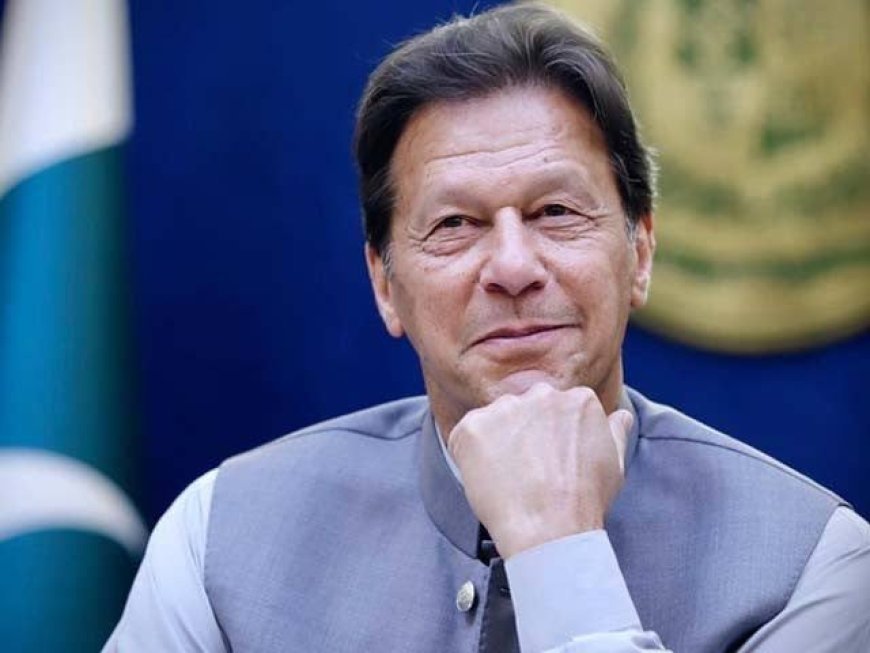
Untold Journey Of Imran Khan!!
A Journey Of Famous Cricketer Of Pakistan Imran Khan..
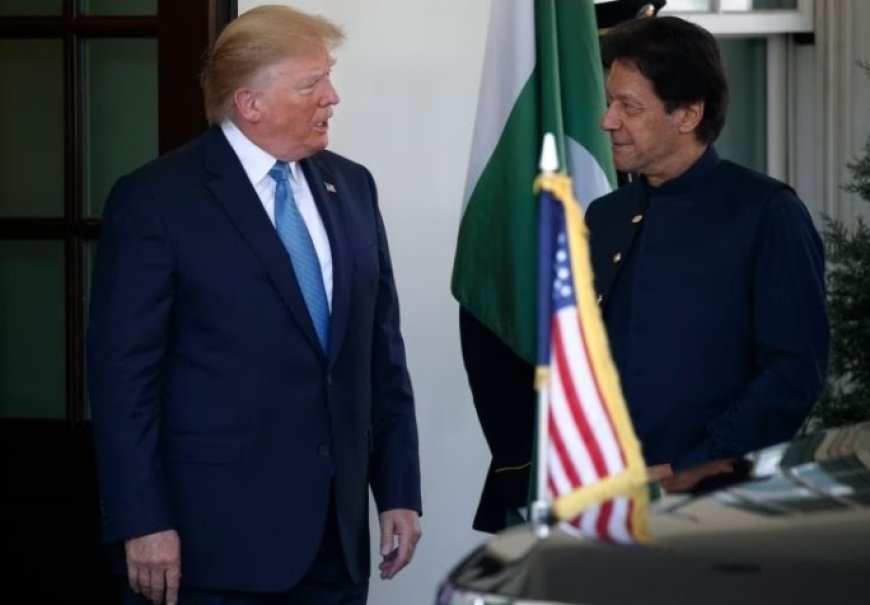
Evaluating Trump’s Influence on U.S. Cyber Command
Trump’s anticipated return to office could reshape U.S. cyber policy, emphasizing offense and operational flexibility for USCYBERCOM, with significant implications for global stability.
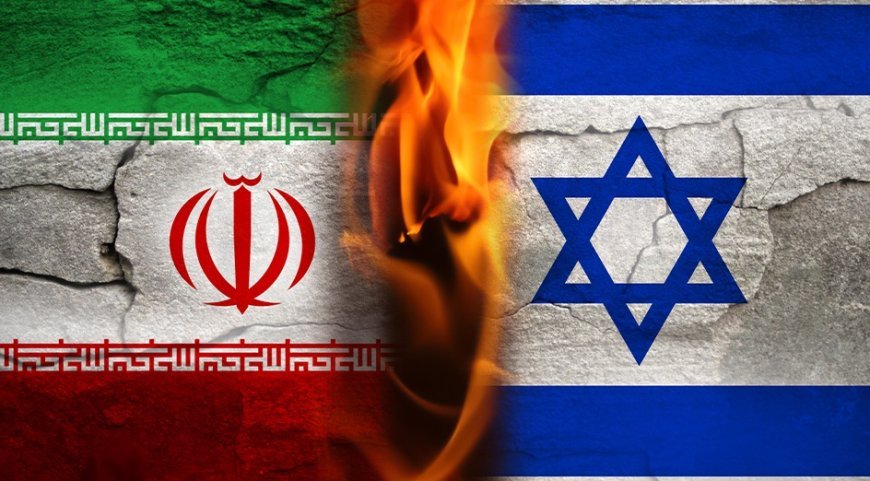
What is actually happening in Iran vs Israel
A powerful article exploring the current Israel-Iran war from Iran’s perspective — highlighting Iranian resilience, the human cost, and the global stakes of this escalating conflict.
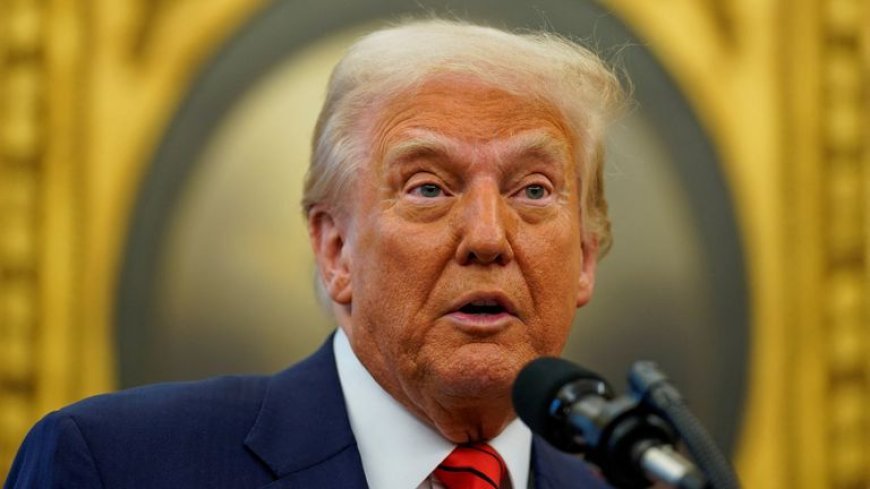
Donald Trump’s Impact on the Republican Party
Explore how Donald Trump has reshaped the Republican Party at every stage—past, present, and future—and what it means for American politics.
Weekly Top Articles

Best AI Tools in 2026: 10 Tools That Make Everyday Work Easier
Artificial intelligence has become a practical part of everyday work in 2026. From writing and research to graphic design, coding,...

10 Future-Ready Courses Writers Should Consider in 2027
The Concept of Writing Skills Has Changed The role of a great writer is no longer about putting words together to form a good...

Money and Peace Together: 5 Hobbies That Can Earn You Extra Income Today
IntroductionIt is no secret that a person’s leisure time is often limited due to the ongoing hustle for money. However, in some ca...

Creamy Garlic Butter Chicken: A Weeknight Dinner Worth Repeating
Every so often, a dish takes over your social feed and you wonder if it's really that good. This one is. Tender chicken sits in a ...

Top 10 Online Courses to Learn in 2026 for a Successful Future Career
IntroductionThe online courses market is on the rise in 2026, and there are plenty of options suitable for students, job seekers. ...

7 AI Skills Paying $100 Daily In 2026 (No Degree Required)
IntroductionThe world of Artificial Intelligence is booming, offering unprecedented opportunities to make a living and build a sus...








Responses (0)
Sign in to share your thoughts.
Sign in