How to Overcome the Urge to Rely on Others and Build True Emotional Independence


Many of us long for someone we can lean on when life feels overwhelming. Needing support is completely human, yet when the urge to depend on others turns into a constant psychological craving, it can hold back our growth and rob us of inner strength. Breaking free from over-reliance does not mean cutting ourselves off from connection. It means building the inner stability to trust our own judgment, fill our own cup, and take ownership of our lives. Below are practical ways to overcome that impulse and grow into greater emotional independence.
1.Build Independent Thinking and Let Go of Emotional Dependency
Have you ever frozen up when facing a choice, automatically turning to family or friends to make the call for you? Or felt defeated by setbacks, wishing someone else could sort everything out for you? It is normal to want support during hard times, but if you cannot shake this mindset, it becomes difficult to mature.
Often, the desire to lean on others stems from a lack of self-confidence. To curb this urge, start by gaining a clear understanding of your needs and capabilities: What do I truly want? What am I good at? What am I capable of doing to reach my goals? Knowing yourself keeps you from blindly following what everyone else does.

Whether you are picking small daily options or deciding on big life paths, pause first and try to make decisions and draw up plans on your own. Seek advice from others only when you recognize that you can genuinely benefit from their past experience.
Do not fear making wrong choices. Life itself is a process of trial and error. Only by accepting the consequences of your decisions can you gradually release psychological dependence and gain the confidence to stand on your own two feet.
2.Nurture Hobbies to Enrich Your Inner World
When your inner life feels empty, you may rely on outside sources for emotional comfort, craving reassurance from others and treating another person as your emotional anchor. Cultivating hobbies is a wonderful remedy for this kind of mental dependency.
Your hobbies do not need to serve a practical, goal-driven purpose. Oftentimes, those seemingly “useless” passions fill the empty spaces inside us. Reading, writing, tending plants, exercising, baking, listening to music — when you immerse yourself in something you love, you stop obsessing over what other people think. You will no longer spiral into anxiety or self-doubt based on how others treat you.
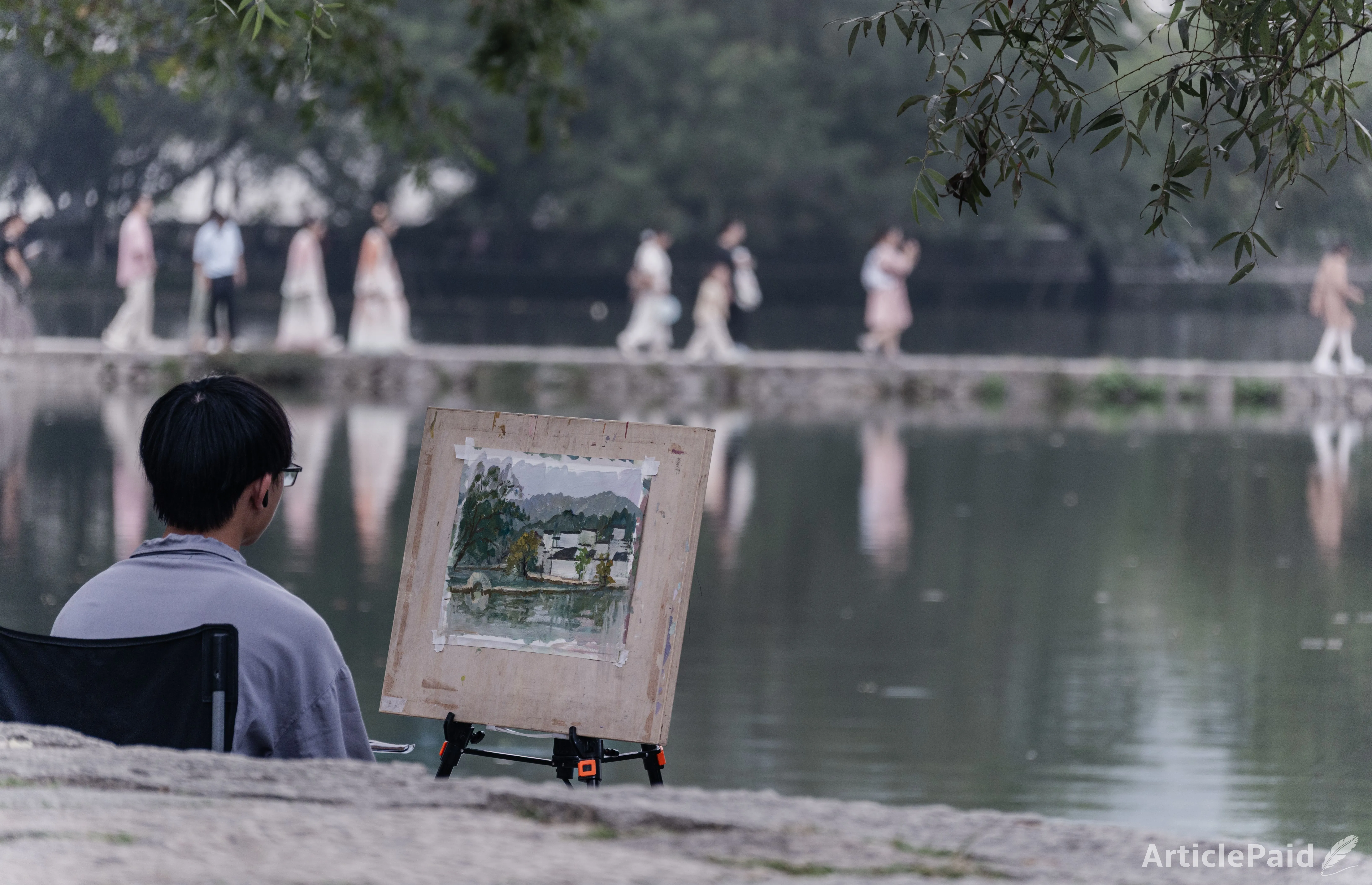
Try exploring different lifestyles and discovering joys that belong only to you. When you have things you are passionate about, a restless mind grows calm and steady. Your happiness no longer rises and falls based on other people. You will realize you do not need to rely heavily on anyone else; you are fully capable of creating your own joy.
3.Plan Your Time Wisely and Take Charge of Your Rhythm
A life without direction easily breeds dependency. Without clear goals, we get lost and instinctively attach ourselves to those around us, falling into their pace instead of our own. Learning to schedule your time and control your routine is key to breaking this cycle.
Set clear plans for work and daily life, and make good use of small pockets of time. Lay out simple tasks to finish each day and each week. Celebrate these small wins to keep yourself motivated and give your days purpose. Once you have your own steady rhythm, you will stop waiting around for others to guide or arrange things for you.

Stick to the cycle of planning, executing, reviewing and adjusting. Running your life smoothly brings steady feelings of achievement. Slowly, you will deeply believe this truth: you hold the reins of your own life.
That said, overcoming dependency does not mean shutting everyone out and forcing yourself to handle everything alone. True independence means you have the strength to walk alone, plus the wisdom to ask for help appropriately. When facing troubles you truly cannot solve by yourself, there is no shame in reaching out, sharing your struggles, and accepting support. This balanced way of living is where true clarity lies.









Responses (0)