Meals that keep you full longer without counting calories,

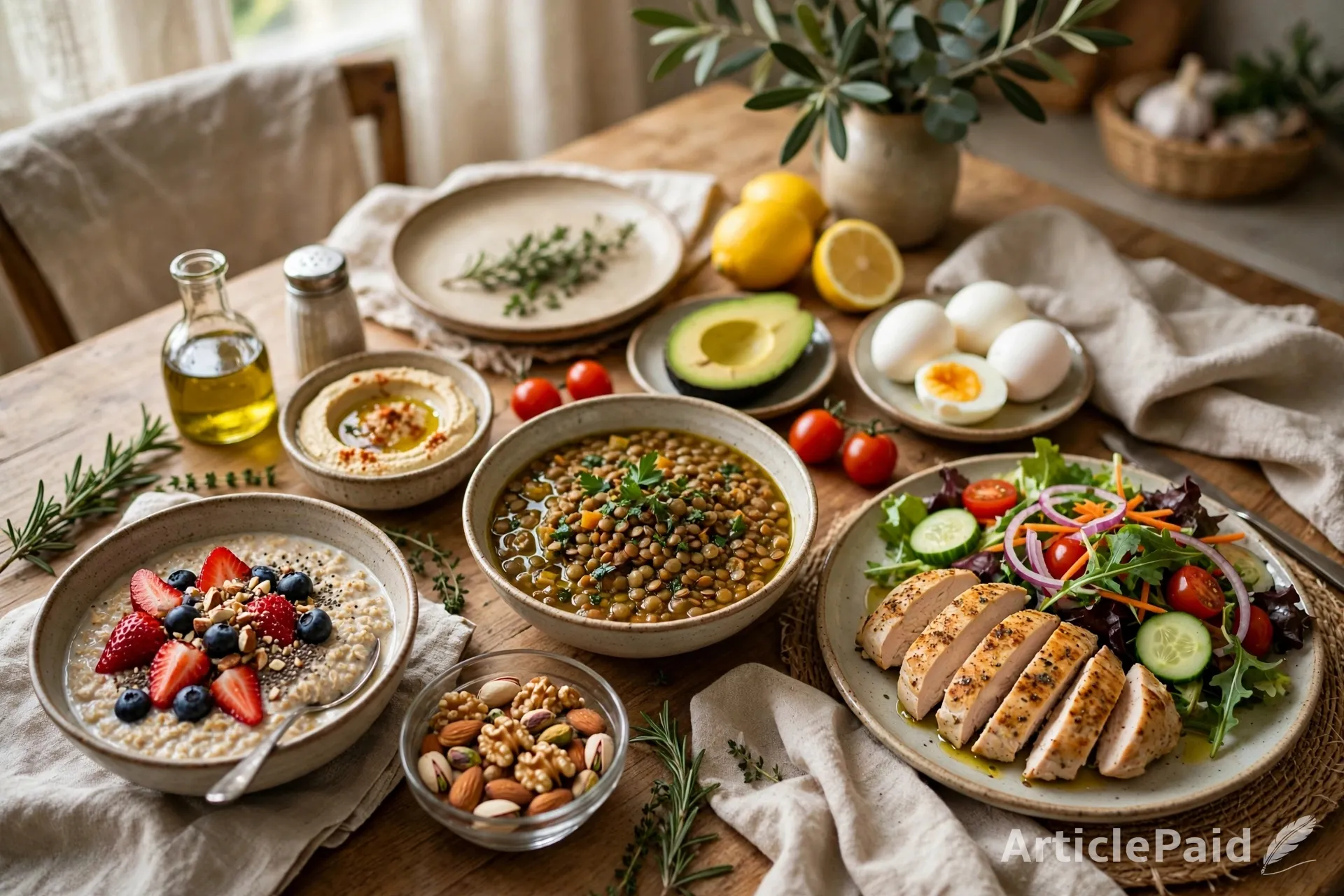
You don’t have to go on a strict diet or count calories to eat healthily. One of the easiest ways to improve your eating habits is to eat foods that will keep you feeling full for longer. A balance of nutrients will help stop you from feeling hungry throughout the day.
Many people will get hungry soon after eating because their meal contains too many refined carbohydrates, but not enough protein, fiber and healthy fats. Small changes can make a big difference. Choosing meals that contain lots of nutritious ingredients will help you enjoy satisfying meals.
1. Eat A High Protein Breakfast
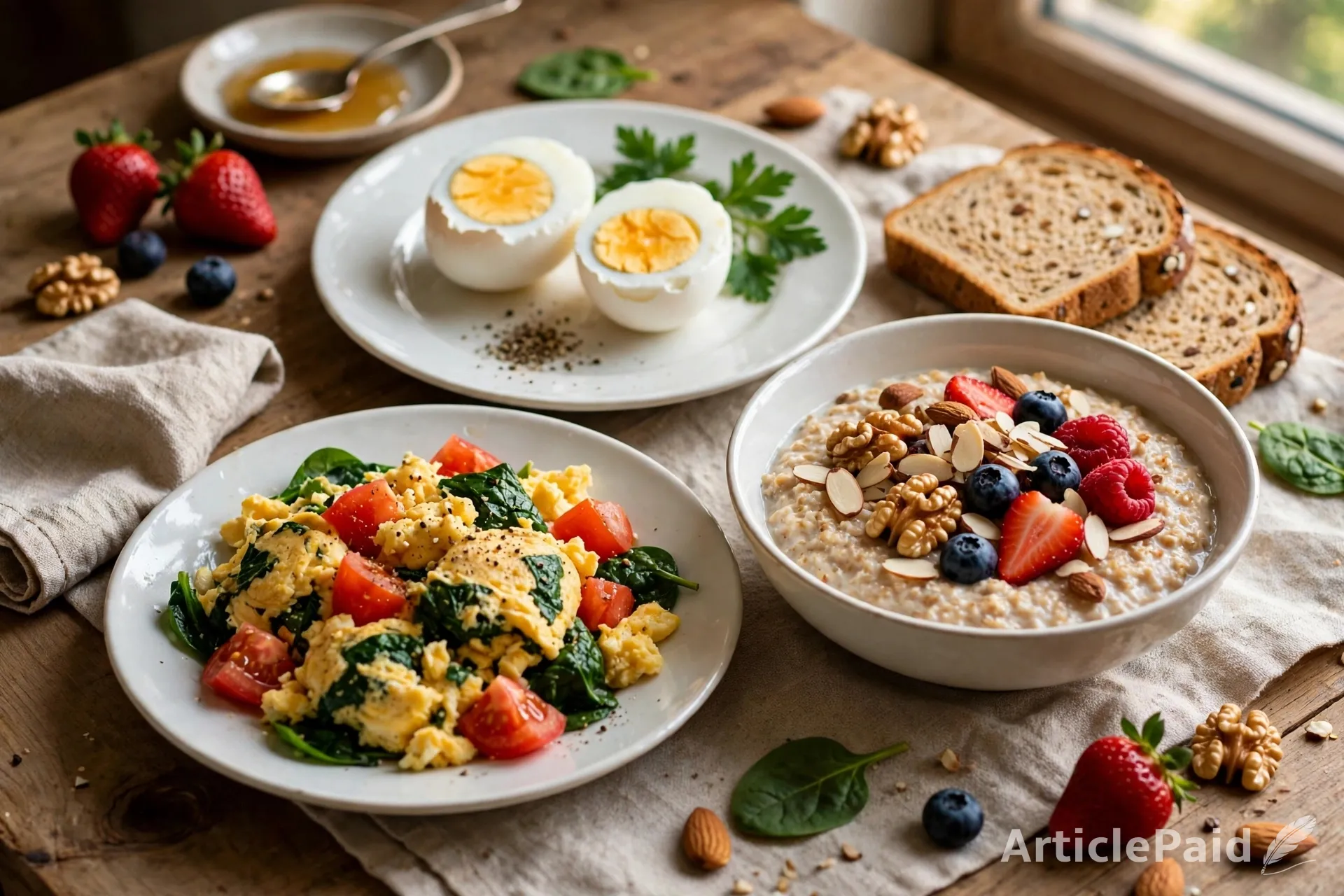
Your breakfast will help you feel more energised and satisfied throughout the morning. Don’t reach for sugary breakfast cereals, pastries or sugary drinks. Instead, look for high-protein foods.
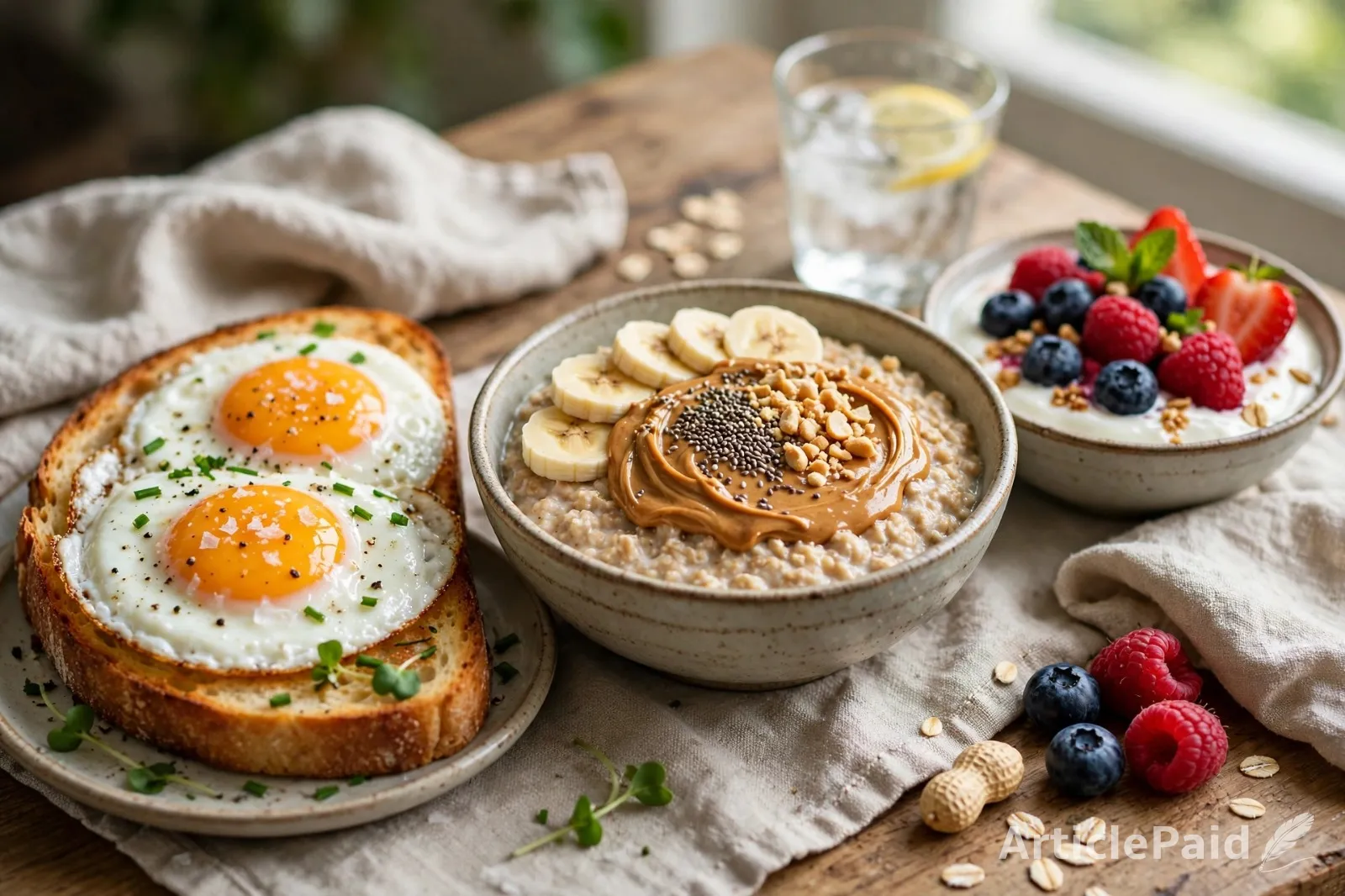
Eggs are a great option. They contain high quality protein. You could have boiled eggs, scrambled eggs with veg or an omelette with spinach, tomatoes and onions. Pairing them with wholegrain bread will add to the satisfaction.
Oatmeal with nuts, seeds and fresh fruit is another great option. Oats contain soluble fibre which means they absorb water and form a gel-like substance during digestion. This helps keep you feeling full.
A balanced breakfast doesn’t have to be complicated. Using simple ingredients will give you more energy and help stop you from becoming unnecessarily hungry.
2. Increase Fibre In Your Meals
One of the most important nutrients to help keep you feeling full is fibre. Foods high in fibre usually take longer to digest.
Fruits, vegetables, beans, lentils and wholegrains are all great sources of fibre. Try to incorporate them into your meals.
Instead of having white rice with a small amount of curry, why not add a large portion of lentils or vegetables? Cucumbers, carrots, lettuce and tomatoes can all be added to your sandwiches and lunches.
Apples, oranges, pears and berries are all great snacks. Whole fruits will help keep you feeling more satisfied than fruit juice as they contain natural fibre.
Trying to add fibre to your diet will help you feel more satisfied between meals.
3. Eat High Protein Foods
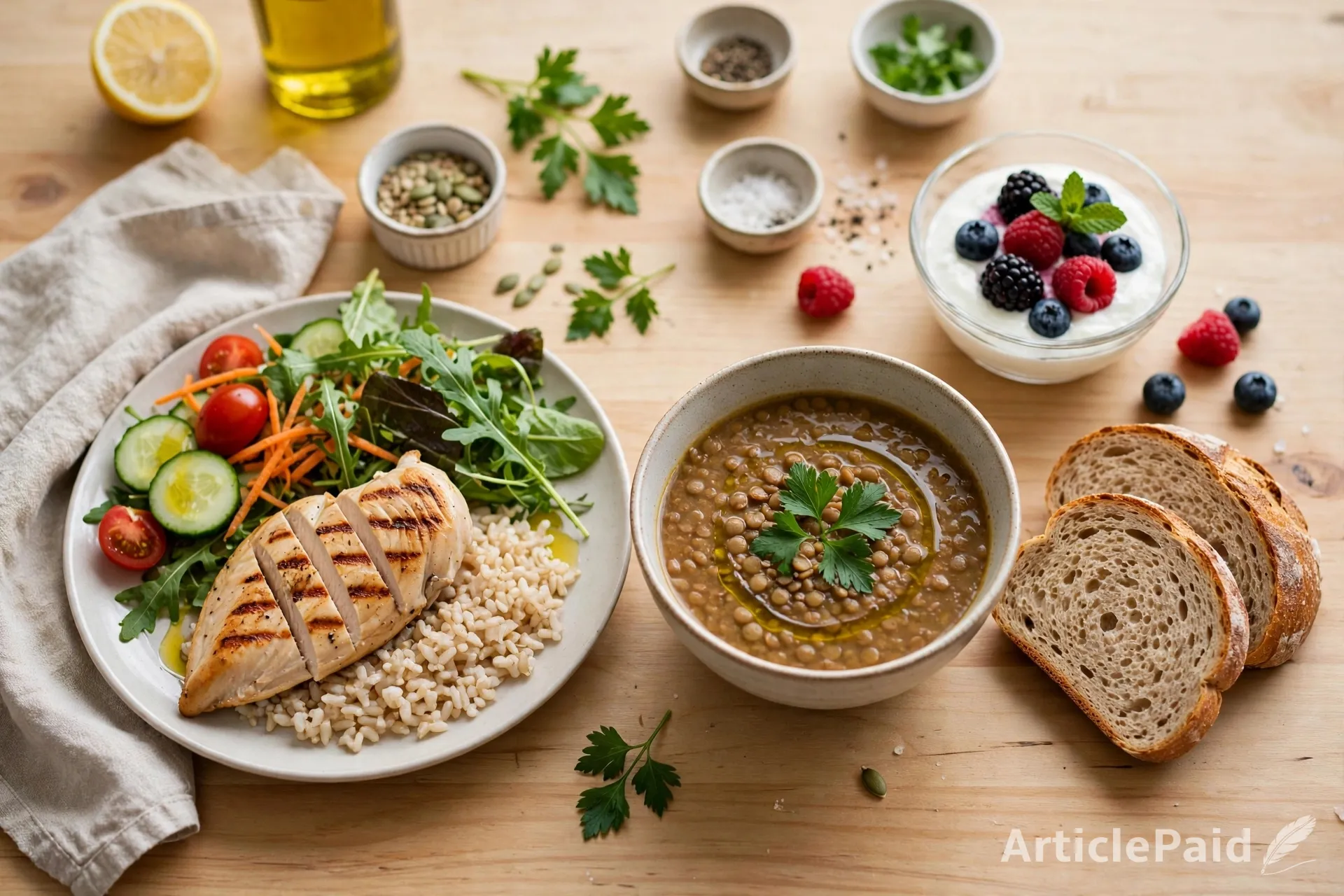
Protein is essential for building and repairing tissue in your body. It helps your muscles and is needed for several important bodily functions. Protein can help regulate your appetite.
There are plenty of affordable options to add protein to your meals. Chicken, fish, eggs, yoghurt, milk, beans, chickpeas and lentils will all help.
At lunch you could have grilled chicken with brown rice and a vegetable salad. If you’re looking for more of a vegetarian option then lentil soup with wholegrain bread will be just as satisfying.
Greek yoghurt is a great option. Have it with fresh fruit, nuts or a small amount of seeds. This will give you protein, fibre and healthy fats.
Ensure that your main meals contain a source of protein.
4. Don’t Avoid Healthy Fats
Some people think the best way to eat healthily is to avoid all fats. But healthy fats are important for your body to function normally and can help keep you feeling satisfied.
Almonds, walnuts, peanuts, avocados, olive oil and seeds all contain healthy fats. Adding them to your meals in moderation can help increase satisfaction.
Have a handful of nuts with your breakfast or add some olive oil to your vegetable salad.
Wholegrain toast with a little peanut butter can help keep you feeling full. Just remember that even healthy fats should be enjoyed in moderation.
5. Have A Balanced Lunch
Skipping lunch can seem like an easy way to manage your eating but can leave you extremely hungry later in the day. This can cause you to rush through your meals or eat less nutritious foods.
A balanced lunch will contain protein, high fibre carbs, vegetables and a little bit of healthy fat.
A homemade chicken and vegetable wrap using wholegrain bread/tortilla, cooked chicken, lettuce, cucumber, tomatoes and a yoghurt based dressing will also be a great option.
Lentils, brown rice and fresh salad will also be a great satisfying option. These are an affordable and easy option.
Planning your lunch will save you time.
6. Choose Healthy Snacks
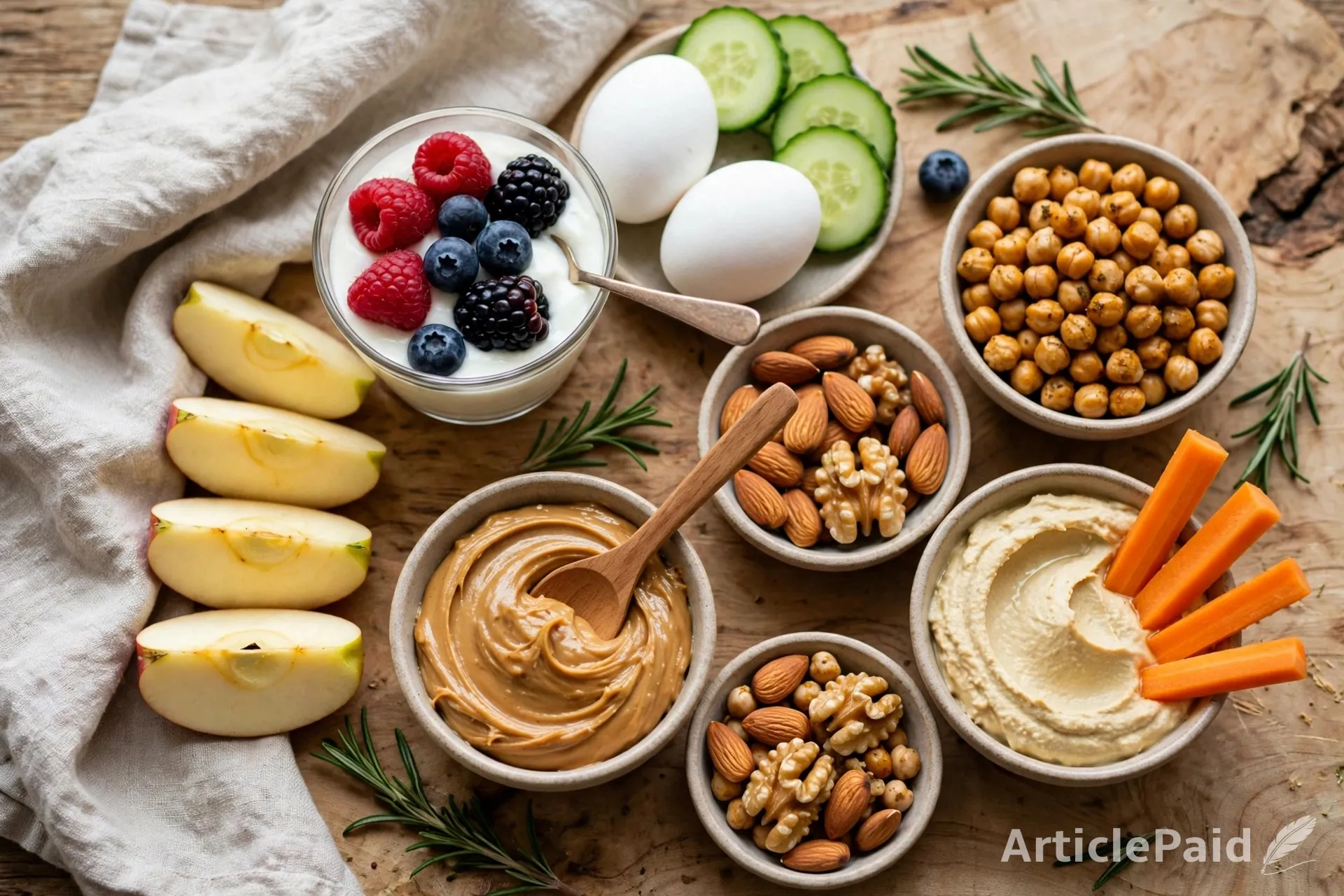
Snacks don’t have to be unhealthy. Just ensure you’re choosing snacks with useful nutrients.
Many pre-packaged snacks contain a lot of added sugar or refined carbs. They won’t contain much protein or fibre so may not keep you feeling satisfied.
Instead try:
- Apple slices with peanut butter
- Plain yoghurt with fresh berries
- Boiled eggs with cucumber
- Roasted chickpeas
- A handful of almonds and walnuts
- Carrot sticks with hummus
These are easy to make and will help you have a more balanced daily diet.
7. Stay Hydrated
Staying hydrated is an important part of keeping you healthy. Sometimes it can be hard to know if you’re thirsty or hungry.
Drinking water will help with digestion, blood flow and your body functioning normally. It’s important to stay hydrated when it’s hot, exercising or working long hours.
Try to have a reusable bottle with you and have a drink throughout the day. You can also get fluids from foods such as watermelon, cucumber, oranges and soups.
Water should be your main drink throughout the day. Avoid sugary drinks and sweet juices.
8. Pay Attention to Your Body's Hunger Signals
Eating healthily is not just about eating nutritious foods. It’s also about improving your relationship with food.
Eating slowly will help your body realise when you’re full. Eating too fast can cause you to eat more than you need to feel satisfied.
Try to sit down to eat your meals. Chew your food properly and avoid any unnecessary distractions. Notice if you’re really hungry or eating due to boredom, stress or habit.
You don’t have to eat all of your meals to a schedule or follow complex rules. Learning to listen to your body will make eating more comfortable.
9. Make Simple Changes That You Can Sustain
Your healthy eating should fit into your lifestyle. You don’t need to use expensive ingredients, special diet foods or complex recipes to make satisfying meals.
Make small improvements to your meals. Add an extra portion of vegetables to your dinner, swap some refined grains for wholegrain, add protein to your breakfast or have healthy snacks on hand.
It’s more important to be consistent. Small changes made regularly will help create healthier habits in the long run.
Conclusion
You don’t need to count your calories to keep feeling full. The key is to create balanced meals containing protein, fibre, healthy fats and a variety of whole foods.
Having protein packed breakfasts, vegetable filled lunches, nutritious snacks and staying hydrated will all make a difference.
Most importantly, enjoy your meals. Eating healthily should be practical, affordable and enjoyable. Choosing nutritious foods and creating consistent habits will help improve your overall wellbeing.








Responses (0)