Why Chemical Peels Are the Fastest Way to Remove Stubborn Acne Scars
Why Chemical Peels Are the Fastest Way to Remove Stubborn Acne Scars The Marks That Refuse to Leave We have all been the

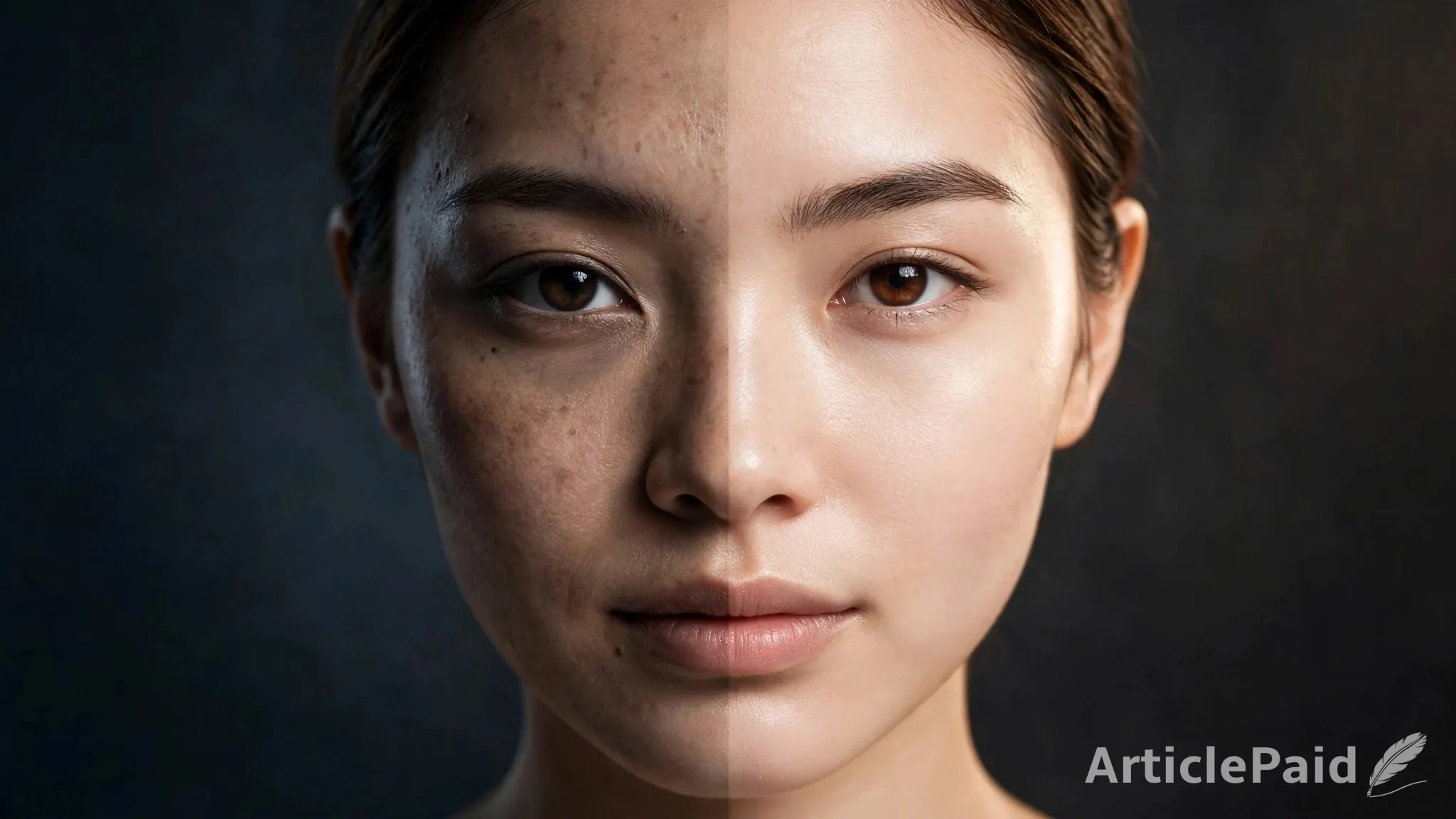
Why Chemical Peels Are the Fastest Way to Remove Stubborn Acne Scars
The Marks That Refuse to Leave
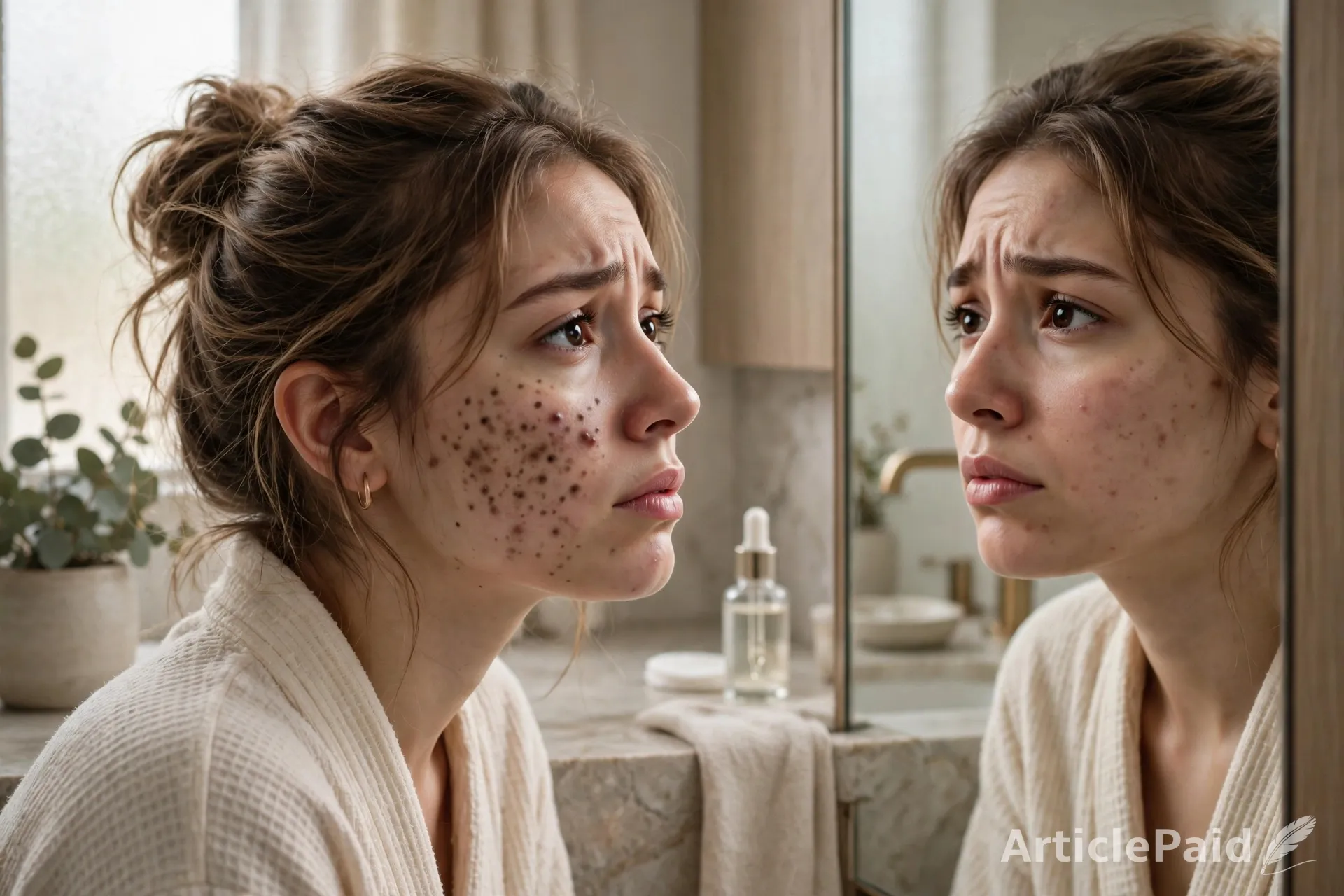
We have all been there.
You finally survive a painful breakout, breathe a sigh of relief, and then look in the mirror only to find a dark spot or rough patch staring right back at you.
Honestly, the aftermath of acne can feel more exhausting than the pimples themselves.
You buy pricey serums, try every lemon-and-honey mix on the internet, and scrub your face hoping something will finally budge. Months go by, and those stubborn marks barely fade.
If you are tired of waiting forever for slow creams to work, chemical peels are hands-down one of the fastest ways to hit reset on your skin.
What a Chemical Peel Actually Does
First off, do not let the word chemical freak you out. Nobody is putting anything dangerous on your face.
A chemical peel simply uses smart, skin-friendly acids like glycolic, salicylic, or lactic acid to clear away the dull, damaged top layer of dead skin.
Think of it like clearing out old clutter so fresh, healthy skin underneath can finally come to the surface.
Normally, your skin takes weeks to shed those old cells on its own, especially when dark pigment is trapped inside.
A peel speeds that whole process up, bringing brighter, smoother skin forward in a fraction of the time.
Why Creams and Scrubs Take Forever
Store-bought creams are made to be super gentle so anyone can slap them on at home without trouble, which is also why they take ages to show real results.
And harsh scrubs? They mostly just scratch up the surface and can actually irritate your skin enough to make dark marks look worse.
A chemical peel works evenly and goes a little deeper where stubborn spots actually live.
Instead of spending six months guessing which bottle might work next, many people start seeing clearer, brighter skin after just two or three sessions.
Finding the Right Match for Your Face
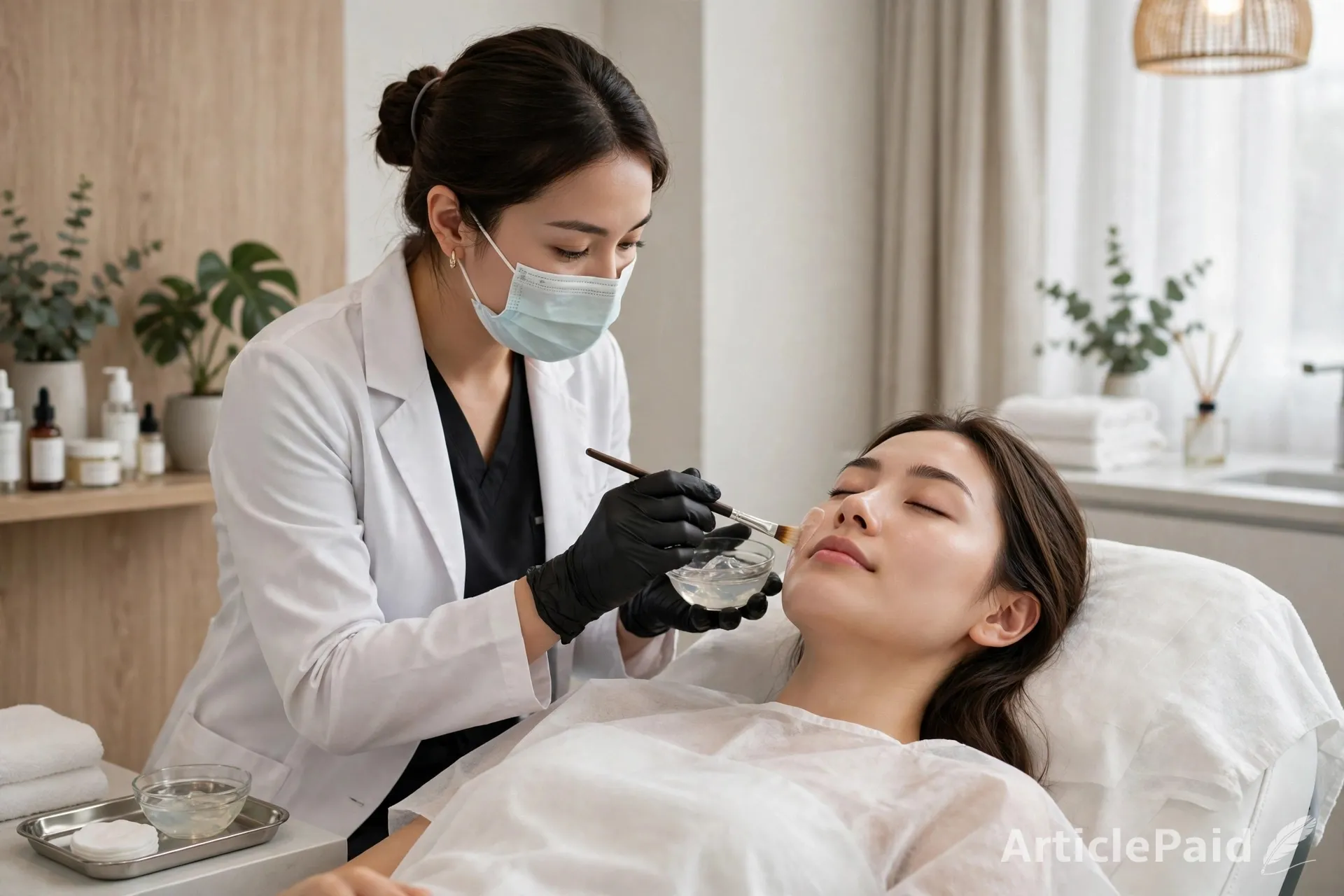
Not every peel is meant for every person, and going too strong right out of the gate is never the move.
Light peels are awesome for fresh dark spots and dullness, while medium peels help smooth out older discoloration and uneven texture.
A good skin specialist will look at your skin tone, check how sensitive your face is, and pick the exact strength that makes sense for you. Getting that right match means better results without unnecessary redness or drama.
What It Feels Like Afterward
A lot of folks put off getting a peel because they imagine looking like a shedding snake for a month.
In reality, it is way easier to handle than people think.
During a light peel, you usually just feel a warm tingle for a few minutes.
Over the next couple of days, your skin might feel a bit dry or have some light flaking that moisturizer easily calms down.
Even with a deeper peel, the peeling stage usually wraps up in about five to seven days, leaving behind noticeably fresher skin.
How to Keep Your New Glow
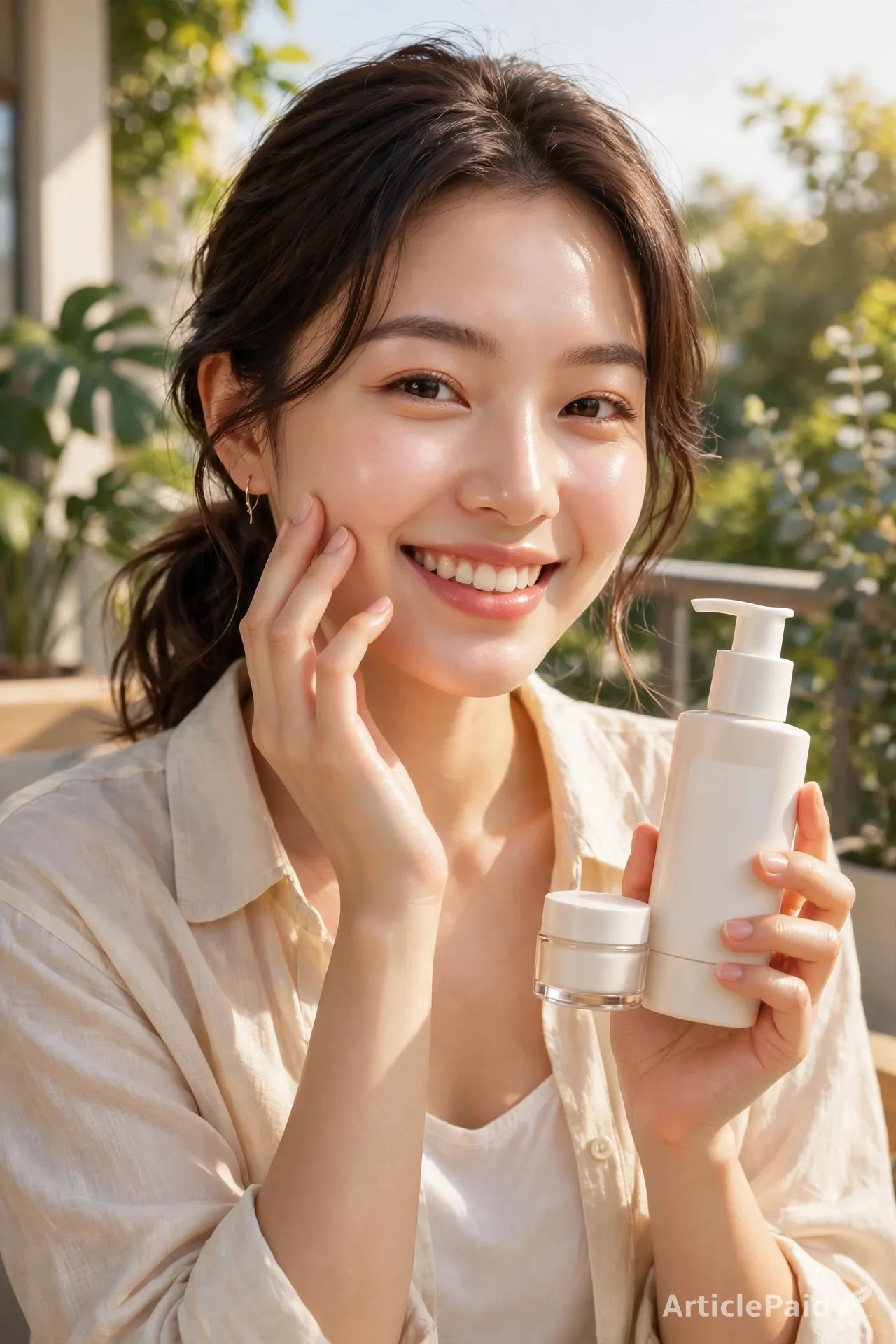
Once that fresh skin comes through, your only job is to protect it.
Keep your routine super simple with a mild cleanser, a good moisturizer, and plenty of sunscreen every single morning.
Fresh skin is sensitive to sunlight, and skipping SPF will let those dark spots creep right back in.
Take care of it for a few days, skip the harsh stuff, and let your skin enjoy its fresh start.
Stop Waiting Around for Clear Skin
You do not have to keep covering up old acne marks with concealer or waiting years for them to fade on their own.
Chemical peels give your skin the quick, targeted push it needs to shed the past and look bright again.
Talk to a trusted skincare pro, find the peel that fits your skin, and finally leave those stubborn marks behind.













Responses (0)