
# Navigating the Shift: The Fractured Landscape of Global Politics in 2026
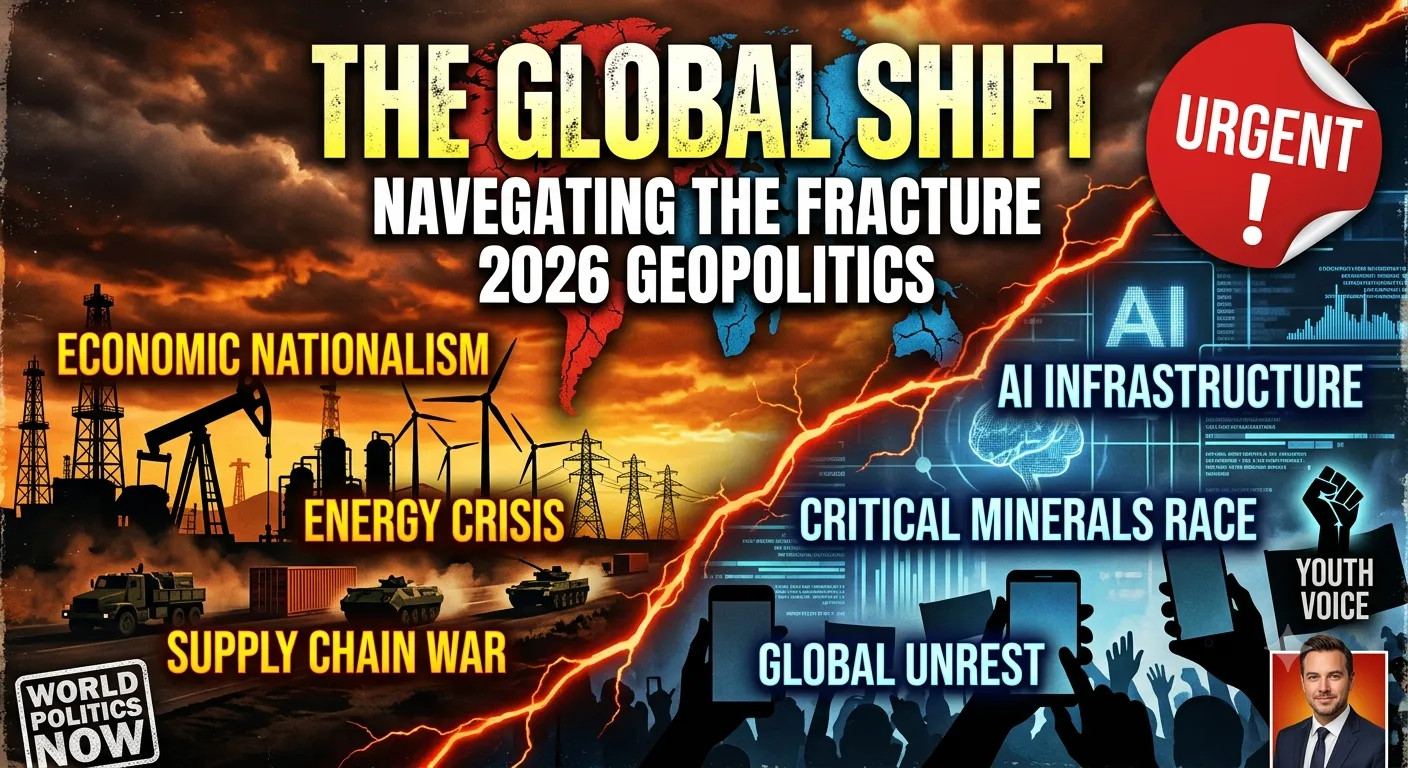
The global political arena is undergoing a profound transformation. The old rules of open markets, predictable diplomacy, and steady alliances are being replaced by an era of intense economic nationalism, volatile regional conflicts, and a race to control the resources of the future.
As we cross the midpoint of the year, several massive geopolitical shifts are redefining how nations interact—and how citizens are pushing back.
## 1. The Era of Economic Nationalism
The most visible shift in global governance is the rise of **muscular economic interventionism**. Governments are no longer acting merely as referees in the global market; they are active, aggressive players.
* **The Supply Chain Race:** Driven by a desire to insulate themselves from foreign disruptions, major powers are locking down traceable supply chains.
* **Critical Mineral Alliances:** The US and Europe are rapidly forming exclusive partnerships to secure lithium, cobalt, and rare earth elements, aiming to break China’s dominant leverage over these vital components.
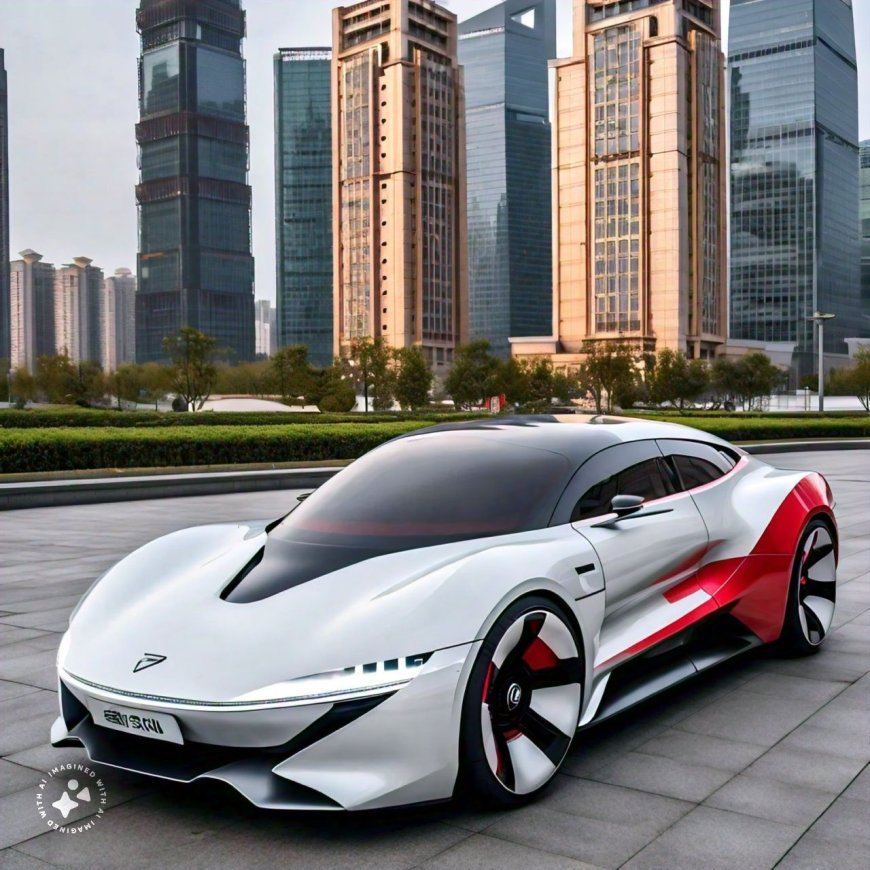
* **EU-China Friction:** Europe is confronting massive industrial overcapacity from China. While electric vehicles (EVs) remain a major flashpoint, the tension has expanded to wind components, solar energy tech, and mature-node semiconductors, triggering a wave of defensive trade barriers and new procurement rules.
## 2. Regional Flashpoints and Deepening Crises
Traditional diplomatic frameworks are being tested to their absolute limits as multiple regions face severe instability.
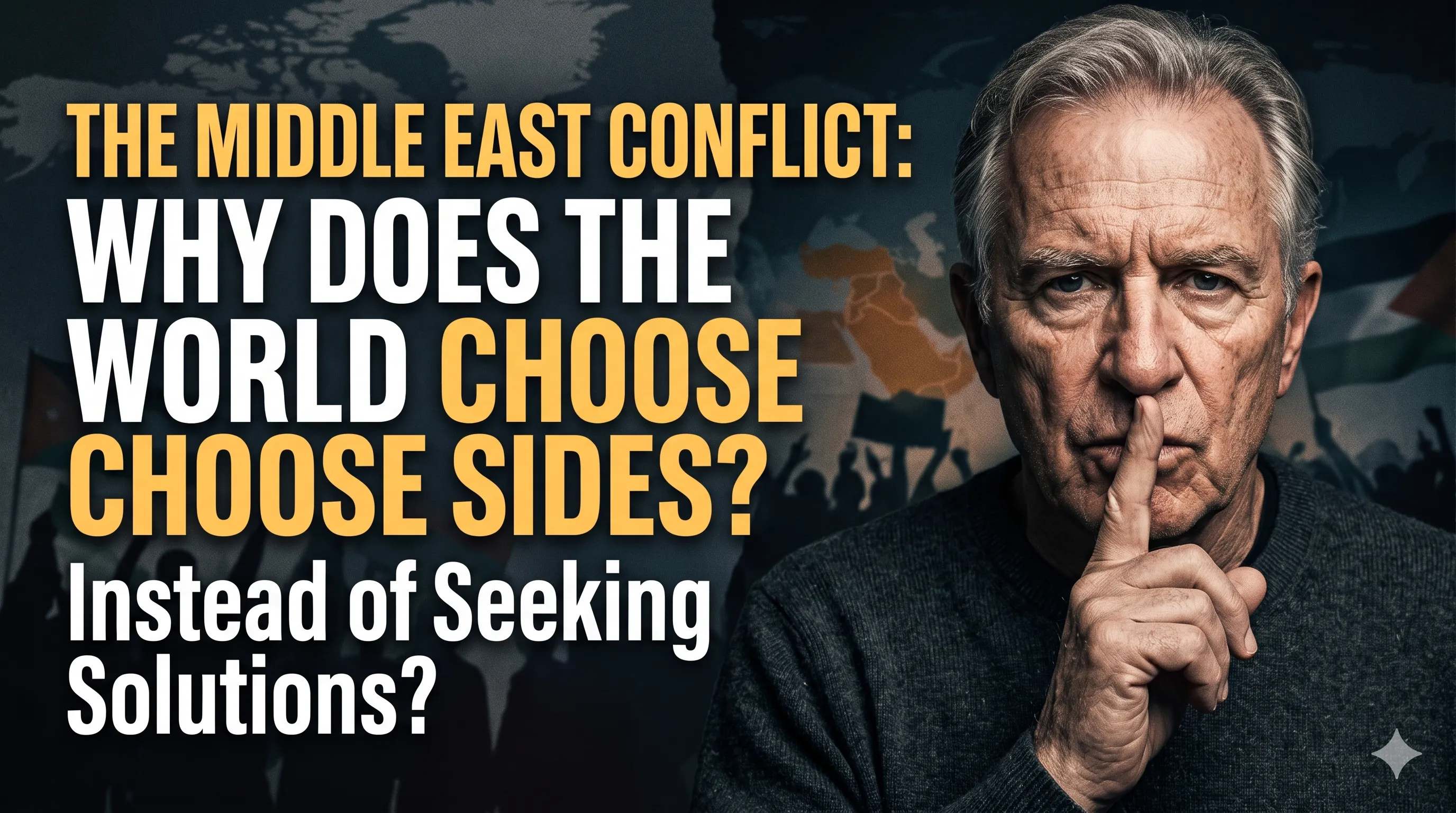
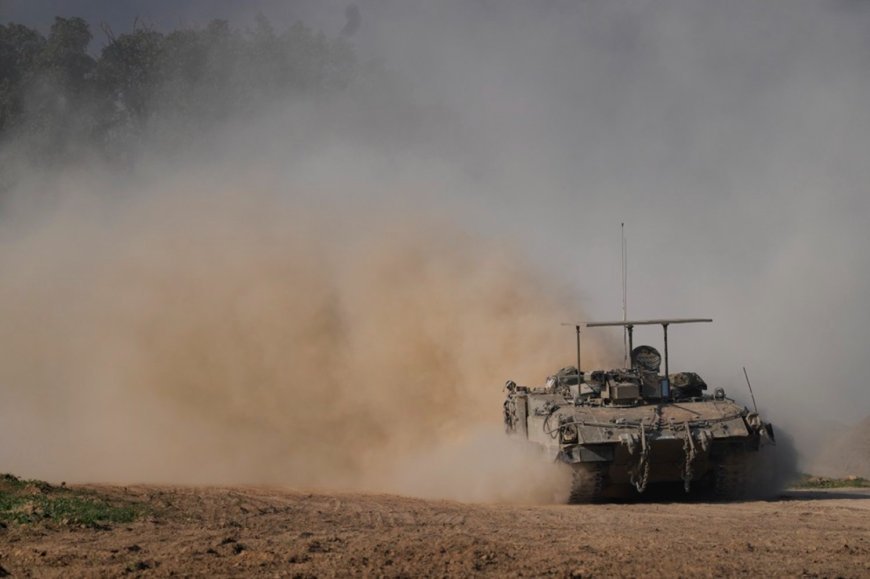
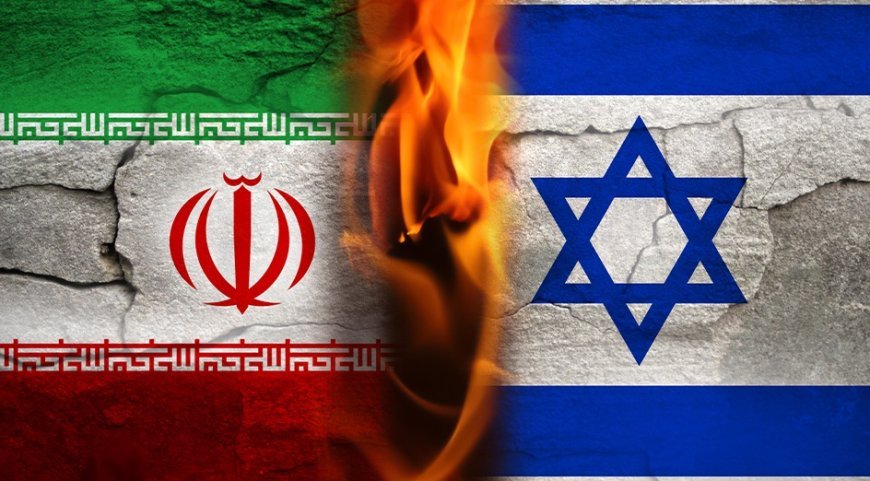
* **The Middle East and Energy Pressures:** Ongoing instability in the Middle East—compounded by acute tensions around vital shipping lanes like the Strait of Hormuz—has sent shockwaves through global energy markets. In response, governments worldwide are aggressively pivoting toward energy efficiency as a core national security strategy to protect households from intense price volatility.
* **The War of Wills in Ukraine:** The conflict remains a grinding war of attrition. Europe finds itself at a critical crossroads, forcing continental capitals to rapidly scale up domestic defense production and financial support mechanisms to sustain regional security.
* **Friction in the Global South:** Complex crises continue to challenge international stability. In Africa, tensions in the Horn of Africa keep neighbors on edge, while the eastern Democratic Republic of the Congo faces a worsening humanitarian situation. In Latin America, a highly crowded electoral calendar is reflecting public frustration over security and economic stagnation, driving a noticeable shift toward market-friendly, security-focused political platforms.
## 3. The Infrastructure Bottleneck: AI and Energy
A quieter but equally fierce political battle is being fought over the infrastructure powering the artificial intelligence revolution. The race for technological primacy has hit a physical wall: **scarcity**.
> **The AI Divide:** While Western economies are struggling to find the sheer electrical grid capacity and energy required to power massive new AI data centers, Eastern manufacturing hubs are grappling with tight restrictions on accessing advanced AI microchips.
>
This tech-security bottleneck is forcing nations to treat data centers and chip foundries with the same level of heavy state protection historically reserved for oil refineries and military bases.
## 4. The Rising Voice of Gen Z Unrest
Beneath the high-level diplomacy lies a growing undercurrent of domestic political strain. Across the globe, younger generations are feeling the weight of a stagnant global economy, worsening housing affordability, and mounting public debt.
From Latin America to South Asia and Europe, **youth-led unrest** is emerging as a powerful political force. Voters under 30 are increasingly rejecting traditional political establishments, taking their frustration over corruption and eroding economic prospects straight to the streets and the ballot box.
## The Outlook
The remainder of the year will test whether international institutions can prevent these fragmented crises from boiling over. With major diplomatic summits on the horizon—including the NATO Summit in Ankara and the upcoming BRICS+ and G20 meetings—world leaders will have to find a way to cooperate on shared realities like climate adaptation and energy security, even as they compete fiercely for economic survival.
#GlobalPolitics #Geopolitics2026 #InternationalAffairs #EconomicNationalism #SupplyChainSecurity #EnergyCrisis #GlobalNews #TechPolitics #CurrentAffairs

















Responses (0)
Sign in to share your thoughts.
Sign in