Persons With Disabilities or Limited Movement Can Still Improve Their Health


Exercise For Limited Mobility: Here Are Some Recommendations:
Physical activity offers numerous health advantages, including a diminished likelihood of chronic illnesses and enhanced mood, sleep quality, and concentration. Ambulation is frequently suggested as a simple form of physical activity; however, it is not a feasible choice for individuals with restricted mobility in their lower extremities.

Mobility limitations, arising from aging, injury, or chronic illness, should not deter you from physical activity; indeed, a lack of exercise can lead to complications that exacerbate mobility challenges, including obesity, cardiovascular disease, and diabetes.
Mary Hale, a certified personal trainer at UNC Wellness Centers, states, “Numerous psychological obstacles and apprehension exist.” Numerous individuals with mobility challenges have attempted to exercise independently and have not succeeded. They are concerned that they are under observation. However, it is within your capability! You possess the capacity to be robust and dynamic while discovering what suits your body at this moment.
Hale shares some activities that people with limited mobility can pursue to achieve their exercise goals.
Exercise Options for Individuals with Limited Mobility
People with mobility issues can benefit from water workouts, including water aerobics, water walking or jogging, and swimming.
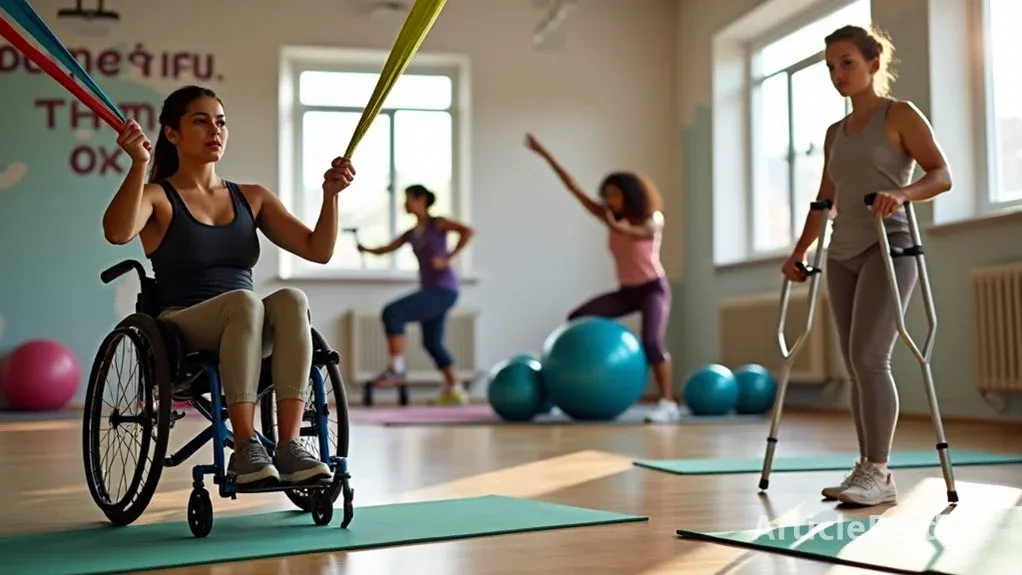
“If you’re in water up to your chest, 80 percent of your body weight is absorbed,” Hale says. “That means you can jog without pain or impact on your joints.”
If you are visiting a facility with a pool, inquire about the availability of a water wheelchair or a hydraulic lift chair. These modifications will facilitate the process of entering and exiting the pool.
Recumbent bikes or ellipticals: Recumbent machines, found in most gyms, are a great way to incorporate aerobic activity and move your legs without putting impact on your joints or risking a fall.
Exercise from a more reclined position with your legs in front of you is possible with recumbent bikes and recumbent ellipticals. Some have arm levers, which is why you can push with your hands to help move your legs. These machines are typically easier to get on and off because they are lower to the ground than an upright bike or stepper.
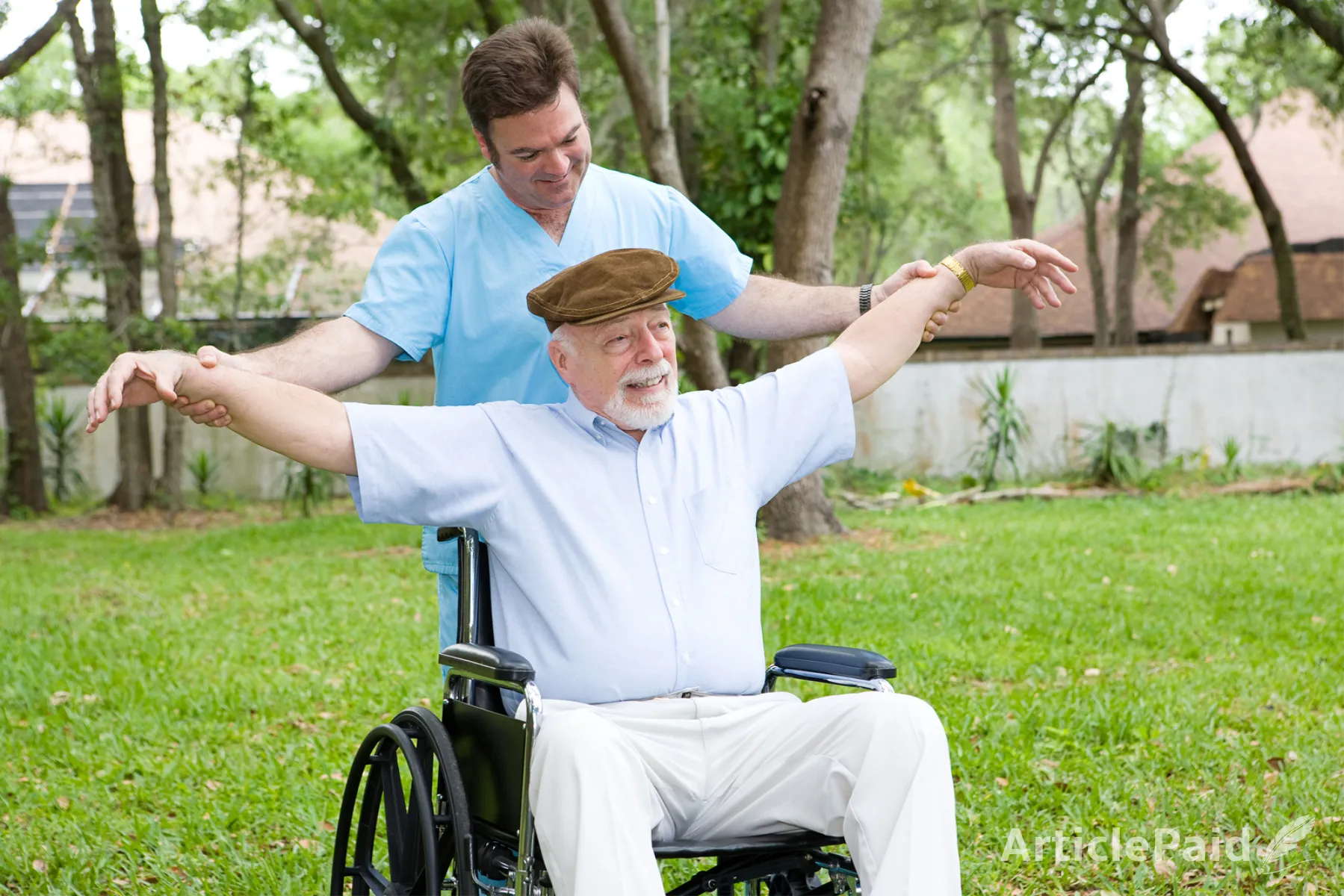
Hale emphasizes the significance of strength training for individuals with mobility issues, stating that it can enhance mobility.
“Don’t start with free weights,” she says. “They require a large amount of stability and control. Weight machines are more predictable, and they can help someone build up their base strength.”
A personal trainer can assist you in the development of a strength program that is customized to your mobility requirements and ensures that you are exercising safely.
Pilates and yoga: Pilates and yoga can strengthen muscles and improve stabilization, but people with limited mobility may have to search for the right class for their needs.

“A lot of yoga and Pilates studios cater to the young and mobile, but a medical fitness center will offer classes that are more appropriate for limited mobility, like chair yoga or a session on a Pilates reformer, which is a piece of specialized equipment that combines strength and stability into your workout,” Hale says.
Chair workouts: If a gym membership is not feasible, aerobics, core exercises, and yoga can be executed from a chair. Hale recommends that chair workouts are available on YouTube; however, it is important to verify the credentials of the host to ascertain whether they are a professional and, as a result, be apprehensive about the quality of the exercises.
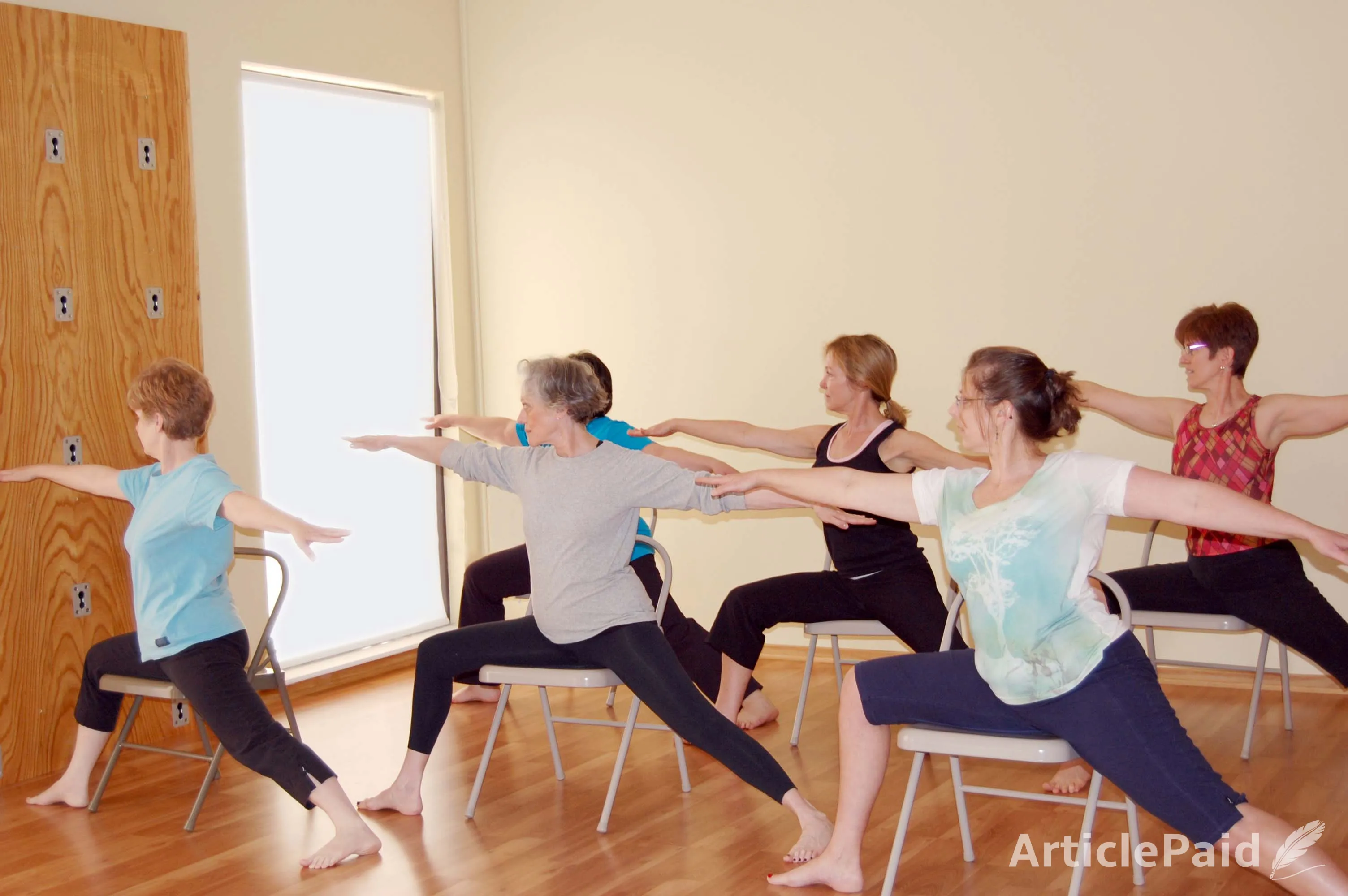
“A chair provides stability, so these workouts are appropriate for someone who is a beginner to exercise,” she says. “You don’t have to worry about losing balance or falling. Once you feel stronger and more confident, you might need the chair less.”
Getting Started with Limited-Mobility Exercise
It is crucial for individuals with restricted mobility to consult with their physician prior to commencing physical activity. In addition, Hale suggests that individuals collaborate with a personal trainer to develop a program that is optimally tailored to their particular mobility challenges, if feasible.

“You should ask a prospective trainer about their background and certifications and if they have experience in your specific mobility issue,” Hale says. “At commercial gyms, the trainers may have less experience with diverse backgrounds, but at a medical fitness center, you’re more likely to find someone with a degree in exercise science and an understanding of working with people with limited mobility.”
Doctors and trainers can also offer advice on the frequency and duration of exercise. They can also provide guidance on when to increase the difficulty or frequency of your workouts and the appropriate level of soreness following a workout if they recommend starting slowly.











Responses (0)