Small home changes that cut your bills and waste less,

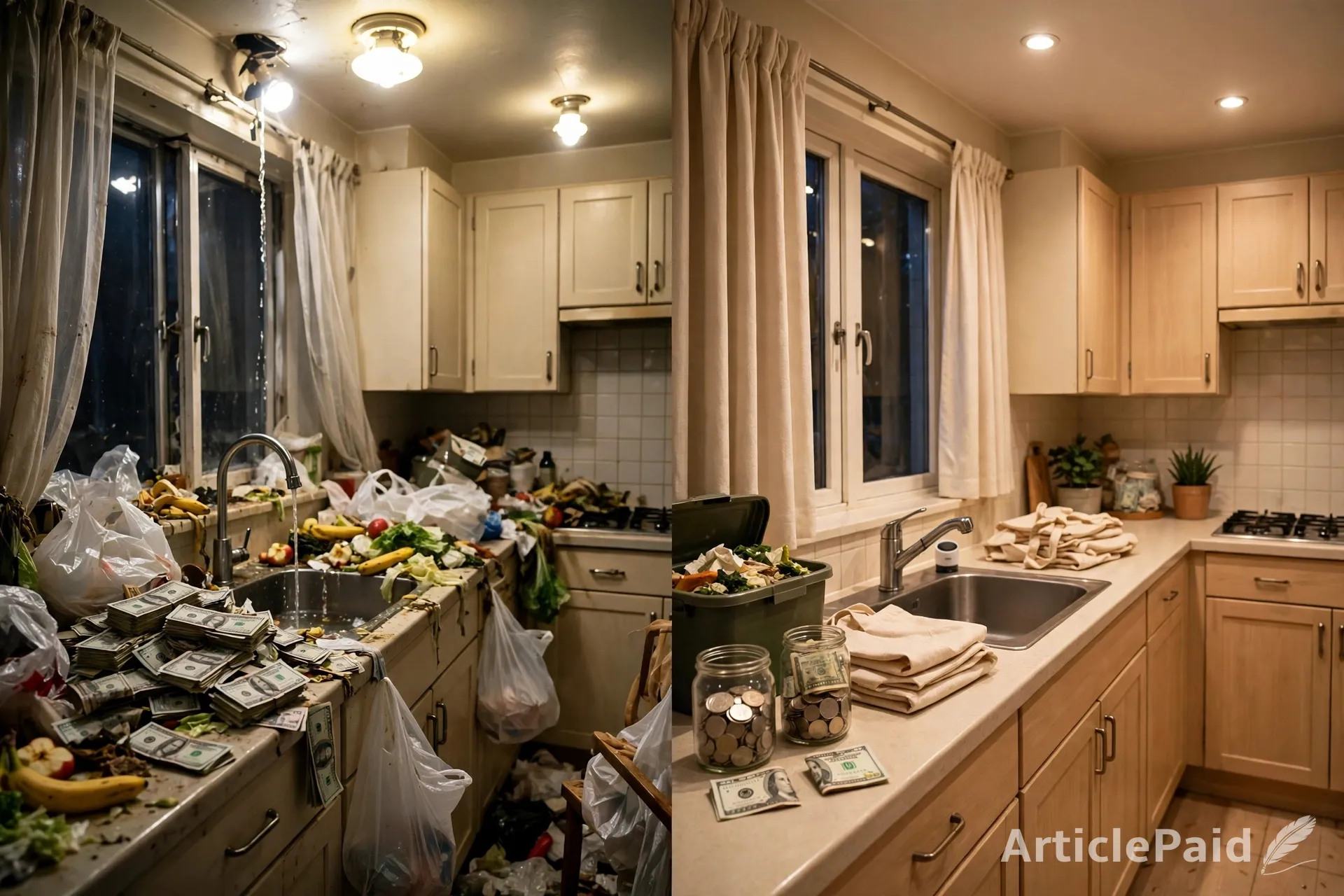
Sometimes you can save money by making small changes to your routine. These can greatly impact your household costs and also your impact on the environment. There are plenty of simple changes you can make to reduce your electricity usage, reduce food waste and much more. Most of these changes are very easy to make.
1. Turn Off Lights and Use Natural Light

One of the easiest changes you can make to help reduce your electricity bill is to simply turn off the lights. Many people will leave lights on when they aren’t in the room. Make sure to get into the routine of turning lights off when you leave a room.
Open your curtains and windows during the day to let the natural light in. This reduces the need for lights and can also make your home feel brighter and more inviting. Try to replace traditional lightbulbs with energy-saving LED bulbs. These may cost a bit more initially but they usually use less electricity and last longer.
2. Reduce Water Usage
Water should be conserved; however, many households are wasting more than they think. Turning on the tap when it isn’t needed, having long showers and dripping taps can cause more water to be used.
Avoid any leaks by regularly checking taps and pipes. Turn off the tap when brushing your teeth or doing the dishes. Any leftover water from washing your vegetables can also be used for watering your plants (indoor/outdoor).
These simple changes will save you water and potentially reduce your water costs each month. However, you’ll also be encouraging everyone in your household to be responsible with using natural resources.
3. Make Your Home More Energy Efficient
Many households will be paying a lot for their electricity bill due to heating and cooling. However, there are some simple changes that can be made to reduce energy consumption.
During warm weather try to close your curtains/blinds during the hottest times of the day. Open your windows during the early morning or evening when it isn’t as hot outside. Having ceiling fans can also help with the airflow.
During colder months use thicker curtains to stop heat escaping from your windows. Close doors when using heating or cooling.
4. Avoid Food Waste

Many households will waste food. Often families will buy too much and then the fruit and vegetables go off.
Plan your meals for the week. Check what you have in your kitchen cupboards and fridge before going to the market.
5. list and only buy what you need.
Ensure you store your food correctly so it lasts longer. Put older foods in an easy-to-reach place so you use them before the new ones. Use any vegetable leftovers in soups, rice or homemade sandwiches.
If you have any suitable food waste try to compost! This can give your garden soil some great nutrients.
6. Reduce Single Use Products
Using single-use plastic bags, cups, plates and bottles can cause unnecessary waste. Instead try to use reusable products.
Keep some reusable shopping bags by your front door or in your car. Use reusable bottles for your water. In the home many single-use items can be replaced with washable items.
Although these changes may seem minor, using reusable items can help avoid lots of waste in your home.
7. Unplug Appliances When They Are Not in Use
Sometimes electrical devices will still use a little electricity even when turned off. This is sometimes known as standby.
Devices such as chargers, televisions, computers and other items can cause unnecessary energy usage. Try to unplug devices when you aren’t using them. Or plug them into a suitable socket outlet that can be switched off.
Do not unplug any devices that need constant power for safety reasons or to work properly. Always follow the manufacturer's guidelines.
8. Repair, Reuse, and Recycle Household Items
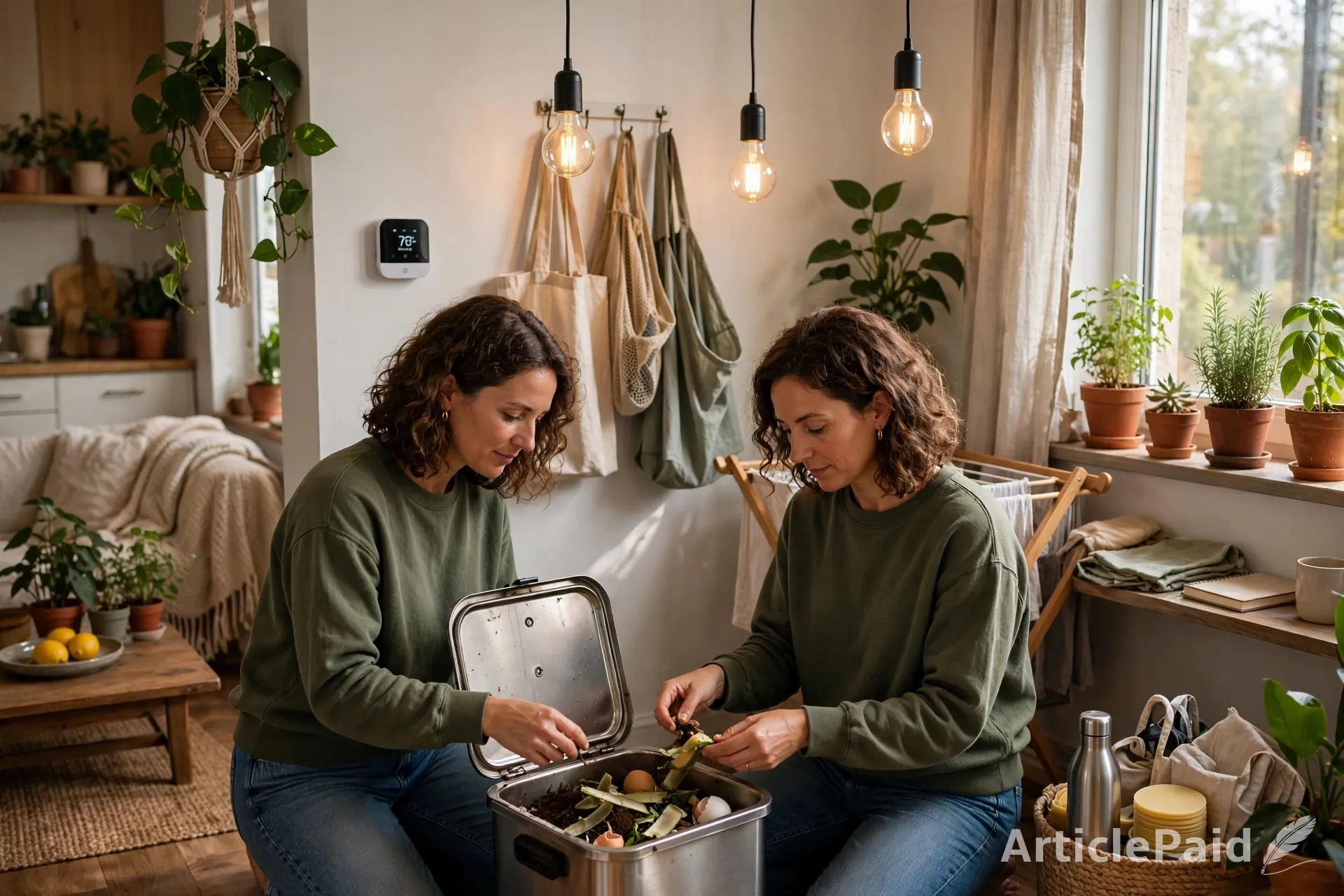
Before binning any broken items in your home, try to fix them. Chair legs can be loose, cupboard handles can break or clothes can get damaged. These may just need a quick fix.
Glass jars can be reused for storing spices, buttons, stationery or small kitchen items. Old clothes can be used as cleaning cloths. Cardboard boxes can be very useful.
Sort your recyclable items (paper, cardboard, glass and suitable plastics) depending on what recycling centres you have in your area. This will reduce the amount of waste going into landfill and will help give these valuable items a second life.
9. Grow Some Plants at Home
Another cheap way to make your home more enjoyable is to grow some plants. Even if you don’t have a big garden you can still enjoy having some greenery. Just have a couple of pots on your balcony, windowsill or small outside area.
Try growing some herbs such as mint, coriander and basil. This can help you cook using fresh herbs and avoid buying small packets. Plants can make your living areas look nicer and also encourage you to get closer to nature.
Make sure to pick plants that will grow well in your area and with the amount of sun you get. Be careful not to overwater.
Conclusion
There are plenty of simple changes you can make to make your home economical and eco-friendly. By turning off lights, fixing leaking taps, meal planning, reusing items and unplugging electrical devices you can start to reduce your household costs.
The key thing is to be consistent. If all family members are involved then these changes will become part of your routine. Start by making 2-3 simple changes and slowly add more. Over time you’ll have a cleaner, more organised home, reduced unnecessary costs and a smaller impact on the environment.
Sometimes a better home can be achieved by being more mindful of what you have rather than buying more items.











Responses (0)