How One Small Fox Outsmarts the Freezing Arctic Winter

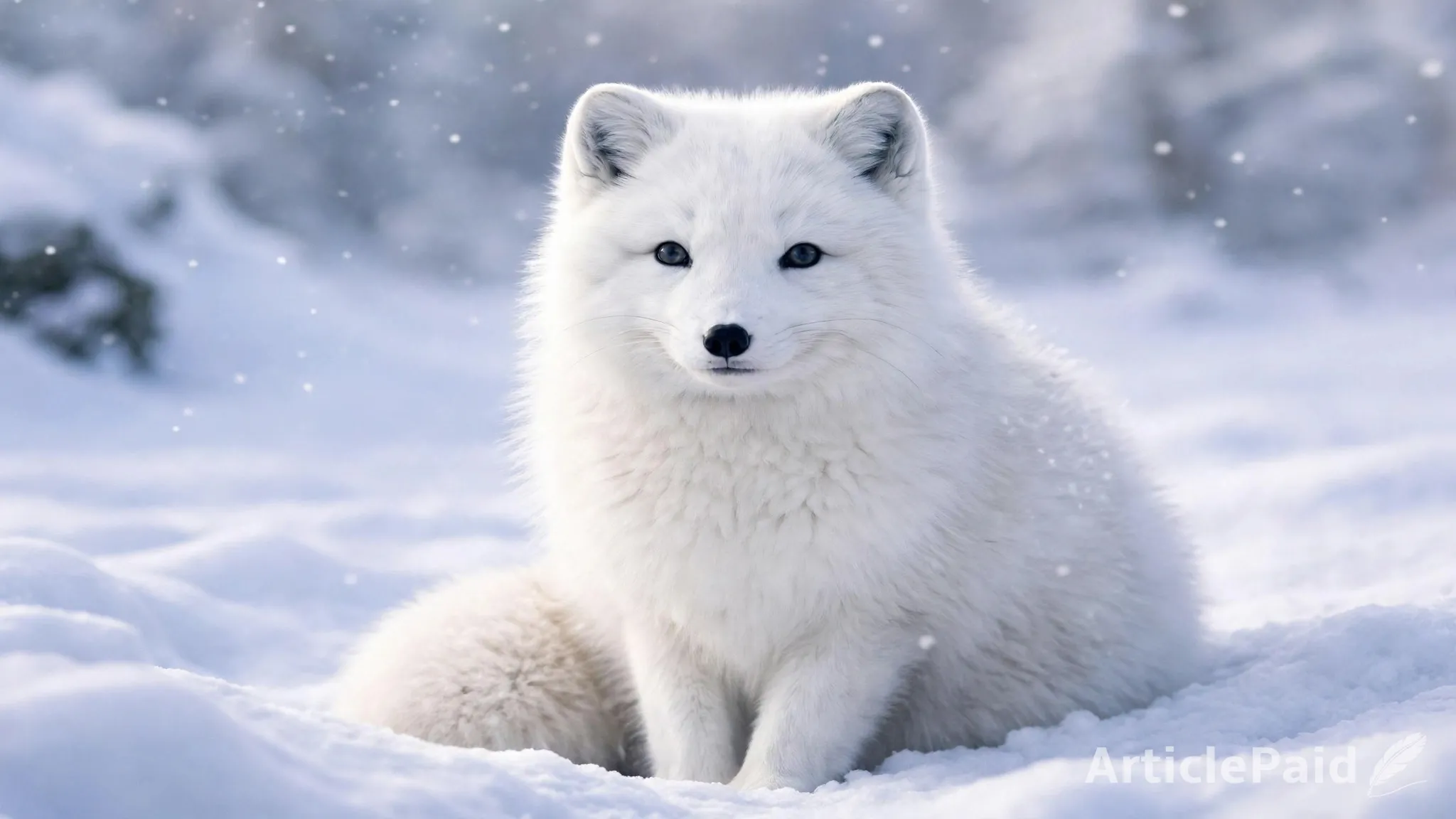
The Arctic is one of the coldest places on Earth. During winter, temperatures can drop below -40°C. While many animals struggle to survive in such conditions, one small animal has developed some amazing ways to stay alive. It is called the Arctic fox.
But how does this little animal survive freezing winds, deep snow and a shortage of food? Its body and behaviour hold some surprising answers.
1. Its Fur Works Like a Natural Winter Coat
The Arctic fox has one of the warmest coats among mammals. Its thick fur traps warm air close to the skin and protects its body from freezing winds.
Even the bottom of its paws has fur, which protects its feet from direct contact with ice and snow. During winter, its coat becomes thick and white, helping it stay warm and hide in snowy surroundings.
2. Its Small Ears Help Save Body Heat
Have you noticed that the Arctic fox has small, rounded ears?
There is a scientific reason behind this feature. Smaller ears expose less skin to cold air, which helps reduce heat loss. Its short legs and compact body also help it keep its warmth.
These small body features make a big difference in such an extreme environment.

Looking for a Muslim marriage partner? Discover NikahNoor, a Muslim matrimonial platform dedicated to meaningful connections, halal matchmaking and finding a compatible life partner.
Find Your Life Partner3. It Can Hear Animals Moving Under Snow
One of the most interesting abilities of the Arctic fox is its excellent hearing.
Even when snow covers the ground, it can hear small animals moving underneath. Once it locates its prey, it jumps headfirst into the snow to catch it.
Its strong sense of smell also helps it find food. Sharp teeth and claws help it hold and eat its prey.
4. How Does It Protect Itself From Danger?
Life in the Arctic is not always safe. Arctic foxes may face larger predators, including wolves and polar bears.
Their white winter fur helps them blend into the snow, making them harder to notice. When danger approaches, they can run towards a nearby den or hide in a safe place.
Their dens often have several entrances. This gives them different ways to enter and escape when necessary.
Instead of fighting every threat, they often depend on hiding, escaping and staying alert.
5. Its Tail Works Like a Warm Blanket
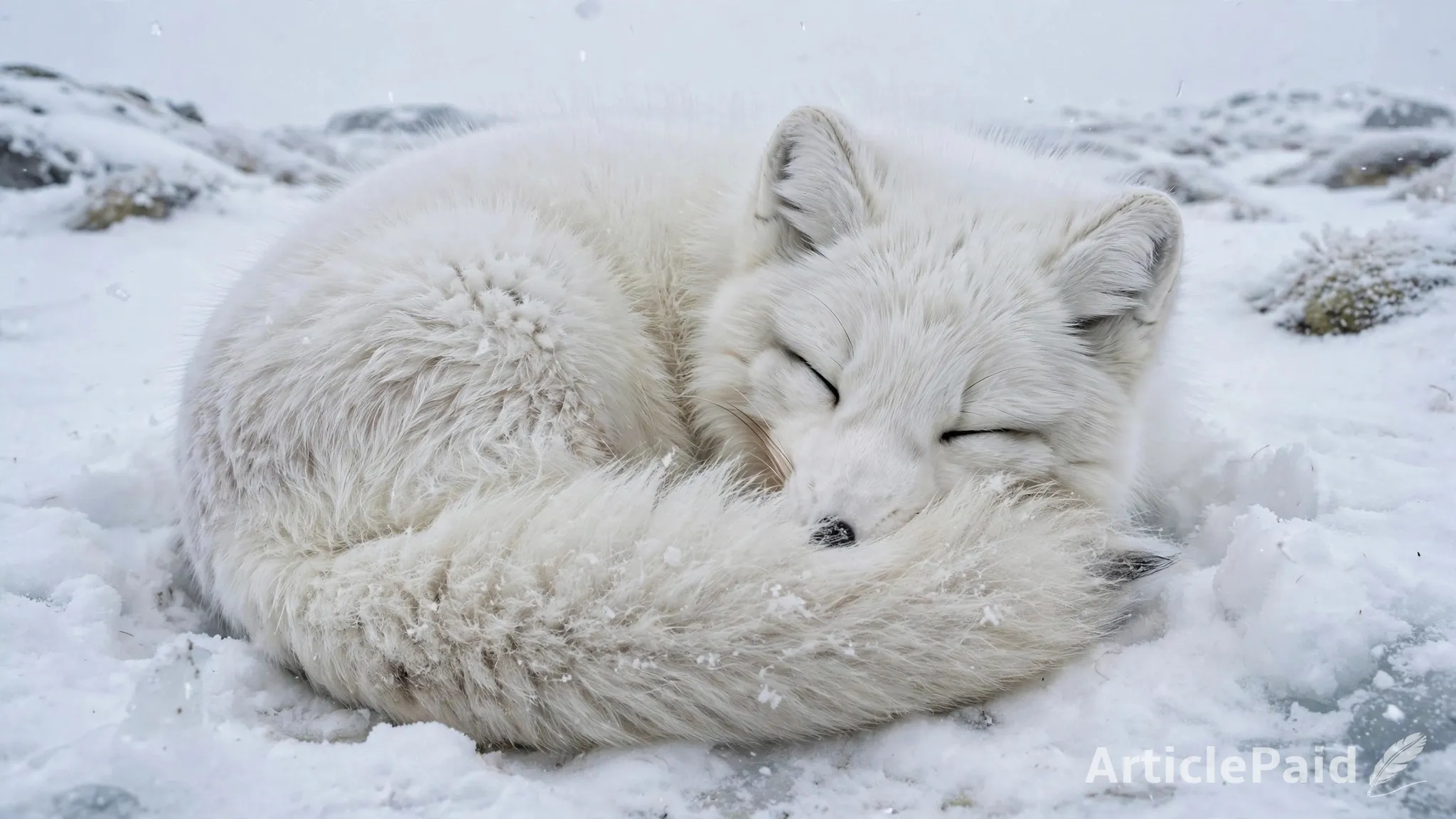
The Arctic fox has a large, bushy tail that does more than help with balance.
When it rests in extremely cold weather, it curls its body and places its tail over its nose and face. This helps protect these areas from cold air and reduces heat loss.
It is almost like carrying a warm blanket everywhere!
6. It Saves Food for Difficult Days
Finding food becomes harder during the long Arctic winter. Snow covers the ground, and small animals can be difficult to catch.
To prepare for such times, Arctic foxes sometimes hide extra food under rocks or in their dens. They can return to these food supplies when hunting becomes difficult.
Their diet is also flexible. They eat lemmings, birds, eggs, berries and even the remains of other animals. This allows them to use different food sources throughout the year.

At NikahNoor.com, discover a platform dedicated to helping Muslims find a compatible life partner and build a future rooted in love, respect, and shared values.
Learn more7. Its Coat Changes Colour With the Seasons
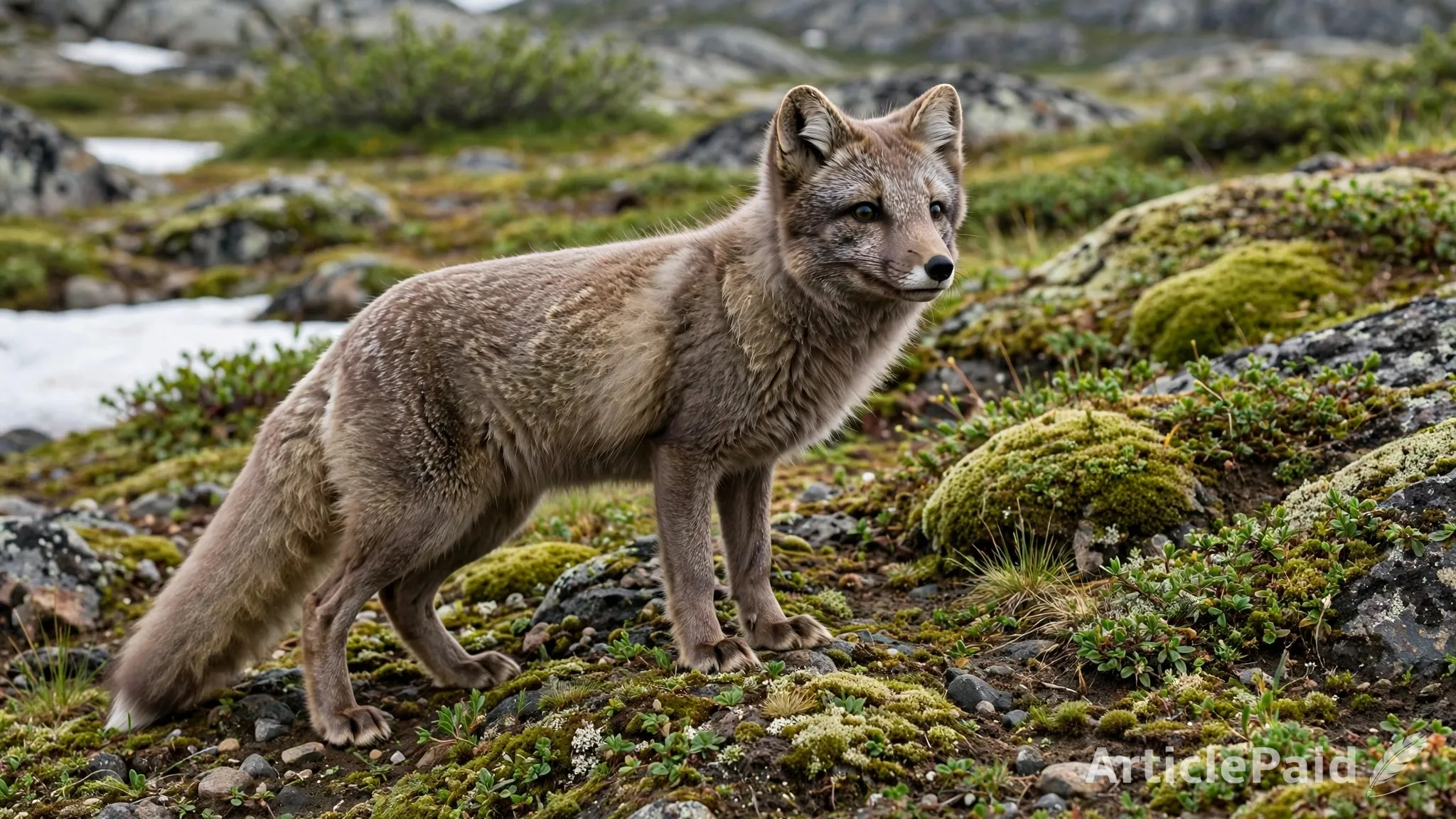
Here is another surprising fact: the Arctic fox does not always have white fur.
During winter, its coat is usually thick and white. In summer, it becomes shorter and changes to brown or grey.
This colour change helps the fox blend into its surroundings. White fur works well in snowy landscapes, while darker colours provide better camouflage when the snow melts.
Conclusion
The Arctic fox proves that survival is not always about size or strength. Its warm fur, excellent hearing, food-storing habits and clever ways of avoiding danger help it live in one of the harshest environments on Earth.
Every part of its life shows how nature prepares animals for their surroundings. This small fox may look cute and harmless, but its survival skills are truly remarkable.















Responses (0)