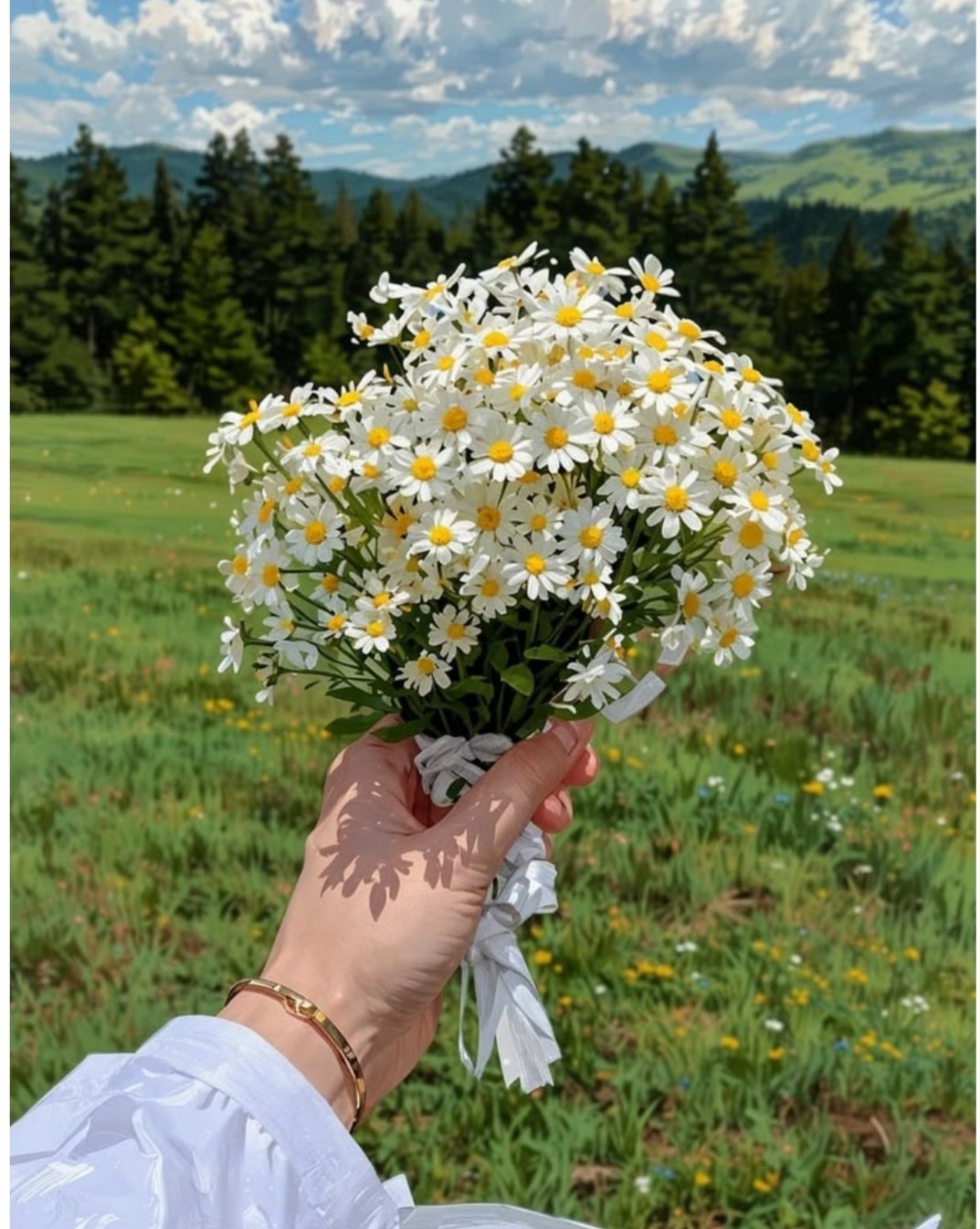

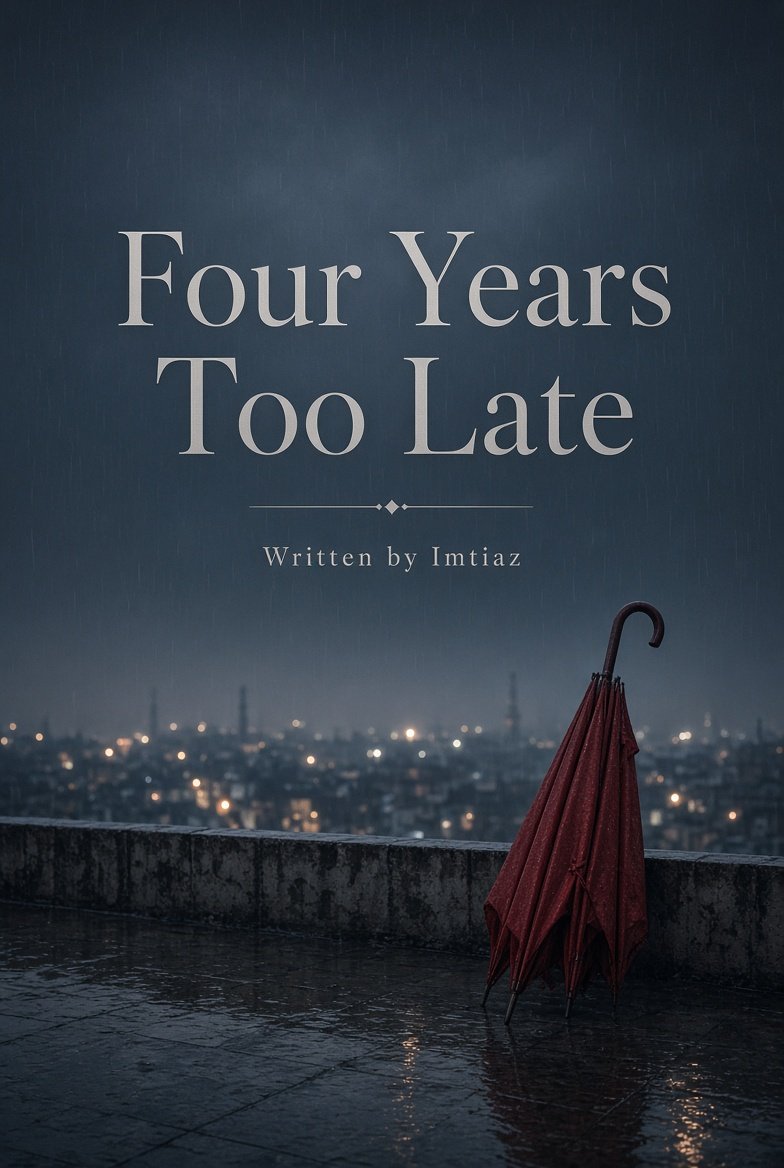
1. Regret Reveals What You Value

- Courage over safety.
- Connection over distance.
- Expression over silence.
2. Stop Hoarding Your Remorse
3. The Price of Entry
More from ArticlePaid

How To Choose The Best Diamond Pendant Designs
Different Occasions to suit the jewelry. Reasons differs when you plan to buy diamond pendant.

Top 20 Things to Stay Physically Young and Mentally Strong.
Top 20 Things to Stay Physically Young and Mentally Strong as a Woman, Aging is a natural process, but how we age is largely influenced by our daily habits

Gaining Self Confidence To Succeed In Anything
Where does self confidence come from? How do we get it? Why don’t I have it? The answer to all of these questions can be answered with one word – you! Self confidence starts with you, your perception of yourself, and what other people think about your actions or behavior.

Spiritual Awakening: Our Path to True Self Discovery
Our journeys to higher self awareness and spiritually enlightenment

Avneet Kaur’s Magical Skin-Clearing Kora Turmeric Mask work.
Avneet Kaur’s Magical Skin-Clearing Kora Turmeric Mask Benefits, Celebrities who have flawless skin secrets and a radiant glow frequently inspire followers

"Wellness Rooms: The Future of Modern Home Design"
Modern homes are incorporating wellness rooms, dedicated spaces for relaxation and self-care, to enhance overall well-being. This article explores their benefits, challenges, and cultural adaptations in Western and Eastern households, highlighting their role in fostering a balanced lifestyle.
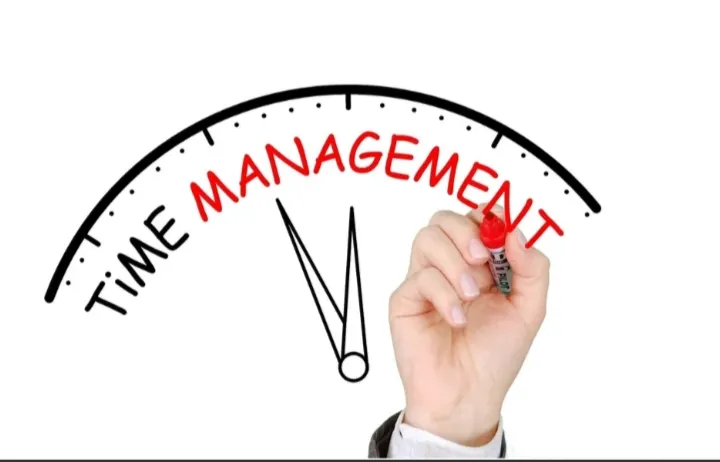
Time Management Tips for Students and Freelancers
Time Management Tips for Students and FreelancersTime is not for wasting.If you are a student and also a freelancer, you pro...

How to Become a Freelance Journalist & Start Journalism
A freelance journalist is a self-employed writer who completes contract work for various media outlets. They may write news articles, features, reviews, or other content.

The Best and Worst Things About Living a Digital Life.
The Best and Worst Things About Living a Digital Life,Living a digital life has become more of a necessity than a choice in today's fast-paced world. Commu
Weekly Top Articles

10 Books That Will Change Your Mindset in 2026 and Transform Your Life
IntroductionThere are always books that change your thinking, help you find and develop new habits, and become a better person ove...
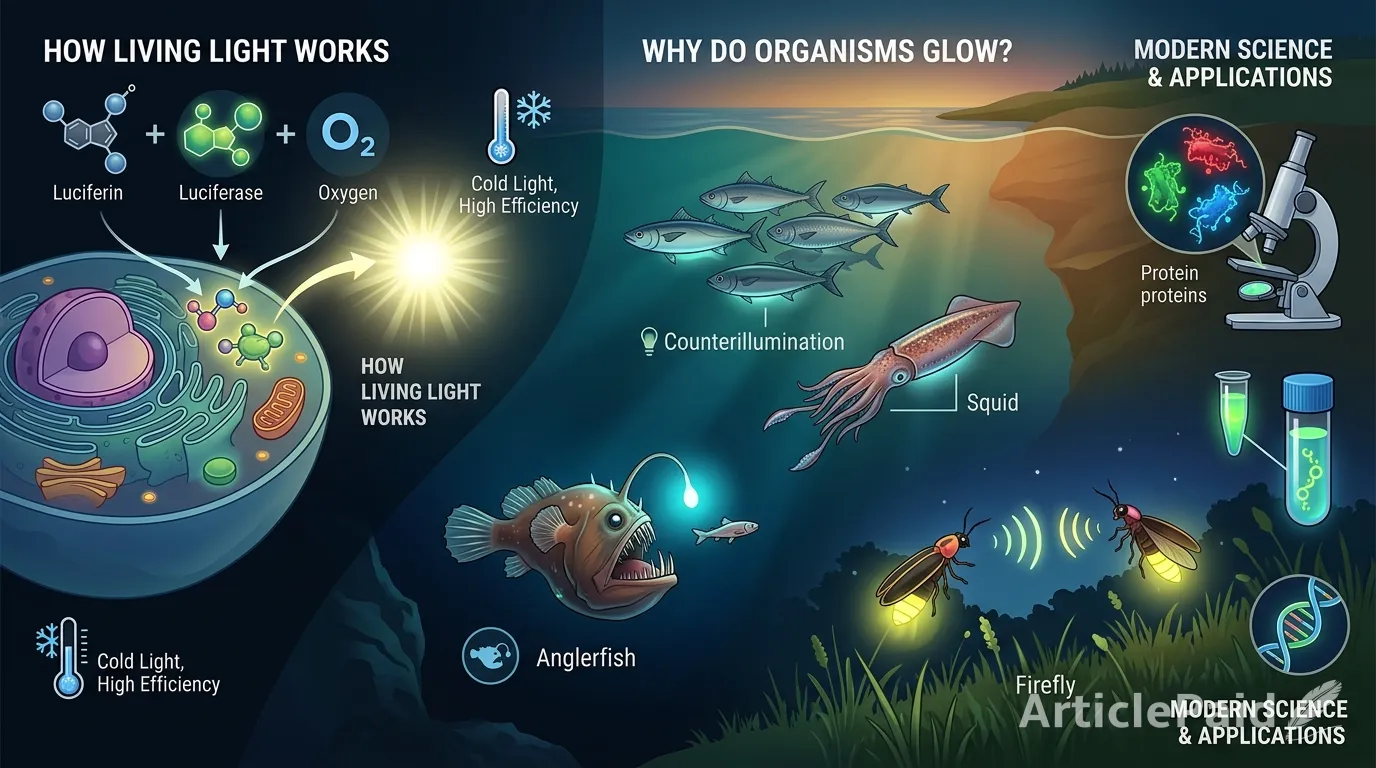
Light in the Darkness: The Hidden World and Marvels of Living Bioluminescence in
Light in the Darkness: The Hidden World and Marvels of Living Bioluminescence in NatureWhile humans rely on artificial electricity...
7 Things Mentally Strong People Don't Do to Protect Their Peace and Happiness
Mental strength is the ability to manage your feelings and behaviors when facing challenges. It is not a sign of being unfeeling o...
How to Earn Dollars in Pakistan Without Freelancing: 7 Proven Ways
IntroductionIt is entirely feasible to start making money in Pakistan without working as a freelancer; all you need is an in...

10 Foods You Should Never Store in Your Fridge to Keep Them Fresh Longer
IntroductionRefrigeration helps to preserve a great many foods, but some of the ingredients will actually lose their flavour, text...
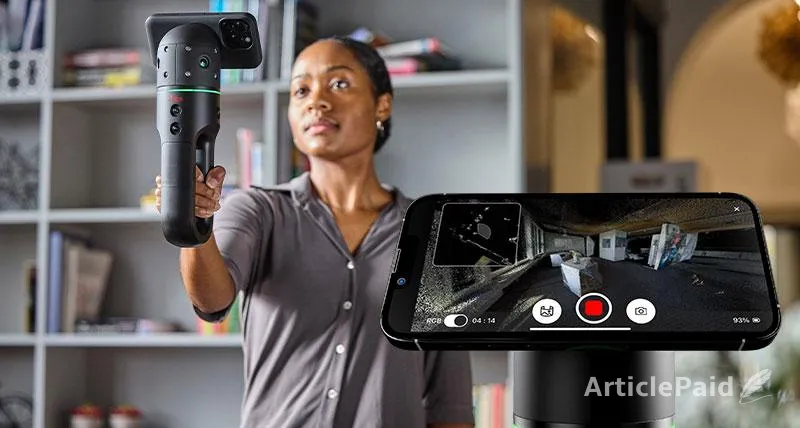
Discover how Hesai's new Kosmo spatial camera combines 3D
How a New 3D AI Camera Could Help Robots Understand the Real WorldPublished: October 15, 2026Artificial intelligence is moving bey...




Responses (0)
Sign in to share your thoughts.
Sign in