
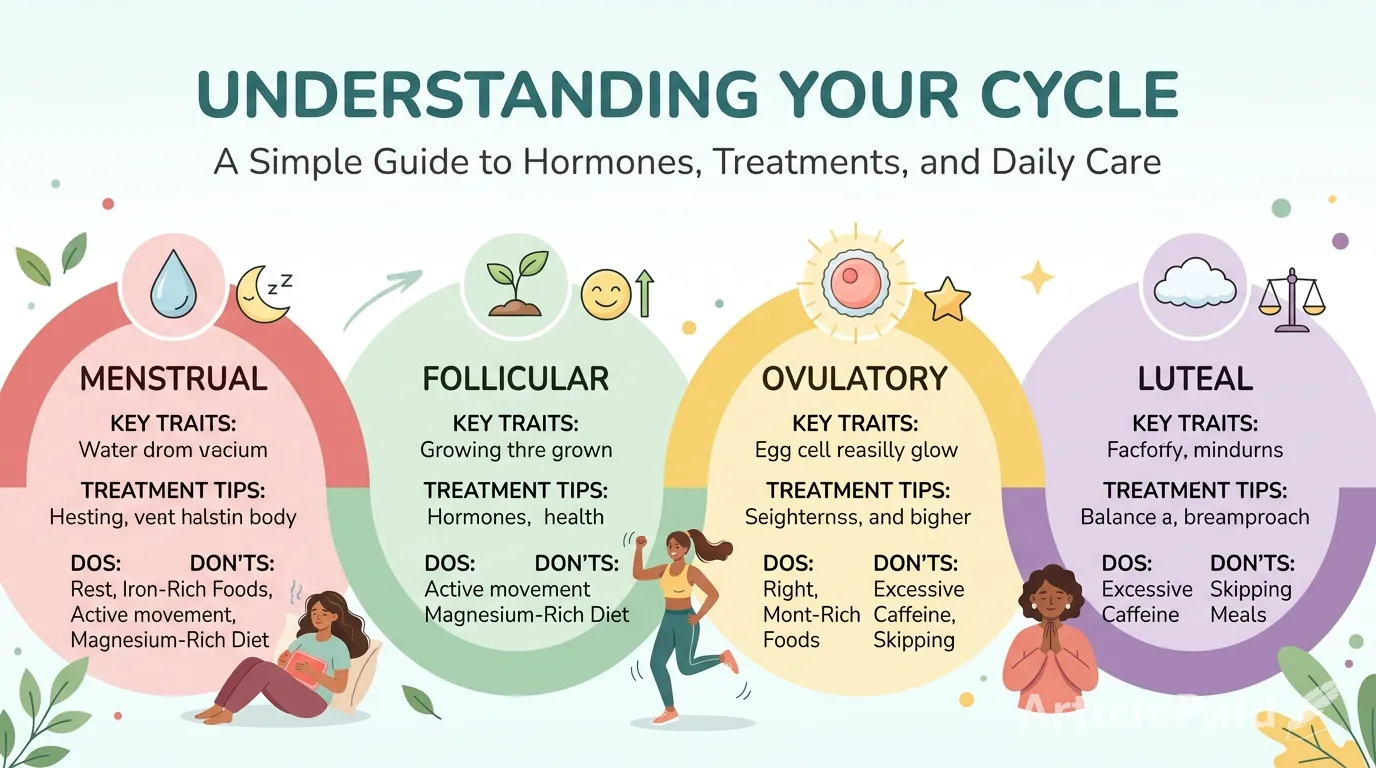
The Four Phases of the Menstrual Cycle: A Guide to Hormones, Treatments, and Daily Care
Phase 1: The Menstrual Phase (Days 1–5)
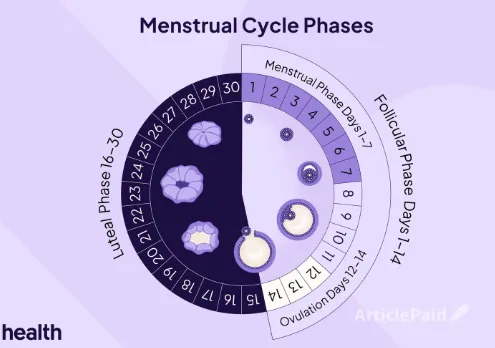
- Treatments & Relief:
- Apply a heating pad or hot water bottle to the lower abdomen to ease uterine muscle cramps.
- Over-the-counter pain relievers can help reduce inflammation and pain if cramps are persistent.
- Dos:
- Do prioritize rest and extra sleep to help your body recover from fatigue.
- Do eat iron-rich foods like spinach, lentils, and beans to replenish iron lost through bleeding.
- Don'ts:
- Don't force yourself through intense workouts if you feel drained; choose light walking or gentle stretching instead.
- Don't overconsume caffeine, as it can constrict blood vessels and increase abdominal discomfort.
Phase 2: The Follicular Phase (Days 1–14)
While shedding the old lining, the pituitary gland releases Follicle-Stimulating Hormone (FSH) to mature new eggs in the ovaries. As these follicles grow, they release estrogen, which rebuilds and thickens the uterine lining with fresh tissue and blood vessels.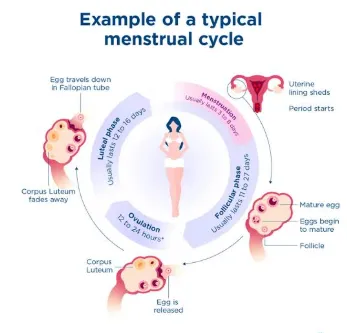
- Treatments & Support:
- Discomfort is usually minimal during this stage, so formal medical treatment is rarely needed.
- Dos:
- Do take advantage of rising energy levels by engaging in challenging activities, exercise, and social events.
- Do focus on a balanced diet rich in protein, whole grains, and fresh vegetables to support tissue growth.
- Don'ts:
- Don't skip meals; keep your energy consistent as your metabolic rate starts to adjust.
Phase 3: The Ovulatory Phase (Around Day 14)
A sharp surge in Luteinizing Hormone (LH) triggers the release of a mature egg from the ovary into the fallopian tube. This is the brief window where fertilization can occur. Some individuals feel a mild twinge on one side of the lower abdomen.- Treatments & Relief:
- Taking a warm bath or relaxing for a short period can soothe any mild ovulation discomfort.
- Dos:
- Do increase fluid intake, as higher hormone peaks require steady hydration.
- Don'ts:
- Don't ignore severe or long-lasting pelvic pain that persists beyond a day or two.
Phase 4: The Luteal Phase (Days 15–28)
The ruptured follicle becomes the corpus luteum, producing progesterone to prepare the uterine lining for potential pregnancy. If fertilization does not happen, hormone levels plunge, often triggering premenstrual symptoms like bloating, mood shifts, and breakouts.- Treatments & Relief:
- Light aerobic exercise, such as swimming or cycling, releases endorphins to support mood and reduce fluid retention.
- Dos:
- Do consume foods rich in magnesium and vitamin B6 (nuts, seeds, bananas) to reduce bloating and support mood balance.
- Do practice stress-reduction activities like deep breathing or journaling.
- Don'ts:
- Don't eat excessively salty foods, which encourage water retention.
- Don't rely on sugary snacks, as rapid blood sugar crashes can worsen irritability and fatigue.
More from ArticlePaid
Why Drinking a Lot of Water Matters In Winter Season
This Article describe the importance of drinking water especially in winter season when our body get dehydrated we need to tackle this issuse by reading this we can .
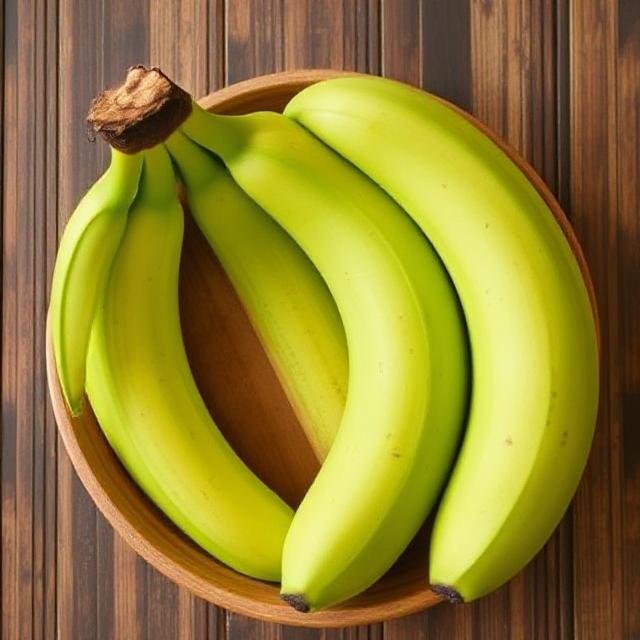
How to Eat Green Banana to Get Its Full Nutrition,healthy.
How to Eat Green Banana to Get Its Full Nutrition and When to Eat It,Best Bananas are among the most consumed fruits worldwide, but did you know that green
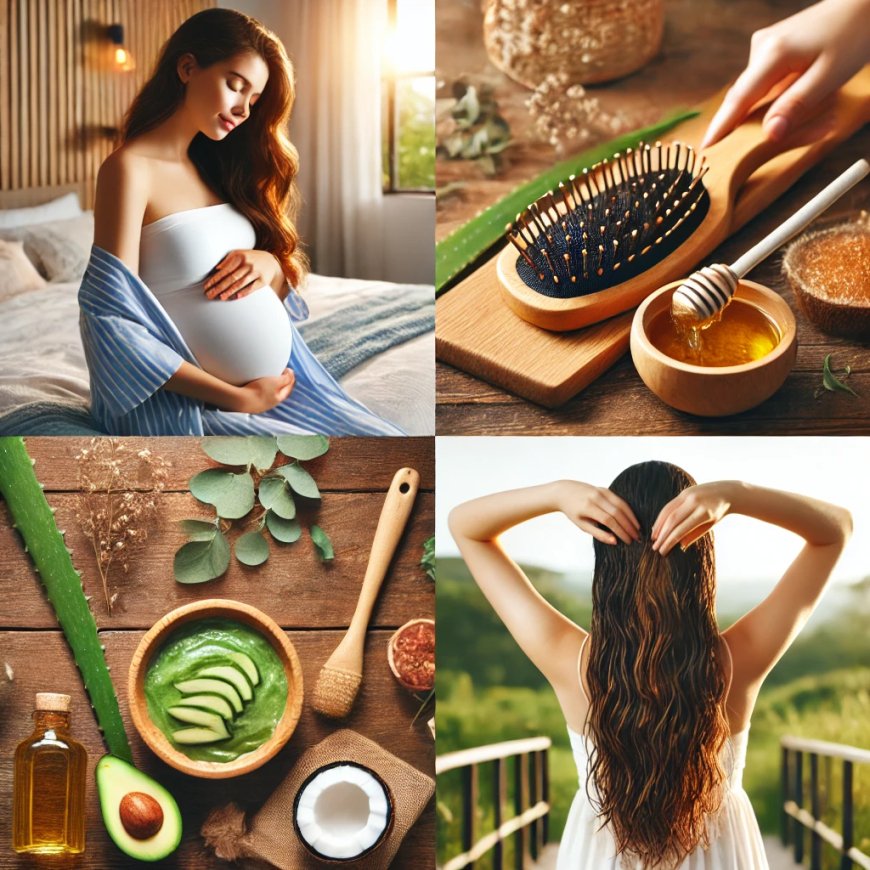
Top Methods for Keeping up with Solid Hair During Pregnancy"
Pregnancy is a period of critical actual changes, and your hair is no special case. By keeping a nutritious eating regimen, following a delicate hair care schedule, and overseeing pressure, you can keep your hair sound and dynamic.

Almond Milk vs. Which is more popular and nutrient-dense,
Almond Milk vs. Which is more popular and nutrient-dense, coconut milk?Plant-based milk alternatives have become an essential part of modern diets, especia
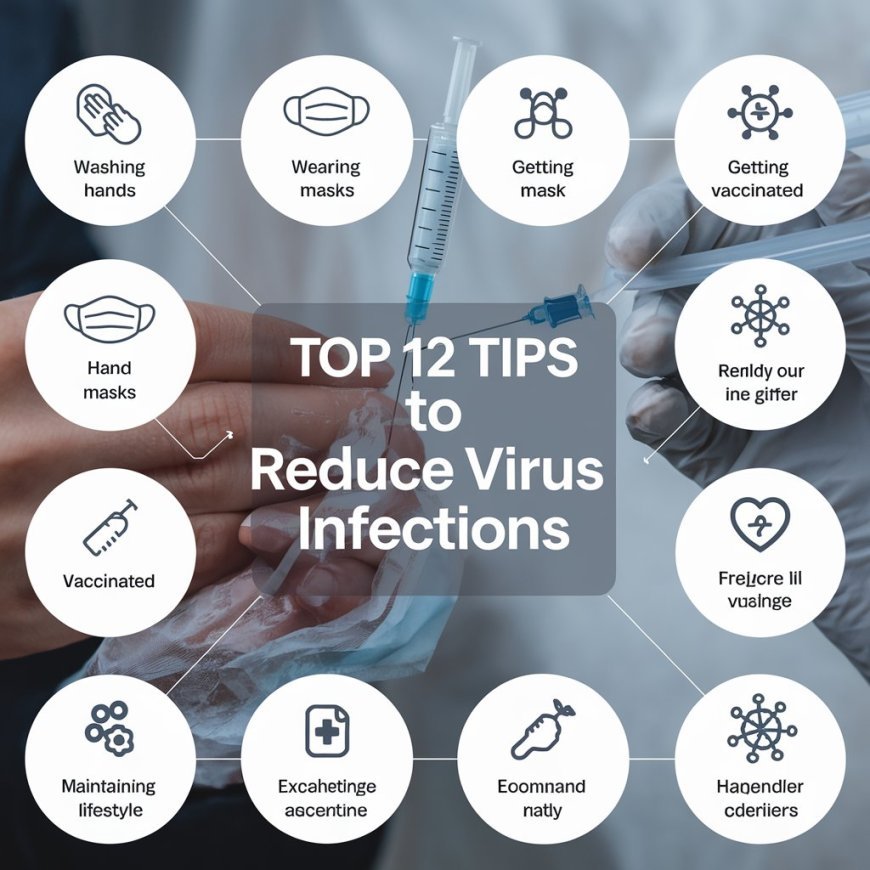
Top 12 Compelling Tips to Forestall Infection Contaminations
By integrating these tips into your everyday daily practice, you can altogether decrease the gamble of infection diseases and appreciate better in general wellbeing. Avoidance is in every case better compared to fix!
Eating highly processed foods may elevate the risk of lung
Recent research indicates a strong connection between highly processed foods HPFs and a higher likelihood of developing lung cancer. The study analyzed dat

Which Is More Beneficial for Weight Loss?Oats vs Quinoa.
Oats vs Quinoa: Which Is More Beneficial for Weight Loss? When it comes to weight loss, choosing the right grains can make a huge difference in your journe
10 Foods with low Glycemic index to lower sugar levels.
Healthy foods
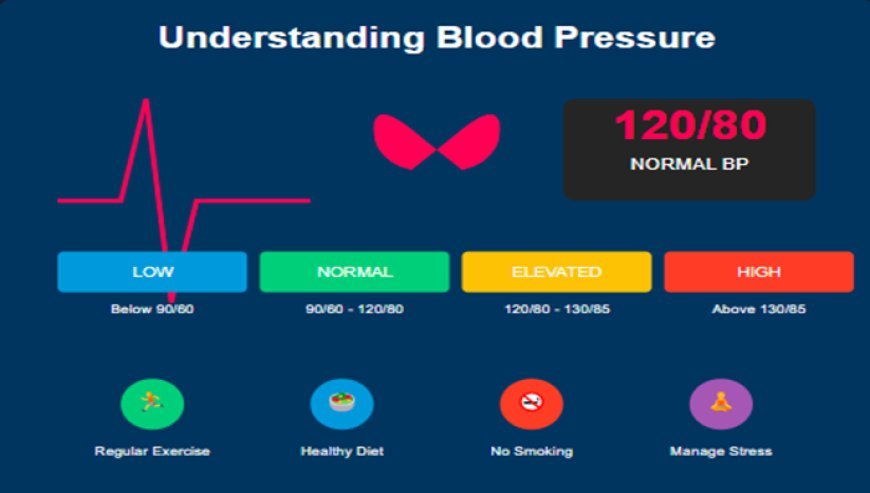
Normal Blood Pressure by Age: What You Should Know
Learn the normal blood pressure ranges by age, why they change over time, and how to maintain healthy levels at every stage of life.
Weekly Top Articles

Best AI Tools in 2026: 10 Tools That Make Everyday Work Easier
Artificial intelligence has become a practical part of everyday work in 2026. From writing and research to graphic design, coding,...

10 Future-Ready Courses Writers Should Consider in 2027
The Concept of Writing Skills Has Changed The role of a great writer is no longer about putting words together to form a good...

Money and Peace Together: 5 Hobbies That Can Earn You Extra Income Today
IntroductionIt is no secret that a person’s leisure time is often limited due to the ongoing hustle for money. However, in some ca...

Creamy Garlic Butter Chicken: A Weeknight Dinner Worth Repeating
Every so often, a dish takes over your social feed and you wonder if it's really that good. This one is. Tender chicken sits in a ...

Top 10 Online Courses to Learn in 2026 for a Successful Future Career
IntroductionThe online courses market is on the rise in 2026, and there are plenty of options suitable for students, job seekers. ...

7 AI Skills Paying $100 Daily In 2026 (No Degree Required)
IntroductionThe world of Artificial Intelligence is booming, offering unprecedented opportunities to make a living and build a sus...








Responses (0)
Sign in to share your thoughts.
Sign in