

The Little Things Parents Do That Children Never Forget
Parenting is often described as one of the hardest jobs in the world. Parents worry about providing food, clothing, education, safety and a better future for their children. But sometimes, the things children remember most are not the expensive gifts or big celebrations.
They remember the little things.
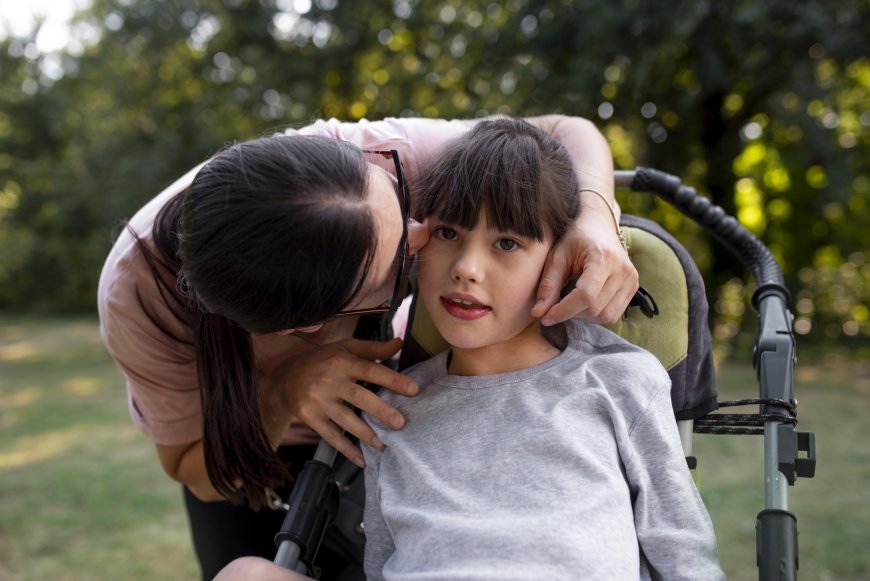
A hug after a difficult day. A parent sitting beside them while they do homework. Someone listening when they are upset. A simple “I am proud of you.” These small moments can become powerful memories that stay with children as they grow.
1. When You Listen to Them
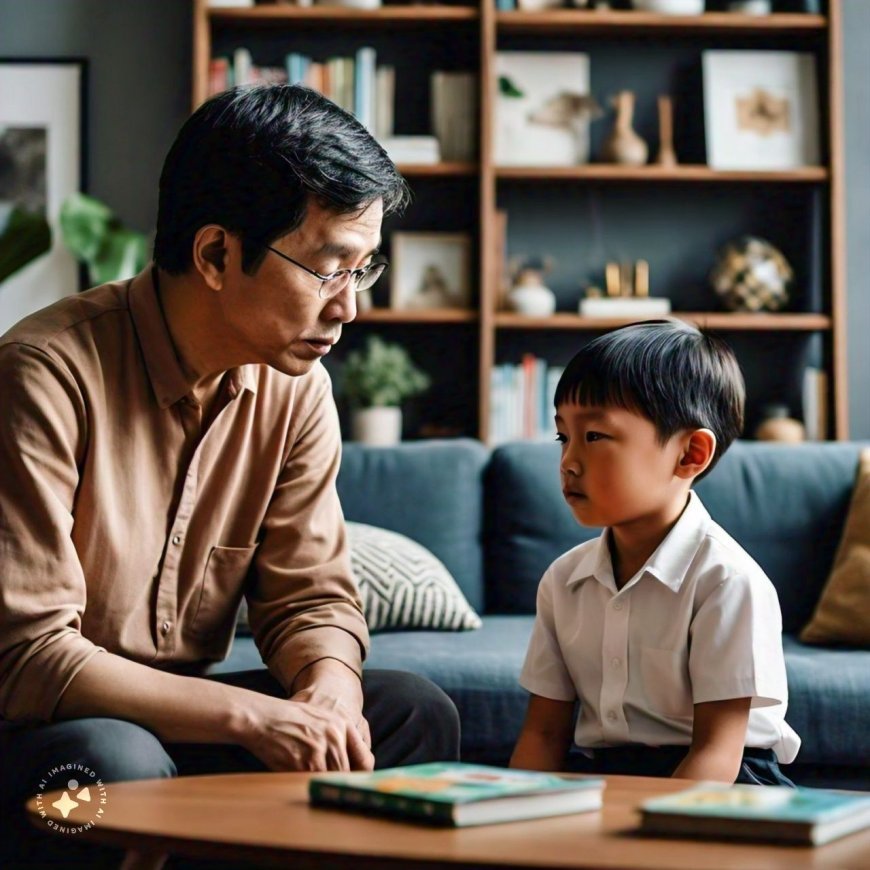
Children want to feel heard.
Sometimes they may talk about something that seems small to an adult, but feels extremely important to them. Taking the time to listen shows them that their thoughts and feelings matter.
Active listening and showing genuine interest can help strengthen the relationship between parents and children.
Instead of immediately giving advice, sometimes simply saying, “Tell me what happened,” can make a child feel safe enough to open up.
2. When You Encourage Them
Children make mistakes. They may struggle with school, friendships, sports or learning something new.
A parent who says, “Keep trying,” can give a child the confidence to continue.
Encouragement doesn't mean pretending everything is perfect. It means helping children understand that making mistakes is part of learning.
UNICEF recommends focusing on children's effort and growth rather than comparing them with others.
3. When You Make Time for Them
Parents can be busy with work, household responsibilities and many other things.
But even a short period of focused time can matter.
You don't always need an expensive family outing. Sitting together, talking, reading, playing a game or sharing a meal can create meaningful memories. Everyday interactions help children feel connected to their parents.
Sometimes, twenty minutes of genuine attention can mean more to a child than an expensive present.
4. When You Say “I Love You”
Children should not have to guess whether their parents love them.
Tell them.
Say it when they succeed. Say it when they make mistakes. Say it when they are having a difficult day.
Love should not only be shown when a child behaves perfectly. Children need to know that they are valued while they are still learning and growing.
5. When You Correct Them Without Humiliating Them
Every child needs boundaries and guidance.
However, correcting behaviour does not have to mean attacking the child's character. Positive parenting focuses on teaching children what went wrong while maintaining respect and connection.
There is a big difference between saying:
“You made a bad choice. Let's talk about what happened.”
and making a child believe they are a bad person.
The first teaches. The second can create shame.

6. When You Believe in Them
A child may remember the teacher who praised them, the friend who supported them and especially the parent who believed in them.
When a child says, “I can't do this,” a parent can sometimes respond:
“You don't know how to do it yet. Let's try together.”
Those words can become part of a child's inner voice.
7. When You Apologize
Parents are human. They make mistakes too.
Sometimes a parent may lose patience or say something they later regret. Saying “I'm sorry” teaches children that adults can take responsibility for their actions.
It also shows children that apologizing is not a weakness.
8. The Memories That Stay
Years later, children may not remember every toy they received or every meal they ate.
But they may remember sitting beside their parent during a difficult night.
They may remember being hugged after a disappointing day.
They may remember someone cheering for them.
They may remember hearing, “I believe in you.”
Parenting isn't about being perfect. No parent gets everything right.
It is about creating a home where children feel loved, heard, guided and safe.
The little moments may seem ordinary today, but one day they can become some of the most important memories a child carries into adulthood.
Final Thought
If you're a parent, don't underestimate the small things.
Listen a little longer.
Give another hug.
Ask how their day was.
Celebrate their effort.
Tell them you love them.
Sometimes, the smallest moments create the biggest memories.





















Responses (0)
Sign in to share your thoughts.
Sign in