

Your Brain's Nightly Movie Theater
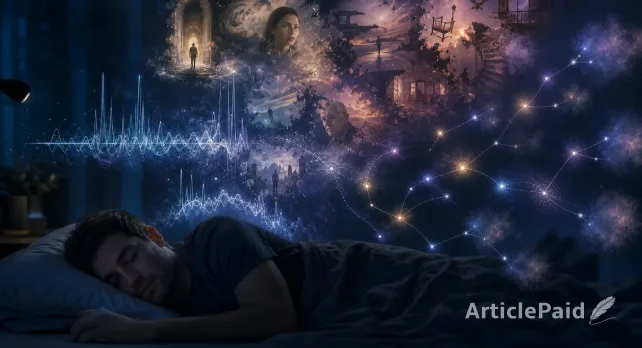
Why Do We Dream? The Big Theories

What Science Still Can't Explain
More from ArticlePaid
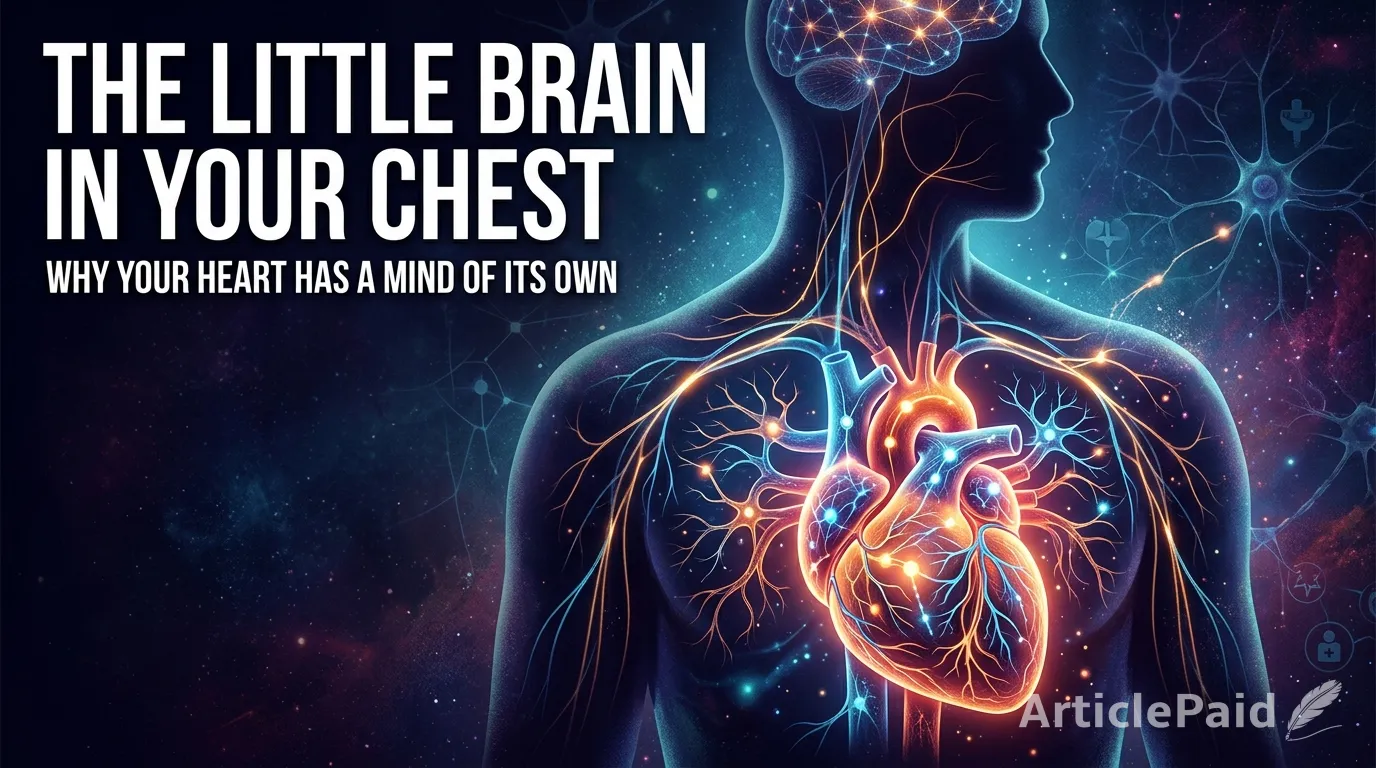
The Little Brain in Your Chest: Why Your Heart Has a Mind of Its Own
The Little Brain in Your Chest: Why Your Heart Has a Mind of Its Own For centuries, science textbooks taught a simple narrati...
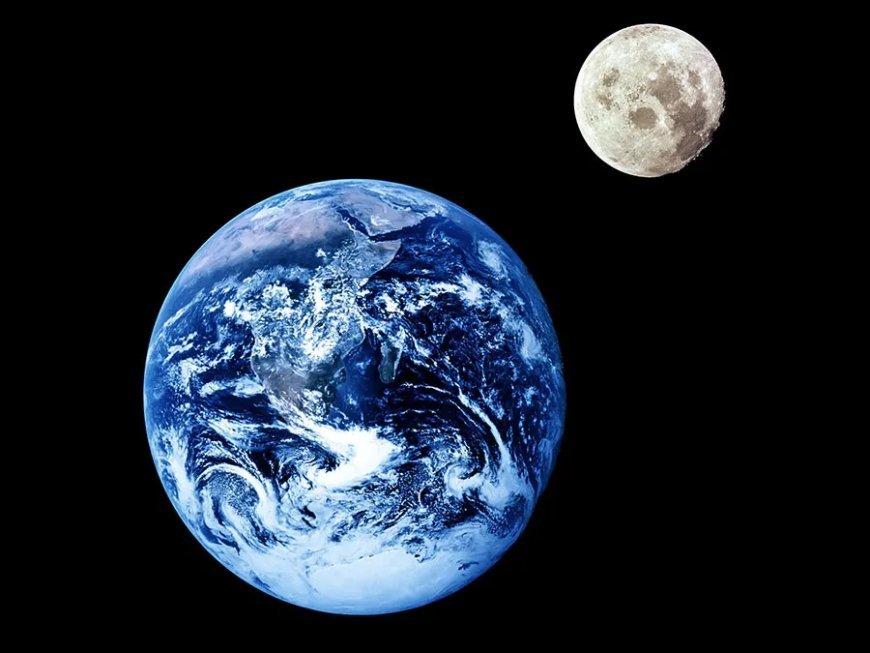
What is the Distance Between the Earth and the Moon
An informative article discussing the varying distance between the Earth and the Moon. It covers concepts such as perigee, apogee, supermoons, and the influence of the moon on ocean tides and solar eclipses.

Global warming cause by us and it's effect
Global warming

Is Climate Change & War Threatening the Global Future by 203
In today’s uncertain global landscape, many people are asking an important question: is the future of the world by 2030 at risk due to climate change and r

"History’s Greatest Mysteries: Unsolved Events That Still Baffle Experts"
"History’s Greatest Mysteries: Unsolved Events That Still Baffle Experts" This article highlights the unsolved mysteries of history, such as the disappearance of the Roanoke Colony, the identity of Jack the Ripper, and the construction of the Great Pyramids. These unexplained events continue to intrigue experts and enthusiasts alike.
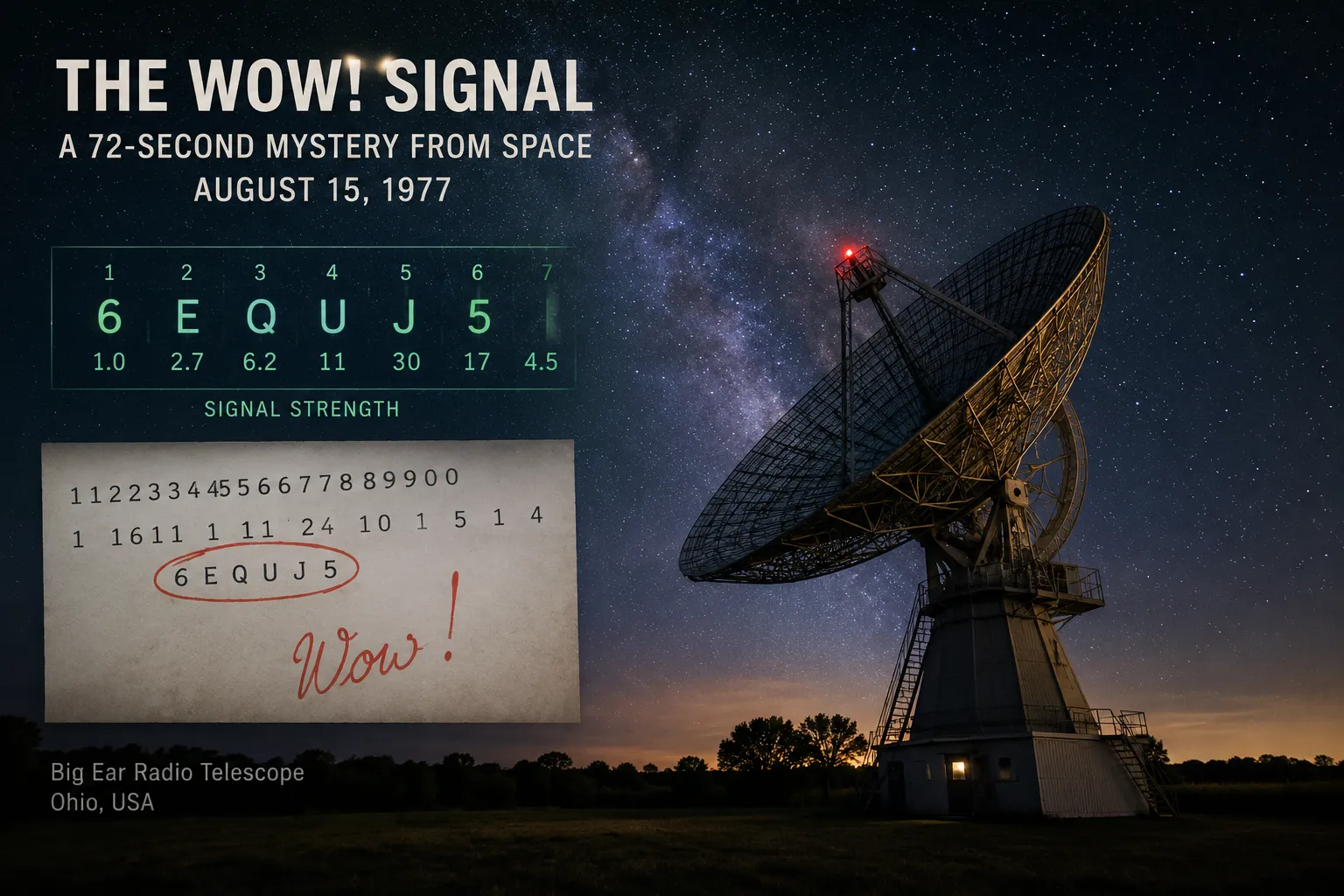
The Wow! Signal: The 72-Second Mystery That Still Baffles Scientists
A Signal That Changed Astronomy ForeverImagine you're a scientist searching the skies for signs of intelligent life. Day after day...
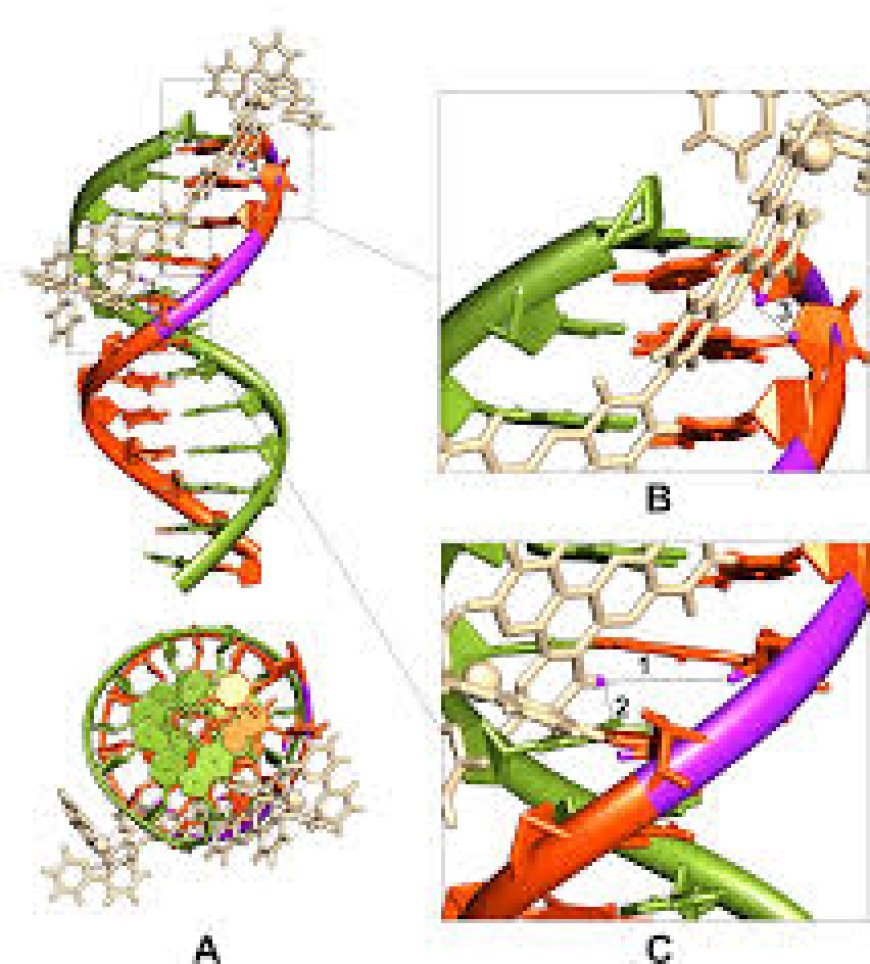
Revolutionizing Single-Cell RNA Sequencing with CSI-GEP
CSI-GEP is a breakthrough computational tool that improves single-cell RNA-seq analysis using scalable, consensus-based NMF. It overcomes limitations of traditional methods by efficiently identifying reproducible gene expression programs, outperforming existing approaches in accuracy and speed.
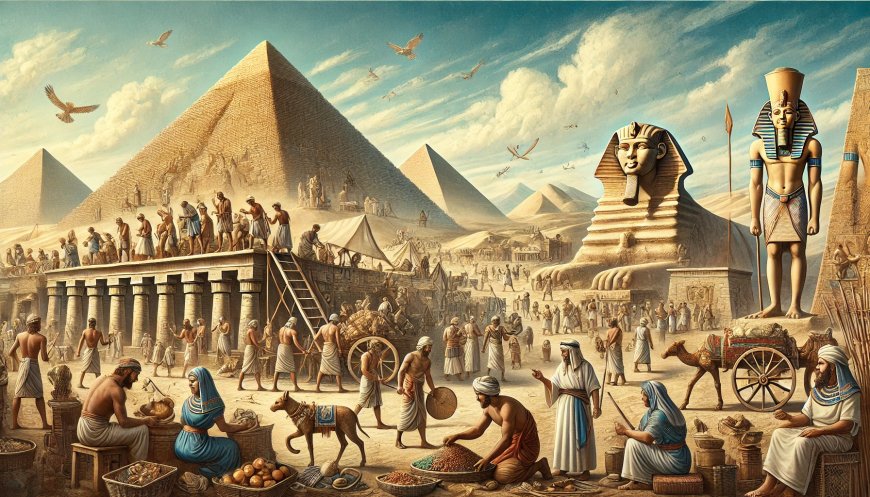
How Ancient Egyptians Built the Pyramids: Engineering Secrets of a Timeless Wonder
The pyramids of ancient Egypt are among the most remarkable architectural achievements in human history. Built thousands of years ago, they continue to fascinate historians, archaeologists, and engineers. The construction of these massive structures involved advanced engineering, skilled labor, and a deep understanding of mathematics and astronomy.

Walking on Water: How Nature’s Aquatic Avians Defy Physics
When we think of animals that walk on water, small insects like water striders or the famous basilisk lizard often come to mind. Y...
Weekly Top Articles

Easy Potato Cheese Balls Yammy and cryspy
Easy Potato Cheese Balls Recipe at Home Potato Cheese Balls Recipe is a delicious and easy snack that you can prepare at home with...

Sweet Memories Come from Good Taste #memories
Food is more than just something we eat to satisfy our hunger. It is a beautiful part of our lives that connects us with our emoti...

Why People Are Choosing Situationships Over Commitment,
You’ve probably been there. Texting someone almost every day, sharing late-night calls, weekend sleepovers, inside jokes, and genu...

Healthy soup for cold& cough- comforting Ginger Garlic soup
IntroductionWarm up with this easy, healthy and tasty homemade Ginger Garlic Soup. This soup has been made using fresh ingredients...

How Can I Use AI to Grow My Business and Make More Money in 2026?
IntroductionArtificial intelligence can make life easier for entrepreneurs, both big and small. Using artificial intelligence tool...
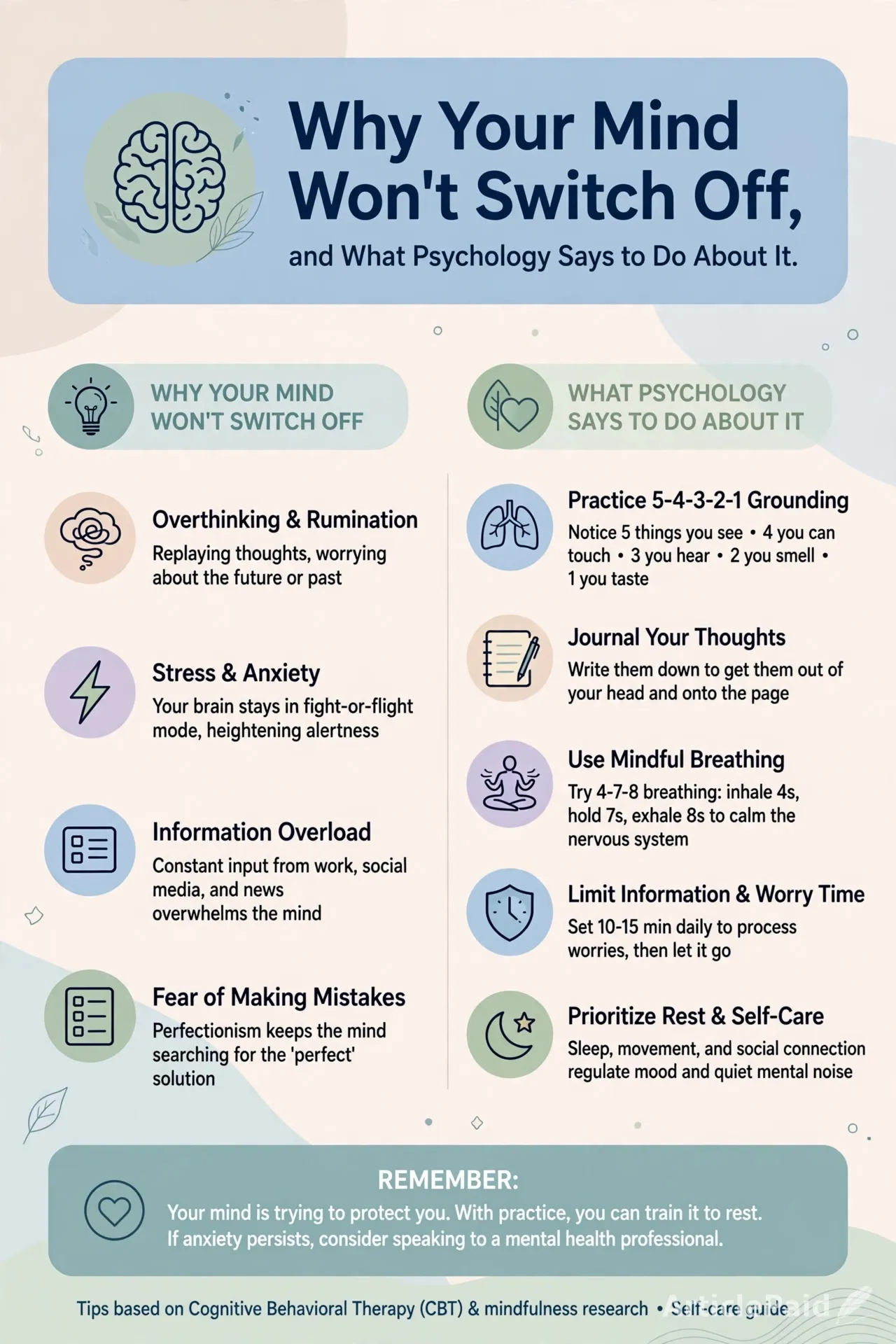
Why Your Mind Won't Switch Off, and What Psychology Says to Do About It
Last month's embarrassing text. Tomorrow's presentation. A decision you've already made but keep re-examining like it's evidence i...








Responses (0)
Sign in to share your thoughts.
Sign in