What Is World Pneumonia Day and How Can Global Action Stop This Preventable?

Introduction
Every year on November 12, healthcare professionals, policymakers, communities, and global organizations come together to observe World Pneumonia Day. Established in 2009 by the Global Coalition Against Child Pneumonia, this international awareness campaign seeks to shine a spotlight on one of the most urgent yet overlooked public health challenges in the world.
Understanding Pneumonia and How It Affects the Body

At NikahNoor.com, discover a platform dedicated to helping Muslims find a compatible life partner and build a future rooted in love, respect, and shared values.
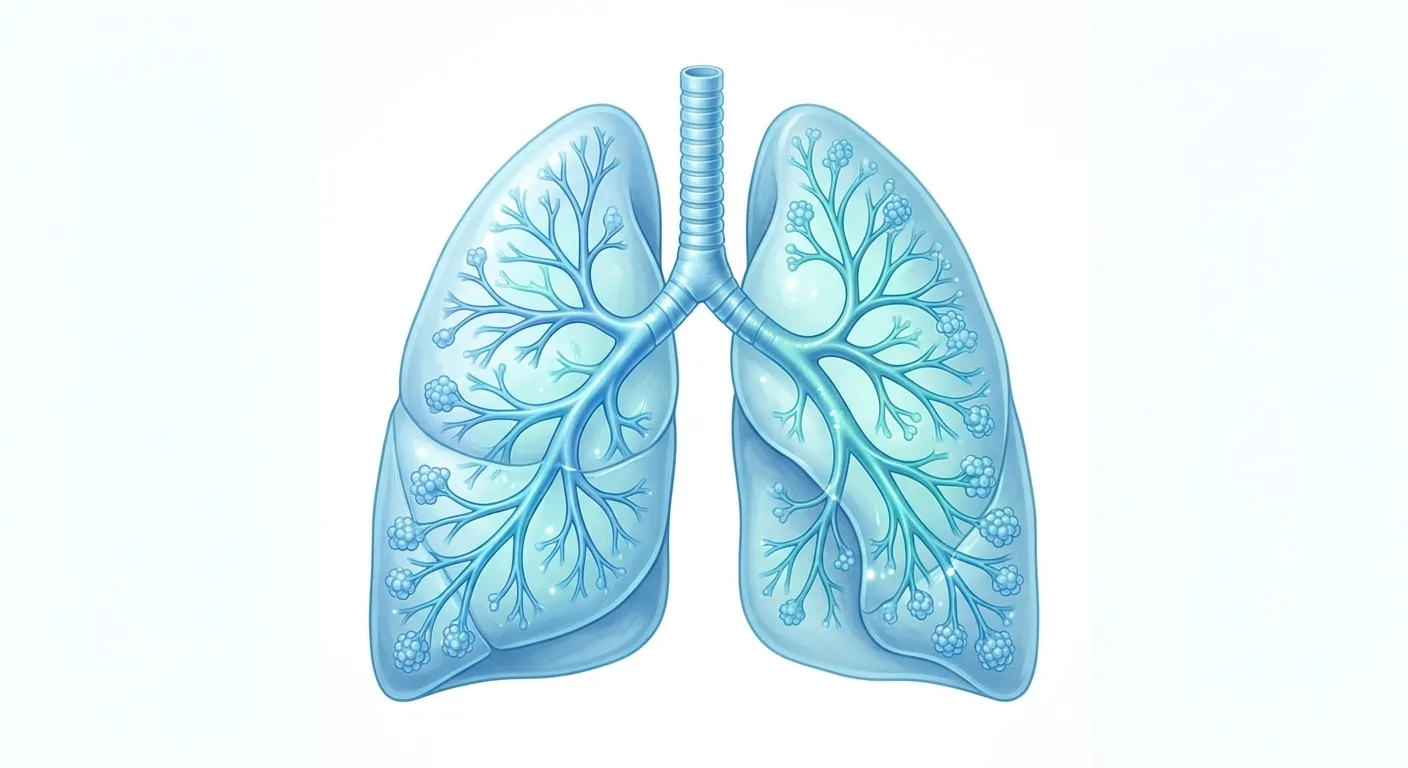
Learn morePneumonia is an acute respiratory infection that directly targets the lungs. In a healthy human body, the lungs are composed of millions of microscopic air sacs called alveoli, which expand and fill with air every time a person breathes, allowing oxygen to pass smoothly into the bloodstream. However, when an individual contracts pneumonia, these tiny air sacs become inflamed and fill with fluid or pus. This fluid buildup makes breathing painful, restricts oxygen intake, and forces the body to work much harder to circulate oxygen to vital organs.
The infection can be triggered by a wide range of microscopic pathogens, including bacteria, viruses, and fungi. Among children, Streptococcus pneumoniae is the most frequent bacterial culprit, followed closely by Haemophilus influenzae type b (Hib). Viral infections such as respiratory syncytial virus (RSV) and influenza are also major contributors. Common symptoms include a persistent cough that may produce phlegm, high fever, chills, chest pain when breathing or coughing, fatigue, and rapid or shallow breathing. Without prompt medical intervention, severe pneumonia can quickly lead to respiratory failure, sepsis, and death.
The Global Burden and Vulnerable Populations

Looking for a Muslim marriage partner? Discover NikahNoor, a Muslim matrimonial platform dedicated to meaningful connections, halal matchmaking and finding a compatible life partner.
Find Your Life PartnerWhile pneumonia can affect anyone, anywhere in the world, its heaviest burden falls disproportionately on low- and middle-income countries, particularly across South Asia and sub-Saharan Africa. In these regions, poverty, weak healthcare infrastructure, and environmental hazards create a dangerous storm of vulnerability. Young children whose immune systems are still developing and elderly individuals whose immunity has naturally declined face the highest risks of severe complication.
Environmental factors play an equally critical role in driving pneumonia rates. Indoor air pollution caused by cooking and heating with solid fuels such as wood, coal, or animal dung exposes millions of families to toxic smoke every day, irritating and damaging delicate lung tissues. Outdoor air pollution, dense urban overcrowding, and poor sanitation further compound the danger. Additionally, undernutrition weakens a child's natural defenses, making them far more susceptible to severe respiratory infections and slower to recover when illness strikes.










Responses (0)