Strength Training for Better Health For Mature Adults


The five most effective strength-training strategies for individuals in their 40s, 50s, and 60s
It is not enjoyable for anyone to experience a decline in physical strength, a decrease in stability, or to discover that carrying groceries requires more effort as they age.
Supplements or costly therapies are employed by certain individuals to alleviate these changes. One of the most advantageous investments in the preservation of autonomy and strength is surprisingly simple: consistently requiring your muscles to exert more effort.

Dr. Emily Miller, an associate clinical professor at the University of California, Los Angeles and a sports medicine physician, maintains that "strength training also improves physical function and independence."
Furthermore, she emphasizes that these and other advantages necessitate neither bodybuilding nor extended gym sessions. Why is strength training important, how does walking fit in, and what are five effective methods for building strength in a safe and consistent manner?
Miller elucidates that age-related muscle loss is the consequence of a variety of changes, including a reduced ability to construct and preserve muscle proteins and modifications to the nerves that activate muscle fibers.. Furthermore, nutritional modifications and increased levels of inactivity may be factors. Over time, these factors can lead to the development of sarcopenia, a muscle disorder that is defined by a reduction in muscle quantity or quality and a reduction in strength. The probability of disability and falls is elevated by this condition.
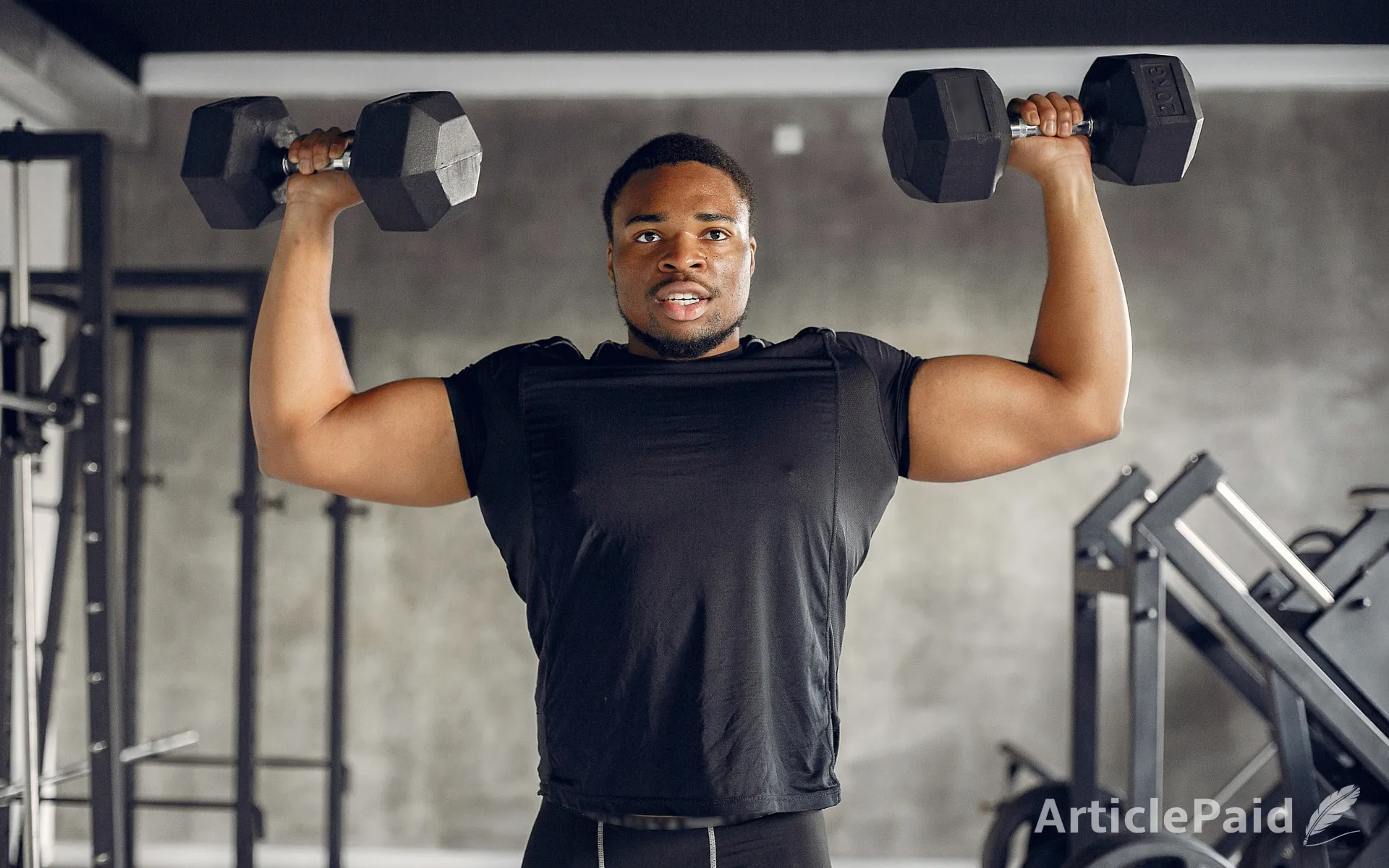
According to Dr. Jordan D. Metzl, a sports medicine physician at Hospital for Special Surgery in New York, the underlying muscle loss typically commences in the 40s but "intensifies with age." He further states that "we begin to lose approximately 10% of our muscle mass per decade by the age of 60."
Miller posits that resistance training can alleviate those changes by applying stress to muscles through the use of weights, bands, or one's own body weight. These activities can "minimize age-associated declines in muscle mass, strength, and power." She asserts that this can also improve mobility, gait velocity, the ability to transition from sitting to standing, and a variety of daily living activities, as evidenced by more than 100 randomized controlled trials.

Strength training can also provide benefits for joint function and comfort, as "stronger muscles help protect aching joints like arthritic knees," according to Metzl. He further explains that the development of muscle tissue also aids in the regulation of blood sugar by enhancing the responsiveness of muscles to insulin and facilitating the absorption of glucose from the bloodstream.
Miller posits that these exercises can also improve bone health by applying stress to bones, which helps to maintain their strength. Metzl asserts, "We are acquiring additional knowledge regarding the anti-inflammatory properties of muscle, which are instrumental in the prevention of disease throughout one's lifetime."
Strength training directly challenges muscles to maintain or build strength, whereas walking complements this work by supporting cardiovascular health, mood, and endurance.

As a result, both are important components of a durable aging regimen. Subsequently, the Centers for Disease Control and Prevention recommend that individuals participate in a minimum of 150 minutes of moderate-intensity aerobic exercise or 75 minutes of vigorous exercise per week, in addition to muscle-strengthening activities on a minimum of two days.










Responses (0)