
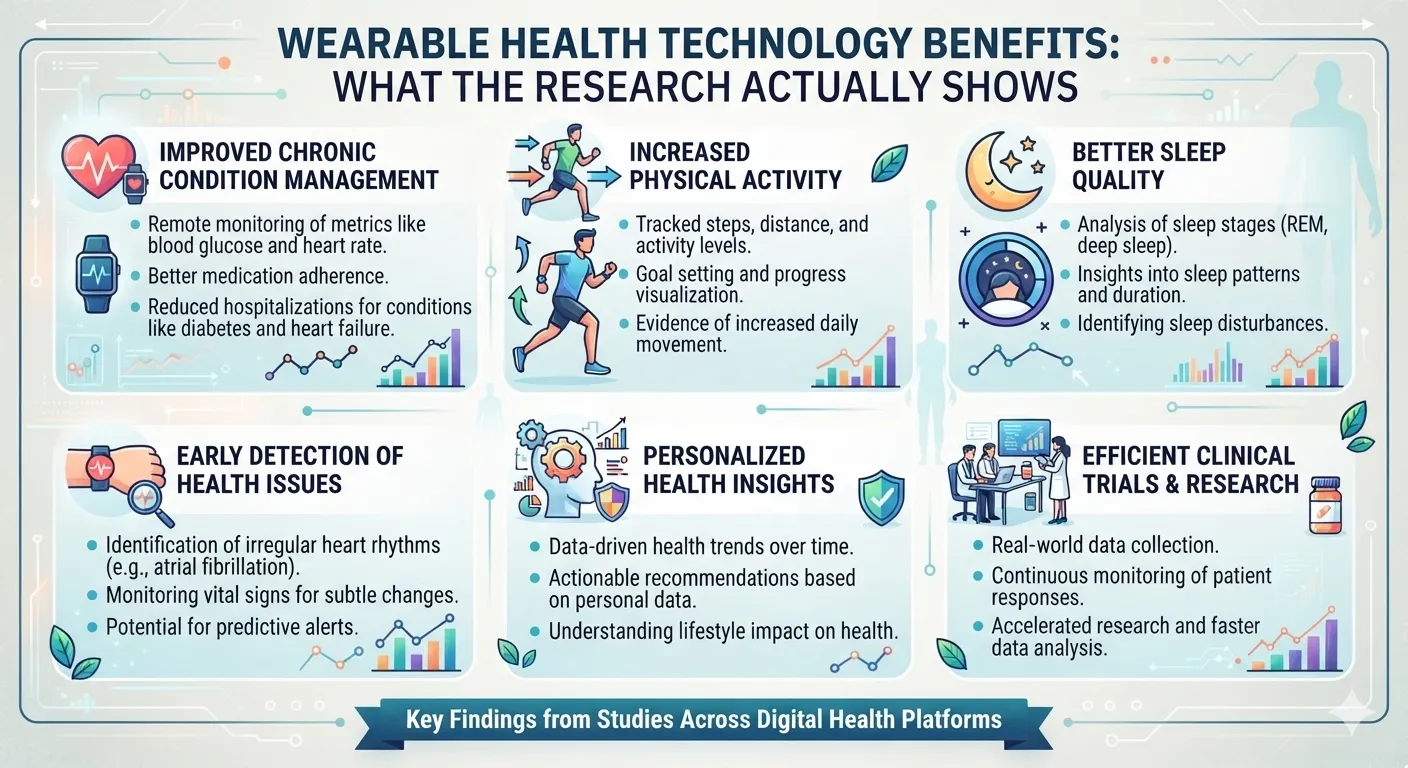
From Fitness Gadget to Health Monitor
This change did not happen overnight. Early wearables used motion-sensing technology to estimate steps and sleep patterns. The real change came with photoplethysmography or PPG which's an optical sensor technology that shines light through your skin to measure blood flow. This technology allowed wrist-worn devices to read heart rate, heart rate variability and blood oxygen levels continuously. This matters because continuous data is different from a snapshot. A doctors office blood pressure reading only shows one moment. A wearable device can catch problems that only show up occasionally.
The Cardiovascular Benefits Are the Documented
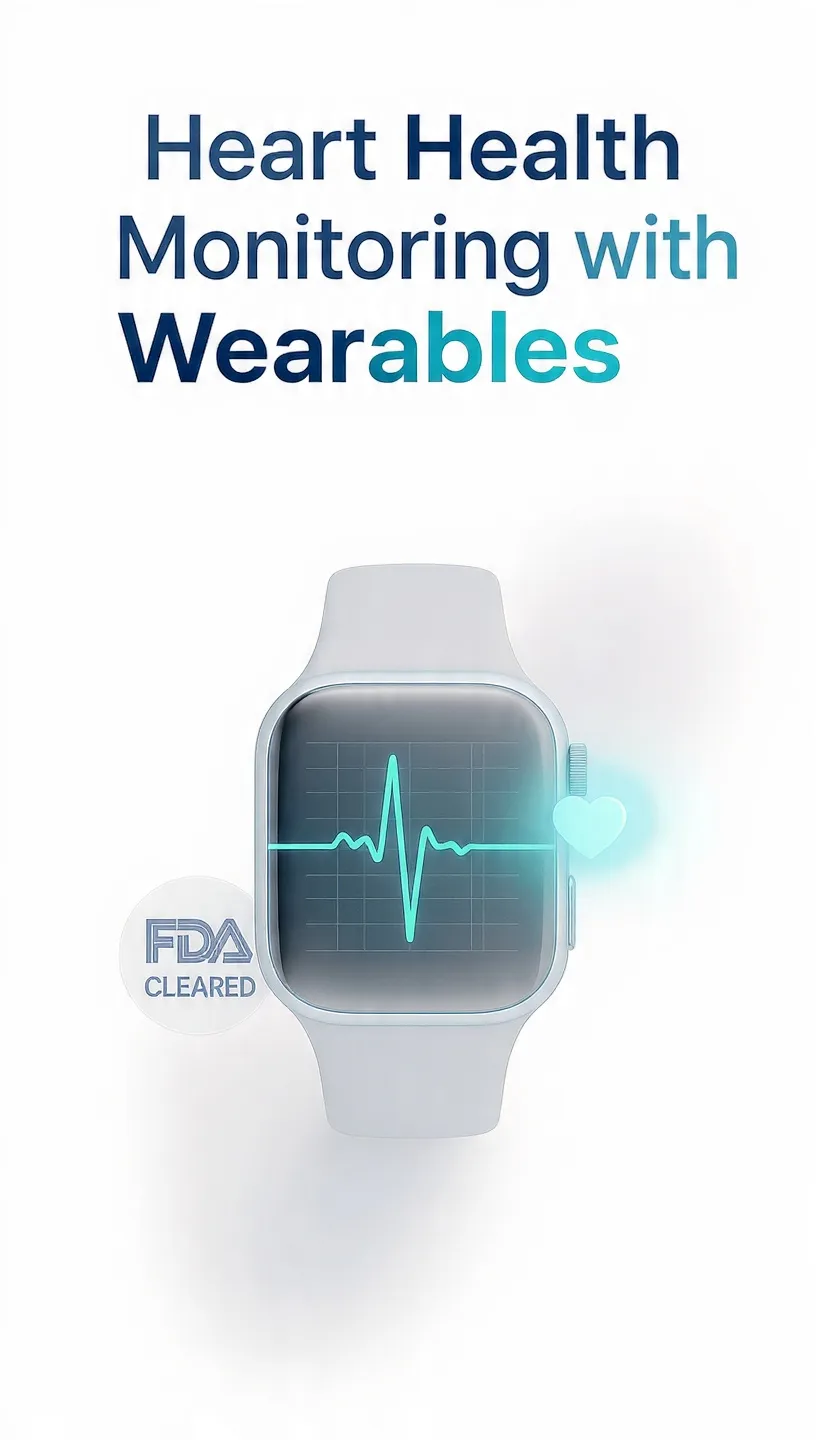
If there is one area where wearable health technology benefits are backed by strong evidence it is heart health. Atrial fibrillation is a heartbeat that raises stroke risk. It is hard to catch because it is often asymptomatic and comes and goes unpredictably. Wearable ECG sensors have changed this. They can detect fibrillation with high accuracy. For example Apples ECG feature has FDA clearance for fibrillation detection. Newer devices are extending into hypertension screening. The Apple Watch Series 11 introduced FDA-cleared hypertension notifications, which is a first for consumer wearables.
Sleep Tracking: Useful, But Know Its Limits
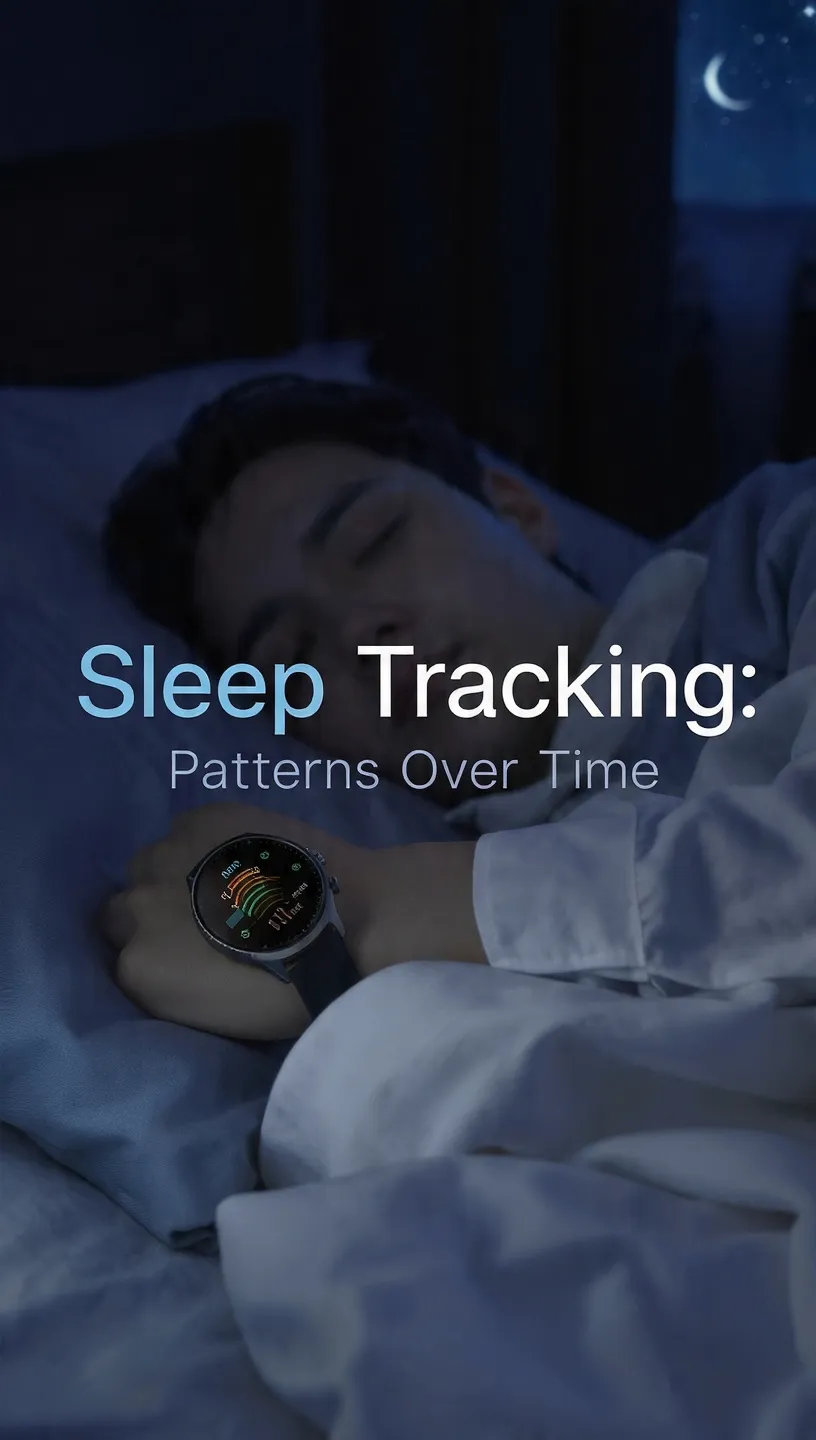
Sleep is where consumer wearables are used the most. It is also where the gap between marketing and science is widest. Modern devices combine motion sensors with heart rate and heart rate variability data to estimate sleep stages. The honest picture from research is that wearables are good at distinguishing sleep from wake. They are not a replacement for clinical sleep studies. They can overestimate sleep time and struggle to distinguish quiet wakefulness from actual sleep. However sleep specialists agree that the value lies in pattern recognition over time not precision on any night.
Chronic Disease Management Gets Personal
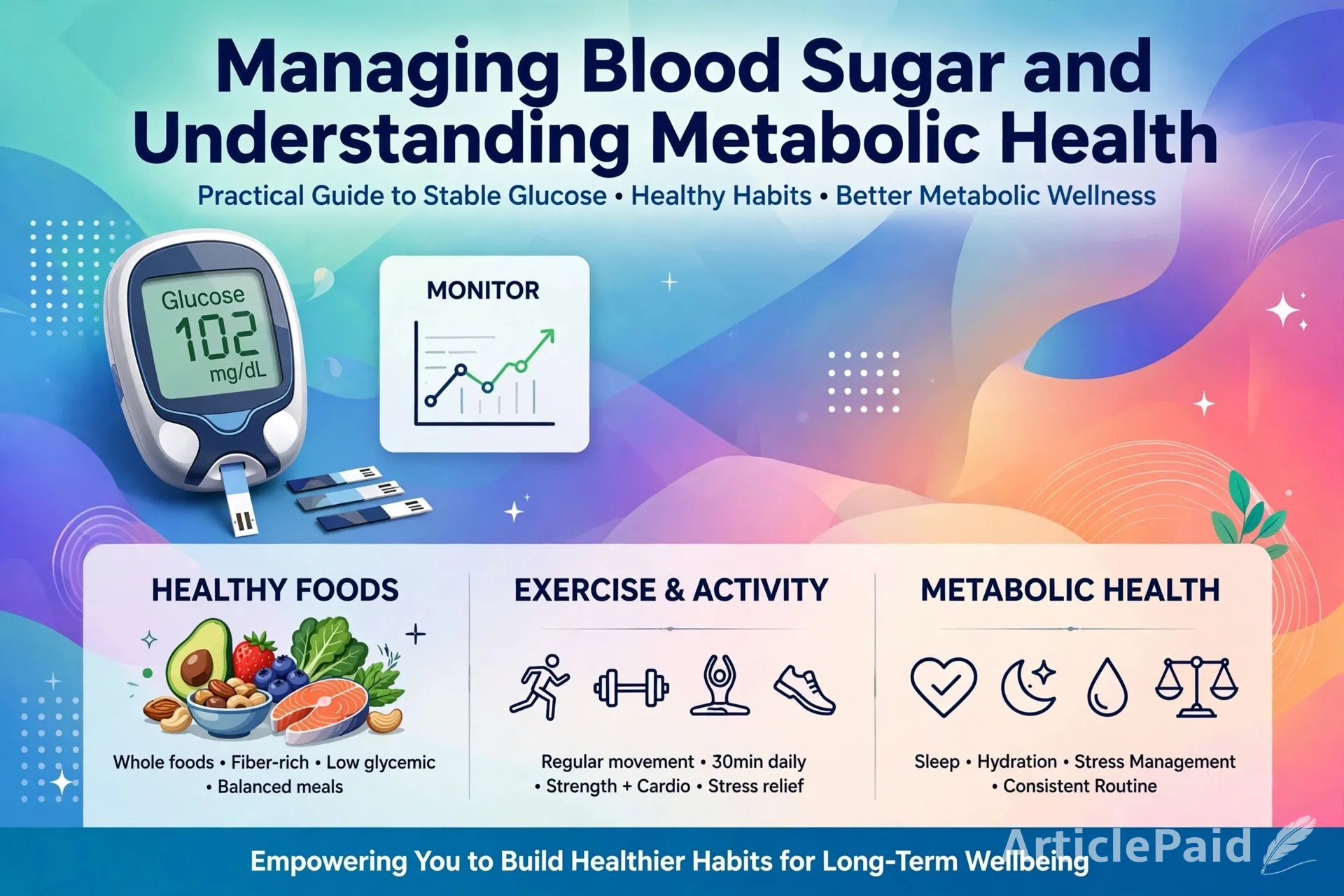
For people managing ongoing conditions like heart failure, diabetes and hypertension wearables offer something traditional care cannot: constant visibility between appointments. Devices that track heart rate, activity, blood oxygen and blood sugar trends let patients and clinicians spot deterioration early. This is particularly significant for heart failure management, where subtle changes in weight heart rate or activity tolerance often precede a hospitalization.
Behavioral Health Benefits
Wearables are not limited to cardiovascular data. Many devices now surface indicators of stress and recovery through heart rate variability trends. This encourages users to notice patterns between sleep elevated stress and mood. It is not diagnostic. It turns abstract feelings into visible trackable data. This makes it easier for people to act on their health whether it is adjusting sleep habits or booking a therapy appointment.
Global Adoption Is Accelerating
use is not a niche behavior anymore. Global wearable device shipments passed 611 million units in 2025 growing 9% year-over-year. Adoption varies by region with India leading the world in ownership. Government health bodies are paying attention with U.S. Health officials announcing a campaign encouraging wearable use for preventive health monitoring.
What the Research Says You Shouldn't Do
Credible researchers are consistent on one point: wearable data should inform your awareness not replace judgment. Interpreting an irregular heart rate notification as a diagnosis or self-treating based on a sleep score is not what these devices are built for. Even manufacturers are careful about this distinction. The data is meant to prompt a conversation with a healthcare provider, not substitute for one. There is also a cost to consider: some people get unduly hooked on their measurements, which can exacerbate anxiety rather than promote health.
The Bottom Line:
Health technology has genuine advantages that are increasingly supported by reliable clinical research.. Wearable health technology benefits are particularly significant for screening, where FDA-cleared features can detect conditions that used to require a hospital visit. Sleep tracking and chronic disease monitoring add value too through long-term pattern recognition. Wearable health technology works best as a low-effort layer of awareness between you and your next doctors visit, not a replacement for either. Wearable health technology is a tool that can help you take care of your health. It is not a substitute, for medical care.





















Responses (0)
Sign in to share your thoughts.
Sign in