These 3 Life-Threatening Conditions Spike When the Weather Turns Cold


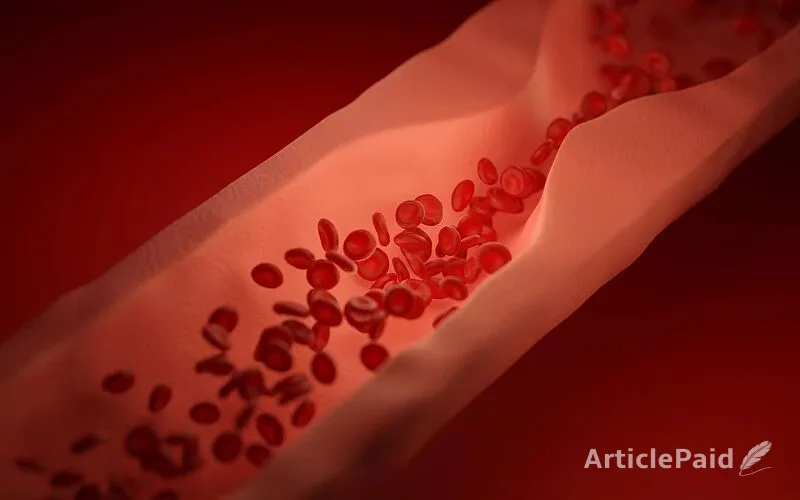
As temperatures drop, hospitals see a sharp rise in patients suffering from stroke and heart attacks. Even people who keep their blood pressure and blood sugar well-managed often overlook how seasons impact blood vessels. In fall and winter, blood flow slows, blood thickens, and blood vessels constrict — making blood clots far more likely to form.
1.Why do blood vessels clog more easily in cold weather?
Blood clots develop when circulation slows, the lining of blood vessels gets damaged, or the blood becomes overly prone to clotting. Cold weather triggers your sympathetic nervous system and narrows blood vessels in the extremities, which raises blood pressure and puts extra strain on the heart. People also tend to move less and drink less water when it is cold, which can slow circulation in the leg veins and concentrate the blood, further raising clot risk. On top of that, respiratory infections are common in cooler months, and inflammation can make blood more likely to clot.
A nationwide study published in European Heart Journal in 2025 by researchers including those from Zhongshan Hospital, Fudan University, analyzed more than a million heart attack patients. It found the risk of heart attack rises significantly within two days to one week after a drop in temperature.

2.The dangers of blocked blood vessels
If a clot blocks a critical blood vessel, it can cause tissue damage and loss of function at best. At worst, it can become life-threatening very quickly. The outcome depends on where the clot lodges: a blockage in a brain artery causes an ischemic stroke; a blockage in a coronary artery triggers a heart attack. If a clot forms in the deep veins of the leg, it can break loose, travel through the bloodstream, and get stuck in the arteries of the lungs, causing a pulmonary embolism. Large ischemic strokes, severe pulmonary embolism, and acute heart attacks are all time-sensitive emergencies where every minute matters for treatment.
3.Warning signs of blocked vessels
(1)Ischemic Stroke
Most strokes happen when atherosclerotic plaque in a brain artery ruptures and forms a clot, or when a clot from the heart travels to block a cerebral vessel. Common warning signs include sudden numbness or weakness on one side of the body, slurred speech, a drooping mouth, temporary vision loss in one eye, and unsteady walking. Some symptoms may fade on their own after a short while. The sooner you receive treatment for an acute stroke, the better your chances of recovery and the lower your risk of long-term disability.
(2)Pulmonary Embolism
This urgent condition often strikes out of the blue, bringing sudden shortness of breath, chest pain, coughing up blood, or fainting. It frequently starts with a deep vein thrombosis (DVT) in the leg. Extended sitting, long bed rest, and limited movement after surgery are major risk factors. Many people first notice one leg suddenly swollen, painful, warm, and red. If you suspect a deep leg clot, get an urgent vascular ultrasound. Never massage or squeeze the swollen leg, because this can dislodge the clot.
(3)Heart Attack
A heart attack occurs when a coronary artery becomes suddenly blocked, cutting off blood flow to heart muscle and leading to tissue death. Typical symptoms include sudden chest tightness, pressure or pain, often paired with sweating and nausea. Older adults and people with diabetes may not feel obvious chest pain. They may only feel exhausted, short of breath, cold and clammy, or have discomfort in the upper abdomen — this is known as a silent heart attack and is easy to miss. If you notice these warning signs, stop all activity right away, rest in a comfortable position, and call emergency services. Do not drive yourself to the hospital.

4.Two key ways to protect your blood vessels in fall and winter
Protecting your vascular health during colder months relies on both daily lifestyle habits and prescribed medication.
Keep yourself well insulated. Wear a hat and scarf outdoors to shield your head and neck. Rise slowly in the morning: stay lying down for one minute after waking, sit for another minute, then stand up.
Avoid early morning workouts. Wait until after sunrise when temperatures climb, to avoid the early-morning blood pressure peak. Drink enough water to prevent your blood from becoming concentrated. Stay physically active, avoid sitting for hours on end, and stand and stretch regularly during long car rides.
Take medications exactly as your doctor directs. Never cut the dose or stop anticoagulants and antiplatelet drugs on your own, as this can bring on recurrent strokes or heart attacks.









Responses (0)