Why some people recover quickly from rejection while others spiral,


Rejection is one of the hardest things to deal with. Whether it comes from a romantic partner, friend, job interview, and/or opportunity it can leave you feeling unsure of yourself and questioning what went wrong.
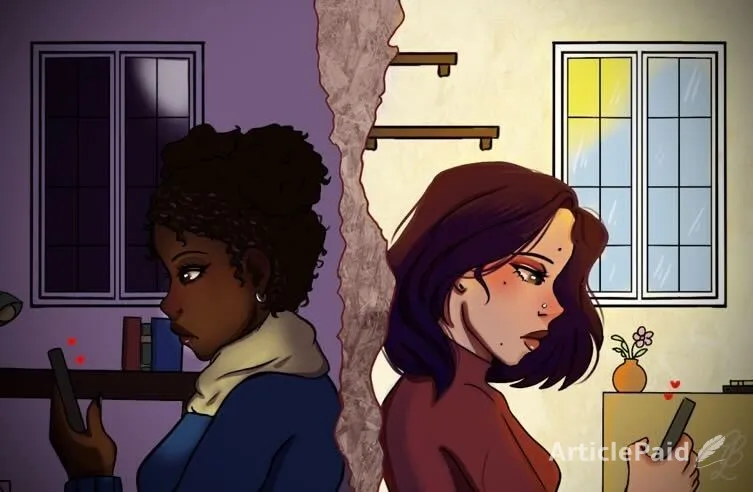
Interestingly, some people will feel disappointed for a short period of time then accept what has happened and move on. However, others may ruminate about it for weeks or even months.
Why would this happen? Does it mean that some people are more emotionally resilient?

Not necessarily. It can be due to a variety of factors including:
Their self-esteem
Past experiences
Emotional patterns
Support system
Ability to cope with negative emotions
All of this can help to be more compassionate with ourselves and others.
1. Self Esteem
Those with a general sense of self worth may find it easier to detach from the rejection.
For example, if they didn’t get the job they may feel disappointed but realise that just because one employer decided against them doesn’t mean that they aren’t capable or have a future.
However, those with low self esteem that rely heavily on others may feel like they aren’t good enough or no one will ever pick them.
The difference between these two people is the meaning they attach to the situation.
Improving self esteem will help you learn to value yourself over other peoples opinions, decisions and validation.
2. Past Experiences
Often our past experiences can affect how we react to new situations.
Those who have had many negative experiences such as constant criticism, rejection, bullying and challenging relationships may find rejection very difficult. This can cause them to ruminate over the rejection as they relate it back to their past experiences and feel as though it is a huge issue.
For example, if they weren’t invited to a social event they may think back to feeling unloved in their childhood.
Alternatively, someone with more positive experiences may be able to see it as a temporary setback.
This does not mean that those with negative past experiences can’t recover. Often times you need to understand how you are feeling emotionally to help you heal.
3. Overthinking
Rejection can be very challenging if you overthink.
After a disappointing situation you may begin to ruminate over:
What did I do wrong?
Why did they pick someone else?
Was there something I should have said?
Did they ever actually like me?
What if I never get another chance?
Whilst sometimes reflecting can help you to learn from the situation, constantly analysing will cause you to feel more emotionally distressed.
Try to focus on what you can learn from the situation. Don’t try to answer all your questions.
Not every situation will have a clear reason for the rejection. Sometimes it is best to accept that you won’t know.
4. Emotional Support
Those with a good support network of friends, family or trusted individuals may find it easier to process the rejection.
Talking about the negative feelings can help you feel understood. Having someone who can provide a fresh perspective can help you too.
Those who feel like they don’t have support may ruminate over their negative feelings.
However, you don’t need a big support network. Even having one friend, family member or mental health professional can make a real difference.
Positive relationships will help you realise that just because one person rejected you doesn’t mean no one will like you.
5. Resilience
Resilience is the ability to adapt and bounce back in challenging times. It doesn’t mean that you won’t feel sad, embarrassed, disappointed or hurt.
Those who bounce back from rejection often let themselves feel these emotions but don’t let it impact their whole life.
They may take some time to reflect and accept what has happened. After this they will slowly begin to go back to their usual routine.
They will also realise that rejection is part of life. Not every opportunity will work out and not everyone will value or pick you.
Resilience can develop over time. By being in tune with your emotions, using healthy coping strategies, having a good support system and learning from challenging situations.
6. Fear Of Rejection
Some people may fear feeling the same negative emotions after a painful rejection.
This may cause them to avoid applying for new jobs, meeting new people, entering relationships and/or opportunities.
Whilst this may feel comforting it can stop you from having positive opportunities.
You don’t need to be fearless, however you can slowly start to try again. Start with small steps.
Apply for another opportunity, reach out to those who support you or try something you were avoiding.
Every positive step can help build your confidence back up.
7. Social Comparison
Comparing yourself to others can make the situation feel worse.
For example, if you were rejected in a romantic relationship you may look around and feel like everyone else seems to find love easily.
If you weren’t promoted you may compare your career progression to those around you who seem more successful.
However, rarely will people talk about their whole story. Especially on social media where they only show certain parts.
You don’t need to be progressing at the same rate as others.
Don’t compare how you are recovering. Focus on what makes you feel healthier and more confident.
How To Healthily Bounce Back From Rejection
If your confidence has been affected by the rejection remember that you don’t need to bounce back straight away. Here are a few tips:
Let yourself feel disappointed.
Don’t take it personally. Just because someone made a decision about you doesn’t mean you aren’t valuable.
Don’t overthink. Reflect on any useful lessons but don’t analyse things that you can’t change.
Reach out to those who make you feel supported and valued.
Keep up your routine. Keep doing healthy things to keep your life structured.
Give it another go when you feel ready. One disappointing situation shouldn’t stop you from future opportunities.
If you are constantly feeling emotionally distressed or it is impacting your daily life speak to a qualified mental health professional.

Conclusion
Some people will bounce back from rejection quickly whilst others will struggle with it for a long time. This isn’t due to them being more emotionally resilient but can be due to their self-esteem, past experiences, thought patterns, emotional support and resilience.
Remember that just because you are taking longer to bounce back doesn’t mean you are weak. We all cope with disappointment differently.
Just because you were rejected doesn’t mean you need to see yourself any differently.
Whilst you can’t control who picks you, you can learn to stop letting every rejection affect how much you value yourself.







Responses (0)