What Is Anhedonia?
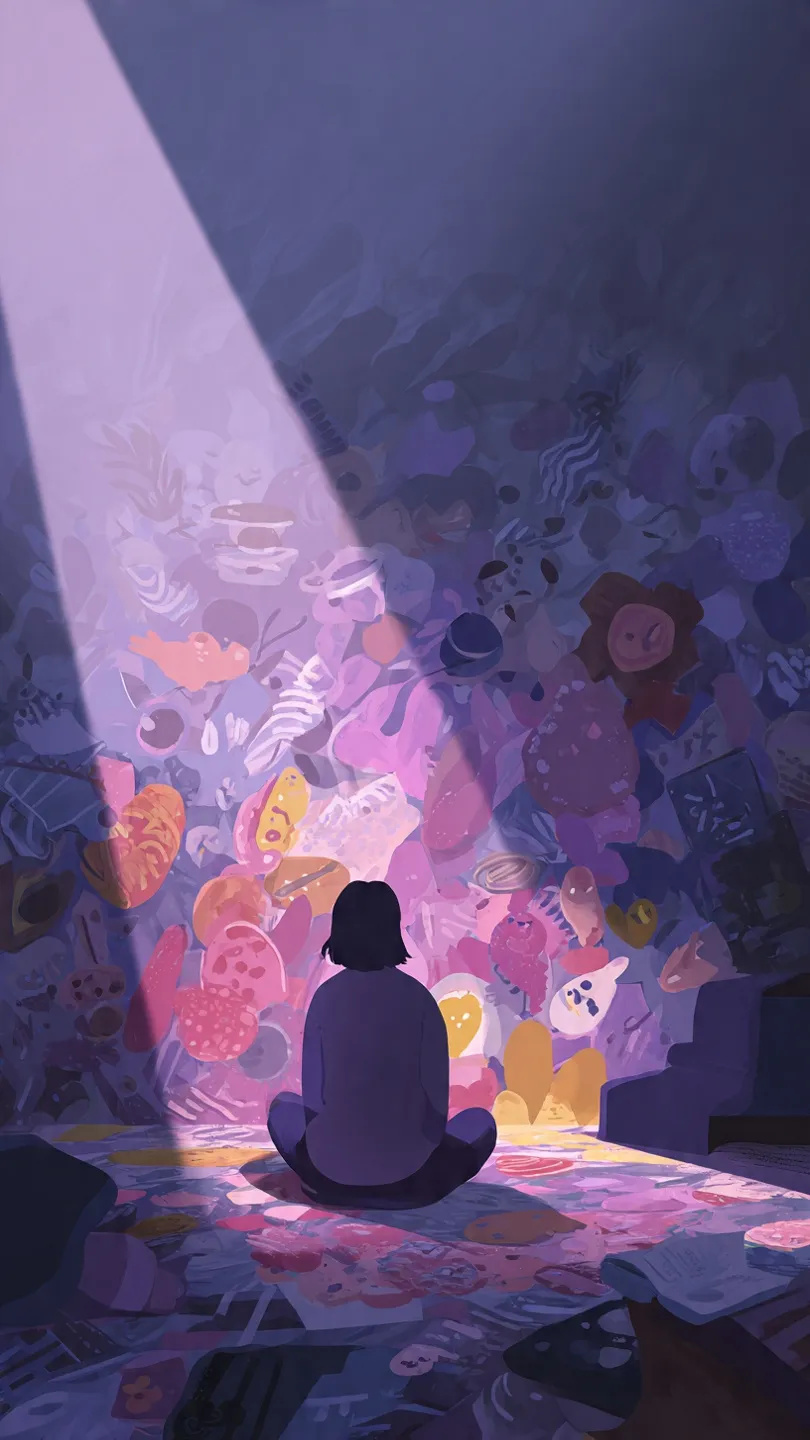
Imagine your favorite song playing. Your favorite food on the table. A hug from someone you love.
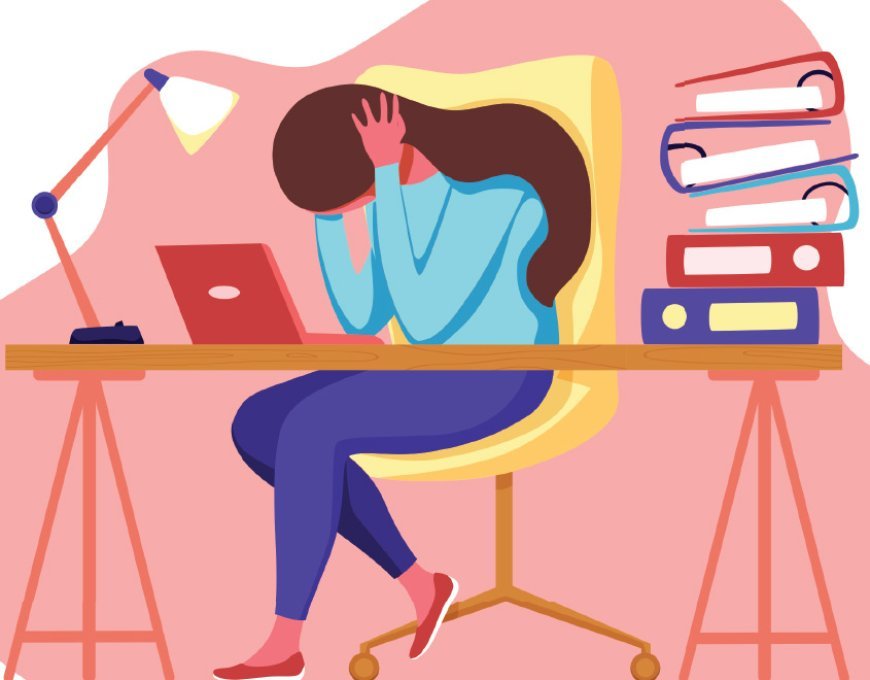
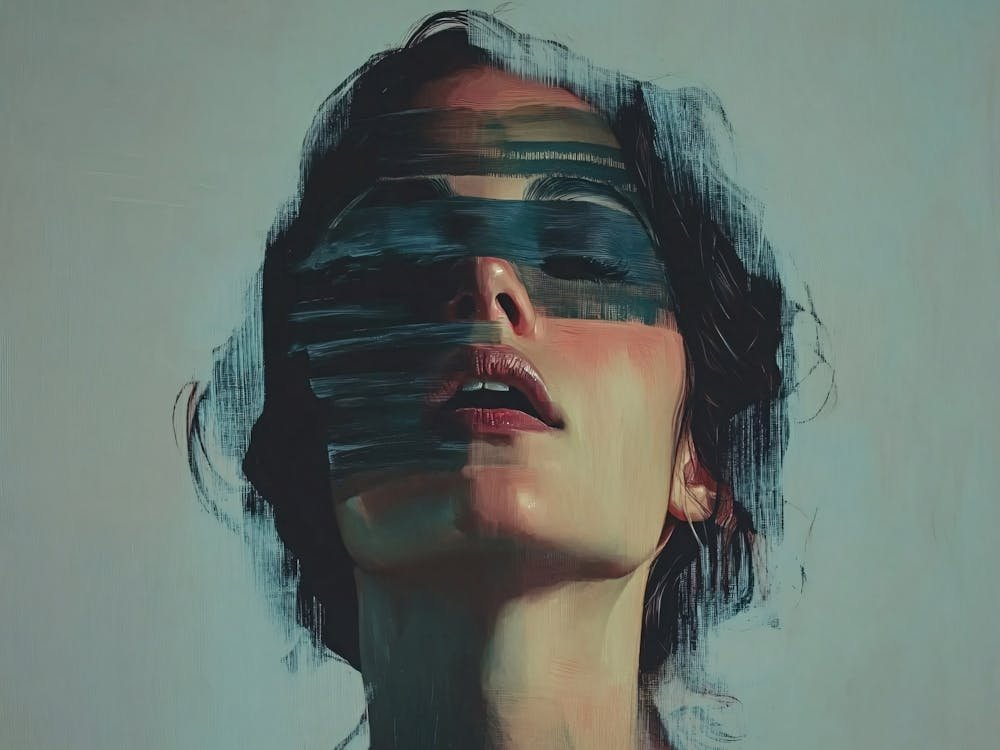
Now imagine feeling... nothing. No smile. No warmth. No "yay".
That’s Anhedonia.
The word comes from Greek: an = "without" + hedone = "pleasure".
Anhedonia = The inability to feel pleasure from things you used to enjoy.
It’s not sadness. It’s not laziness.
It’s like the "volume button" for joy got turned down to zero.
Doctors call it one of the core symptoms of depression. But it also shows up in other mental health conditions.
And it’s way more common than people talk about.
The 2 Types of Anhedonia - Science Breaks It Down
Researchers now split anhedonia into 2 parts. This helps with treatment.
1. Consummatory Anhedonia
"In-the-moment pleasure is gone"
Example: You eat chocolate. It tastes fine, but you don’t feel happy.
You watch a comedy. It’s funny, but you don’t laugh inside.
The reward in the moment just isn’t registering.
2. Motivational Anhedonia
"I don’t even want to try"
Example: You used to love painting, gym, meeting friends. Now your brain says "what’s the point?"
You don’t look forward to anything. Planning feels exhausting.
Why this matters:
Most people with depression have both.
But someone with Parkinson’s might only have motivational anhedonia.
Someone with schizophrenia might have more consummatory anhedonia.
Knowing the type helps doctors pick the right therapy and meds.
The Brain Science: What’s Actually Happening?
Anhedonia isn’t "being ungrateful". It’s brain chemistry.
Key player: Dopamine
Dopamine is your brain’s "reward chemical". It’s not just about pleasure. It’s about wanting, motivation, and learning.
When you do something good, dopamine spikes. Your brain goes "do that again!"
In anhedonia, the dopamine reward circuit isn’t working right.
Main areas involved:
1. Nucleus Accumbens - "This is awesome!" center
2. Prefrontal Cortex - "Let’s plan to do fun things" center
3. Ventral Tegmental Area - dopamine factory
Studies using fMRI show people with anhedonia have less activity in these areas when shown happy images or money rewards.
Other factors:
- Inflammation: High inflammation in the body is linked to low dopamine
- Stress: Long-term stress damages dopamine neurons
- Other chemicals: Serotonin, glutamate, and opioids also play a role
So when someone says "just go out and have fun", their brain literally can’t produce the "fun" signal right now.
Anhedonia + Mental Health Conditions
Anhedonia shows up in more places than just depression.
Major Depressive Disorder - MDD
This is the #1 place you see it. ∼70% of people with depression report anhedonia.
It’s actually a stronger predictor of suicide risk than sadness itself. Because if nothing feels good, why keep going?
Schizophrenia
Negative symptoms include anhedonia + flat emotions + social withdrawal.
Here it’s often consummatory type. They can want to socialize but not feel the reward.
Bipolar Disorder
Shows up in depressive episodes. During mania, the opposite happens - too much pleasure seeking.
PTSD
After trauma, the brain shuts down pleasure to "stay safe". Nothing feels safe enough to enjoy.
Parkinson’s Disease
Dopamine neurons die. So motivation and pleasure drop even without depression.
Substance Use
Drugs flood dopamine. Over time your brain stops making its own. Natural things feel numb. That’s anhedonia too.
Key fact:
You can have anhedonia without being "depressed" on paper. But it’s always a red flag for mental health.
How Common Is It?
- Lifetime prevalence:
∼10-15% of the general population experiences some anhedonia
- In depression:
37% to 70% depending on the study
- Gender:
Slightly more common in women, but men report it more severely
- Age:
Can start in teens and get worse with age if untreated
- 2026 data:
Post-COVID studies show anhedonia rates doubled because of isolation, screen time, and chronic stress
It’s not rare. It’s just rarely named.
How Do Doctors Test For It?
There’s no blood test. It’s diagnosed through talk + questionnaires.
Common tools:
1. SHAPS - Snaith-Hamilton Pleasure Scale
14 questions about enjoying food, socializing, hobbies.
2. DARS - Dimensional Anhedonia Rating Scale
Checks consummatory vs motivational.
3. Clinical interview - "What did you used to love?
Do you still look forward to it?"
Doctors also rule out physical causes: thyroid issues, chronic pain, vitamin D/B12 deficiency, and some medications can cause it.
Treatment: Can Joy Come Back?
Yes. Anhedonia is treatable. But "just cheer up" doesn’t work.
1. Therapy
- CBT:
Challenges "nothing matters" thoughts and schedules tiny rewarding activities
- Behavioral Activation:
The #1 treatment. You do small activities even if you don’t feel like it. Action comes before motivation.
- MBCT:
Mindfulness helps you notice tiny moments of okay-ness again
2. Medication
- SSRIs/SNRIs:
Help depression, but sometimes make anhedonia worse at first
- Bupropion:
Boosts dopamine. Often better for anhedonia
New research 2025-2026: Ketamine and psilocybin trials show fast improvements in anhedonia by "resetting" reward circuits
3. Lifestyle
Sleep, exercise, sunlight, and social connection slowly rebuild dopamine sensitivity.
Living With Anhedonia: What Actually Helps
If this is you right now:
1. Name it
"This is anhedonia, not me being broken."
2. Lower the bar
Don’t aim for "joy". Aim for "0.5% less numb". 5 min walk. 1 song.
3. Do it anyway
Motivation follows action, not the other way around.
4. Tell someone
Isolation makes anhedonia worse. Say "I’m not feeling pleasure, can you sit with me?"
5. Track tiny wins
"I drank water. I stepped outside." That’s data for your brain.
Recovery is slow. But brains are plastic. The circuit can heal.
Conclusion: Anhedonia Is Not The End of Joy
Anhedonia lies to you. It says "nothing will ever feel good again."
That’s the symptom talking.
The truth: Your reward system is injured, not deleted.
With treatment, time, and small steps, the color comes back.












Responses (0)
Sign in to share your thoughts.
Sign in