

Accepting That Low-Energy Days Are Normal
 If you’re running low on energy, it doesn’t mean you’re lazy or lack motivation. You need to accept that low-energy days are normal and that it is okay. Just because doing a small task feels like taking hours, you need to revamp your routine to save your energy without burning out.
 Redefining What Counts as "Writing"
When it comes to writing, you probably think about hitting keyboards on the page or jotting down ideas in your notebook. But writing content isn’t about typing letters or words on the blank page; writing includes many interpretations.
Examples:
Brainstorming ideas
Reading books, articles, etc.
Collecting research
Organizing notes
Editing old drafts
Creating outlines
Choosing titles
Small wins keep my momentum alive, reminding me that even modest progress is still meaningful.
My Low-Energy Writing Strategy
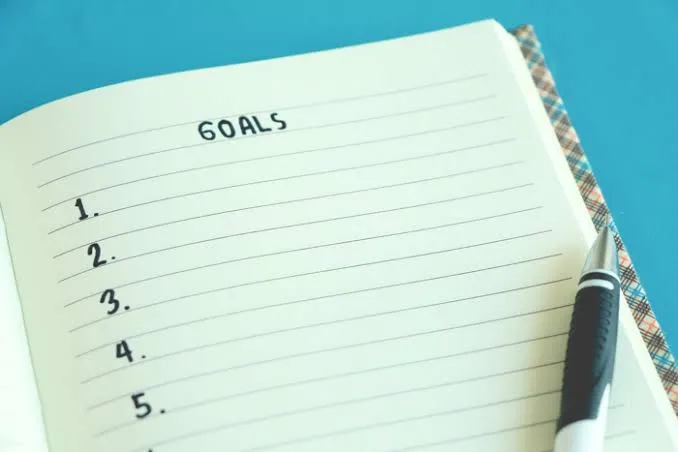
Your energy level depends on how you adapt to your routine and writing habits. Since everyone, including myself, is struggling to cope with low energy, here are the simple ways to maintain your writing strategy without burning you out.1. Start with the easiest task
If you have a task that is easy and takes less than 2 minutes, do it immediately. Don’t wait until you are ready or feeling motivated to commit to the task.
Such tasks are easy and require little or no effort at all. Every easy task reduces resistance and allows you to build a small amount of productivity.
Examples:
Rename documents
Fix grammar
Update headlines
Save useful links
Drafting outlines
2. Set a tiny goal
When I wake up with almost no energy, I don't expect myself to write an entire article. I simply open my draft and aim for 100 words.
Following small goals is easier to start, and starting often creates the momentum naturally. Once you complete a small goal, you will feel a little rewarded and disciplined to continue the next goal.
Examples:
Write 100 words
Edit one paragraph
Brainstorm five ideas
Read a few pages
3. Stop chasing perfection
I used to believe that writing requires perfectionism, then later I realized that chasing a polished work will make you mentally exhausted.
Accept the fact that your first drafts aren’t polished, and that is alright. No one expects you to write a first draft and call it perfect. To avoid chasing perfection is to permit yourself to write messily.
Forget about sentence structure, grammar, and punctuation. Once you stop chasing perfection, editing becomes much easier because you're no longer trying to perfect every sentence while writing.
4. Know when to stop
Pushing through complete exhaustion will make you suffer burnout, resulting in poor work. Since you are not wired to work around the clock, work for around 15-20 minutes until you feel tired. Listen to your mind and body and know when to stop.
Sometimes the most productive decision is ending early. To write content when your energy feels low is to stop when you cannot work anymore. In my writing career, I’ve never pushed myself to work harder; I stop when I feel low and continue to work the next day.
Creating an Environment That Helps Instead of Hurts
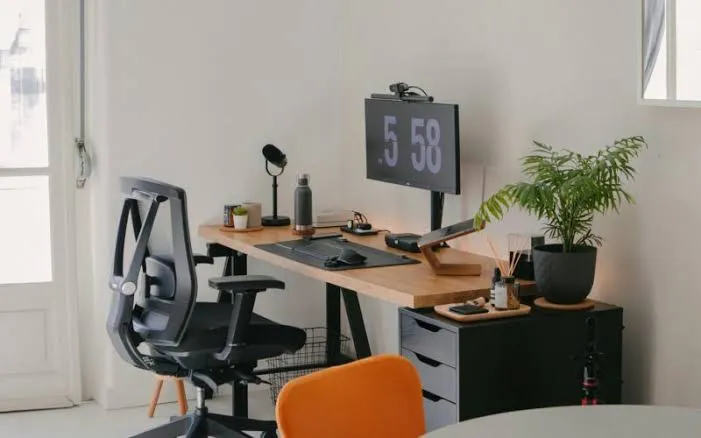 Your working environment tells a lot about how well you organize before writing. If your desk or table is cluttered, your brain will find it hard to get to work.
 When my desk is cluttered (which is rare), I spend ten minutes looking for notes before writing a single sentence. On low-energy days, those ten minutes are enough to make me give up.
When your energy feels low, you find it hard to make a decision. A simple way to create a distraction-free environment is to organize before you work, so a simple system saves valuable mental energy.
Ideas:
Keep writing tools ready
Have article ideas stored in one place
Remove unnecessary distractions
Prepare templates in advance
Let Reading Fuel Future Writing
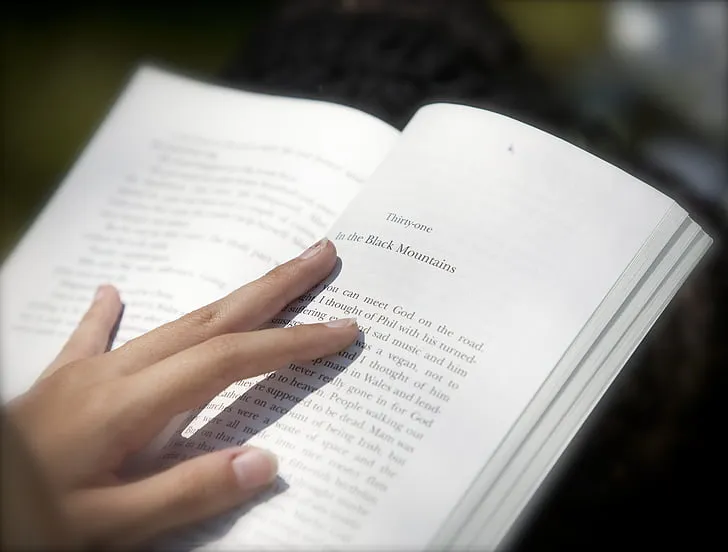 Reading and writing are very close friends that make you plan what and how to write, even on low-energy days. What you consume is how you plan to write.
 The best writers are also avid readers. Reading isn’t avoiding work; it’s a part of the creative process and a great way to research before you write. Even reading a few pages of a book or a paragraph from an article spikes your ideas and builds creativity. One input becomes your output in your future writing.
Here are the examples you can fuel your reading with:
Save interesting quotes
Highlight useful ideas
Observe how other writers structure their articles
Read a few pages from a book
Write a paragraph from a book you’ve just read
Choosing Consistency Over Intensity
Consistency is one of the most essential ways to plan to write content on low-energy days. Even committing to a small task can build momentum.
Here are the two different approaches to defining consistency:
Unsustainable approach
Write often for several days.
Suffer burnout
Disappear for weeks.
Sustainable approach
Write a small paragraph.
Rest when necessary
Return tomorrow
A Gentle Reminder to Fellow Writers
To all the fellow writers out there, you don’t need perfect conditions or a rigid writing routine to stay consistent. The amount of work depends on your energy level. Your creativity hasn't disappeared. It's simply waiting for you to recharge.
Since rest is a part of the creative process, you need to be kind to yourself on difficult days. All you simply need is a bit of consistency to write content to build momentum, even when you feel low.
Conclusion
Low-energy days don’t have to become zero-progress days. Writing isn't the only productive thing you can do on a low-energy day. Sometimes the best thing you can do is refill your creative well.
Rather than putting all your effort and energy through exhaustion, following these simple strategies will not only build you a consistent writing routine but also help you learn to adapt to your energy while writing.
If I were you, I'd rather write consistently for years than sprint for a month and lose my love for creating.
Your writing career won't display on perfect days. It will be built on the ordinary days when you choose to show up anyway.
More from ArticlePaid

Break Free From Draft Hoarding and Blogging Anxiety
Do you have a folder full of half-written drafts that you have never published? Or that you have never looked back at your drafted pieces? If your answer t
Load Shedding Ruining Your Work? Save Your Eyes And Spine In The Long Run
The Everyday Struggle of Working Through Loadshedding You're working on an important deadline when suddenly the power goes ou...

Five Things You Can Do To Improve Your Life in One Week
Transforming your life in just one week may seem like a daunting task, but with the right self-improvement techniques, it is achievable

Cycle Syncing: Better Writing Productivity Tips for Women
To all the women out there! You’ve heard the same productivity advice all the time: wake up early, drink coffee, and tackle your hardest task first. But if

The Art of Doing Nothing: Why You’re Happier When You Slow
In a world that celebrates “busy,” doing nothing can feel wrong — even guilty. We wear exhaustion like a badge of honor, fill every empty moment with tasks
7 Small Habits That Can Change Your Life for the Better
7 Small Habits That Can Change Your Life for the BetterSelf-improvement does not always require a dramatic transformation. Sometim...

Blogger Timeout: Self-Care Tips for Stressed Creators
Being a blogger or content creator is inspiring, freeing, and often creatively rewarding—but it can also be draining. The pressures of deadlines, consisten

How I've Managed To Stay Productive While Hosting Long-Stay Guests
For the past few months, I've had guests staying at my home. Since I was only used to hosting guests for a few days at a time, adj...

Essential Daily Skincare Routine Tips for Clearer and More Beautiful Skin
Importance of SkincareIt is crucial to develop a skincare routine to keep your skin healthy and glowing. You cannot escape dust, p...
Weekly Top Articles

Best AI Tools in 2026: 10 Tools That Make Everyday Work Easier
Artificial intelligence has become a practical part of everyday work in 2026. From writing and research to graphic design, coding,...

10 Future-Ready Courses Writers Should Consider in 2027
The Concept of Writing Skills Has Changed The role of a great writer is no longer about putting words together to form a good...

Creamy Garlic Butter Chicken: A Weeknight Dinner Worth Repeating
Every so often, a dish takes over your social feed and you wonder if it's really that good. This one is. Tender chicken sits in a ...

Your Body Is Asking for Help: 7 Simple Habits for a Healthier, Happier Life
Have you ever felt tired even after a full night's sleep? Do you struggle with low energy, stress, or difficulty concentrating? Yo...

7 AI Skills Paying $100 Daily In 2026 (No Degree Required)
IntroductionThe world of Artificial Intelligence is booming, offering unprecedented opportunities to make a living and build a sus...

Top 10 Online Courses to Learn in 2026 for a Successful Future Career
IntroductionThe online courses market is on the rise in 2026, and there are plenty of options suitable for students, job seekers. ...








Responses (0)
Sign in to share your thoughts.
Sign in