
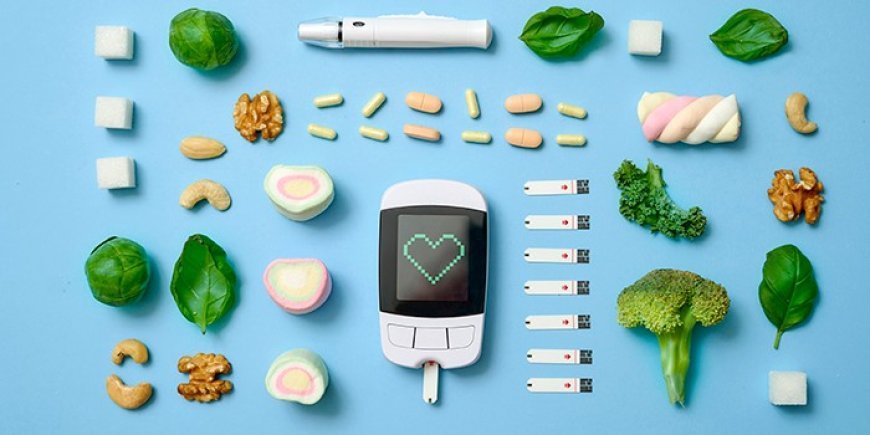
Managing diabetes doesn’t always have to start with medication. One of the most powerful tools for controlling blood sugar levels is your diet. Choosing the right foods can not only stabilize glucose but also promote overall health, boost energy, and reduce the risk of complications. Whether you’ve been recently diagnosed or have been living with diabetes for years, incorporating these nutrient-packed foods can help you stay on track naturally. Here are 10 best foods to help manage diabetes naturally.
1. Leafy Green Vegetables
Leafy greens like spinach, kale, collard greens, and Swiss chard are nutritional powerhouses. They are low in calories and carbohydrates, which means they won’t spike your blood sugar. At the same time, they’re rich in fiber, magnesium, and antioxidants—nutrients that support blood sugar regulation and overall well-being.
One of the best things about leafy greens is their versatility. You can enjoy them raw in salads, sautéed as a side, or blended into smoothies. Their high nutrient-to-calorie ratio makes them ideal for managing diabetes.
Benefits of Leafy Greens:
- Extremely low in carbs and calories
- High in fiber to slow down glucose absorption
- Contain lutein and zeaxanthin which support eye health
- Provide magnesium, which improves insulin sensitivity
2. Fatty Fish
Fatty fish like salmon, sardines, mackerel, and trout are rich in omega-3 fatty acids, which are known to reduce inflammation and improve heart health. Since people with diabetes have a higher risk of cardiovascular disease, including fatty fish in your diet offers a double benefit.
Moreover, protein from fish helps you feel full and stabilizes blood sugar by slowing digestion. Aim for at least two servings per week to gain the full advantages.
Why Fatty Fish Helps:
- Rich in omega-3s (EPA and DHA)
- Reduces inflammation and improves cholesterol
- Provides lean, high-quality protein
- Supports healthy weight management
3. Chia Seeds
Chia seeds are small but mighty when it comes to diabetes management. They are high in fiber—especially soluble fiber—which slows digestion and reduces blood sugar spikes. They also contain healthy fats and plant-based protein.
A single serving of chia seeds provides a steady release of energy without raising glucose levels rapidly. Add them to yogurt, smoothies, oatmeal, or even make a chia pudding for a diabetes-friendly snack.
Chia Seed Advantages:
- Excellent source of soluble fiber
- High in antioxidants and omega-3 fatty acids
- Helps reduce insulin resistance
- Supports digestive health and satiety
4. Berries
Strawberries, blueberries, raspberries, and blackberries are among the best fruits for people with diabetes. They are lower in sugar than most fruits but packed with antioxidants, fiber, and vitamins.
Berries help improve insulin sensitivity and reduce inflammation, making them a smart choice for blood sugar control. Plus, their natural sweetness can satisfy sugar cravings in a healthy way.
Reasons to Eat Berries:
- Low glycemic index
- High in vitamin C and anthocyanins
- Boost immune function
- Satisfy sweet cravings with minimal sugar impact
5. Whole Grains
Unlike refined grains, whole grains like quinoa, brown rice, oats, barley, and farro contain all parts of the grain—bran, germ, and endosperm. This means they’re higher in fiber, which helps regulate blood sugar levels and improves digestion.
Whole grains are digested more slowly, preventing blood sugar spikes and keeping you full longer. They're a better option than white rice, white bread, or sugary cereals for people managing diabetes.
Top Benefits of Whole Grains:
- Slower glucose release
- High in B vitamins and magnesium
- Supports heart and digestive health
- Reduces the risk of insulin resistance
6. Nuts and Seeds
Nuts such as almonds, walnuts, pistachios, and seeds like flaxseeds and pumpkin seeds are great snacks for diabetes control. They’re full of healthy fats, protein, and fiber, all of which slow down the absorption of sugar into the bloodstream.
Moderate portions of nuts can help lower cholesterol, reduce inflammation, and improve insulin sensitivity. However, they’re also calorie-dense, so portion control is key.
Why Nuts and Seeds Work:
- Provide heart-healthy fats
- Improve satiety and reduce overeating
- Contain magnesium and antioxidants
- Lower fasting blood glucose when consumed regularly
7. Greek Yogurt
Greek yogurt is a low-carb, high-protein dairy product that helps balance blood sugar levels and promote gut health. It contains probiotics, which may reduce inflammation and improve insulin sensitivity.
Choose plain, unsweetened Greek yogurt to avoid added sugars. Add a handful of berries or nuts for a satisfying, blood-sugar-friendly breakfast or snack.
Benefits of Greek Yogurt:
- Lower glycemic index compared to regular yogurt
- High in calcium and protein
- Supports muscle health and fullness
- Promotes healthy gut flora with probiotics
8. Beans and Legumes
Beans, lentils, chickpeas, and peas are rich in complex carbohydrates and fiber, making them excellent choices for blood sugar management. The fiber slows down digestion and sugar absorption, while the protein keeps you full.
They’re also a great plant-based protein source and can be added to soups, salads, or stews to create balanced meals.
Advantages of Beans and Legumes:
- High in soluble fiber
- Good source of plant-based protein
- Improve cholesterol and blood pressure
- Help regulate post-meal blood sugar spikes
9. Cinnamon
Cinnamon isn't just a spice—it’s a powerful antioxidant that has been shown in studies to lower blood sugar levels and improve insulin sensitivity. While it shouldn’t replace medication, incorporating cinnamon into your daily diet can provide added support.
Use Ceylon cinnamon over cassia for better quality and safety. Sprinkle it on oatmeal, add it to coffee, or blend it into smoothies for a warm, sweet flavor without added sugar.
Why Cinnamon Helps:
- May lower fasting blood sugar
- Improves glucose metabolism
- Enhances insulin sensitivity
- Easy to incorporate into meals and beverages
10. Avocados
Avocados are high in heart-healthy monounsaturated fats, fiber, potassium, and several key nutrients. They have very few carbs, which makes them ideal for stabilizing blood sugar levels and keeping you satisfied.
These creamy fruits can also help improve cholesterol and reduce the risk of cardiovascular disease—a major concern for those with diabetes.
Top Benefits of Avocados:
- Extremely low in sugar
- High in healthy fats and fiber
- Promote fullness and reduce appetite
- Improve cardiovascular and metabolic health
Conclusion
Managing diabetes naturally starts with the food you put on your plate. Incorporating these 10 powerful, nutrient-dense foods into your daily meals can significantly improve your blood sugar levels, reduce insulin resistance, and enhance your overall well-being. By focusing on whole, unprocessed options like leafy greens, fatty fish, and fiber-rich grains and legumes, you can support your body in maintaining stable glucose levels while enjoying delicious and satisfying meals. Always remember to pair these dietary choices with regular physical activity, proper hydration, and routine health checkups to maximize your results and live a healthier life with diabetes.





















Responses (0)
Sign in to share your thoughts.
Sign in