
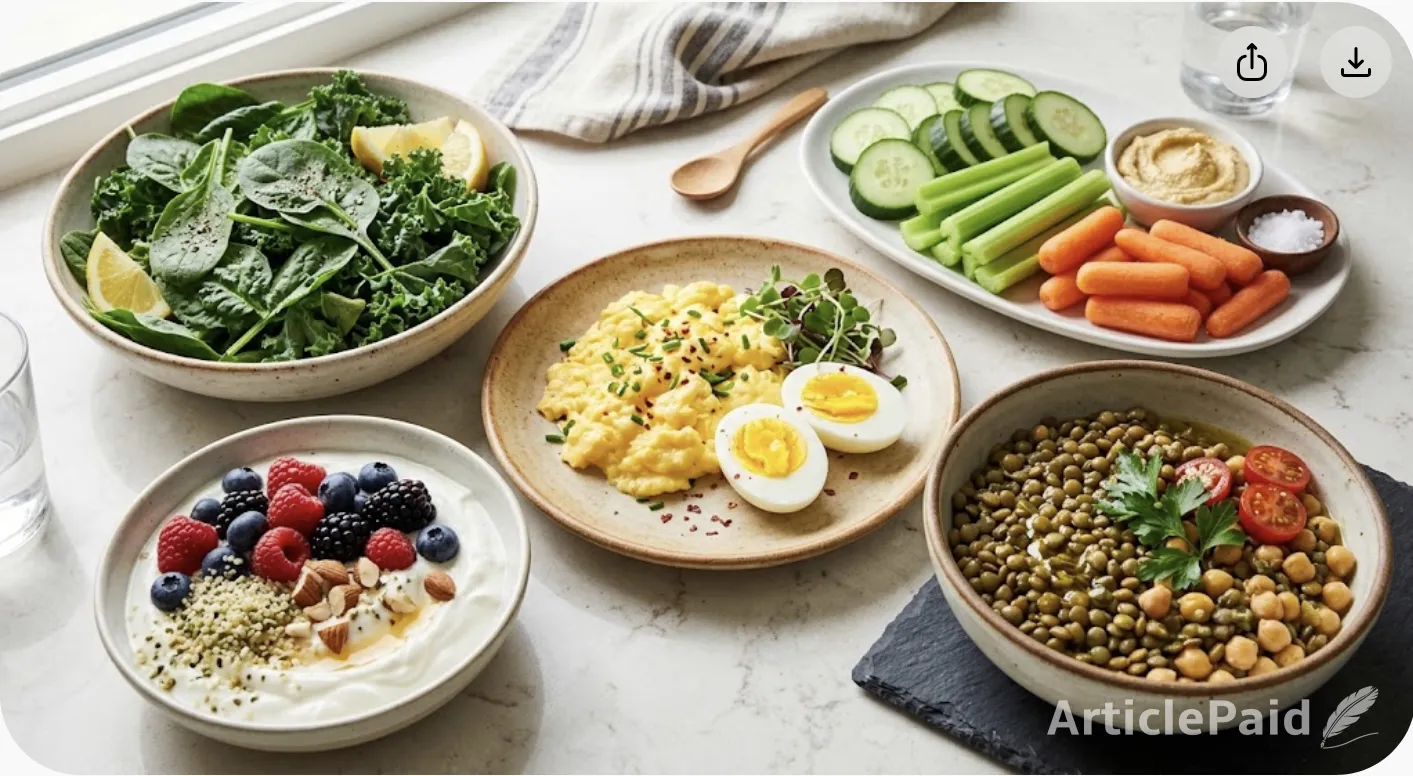
5 Best Low Calorie Foods to Eat Every Day
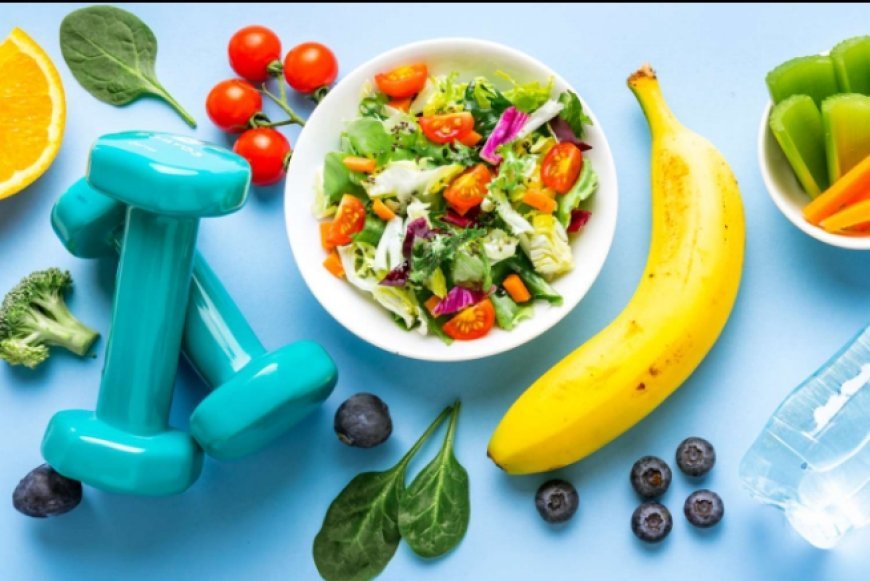
If you have ever struggled to lose weight without feeling constantly hungry, you are not alone. I spent years trying different diets before I finally understood the power of choosing the right low calorie foods to eat every single day. The secret is not starving yourself. It is building your meals around foods that are naturally low in calories but incredibly high in volume, fiber, protein, and water content. In this post, I am going to walk you through the top 5 low calorie foods that I personally rely on to stay full, energized, and on track with my health goals.
What Are Low Calorie Foods and Why They Matter
Defining Low Calorie Foods and How They Support Weight Management
Low calorie foods are generally defined as foods that deliver fewer than 100 calories per standard serving while still providing meaningful nutrition. These are not diet gimmicks or bland, flavorless options. They include real, whole foods like vegetables, fruits, lean proteins, and legumes that your body genuinely needs to function well.
When I first started paying attention to my diet, I realized that not all calories are created equal. According to the National Institutes of Health, creating a caloric deficit of approximately 500 to 1,000 calories per day can lead to a safe and sustainable weight loss of about 1 to 2 pounds per week. The easiest way to create that deficit without feeling miserable is to fill your plate with low calorie foods for weight loss that are nutrient-dense and satisfying.
The best foods for weight loss are those that give your body what it needs, vitamins, minerals, antioxidants, fiber, and protein, without flooding it with excess energy. A well-structured low calorie diet plan built around these foods can help you reduce overall calorie intake naturally, without obsessive counting or extreme restriction.
Why Choosing the Right Low Calorie Foods to Eat Helps You Stay Full Longer
Here is something I learned early on: volume matters just as much as calories. You can eat a 400-calorie bag of chips and be hungry again in 20 minutes, or you can eat a 400-calorie meal packed with vegetables, protein, and fiber and feel satisfied for hours. The difference comes down to food composition.
Research published in the journal Nutrients confirms that foods high in dietary fiber and water content significantly increase satiety, which is the feeling of fullness after eating. Low calorie filling foods work by physically expanding in your stomach, slowing digestion, and triggering satiety hormones like leptin and cholecystokinin. When I build my meals around these foods, I naturally eat less throughout the day without even trying.
Choosing the right low calorie foods to eat is genuinely one of the most practical and sustainable strategies for long-term weight management.
Top 5 Low Calorie Foods to Eat Every Day
Leafy Greens Like Spinach and Kale for Maximum Volume With Minimal Calories
Leafy greens are the cornerstone of any smart eating plan, and they are at the top of my personal list. Spinach contains just 7 calories per cup raw, and kale delivers around 33 calories per cup. Both are rich in vitamins A, C, and K, along with iron, magnesium, and folate.
What I love most about leafy greens is how much physical food they give you for almost no caloric cost. A large salad bowl filled with spinach, arugula, and kale might only set you back 50 to 80 calories before you add any toppings. These are some of the best low calorie vegetables and fruits you can eat daily. I add spinach to smoothies, scrambled eggs, soups, and grain bowls to boost volume and nutrition without spiking my calorie count.
Cucumbers and Celery as Crunchy Hydrating Low Calorie Snacks
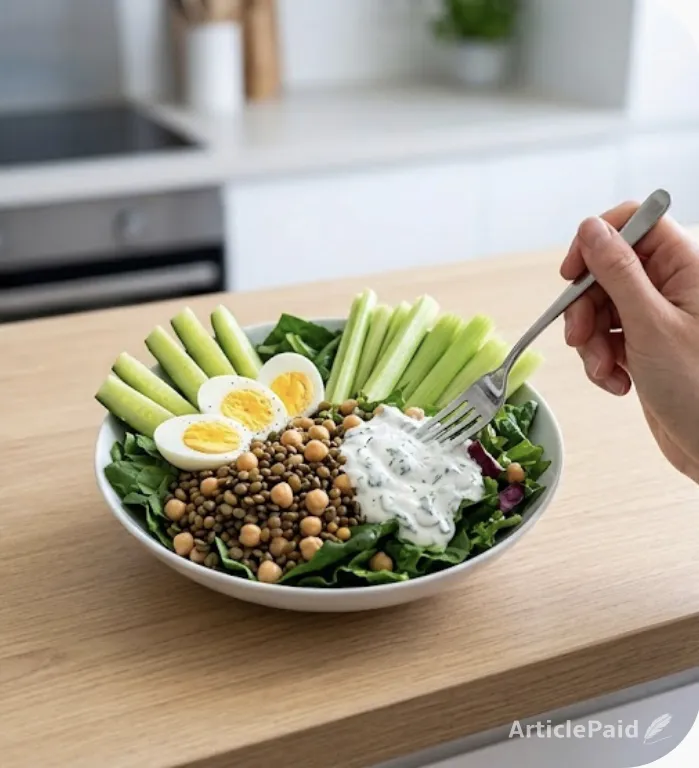
When I need something to munch on between meals, cucumbers and celery are my go-to healthy low calorie snacks. Cucumbers contain about 16 calories per cup and are made up of approximately 96 percent water. Celery is even lighter, clocking in at around 14 calories per cup, with a satisfying crunch that actually makes snacking feel rewarding.
Both of these vegetables are excellent foods that help you lose weight because they hydrate your body, support digestion, and take up real physical space in your stomach. I often slice cucumbers and dip them in a tablespoon of hummus for a snack that is filling, flavorful, and still extremely low in calories. Celery pairs beautifully with natural peanut butter or a light Greek yogurt dip for a snack that actually keeps me going until my next meal.
Eggs as a Protein Rich Low Calorie Food That Curbs Hunger
Eggs are one of the most underrated low calorie high protein foods available, and they have been a staple in my daily diet for years. One large egg contains approximately 72 calories and provides 6 grams of high-quality protein along with essential nutrients including choline, selenium, and vitamin D.
A landmark study published in the International Journal of Obesity found that participants who ate eggs for breakfast consumed significantly fewer calories throughout the rest of the day compared to those who ate a bagel breakfast with the same calorie count. Eggs promote satiety through their protein content, which slows gastric emptying and reduces the hunger hormone ghrelin.
I personally eat two to three eggs most mornings, either scrambled with spinach or soft-boiled as part of a grain bowl. It is one of the simplest ways I know to start the day with a filling, nutritious, and genuinely low-calorie meal.
Legumes Like Lentils and Chickpeas for Fiber and Satiety
Legumes might surprise you on this list because they are slightly higher in calories than raw vegetables, but their fiber and protein content make them some of the most powerful low calorie foods that keep you full available. One cup of cooked lentils delivers around 230 calories but also provides 18 grams of protein and 15 grams of dietary fiber. Chickpeas offer a similar profile at roughly 269 calories per cooked cup with 14 grams of protein and 12 grams of fiber.
The satiety power of legumes is well-documented. A systematic review published in Obesity Reviews found that eating one serving of legumes per day increased feelings of fullness by 31 percent compared to control meals. For anyone following a low calorie diet plan, that kind of hunger reduction is genuinely game-changing.
I add lentils to soups and stews, roast chickpeas for a crunchy snack, and blend chickpeas into homemade hummus. These are not just foods that help you lose weight. They are also deeply nourishing foods that support gut health, blood sugar regulation, and sustained energy levels.
Greek Yogurt as a Creamy Filling Low Calorie Food Option
Greek yogurt is my favorite way to satisfy a craving for something creamy and rich without derailing my calorie goals. A standard 6-ounce serving of plain nonfat Greek yogurt contains approximately 100 calories and delivers an impressive 17 grams of protein. That protein punch alone makes it one of the best low calorie high protein foods you can keep in your refrigerator at all times.
Beyond protein, Greek yogurt contains probiotics that support gut health, and research suggests a healthy gut microbiome plays a meaningful role in weight regulation. I use Greek yogurt as a base for smoothies, mix it with berries and a drizzle of honey for a dessert-like snack, or use it as a substitute for sour cream in savory dishes. It is one of those rare foods that genuinely feels indulgent while fitting perfectly into a low-calorie eating strategy.
How Low Calorie Foods Keep You Full and Satisfied
The Role of Fiber and Protein in Reducing Hunger on a Low Calorie Diet
Understanding why certain low calorie filling foods work so well comes down to the science of hunger. Fiber and protein are the two most powerful nutritional tools for controlling appetite, and every food on this list is rich in one or both.
Dietary fiber slows the rate at which food moves through your digestive system, keeps blood sugar levels stable, and feeds the beneficial bacteria in your gut. The Academy of Nutrition and Dietetics recommends 25 grams of fiber per day for women and 38 grams for men, yet most Americans consume only about 15 grams daily. Closing that gap with low calorie vegetables and fruits, legumes, and whole foods makes an enormous difference in how satisfied you feel between meals.
Tips for Adding Low Calorie Foods to Your Daily Diet
One of the biggest lessons I have learned on my own health journey is that knowing which low calorie foods to eat is only half the battle. The other half is actually building habits that make those foods a consistent part of your routine. Without a plan, even the best intentions fall apart by Wednesday.
Simple Meal Prep Strategies Using Low Calorie Foods to Eat Throughout the Week
Meal prepping has completely transformed the way I approach eating. I spend about two hours every Sunday washing, chopping, and portioning my low calorie vegetables and fruits so they are ready to grab throughout the week. When healthy food is convenient, I reach for it automatically.
Here are the strategies I rely on most:
- Batch roast a sheet pan of mixed vegetables like broccoli, zucchini, and bell peppers so you can add them to any meal in minutes
- Pre-portion cooked chicken breast or canned tuna into containers for quick access to low calorie high protein foods
- Wash and store berries in clear containers at eye level in the fridge so they are the first thing you see
- Cook a large pot of lentil soup or vegetable broth-based soup at the start of the week since soups are among the most reliable low calorie filling foods available
- Keep hard-boiled eggs ready as a fast protein source that pairs well with any veggie snack
Research published in the International Journal of Behavioral Nutrition and Physical Activity found that people who plan their meals in advance have significantly lower body weight and better diet quality. Meal prep is not just a trend. It is a proven tool for sticking to a low calorie diet plan without feeling deprived.
Combining Low Calorie Foods for Balanced and Satisfying Meals
I always make sure to combine protein, fiber, and healthy fats in every meal. This combination is what makes low calorie foods that keep you full actually work. Eating a plain salad of lettuce alone will leave you hungry an hour later. But adding grilled salmon, avocado slices, and a handful of chickpeas turns that same salad into a genuinely satisfying meal that supports weight loss.
The goal is synergy. Pair your low calorie vegetables with a lean protein source and a small amount of healthy fat to slow digestion and stabilize blood sugar.
Common Mistakes to Avoid When Eating Low Calorie Foods
I have made plenty of mistakes on my path to eating cleaner, and I want to help you avoid the ones that slowed me down the most.
Overlooking Portion Sizes Even with Low Calorie Food Choices
Even the best foods for weight loss can work against you if you eat too much of them. Nuts, for example, are nutritious and filling but pack around 160 to 200 calories per small handful. I used to mindlessly snack from the bag and then wonder why the scale was not moving. Tracking portions, even temporarily, helped me understand what a reasonable serving actually looks like. Using a food scale or measuring cups for just two weeks can recalibrate your awareness without needing to do it forever.
Relying on Processed Low Calorie Products Instead of Whole Foods
This is one of the most common traps I see people fall into. Packaged foods labeled "low calorie" or "diet" often contain excess sodium, artificial sweeteners, and preservatives that can increase cravings and disrupt gut health. A 2021 study in Cell Metabolism found that ultra-processed foods led to participants consuming 500 more calories per day compared to those eating unprocessed meals. Real, whole foods that help you lose weight like eggs, leafy greens, legumes, and plain Greek yogurt will always outperform their processed counterparts for long-term results.
Sample Daily Meal Plan Using Low Calorie Foods
Breakfast, Lunch, and Dinner Ideas Built Around Low Calorie Foods to Eat
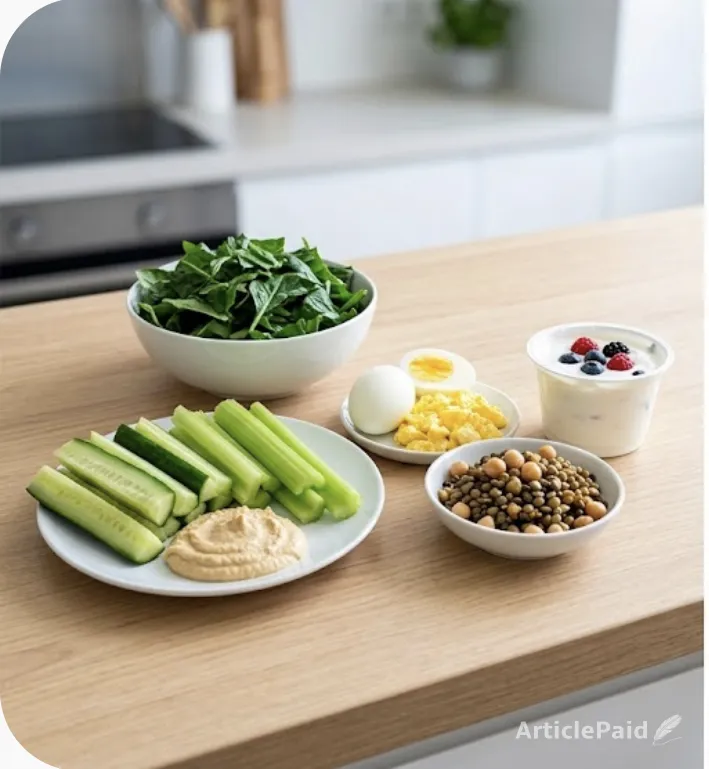
Here is a practical one-day meal plan I use myself when I want to stay on track:
Breakfast (approximately 300 calories) Scrambled eggs made with two eggs and a handful of spinach, served alongside half a cup of mixed berries and black coffee or green tea.
Lunch (approximately 400 calories) A large salad with romaine lettuce, cucumber, cherry tomatoes, grilled chicken breast (4 ounces), a tablespoon of olive oil, and lemon juice dressing.
Dinner (approximately 450 calories) Baked salmon (5 ounces) served with a generous portion of steamed broccoli and a half cup of cooked quinoa.
Total daily calories: approximately 1,150 to 1,300 calories depending on exact portions, leaving room for snacks while still supporting a calorie deficit.
Healthy Low Calorie Snack Ideas to Keep Energy Levels Stable All Day
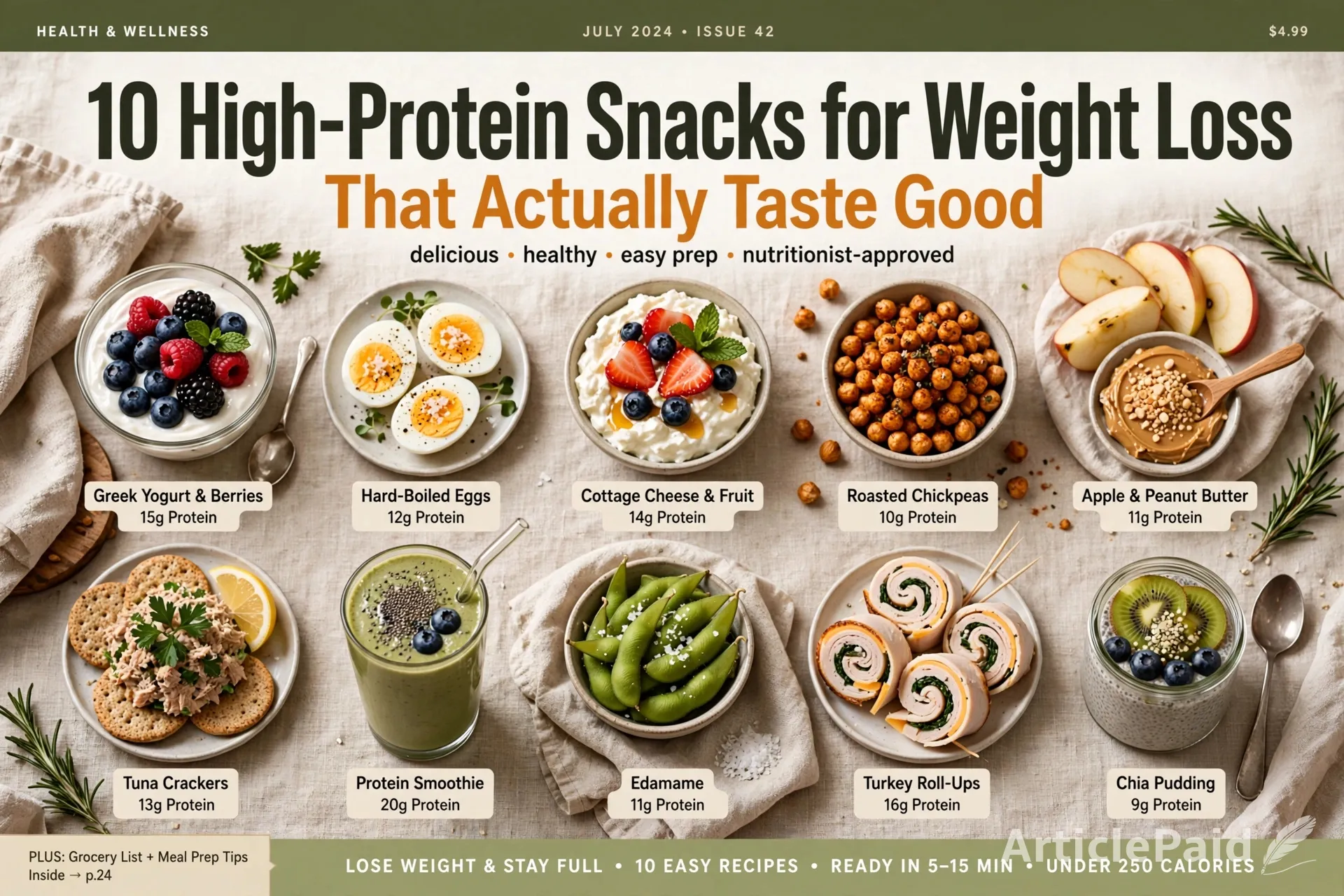
Healthy low calorie snacks are where most people either make or break their diet. Skipping snacks leads to overeating at the next meal. I keep these options on hand at all times:
- Apple slices with one tablespoon of almond butter (around 150 calories)
- Celery sticks with hummus (around 80 calories)
- Plain Greek yogurt with a drizzle of honey (around 120 calories)
- A small handful of edamame (around 100 calories)
- Cucumber slices with a sprinkle of sea salt and lemon (around 20 calories)
These low calorie foods for weight loss keep my energy consistent between meals without spiking my blood sugar or triggering cravings.
Key Takeaways
- Meal prepping your low calorie foods to eat at the start of the week dramatically increases consistency and reduces the temptation to reach for unhealthy options
- Combining protein, fiber, and healthy fat at every meal makes low calorie eating genuinely satisfying rather than restrictive
- Portion control matters even with the healthiest foods because calorie balance is still the foundation of weight management
- Whole foods will always outperform processed "diet" products for sustainable fat loss and overall health
- A structured daily meal plan built around low calorie vegetables and fruits, lean proteins, and smart snacks can keep you in a healthy calorie range without hunger
- Healthy low calorie snacks eaten between meals prevent energy crashes and reduce overeating at dinner
Frequently Asked Questions
What are the best low calorie foods to eat when trying to lose weight? The best low calorie foods for weight loss include leafy greens, cucumbers, berries, eggs, Greek yogurt, lentils, broccoli, and white fish like tilapia or cod. These foods are high in fiber or protein, which keeps you full while keeping calories low.
How many calories should I eat per day on a low calorie diet plan? Most health organizations, including the National Institutes of Health, recommend a minimum of 1,200 calories per day for women and 1,500 for men to meet basic nutritional needs. A moderate deficit of 500 calories per day below your maintenance level is generally considered safe and effective for steady weight loss.
Are low calorie high protein foods better for weight loss than low calorie foods alone? Yes. Protein has a higher thermic effect than carbohydrates or fat, meaning your body burns more calories digesting it. Research shows that high protein diets also reduce hunger hormones and preserve lean muscle mass during a calorie deficit, making low calorie high protein foods especially effective for sustainable fat loss.
Can I eat low calorie foods and still feel full? Absolutely. Low calorie filling foods like oatmeal, legumes, eggs, leafy greens, and broth-based soups have high water or fiber content that stretches your stomach and signals fullness. Eating slowly and drinking water before meals also amplifies this effect.
What are the biggest mistakes people make when starting a low calorie diet? The most common mistakes include skipping meals, relying on packaged diet foods, ignoring portion sizes, not getting enough protein, and cutting calories too aggressively. All of these approaches tend to backfire and lead to rebound eating or nutrient deficiencies over time.
Are fruits good low calorie foods to eat every day? Yes. Most low calorie vegetables and fruits are rich in vitamins, antioxidants, water content, and fiber. Berries, apples, watermelon, and grapefruit are especially good choices because they are low in calories and high in nutrients that support metabolic health.
















Responses (0)
Sign in to share your thoughts.
Sign in