

Fruits That Are Good for Your Health
I have spent years researching nutrition and working alongside registered dietitians to understand what truly moves the needle when it comes to long-term wellness. One truth I keep coming back to is simple: fruits that are good for your health are among the most powerful, accessible, and underutilized tools in your daily diet. Whether you are trying to lose weight, strengthen your immune system, or simply feel more energized, the right fruits can make a measurable difference. In this guide, I am going to walk you through the science, the best choices, and practical ways to make fruit work for your unique lifestyle.
Why Fruits That Are Good for Your Health Matter for Your Daily Diet
Before diving into specific picks, I want to establish why this conversation matters so much. Most of us know fruit is healthy in a vague, general sense. But the research goes far deeper than that, and understanding the science helped me personally commit to making fruit a non-negotiable part of every day.
The Science Behind Fruit and Long-Term Health Benefits
Fruits contain a remarkable combination of vitamins, minerals, dietary fiber, and phytochemicals that work synergistically in the body. According to the Harvard T.H. Chan School of Public Health, diets rich in fruit are consistently linked to lower rates of cardiovascular disease, type 2 diabetes, and certain cancers. A landmark study published in the journal The Lancet found that low fruit intake is one of the leading dietary risk factors for mortality worldwide, contributing to an estimated 1.8 million cardiovascular deaths annually.
What I find particularly compelling is that the benefits of eating fruit are not just about individual nutrients. It is the whole food matrix, meaning the way fiber, water, and phytonutrients interact together, that creates lasting health outcomes. This is why nutrition experts consistently recommend whole fruits over fruit juices.
How Eating More Fruit Reduces the Risk of Chronic Disease
In my research, one of the most striking findings involves cardiovascular health. A 2016 study published in the New England Journal of Medicine, which followed over 500,000 people in China, found that people who ate fresh fruit daily had a 34 percent lower risk of cardiovascular death compared to those who rarely ate fruit. That is not a small margin.
Beyond heart health, antioxidant rich fruits help neutralize free radicals that contribute to cellular damage and aging. Fruits that boost immunity, such as citrus and berries, deliver concentrated doses of vitamin C and polyphenols that directly support immune cell function. For people managing their weight, fruits for weight loss and health offer natural sweetness, high water content, and fiber that promotes satiety without excess calories.
Daily Recommended Fruit Intake for Adults and Children
The United States Department of Agriculture (USDA) recommends that adults consume 1.5 to 2 cups of fruit per day, while children between the ages of 2 and 18 need between 1 and 2 cups depending on their age, sex, and activity level. Despite these clear guidelines, the CDC reports that only 12 percent of American adults meet the daily recommended fruit intake. I share this not to be discouraging, but because it shows how much room most of us have to improve and how significant the health payoff could be.
Top Fruits That Are Good for Your Health and Easy to Find
Now let me get specific. These are the fruits I recommend most often because they are widely available, affordable, and backed by strong nutritional evidence. When people ask me about the healthiest fruits to eat daily, these are the ones I point to first.
Blueberries and Their Powerful Antioxidant Properties
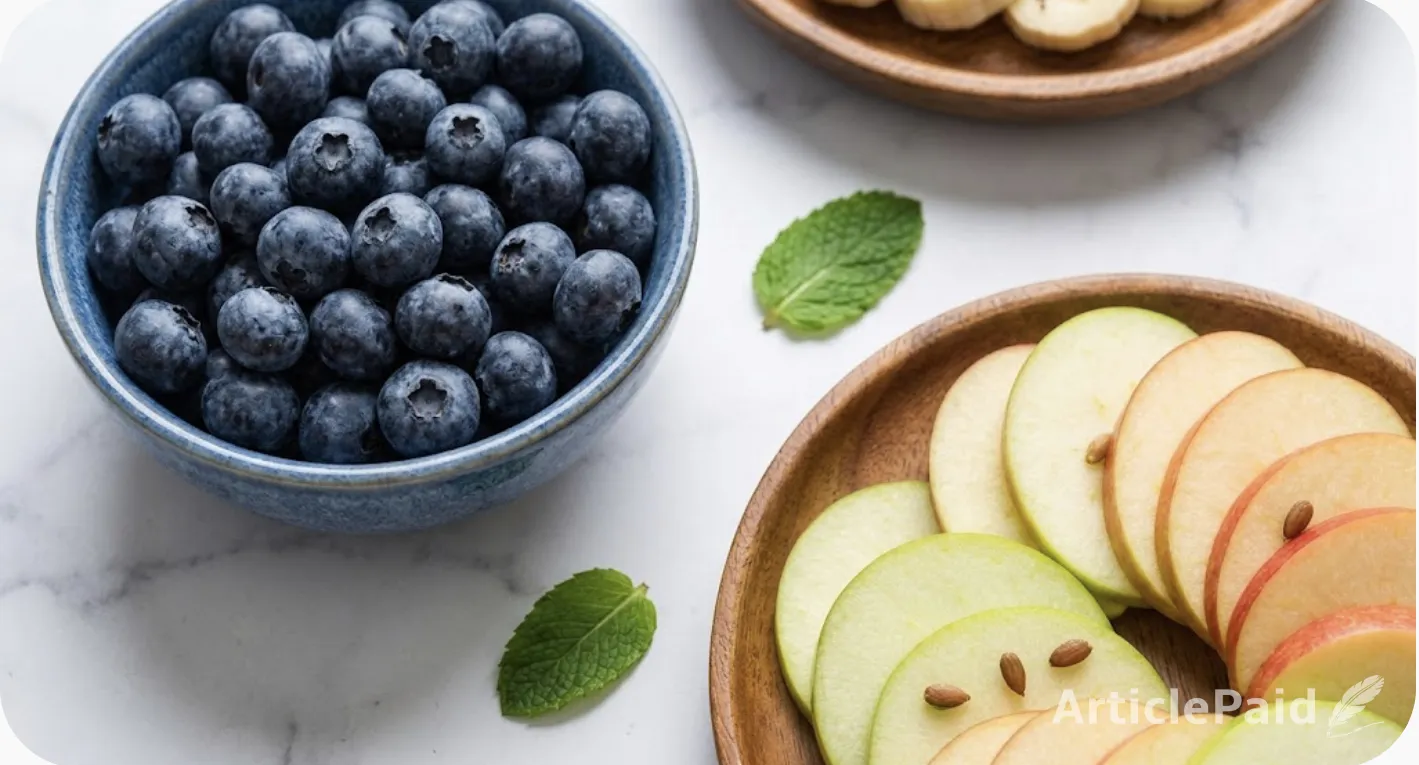
Blueberries are among the most studied fruits in nutritional science, and for good reason. They have one of the highest antioxidant capacities of any commonly consumed fruit, largely due to their concentration of anthocyanins, which are the pigments that give them their deep blue color. A study published in the American Journal of Clinical Nutrition found that regular blueberry consumption improved memory and cognitive function in older adults. I add a half cup to my morning oatmeal almost every day, and it is one of the easiest habits I have built.
One cup of blueberries provides approximately 3.6 grams of dietary fiber and 14.4 milligrams of vitamin C, making them one of the best fruits for nutrition on both fronts.
Apples as a Fiber-Rich Fruit for Digestive Health
The old saying holds up under scientific scrutiny. Apples are one of the top high fiber fruits for digestion, with a medium apple delivering around 4.4 grams of fiber, including a particularly beneficial type called pectin. Pectin acts as a prebiotic, feeding the beneficial bacteria in your gut microbiome. Research from the University of Illinois found that people who ate apples had a more diverse gut microbiome than those who did not, which is a key marker of digestive health.
I recommend eating apples with the skin on whenever possible, since the majority of the fiber and many of the polyphenols are concentrated in and just beneath the skin.
Bananas for Energy, Potassium, and Muscle Function
Bananas are one of the most popular fruits globally, and their nutritional profile explains why athletes and health-conscious eaters alike reach for them regularly. A medium banana contains approximately 422 milligrams of potassium, which is around 9 percent of the daily recommended intake for adults. Potassium is essential for proper muscle contraction, nerve signaling, and blood pressure regulation.
What I appreciate about bananas is their versatility as a pre-workout snack. The natural sugars, primarily fructose, glucose, and sucrose, provide fast and sustained energy, while the fiber slows absorption enough to prevent a rapid blood sugar spike. They are also one of the best fruits for nutrition on a budget, making them accessible for virtually everyone.
Oranges and Citrus Fruits Packed with Vitamin C
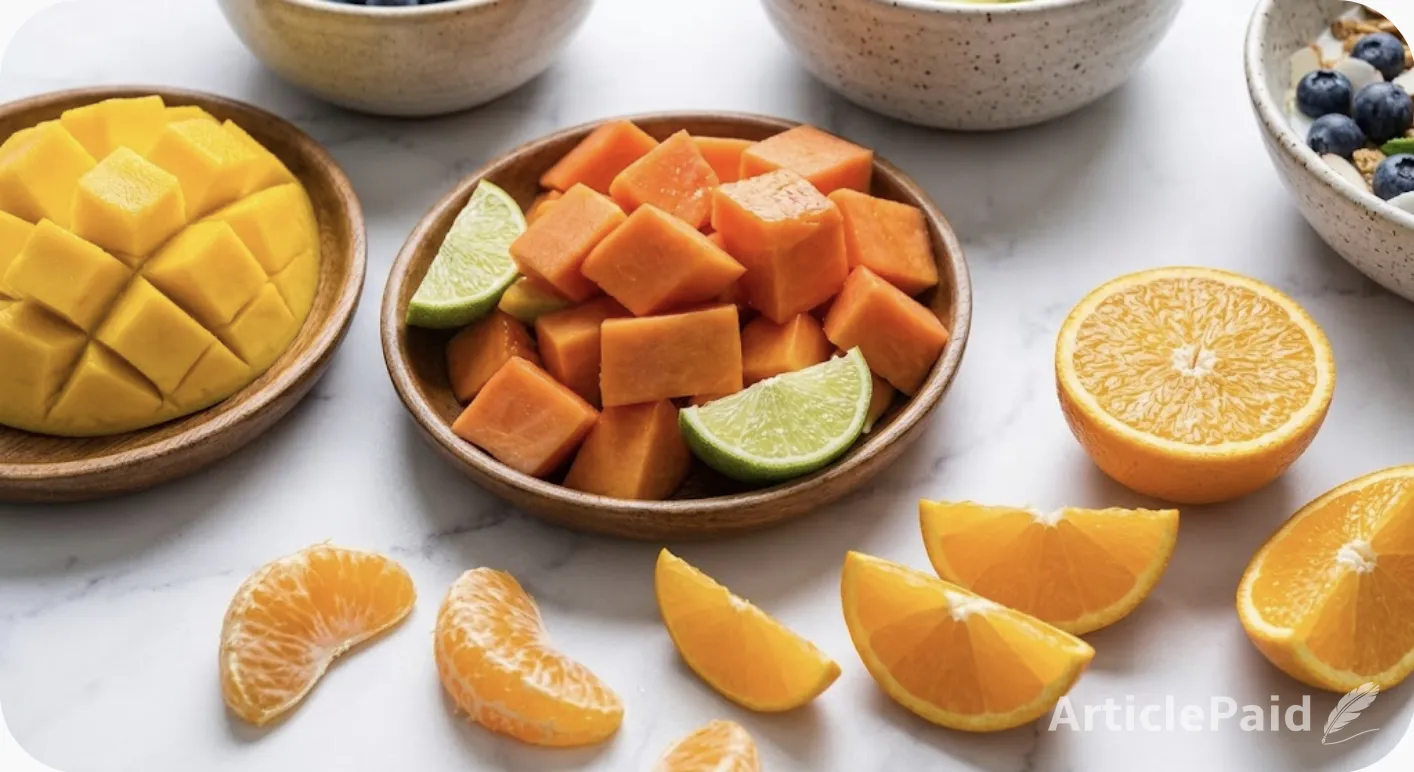
Oranges are practically synonymous with vitamin C, and the association is well-deserved. One medium orange delivers approximately 70 milligrams of vitamin C, which meets or exceeds the daily recommended intake for most adults (65 to 90 milligrams per day according to the NIH). Vitamin C is critical for collagen synthesis, wound healing, and immune defense, making citrus fruits among the top fruits that boost immunity available in any grocery store.
Beyond oranges, the broader citrus family including grapefruits, lemons, limes, and mandarins offers similar benefits. Citrus fruits are also rich in flavonoids, particularly hesperidin, which research suggests may help reduce inflammation and support cardiovascular health.
Tropical Fruits That Are Good for Your Health
Tropical fruits often get overlooked in mainstream nutrition conversations, perhaps because they feel exotic or less accessible. But I have found that they are among the most nutrient-dense options available, and many are now easy to find fresh or frozen at most grocery stores. If you have not explored these options yet, I think you are going to be genuinely impressed by what they offer.
Mangoes as a Source of Vitamins A and C
Mangoes are sometimes called the "king of fruits" in South and Southeast Asian cultures, and nutritionally, they earn the title. One cup of sliced mango provides approximately 67 percent of the daily value for vitamin C and 10 percent of the daily value for vitamin A, both of which are critical for immune function and vision health respectively. Mangoes are also fruits rich in vitamins and minerals including folate, potassium, and vitamin B6.
I often blend frozen mango into smoothies or use it as a topping for yogurt. It adds natural sweetness without any added sugar, which makes it a smart choice for people working on fruits for weight loss and health.
Papaya and Its Digestive Enzymes for Gut Health
Papaya is one of the few fruits I recommend specifically for people who struggle with digestive discomfort. It contains papain, a proteolytic enzyme that helps break down proteins in the digestive tract. Research published in the journal Neuroendocrinology Letters found that papaya preparations significantly reduced symptoms of bloating and constipation in adults with chronic digestive disorders.
One cup of fresh papaya also provides over 88 milligrams of vitamin C and nearly 1,500 micrograms of beta-carotene, a powerful antioxidant precursor to vitamin A. For gut health specifically, papaya is one of the most targeted and effective high fiber fruits for digestion that I have come across.
Pineapple and Its Anti-Inflammatory Benefits
Pineapple stands out among tropical fruits for one particularly unique compound: bromelain. This enzyme has been studied for its anti-inflammatory properties and is even used clinically to reduce swelling after surgery or injury. A review published
How to Add More Fruits That Are Good for Your Health Into Your Meals
One of the most common struggles I hear from people trying to eat better is simply not knowing where to start. The good news is that adding fruits that are good for your health does not require a complete diet overhaul. Small, consistent changes make the biggest difference over time.
Simple Ways to Include Fruit in Breakfast and Snacks
Breakfast is the easiest place to start. I personally add sliced bananas or fresh berries to my oatmeal every morning, which gives me fiber, natural sweetness, and antioxidants before the day even begins. According to the USDA, adults should aim for one and a half to two cups of fruit per day, and breakfast is a great opportunity to hit that target.
Here are some practical ideas I recommend:
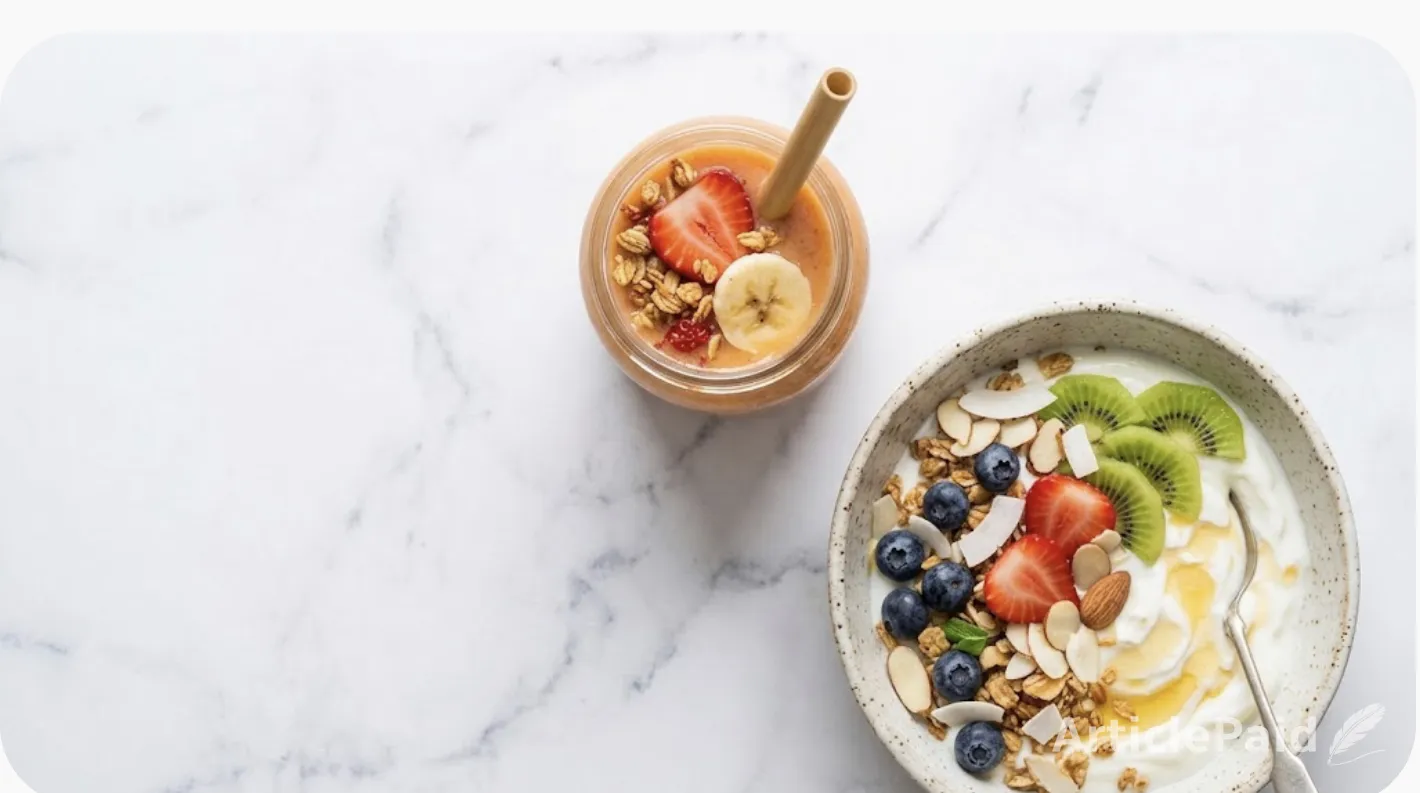
- Top Greek yogurt with kiwi slices and a handful of blueberries
- Slice apples and pair them with almond butter for a mid-morning snack
- Add mango chunks to cottage cheese for a protein and vitamin C boost
- Keep a bowl of washed grapes or clementines on your counter for easy grabbing
- Replace processed snack bars with fresh fruit and a small handful of nuts
The key is visibility. Research from Cornell University found that people eat more of whatever food is placed within easy reach. Put fruit front and center in your fridge and on your counter.
Fruit Smoothie Ideas for a Quick and Nutritious Boost
Smoothies are one of my favorite ways to pack in multiple servings of the healthiest fruits to eat daily without spending much time in the kitchen. They are also a smart solution for using ripe fruit before it goes bad.
Some of my go-to combinations include:
- Berry Immunity Blend: Frozen mixed berries, spinach, banana, and orange juice. This delivers fruits that boost immunity thanks to the vitamin C and anthocyanins.
- Tropical Digestion Smoothie: Pineapple, papaya, and mango with coconut water. Pineapple contains bromelain, an enzyme that supports gut health.
- Green Apple Detox: Green apple, cucumber, lemon juice, and a small piece of ginger for an antioxidant-rich start to the day.
I always recommend using whole fruit rather than fruit juice in smoothies whenever possible. Whole fruit retains its fiber, which slows sugar absorption and supports digestion.
Combining Fruits with Other Foods for Balanced Nutrition
Fruit alone is nutritious, but pairing it strategically with other foods maximizes the benefits of eating fruit. Combining high fiber fruits for digestion with healthy fats or protein slows glucose release and keeps you full longer.
Practical pairings I use regularly:
- Strawberries with dark chocolate (antioxidants plus flavonoids)
- Oranges with a handful of walnuts (vitamin C enhances iron absorption from plant foods)
- Pears with low-fat cheese (fiber plus calcium and protein)
- Avocado with tomato salsa on whole grain toast (healthy fats help absorb fat-soluble vitamins)
Fruits That Are Good for Your Health for Specific Goals
Not all fruit choices fit every health goal equally well. Understanding which fruits align with your personal objectives helps you eat smarter rather than just eating more.
Best Fruits for Weight Loss and Managing Appetite
When my goal is weight management, I reach for fruits for weight loss and health that are high in water content and fiber. Grapefruit, watermelon, apples, and berries consistently appear in research on satiety. A 2015 study published in PLOS Medicine found that higher fruit intake was significantly associated with less weight gain over a four-year period.
Fruits lowest in calories per cup include:
- Strawberries (around 49 calories per cup)
- Watermelon (around 46 calories per cup)
- Peaches (around 60 calories per cup)
- Raspberries (around 64 calories per cup, with 8 grams of fiber)
Fruits That Support Heart Health and Lower Cholesterol
Heart disease remains the leading cause of death in the United States, according to the CDC. Several fruits rich in vitamins and minerals directly support cardiovascular function. Pomegranates contain punicalagins, which studies show can reduce blood pressure. Avocados provide monounsaturated fats that raise HDL (good) cholesterol. Citrus fruits deliver hesperidin, a flavonoid linked to improved arterial flexibility.
I recommend eating at least one serving of a heart-healthy fruit every single day.
High-Sugar Fruits to Enjoy in Moderation for Blood Sugar Balance
Some fruits, while still nutritious, carry a higher glycemic load. Mangoes, grapes, cherries, and bananas contain more natural sugars than berries or citrus fruits. This does not mean you should avoid them, but portions matter. I pair higher-sugar fruits with protein or fat to blunt any blood sugar spike.
People managing diabetes or insulin resistance should work with a registered dietitian to personalize their fruit intake.
Common Questions About Choosing Fruits That Are Good for Your Health
Fresh Versus Frozen Versus Dried Fruit and Which Is Healthiest
This is one of the questions I get most often. The honest answer is that fresh, frozen, and dried fruit each have a legitimate place in a healthy diet. Studies published in the Journal of the Science of Food and Agriculture confirm that frozen fruit often retains as many or more nutrients as fresh, because it is picked at peak ripeness and flash-frozen immediately.
Dried fruit is more concentrated in sugar and calories, so I treat it as a condiment rather than a snack. A tablespoon of raisins or dried cranberries added to oatmeal is a smart use; eating a full cup as a snack is less ideal.
My recommendation:
- Fresh: Best for whole eating and texture
- Frozen: Best for smoothies and cooking, excellent nutritional value
- Dried: Use sparingly, check labels for added sugar
Organic Versus Conventional Fruit and What the Research Says
The debate around organic versus conventional produce is ongoing. The Environmental Working Group publishes an annual "Dirty Dozen" list identifying fruits with the highest pesticide residues. Strawberries, apples, and peaches consistently appear on that list.
However, the National Institutes of Health and most registered dietitians agree that eating conventional fruit is far better than eating no fruit at all. If budget is a concern, I prioritize buying organic for thin-skinned fruits and conventional for thicker-skinned options like avocados, pineapples, and mangoes.
How to Store Fruit Properly to Preserve Nutrients
Proper storage protects both flavor and nutritional quality. I follow these guidelines consistently:
- Store berries unwashed in the fridge and rinse only before eating
- Keep bananas and avocados at room temperature until ripe, then refrigerate
- Store citrus fruits in the crisper drawer for up to two weeks
- Freeze overripe bananas and mangoes for future smoothies instead of throwing them away
- Avoid storing apples near other fruits since they emit ethylene gas that accelerates ripening
Key Takeaways
- Fruits that are good for your health are most effective when eaten consistently and in variety
- Aim for one and a half to two cups of fruit per day, per USDA guidelines
- Berries, citrus, avocados, and pomegranates are among the best fruits for nutrition and disease prevention
- Smoothies, yogurt bowls, and strategic food pairings make it easier to hit daily fruit goals
- Frozen fruit is nutritionally comparable to fresh and often more affordable
- Organic matters most for thin-skinned fruits; conventional is a smart, budget-friendly choice for thick-skinned varieties
- Higher-sugar fruits like mangoes and grapes can be enjoyed in moderation, especially when paired with protein or fat
- Proper storage extends shelf life and preserves the vitamins and minerals you are eating fruit to gain
Frequently Asked Questions
Q: How many servings of fruit should I eat per day? A: Most health authorities, including the USDA and WHO, recommend one and a half to two cups of fruit daily for adults. Specific needs vary based on age, activity level, and health goals.
Q: Are bananas too high in sugar to eat daily? A: Bananas are nutritious and provide potassium, vitamin B6, and fiber. While they contain more natural sugar than berries, they have a moderate glycemic index and are perfectly healthy for most people when eaten as part of a balanced diet.




















Responses (0)
Sign in to share your thoughts.
Sign in