
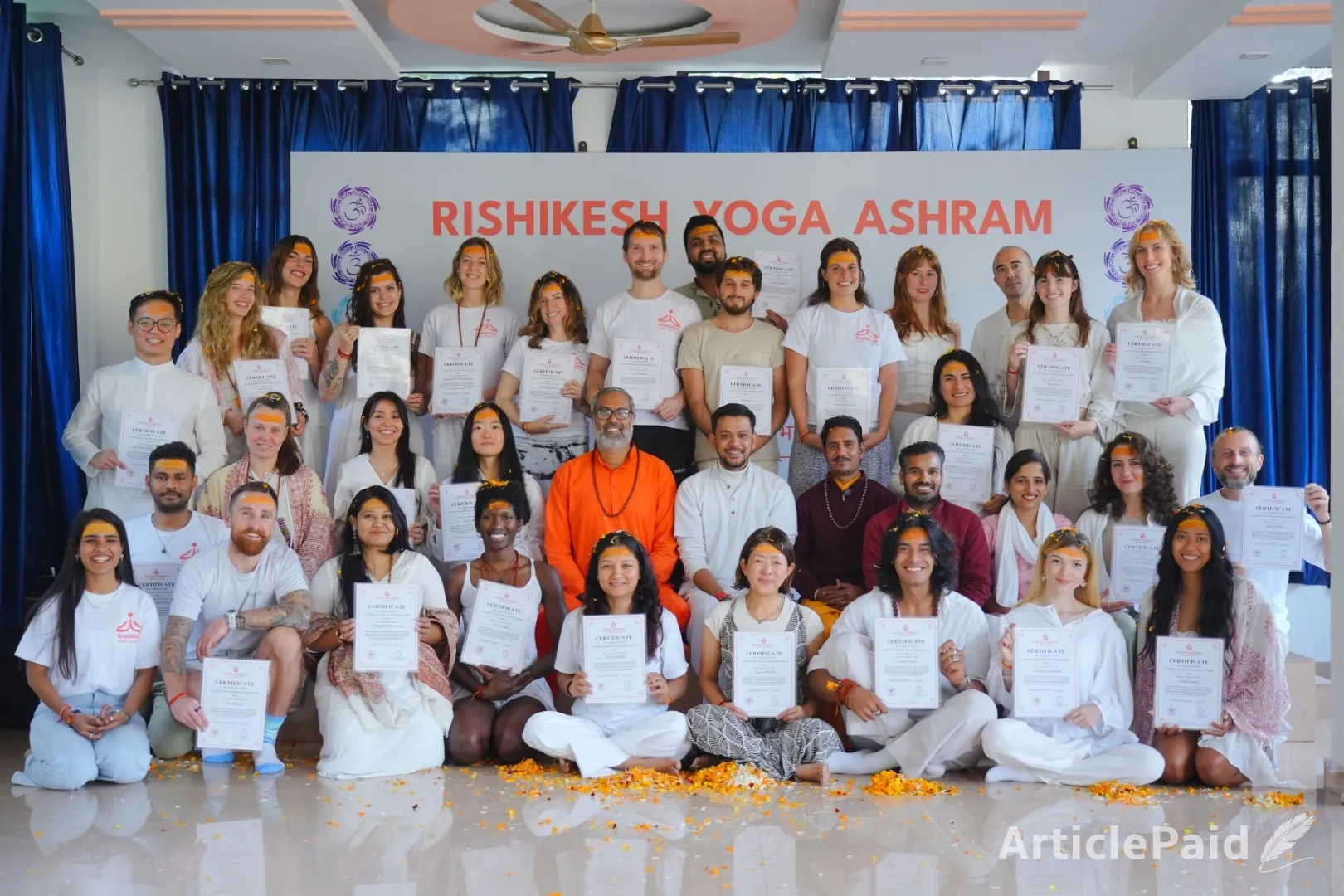
For beginners, learning pranayama does not require complicated techniques or long sessions. Starting with simple breathing exercises and understanding the importance of a comfortable posture can help create a safe and positive experience.
What Is Pranayama?
Pranayama is a traditional yogic practice that involves conscious breathing. It is often practiced alongside yoga postures and meditation to develop concentration and body awareness.
Breathing usually happens automatically, but paying attention to the breath can help you notice whether you are breathing quickly, holding tension, or feeling distracted. Pranayama provides an opportunity to slow down and practice breathing with greater awareness.
Different techniques have different purposes and levels of intensity. Beginners should start with gentle practices and learn from a qualified instructor before attempting advanced breathing exercises.
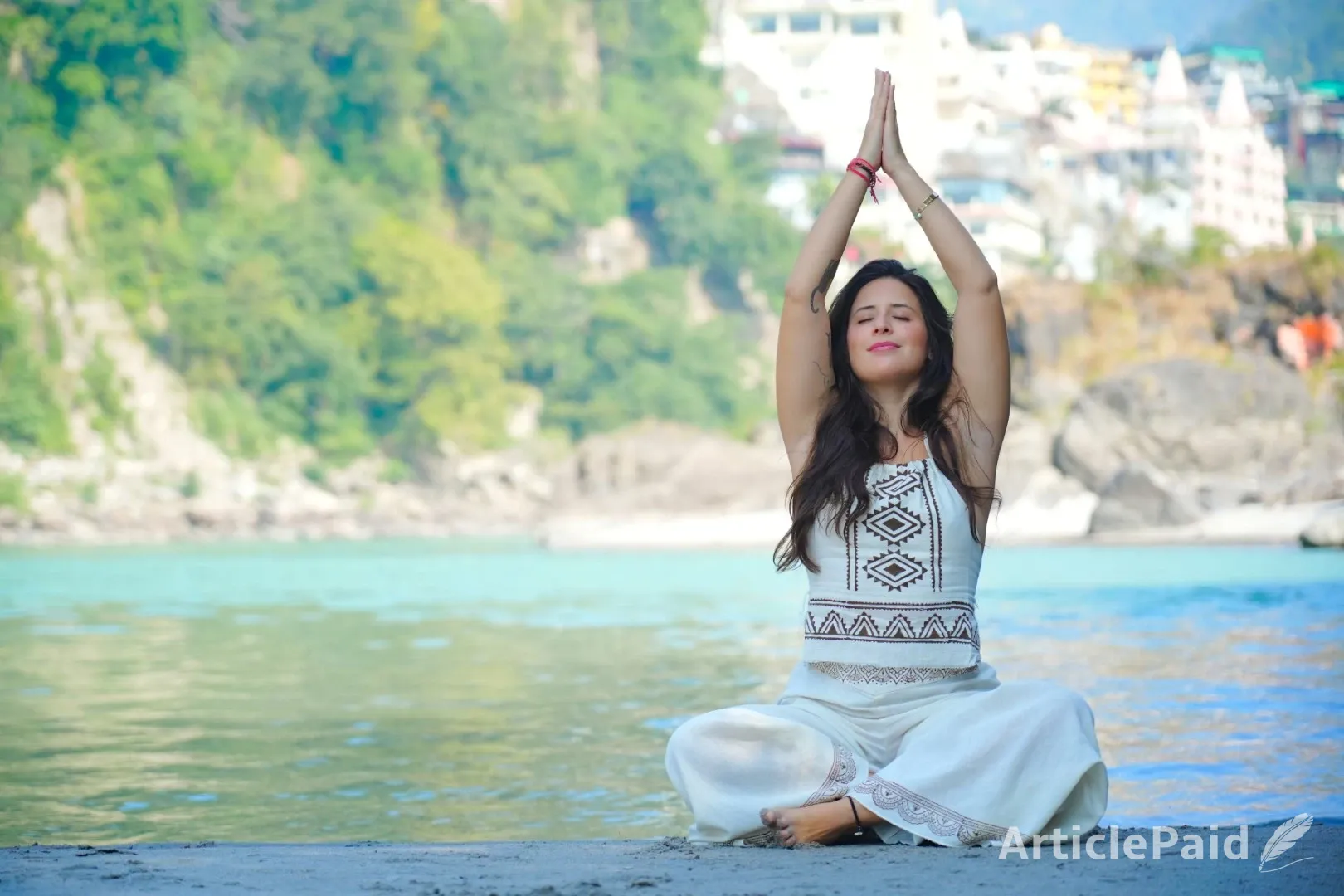
Benefits of Practicing Pranayama
1. Encourages Relaxation
Slow, comfortable breathing can help some people feel calmer during stressful moments. Setting aside a few minutes for mindful breathing may create a break from daily distractions and responsibilities.
Choose a quiet place, sit comfortably, and allow your breathing to remain natural. Avoid forcing deep breaths or trying to achieve a particular result.
2. Develops Concentration
Pranayama encourages you to direct your attention toward one activity: breathing. When your mind wanders, gently return your attention to the breath.
This simple practice can help develop awareness and concentration over time. It can also be combined with meditation to create a more structured mindfulness routine.
3. Builds Body Awareness
Paying attention to breathing can help you recognize how your body responds to different situations. For example, you may notice that your breathing becomes faster when you feel nervous or tense.
Recognizing these patterns can help you become more aware of your physical and emotional state. The aim is not to control every breath but to develop a more mindful relationship with it.
4. Complements a Regular Yoga Practice
Breathing is an important part of yoga because it helps practitioners coordinate movement and attention. Gentle breathing exercises before or after yoga postures may make a session feel more focused and balanced.
However, not every breathing technique is suitable for everyone. Choose practices that feel comfortable and avoid exercises that cause dizziness, breathlessness, or discomfort.
Simple Pranayama Techniques for Beginners
Natural Breath Awareness
Sit in a comfortable position with your back supported. Close your eyes if that feels comfortable, and observe your breathing without trying to change it.
Notice the air moving in and out. If your attention wanders, gently bring it back to the breath. Begin with two to five minutes and gradually increase the duration if comfortable.
Gentle Diaphragmatic Breathing
Place one hand on your abdomen and breathe comfortably through your nose if possible. Notice whether your abdomen moves gently as you inhale and relaxes as you exhale.
Keep your shoulders relaxed and avoid taking unusually large breaths. Practice for a few minutes without straining.
Alternate Nostril Breathing
This traditional technique involves breathing through one nostril at a time in an alternating pattern. Beginners should learn the method from a qualified instructor and practice gently without forcing the breath or holding it for extended periods.
People with respiratory or cardiovascular concerns should consult an appropriate healthcare professional before trying more demanding breathing practices.
Common Mistakes Beginners Should Avoid
One common mistake is trying to breathe too deeply or too quickly. Pranayama should not leave you feeling strained. Comfortable breathing is more important than achieving a particular breathing pattern.
Another mistake is practicing advanced techniques without proper instruction. Some practices involve forceful breathing or breath retention, which may not be appropriate for everyone.
Beginners should also avoid comparing their progress with other practitioners. Everyone has different needs and comfort levels, so the practice should be adapted accordingly.
Stop if you experience dizziness, chest discomfort, or unusual shortness of breath. Seek medical advice when symptoms are significant or persistent.
Learning Pranayama Through Structured Yoga Education
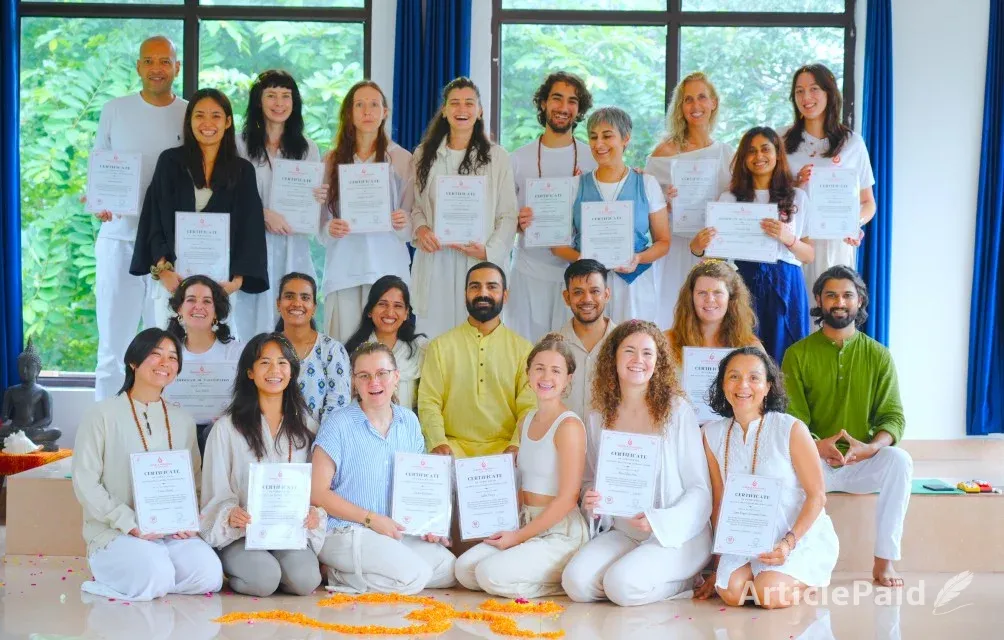
People who want to explore breathing practices in greater depth may benefit from structured yoga education. A yoga teacher training in rishikesh may provide opportunities to study pranayama alongside asana practice, meditation, anatomy, and yoga philosophy.
Students who want to develop foundational knowledge can review the curriculum for a 200 hour yoga teacher training in rishikesh. Practitioners who have completed the required foundational training and want to deepen their studies can also explore a 300 hour yoga teacher training in rishikesh.
Before enrolling, compare course content, teaching experience, prerequisites, practical sessions, and certification details to find a program that matches your goals.
Conclusion
Pranayama offers a way to bring greater awareness to breathing and make mindfulness part of everyday life. Simple techniques can help beginners develop concentration, recognize breathing patterns, and complement their regular yoga practice.
Start slowly, choose comfortable exercises, and avoid forcing your breath. With consistent practice and appropriate guidance, pranayama can become a useful part of a balanced approach to physical and mental well-being.
















Responses (0)
Sign in to share your thoughts.
Sign in