
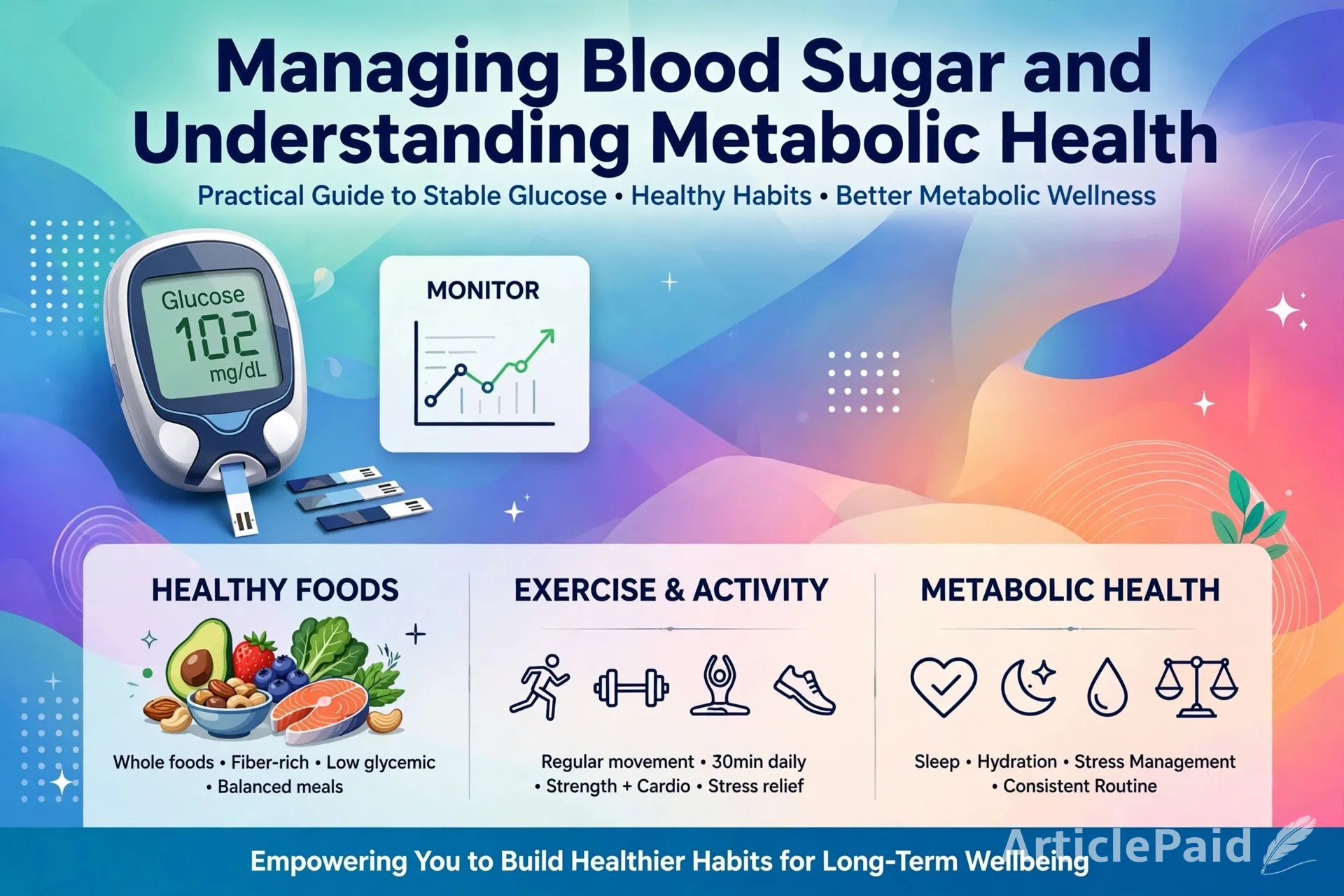
What Is Metabolic Health?
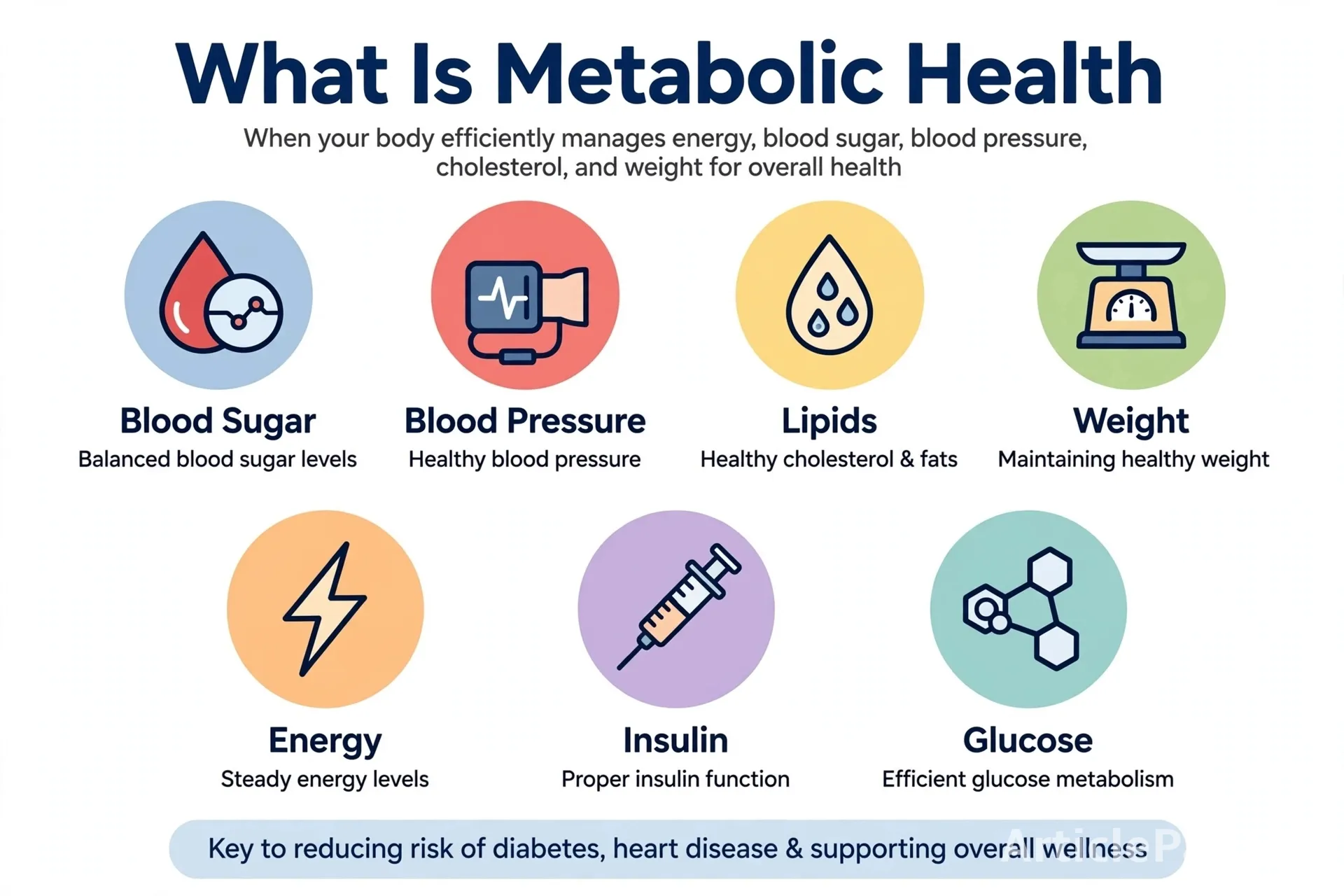
Metabolic health can be described as the state of one’s body’s ability to balance blood sugar levels, blood pressure, lipids, body weight, and other essential functions. Having good metabolism implies that the body can supply the cells with energy and nutrients and effectively dispose of waste products. Overall, an individual with healthy metabolism has a lower risk of developing diabetes, heart disease, and other metabolic disorders.
Why Blood Sugar Levels Are Important
Blood sugar, or glucose, is the body’s main energy source. After consuming carbohydrates, blood sugar increases, and insulin facilitates the utilization of glucose by the cells. Essentially, blood sugar levels affect every other bodily function, and extreme or irregular increases can severely stress the body. Moreover, diet, exercise, sleep patterns, and stress levels are all contributors to blood sugar levels and, therefore, to overall metabolic health.
Healthy Habits and Blood-Sugar Management
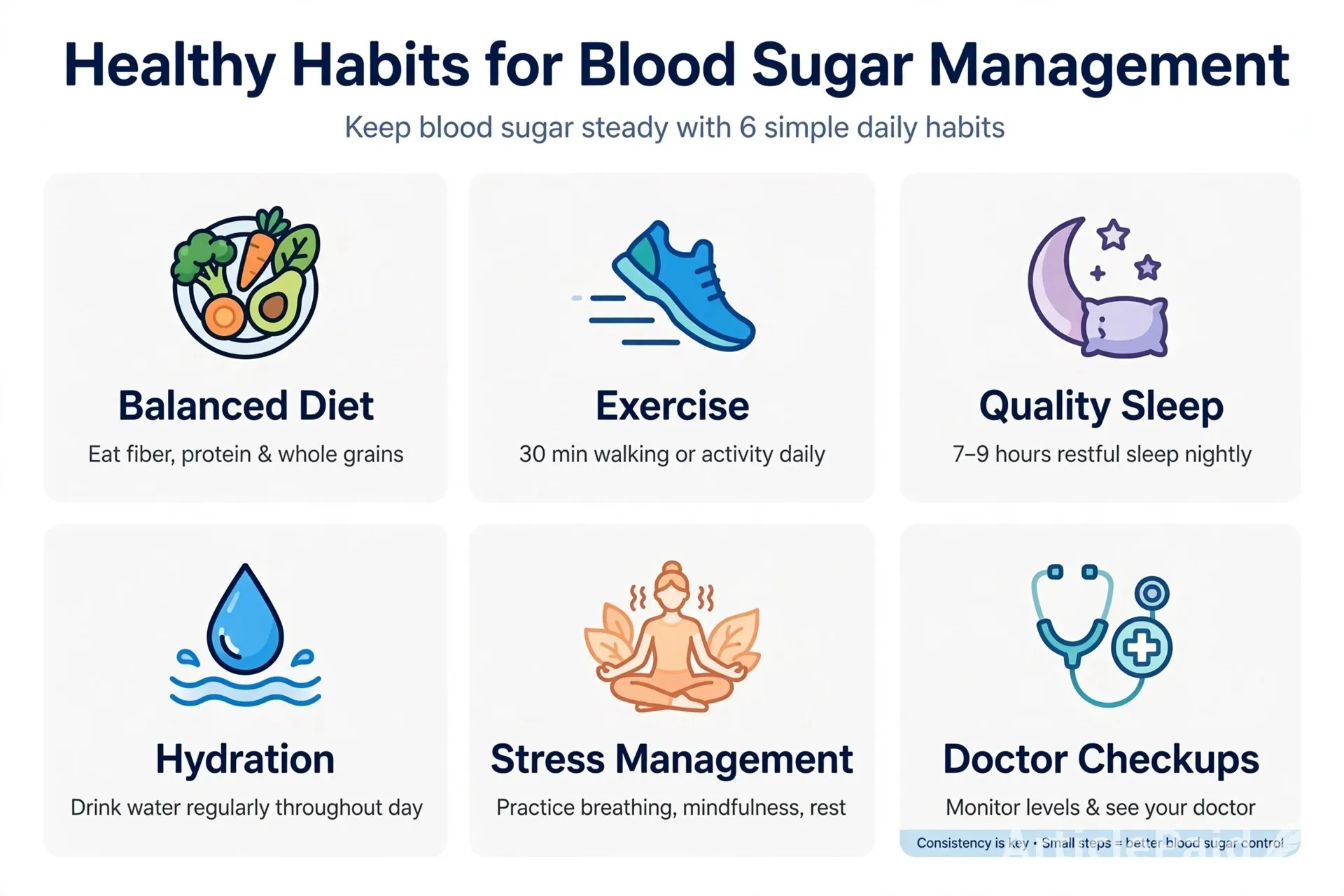
A well-balanced diet that includes whole foods, vegetables, legumes, lean meats, and dairy, and limits processed foods and sucrose intake can provide the body with vitamins and nutrients and reduce the risk of metabolic diseases. It is also important to engage in physical activity, as it helps the body to utilize glucose.
Eating after engaging in moderate exercise can improve one’s metabolism. In addition, getting enough sleep, staying hydrated, and managing stress also have a positive effect on the body’s metabolic processes and, consequently, the blood sugar level.
Metabolic Health and Preventive Care
People with diabetes or prediabetes and those at risk of developing metabolic disorders should work with their physician to create a personalized treatment plan that would include regular blood tests and examinations. Monitoring blood pressure, cholesterol levels, blood sugar, and other vital signs can help both patients and physicians identify potential concerns at an early stage and prevent serious health issues.
Conclusion
Overall, the key to maintaining healthy blood sugar levels and, consequently, good metabolic health is a well-balanced diet, moderate exercise, enough sleep, optimal fluid intake, and stress management. Working with a healthcare provider can also help in developing a personalized plan for preventive care or treating existing conditions.
Your trun;
What's ONE small healthy habit that helped you feel more energetic or keep your blood sugar balanced? Is it morning walk, drinking more water, or cutting sugary drinks? Share your tip below - your experience might help someone else!























Responses (1)
Sign in to share your thoughts.
Sign in