

Meta Description
"Discover how chemistry impacts the environment—its benefits, challenges, and green solutions for a sustainable and eco-friendly future."
Introduction
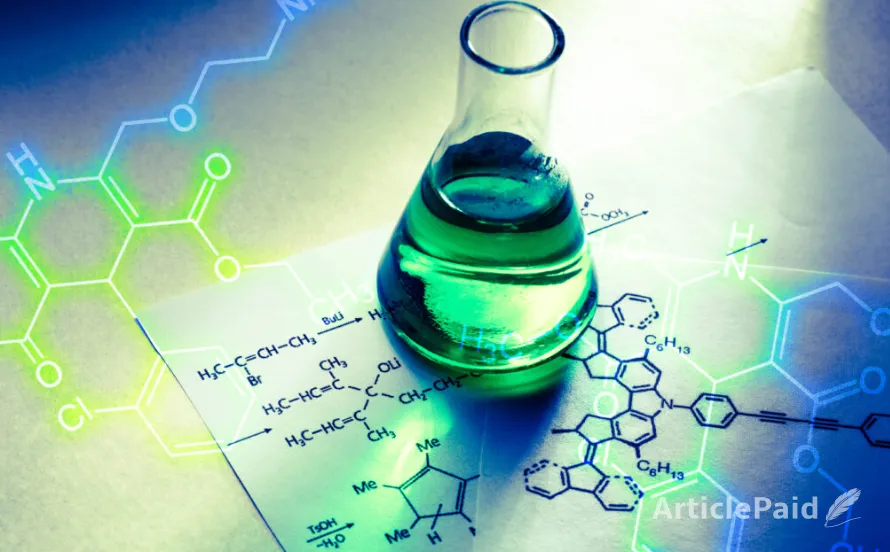
The connection between chemistry and the environment is one of the most pressing issues in today’s world. Chemistry explains the interactions of matter, while the environment provides the platform where these interactions occur. From the air we breathe to the soil that grows our food, chemistry is everywhere. But while chemistry has given us medicines, fuels, and technology, it has also contributed to pollution, waste, and climate change. The key question today is: how can chemistry be used for sustainability rather than destruction?
Chemistry in Environmental Processes
Chemistry allows us to understand the natural cycles of life and the chemical reactions that maintain balance. For instance, the greenhouse effect is a chemical process in which carbon dioxide and methane trap heat, causing global warming. Likewise, acid rain results when sulfur dioxide and nitrogen oxides react with water vapor, damaging crops, forests, and aquatic systems. Environmental chemistry studies these reactions and helps design solutions to protect ecosystems.
Positive Role of Chemistry
Chemistry has been central in creating eco-friendly solutions. Through green chemistry, scientists now design processes that reduce waste and avoid toxic substances. Biodegradable plastics, renewable energy technologies like solar panels, and hydrogen fuel cells are achievements of chemistry. Water purification systems are another example—these ensure clean drinking water and prevent disease outbreaks. Such innovations prove that chemistry can protect and restore the environment.
Negative Impacts of Chemistry

However, the misuse of chemistry causes environmental harm. Overuse of fertilizers and pesticides reduces soil fertility and contaminates rivers. Industrial waste adds toxic metals and chemicals to air and water. Plastic pollution is one of the biggest threats caused by synthetic chemistry, as plastics take centuries to decompose. In addition, burning fossil fuels releases harmful gases, leading to climate change and health issues.
Key Differences: Helpful vs. Harmful Chemistry
Helpful Chemistry: Green chemistry, renewable energy, water purification, biodegradable products.
Harmful Chemistry: Plastic pollution, toxic waste, chemical pesticides, harmful emissions.
Recognizing these differences enables industries and policymakers to encourage safe practices while discouraging harmful chemical processes.
Chemistry and Climate Change
Climate change is perhaps the greatest environmental challenge of our era. While chemistry is responsible for problems such as rising greenhouse gases, it also provides solutions. Innovations like carbon capture technologies, biofuels, and alternative clean energy sources are developed through chemistry. These advancements show that with proper guidance, chemistry can be a tool to fight global warming instead of fueling it.
The Path Toward Sustainability
The future depends on how we balance chemistry and the environment. Sustainable chemistry emphasizes recycling, renewable resources, and safer alternatives. Public awareness also plays a role—small changes like reducing plastic use, recycling, and supporting eco-friendly products contribute to global sustainability. Education in environmental chemistry empowers people to make responsible choices that protect the planet.
Conclusion
Chemistry and environment are two sides of the same coin. While harmful chemicals create pollution and climate challenges, green chemistry provides eco-friendly innovations to restore balance. By focusing on sustainability, renewable resources, and environmental awareness, chemistry can become a solution rather than a problem. The balance between human progress and environmental care is the only path to a greener, healthier future.
FAQs
Q1. Why is chemistry important for the environment?
Chemistry helps us understand natural processes, identify pollutants, and design sustainable solutions such as clean energy and water purification.
Q2. How does chemistry harm the environment?
Industrial waste, pesticides, plastics, and harmful gases from burning fuels damage ecosystems and contribute to climate change.
Q3. What is the main aim of green chemistry?
Green chemistry aims to reduce toxic substances, minimize waste, and create eco-friendly products that support sustainability.
Facebook Caption
"Chemistry can either harm or heal our environment. Learn how green chemistry is shaping a sustainable future for generations to come. #Chemistry and environment #Green chemistry"
Hashtags
#Chemistry and environment #Green chemistry #Eco friendly #Sustainability #Climate change #Clean energy #Environ
Mental science #Save the planet #Eco solutions #Future science



















Responses (0)
Sign in to share your thoughts.
Sign in