
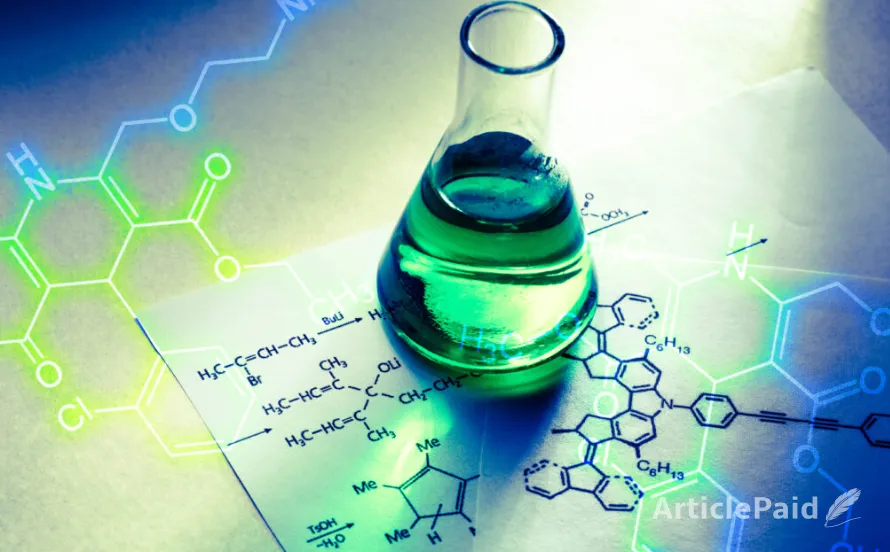
Organic chemistry is often viewed as one of the most challenging hurdles in science education, yet it is also one of the most fascinating. At its core, organic chemistry is the scientific study of carbon-containing compounds. While it sounds simple, this branch of science explains the structural foundation of nearly all life on Earth and drives modern technological innovations.
Why Carbon is Special
To understand organic chemistry, you first need to appreciate the carbon atom. Carbon has an atomic number of 6, meaning it has four valence electrons in its outer shell. To achieve stability, a carbon atom must form four covalent bonds with other atoms.
What makes carbon unique is its ability to bond with itself in an endless variety of ways—a property known as catenation. Carbon atoms can link together to form:
- Straight chains of varying lengths.
- Branched structures that create complex molecular architectures.
- Rings and aromatic systems like benzene, which serve as foundational scaffolds for countless materials.Because of this bonding versatility, carbon can form millions of different compounds, far more than any other element on the periodic table.
Functional Groups: The Language of Molecules
While the carbon-hydrogen backbone provides the framework for organic molecules, the chemical reactivity and properties of a molecule are largely determined by functional groups. These are specific clusters of atoms attached to the carbon skeleton that behave predictably regardless of the molecule they are on.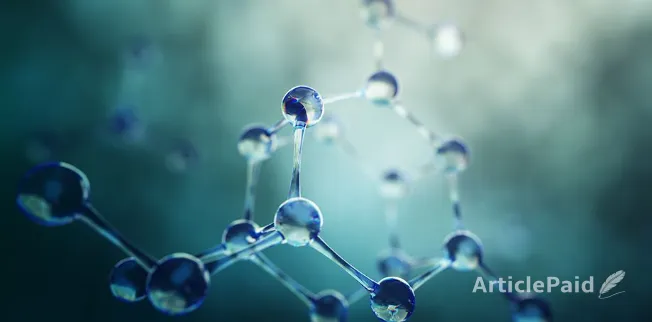 Some of the most common functional groups include:
- Hydroxyl groups (-OH): Found in alcohols like ethanol and sugars, making molecules more water-soluble.
- Carboxyl groups (-COOH): Found in organic acids, such as acetic acid in vinegar and amino acids that build proteins.
- Amino groups (-NH2): Found in amines and amino acids, crucial for building DNA, RNA, and proteins.
- Carbonyl groups (C=O): Found in ketones and aldehydes, responsible for many flavors and fragrances.By recognizing these functional groups, chemists can predict how a complex molecule will react without needing to memorize its entire structure.
Real-World Impact
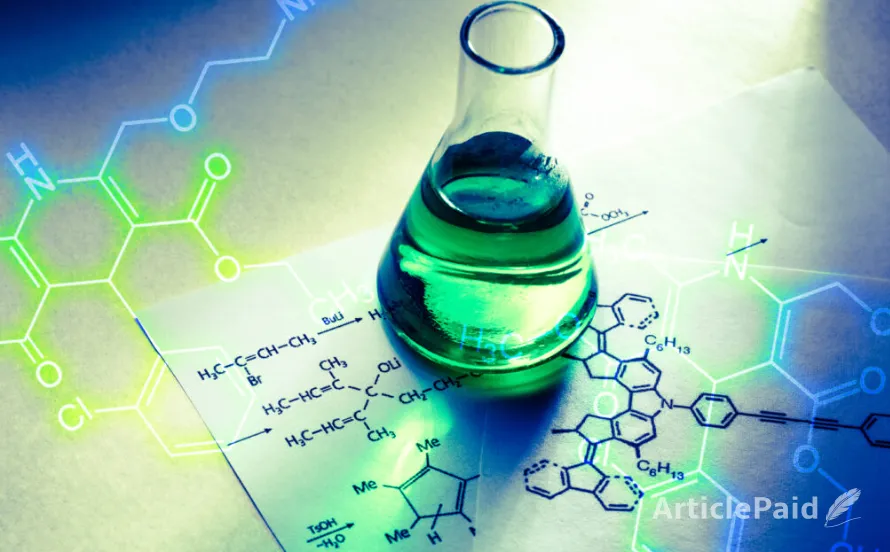 Organic chemistry is not just confined to laboratory textbooks; it shapes our everyday lives.
- Medicine: The vast majority of pharmaceuticals—from everyday pain relievers like ibuprofen to life-saving antibiotics—are organic molecules synthesized or discovered by chemists.
- Biology and Food: Every living cell relies on organic macromolecules like carbohydrates, lipids, proteins, and nucleic acids.
- Materials Science: Polymers, plastics, synthetic fibers (like nylon and polyester), and modern adhesives are all products of industrial organic chemistry.Ultimately, organic chemistry bridges the gap between the physical sciences and living systems, turning simple atoms into the complex tapestry of life and technology.




















Responses (0)
Sign in to share your thoughts.
Sign in