

Meta Description:
Discover how chemistry impacts everyday life, from food and medicine to technology and the environment. Learn why chemistry is the central science shaping our modern world.
Introduction
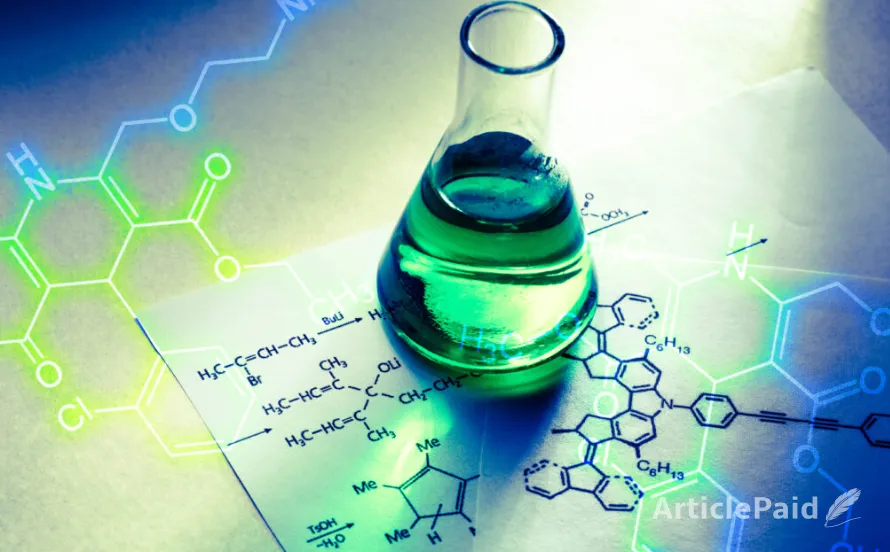
Chemistry, often called the central science, connects physics, biology, and environmental sciences. It is not just limited to laboratories or textbooks—it plays a crucial role in our daily lives. From the food chemistry behind what we eat, the pharmaceutical chemistry that creates medicines, to the environmental chemistry that studies pollution, chemistry surrounds us everywhere. Understanding chemistry helps us appreciate how the world works at the molecular level and provides solutions for global challenges like green chemistry practices, sustainable energy, clean water, and healthcare innovations.
Chemistry in Food and Nutrition
Every bite of food involves chemistry. The nutrients—proteins, carbohydrates, fats, vitamins, and minerals—are all chemical compounds that fuel our bodies. For example, carbohydrates break down into glucose, giving us energy, while proteins help in muscle repair and growth. Food preservation techniques like refrigeration, pasteurization, and packaging also depend on chemical principles. Even cooking is a chemical reaction—when bread rises, when onions caramelize, or when meat browns, it’s everyday chemistry in action.
Chemistry in Medicine and Healthcare

Modern medicine is impossible without chemistry. Pharmaceutical chemistry is responsible for designing and producing life-saving drugs, vaccines, and antibiotics. Pain relievers, insulin for diabetes, and chemotherapy for cancer treatment all come from chemical research. Additionally, medical equipment such as X-rays, MRI scans, and surgical tools relies on chemical materials and processes. Chemistry continues to revolutionize healthcare, making treatments safer, more effective, and more innovative.
Chemistry in Technology and Innovation
Our modern gadgets—smartphones, computers, and batteries—are products of chemistry. The lithium-ion batteries that power electronic devices are a prime example of how chemistry meets technology. Materials science, a subfield of chemistry, develops lightweight, durable, and heat-resistant materials used in airplanes, renewable energy systems, and space exploration. Innovations in nanotechnology and biotechnology are also driven by chemistry, promising breakthroughs in medicine, energy, and engineering.
Chemistry and the Environment
Chemistry plays a dual role in the environment—it helps us understand pollution and also provides solutions. Environmental chemistry studies the effects of chemicals on ecosystems, such as greenhouse gases contributing to climate change or plastics harming marine life. On the positive side, chemistry offers eco-friendly alternatives like biodegradable plastics, clean energy fuels, and advanced water purification systems. By adopting green chemistry, industries can reduce harmful waste and promote sustainability.
Conclusion
Chemistry is not just a subject; it is the foundation of our daily existence. From the air we breathe to the technology we hold in our hands, chemistry influences every aspect of life. As science advances, chemistry will continue to provide solutions for global challenges, making the world healthier, cleaner, and more sustainable. Truly, chemistry is the bridge between scientific discovery and human progress.
References
1. Atkins, P. and Jones, L. Chemical Principles: A Journey for Understanding (7th Edition).
2. American Chemical Society – [www.acs.org](https://www.acs.org)
3. National Institute of Environmental Health Sciences – [www.niehs.nih.gov](https://www.niehs.nih.gov)
Facebook Caption:
"Chemistry is all around us—from the food we eat to the technology we use. Discover how this central science shapes our lives every single day! "Chemistry in life #ScienceMatters"
Hashtags:
#Chemistry #ScienceFacts #EverydayChemistry #GreenChemistry #PharmaceuticalChemistry #ScienceMatters #SustainableFuture #Nanotechnology #InnovationThroughScience #ChemistryInLife



















Responses (0)
Sign in to share your thoughts.
Sign in