
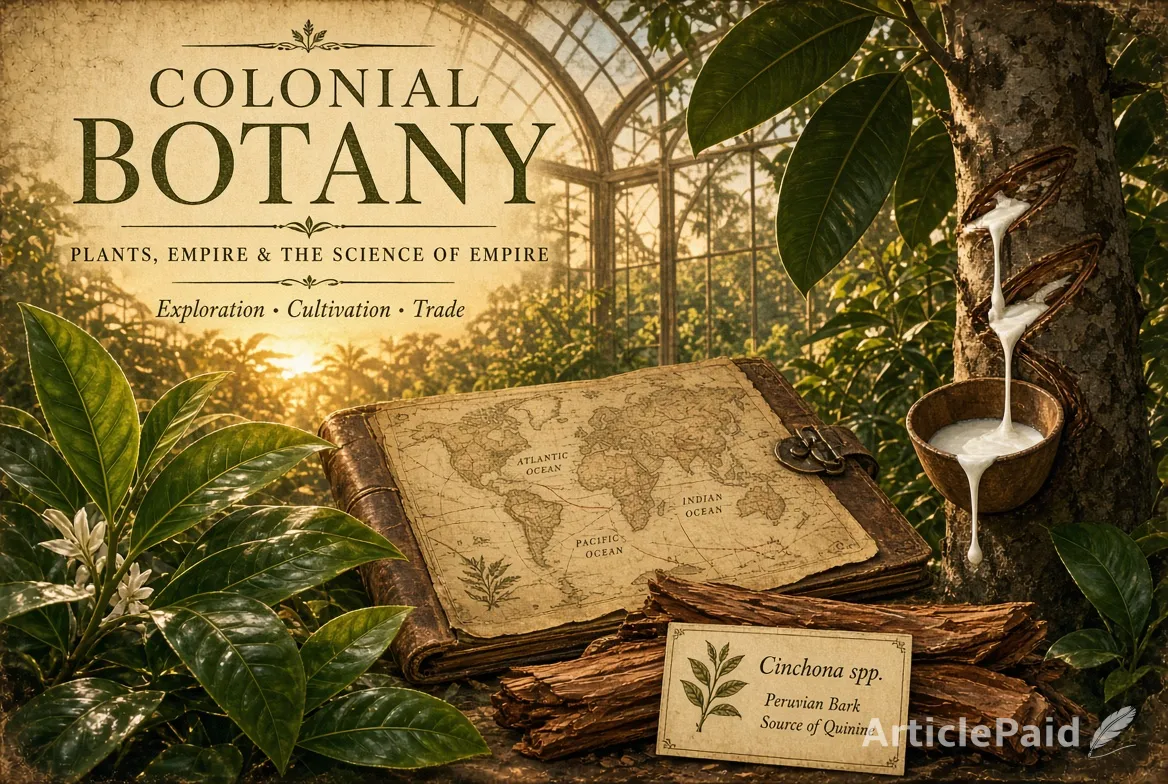
Colonial Botany as Soft Power : When Plants Became Empire Builders
Next time you sip a cup of tea, bounce a rubber ball, or stir a gin and tonic, pause for a second. Those everyday items carry a quiet but powerful history. In the 18th and 19th centuries, European powers turned plants into tools of empire. Collecting, studying, and moving them across oceans became a form of soft power that reshaped economies, health, and global trade—often more effectively than armies or treaties.
At the heart of this story sat the botanical gardens. Kew Gardens near London acted like a central switchboard. Seeds and seedlings arrived from every corner of the world, were carefully nurtured in greenhouses, and then shipped out again to colonies with the right climate. Other empires ran similar networks—the Dutch had Buitenzorg in Java, the French had their own gardens—but Kew became the most famous. These places looked peaceful and scientific. In reality, they functioned as nurseries for economic control.
Take tea. For centuries China held a near-monopoly. Britain’s growing thirst for the drink drained silver and helped fuel tensions that led to the Opium Wars.
Enter Robert Fortune, a Scottish plant hunter.
In the 1840s and 1850s he traveled through Chinese tea districts, collecting plants, seeds, and even knowledge of cultivation techniques.
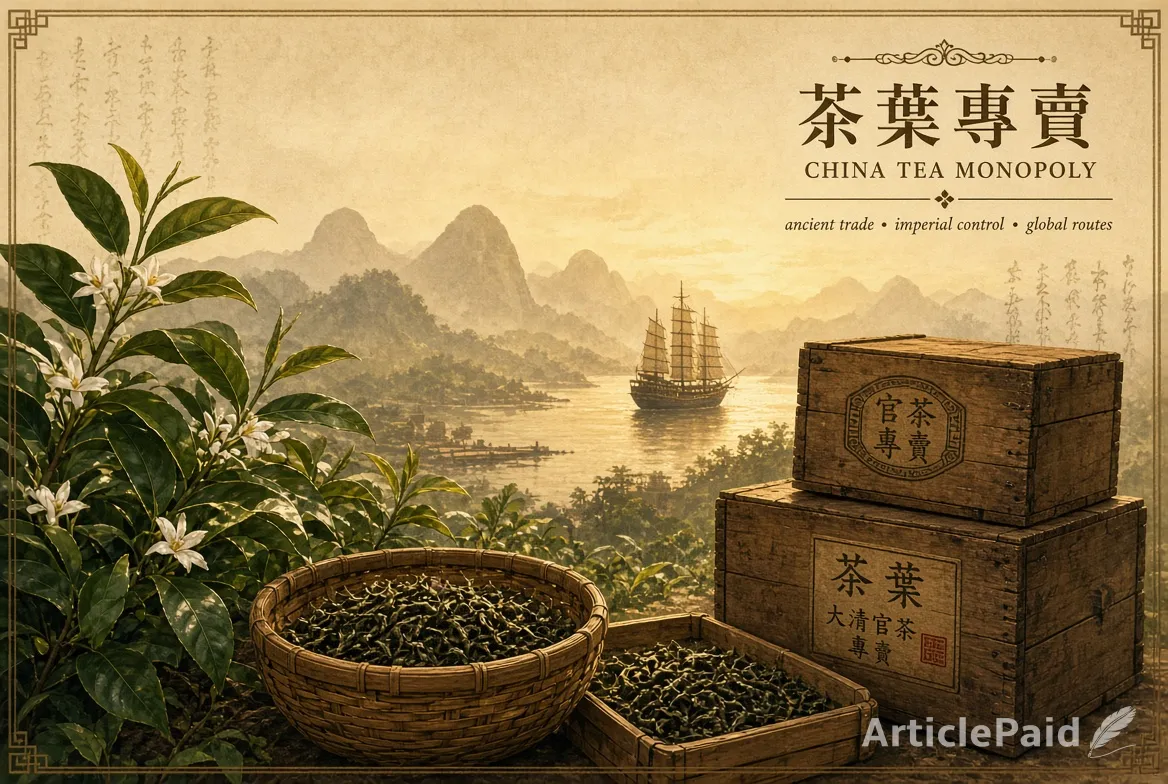
He used sealed glass cases (Wardian boxes) to keep the plants alive on the long sea voyage. At the same time, British officials in Assam realized a local variety of tea already grew wild there. Chinese experts were brought in to help establish plantations. Within a few decades India and Ceylon (Sri Lanka) were producing tea on a massive scale. China’s monopoly was broken, and Britain controlled a reliable supply inside its own empire.
Rubber tells an even more dramatic story. Until the late 1800s almost all commercial rubber came from wild trees in the Brazilian Amazon.
Demand exploded with the bicycle and then the automobile.
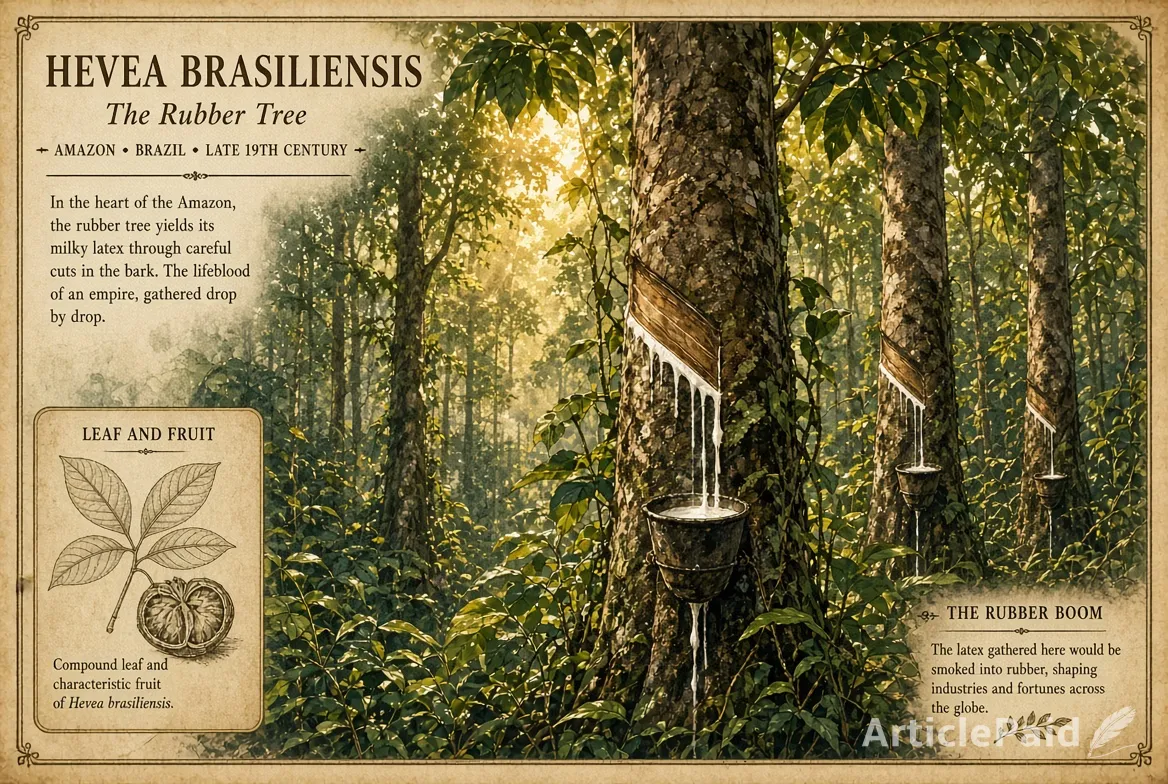
In 1876 Henry Wickham collected around 70,000 seeds of the best rubber tree, Hevea brasiliensis, and shipped them to Kew. Only a couple of thousand germinated, but that was enough.
Seedlings were sent to Ceylon, Singapore, and Malaya.
Within a generation, Southeast Asian plantations—using cheap colonial labor and scientific tapping methods—flooded the market. Brazil’s monopoly collapsed. By the early 20th century the Far East supplied most of the world’s natural rubber.
Then there was cinchona, the “fever tree” of the Andes whose bark yields quinine. Malaria was the deadliest enemy of European troops and officials in the tropics.
Without an effective treatment, large-scale colonization of Africa and parts of Asia would have been far harder.
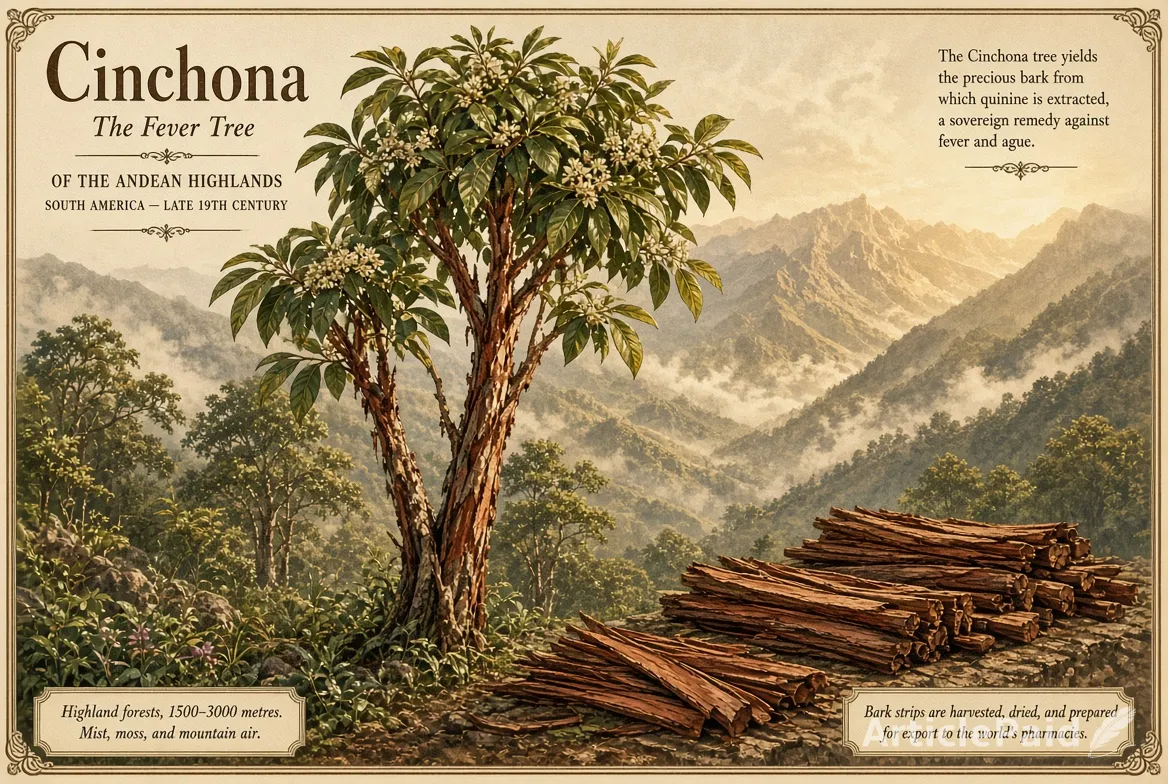
South American governments restricted exports, so the British and Dutch organized collecting expeditions in the 1850s and 1860s.
Plants and seeds reached India and Java. Plantations followed. Quinine became widely available, protecting armies and administrators and making deeper imperial expansion possible. As one British doctor put it, without cinchona the bayonet would have been “nerveless.”
These transfers were rarely neutral scientific exchanges. Some involved secrecy, false declarations at customs, and the quiet removal of living material from places that did not control the final profits.
The gains flowed mainly to the imperial powers: cheaper commodities, strategic medical advantages, and new plantation economies. Local environments and labor systems were transformed—sometimes violently—to serve distant markets.
Today the language has changed. We talk about biodiversity, bioprospecting, and fair benefit-sharing. Yet the old pattern still echoes.
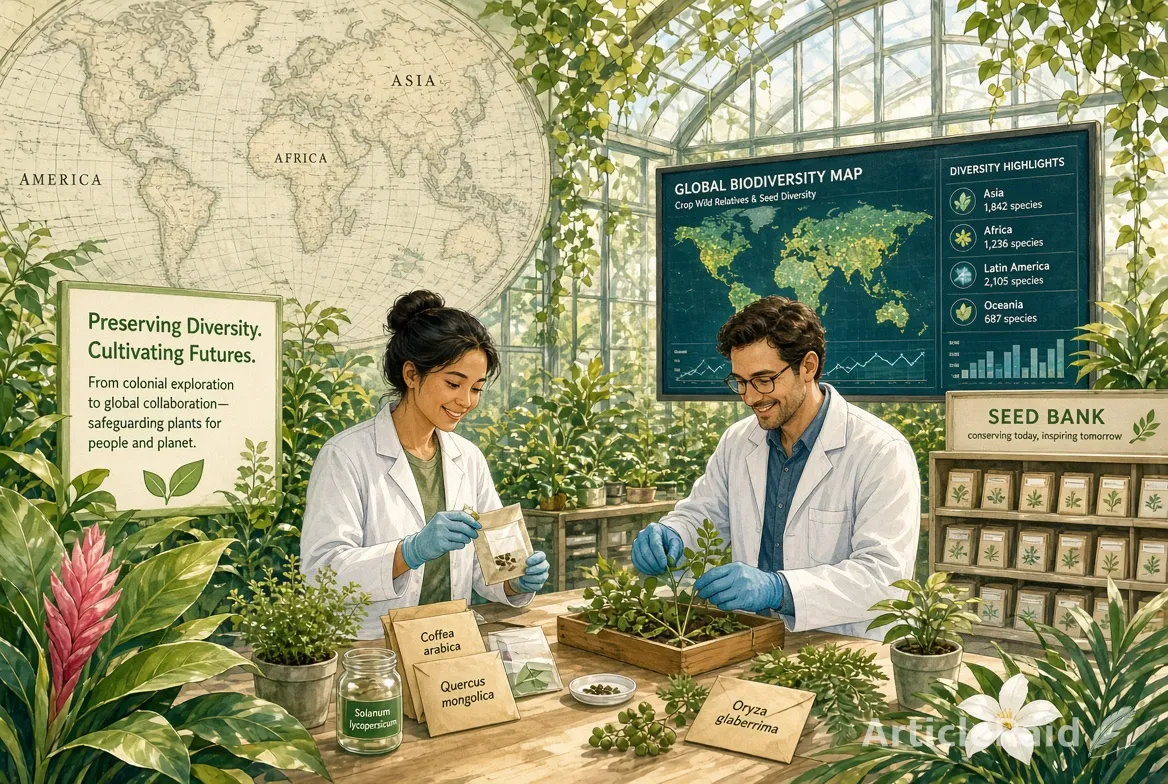
Modern botanical gardens and seed banks continue to move genetic resources around the world, now under international agreements meant to prevent the kind of one-sided transfers that once built empires.
Looking back at tea, rubber, and cinchona reminds us that plants have never been just plants. They have been quiet instruments of power, wealth, and control—and their stories still shape the world we live in.


















Responses (0)
Sign in to share your thoughts.
Sign in