High-Speed Rail Disaster in Spain: Investigation and Community Response

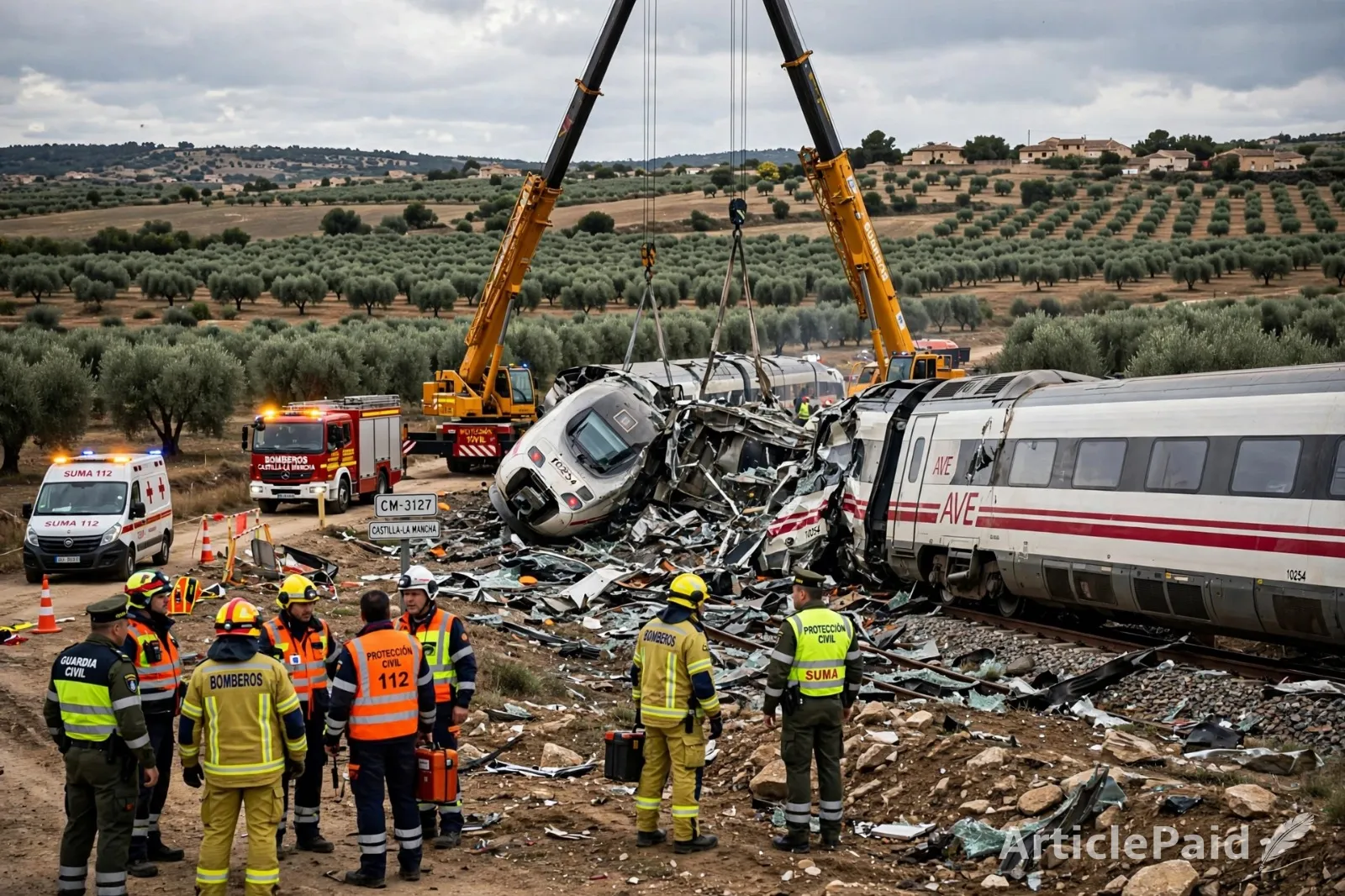
Imagine two high-speed trains traveling down the exact same track, barreling toward each other with incredible velocity. It sounds like something straight out of a disaster movie, but in the heart of Spain’s Castilla-La Mancha region, that nightmare became a reality.
A severe collision occurred along a major high-speed line, turning what should have been a normal travel day into a scene of utter chaos and heartbreak.
The Immediate Impact
For those riding inside, the experience was sudden, loud, and deeply disorienting. When high-speed trains collide, the sheer kinetic energy involved is almost impossible to comprehend.
In an instant, the smooth, quiet glide of modern European rail travel gave way to a violent, deafening impact. Metal buckled, glass shattered, and cars crumpled under the immense weight and momentum.
Emergency services rushed to the area from every direction. Paramedics, firefighters, and local police worked against the clock to navigate the mangled wreckage and reach passengers trapped inside the carriages.
Assessing the Aftermath
When the dust finally settled, officials confirmed that 68 people were killed or wounded in the crash. That number represents real families, daily commuters, and eager travelers whose lives were turned upside down in a fraction of a second.
Hospitals across the region were immediately put on high alert to handle incoming patients, while community members stepped up with blood donations and support to help the victims and their loved ones through those harrowing first hours.
Safety Concerns and System Questions
Beyond the immediate tragedy, an accident of this magnitude sends shockwaves far past the local tracks. High-speed rail is generally considered one of the safest, most reliable ways to travel across Europe.
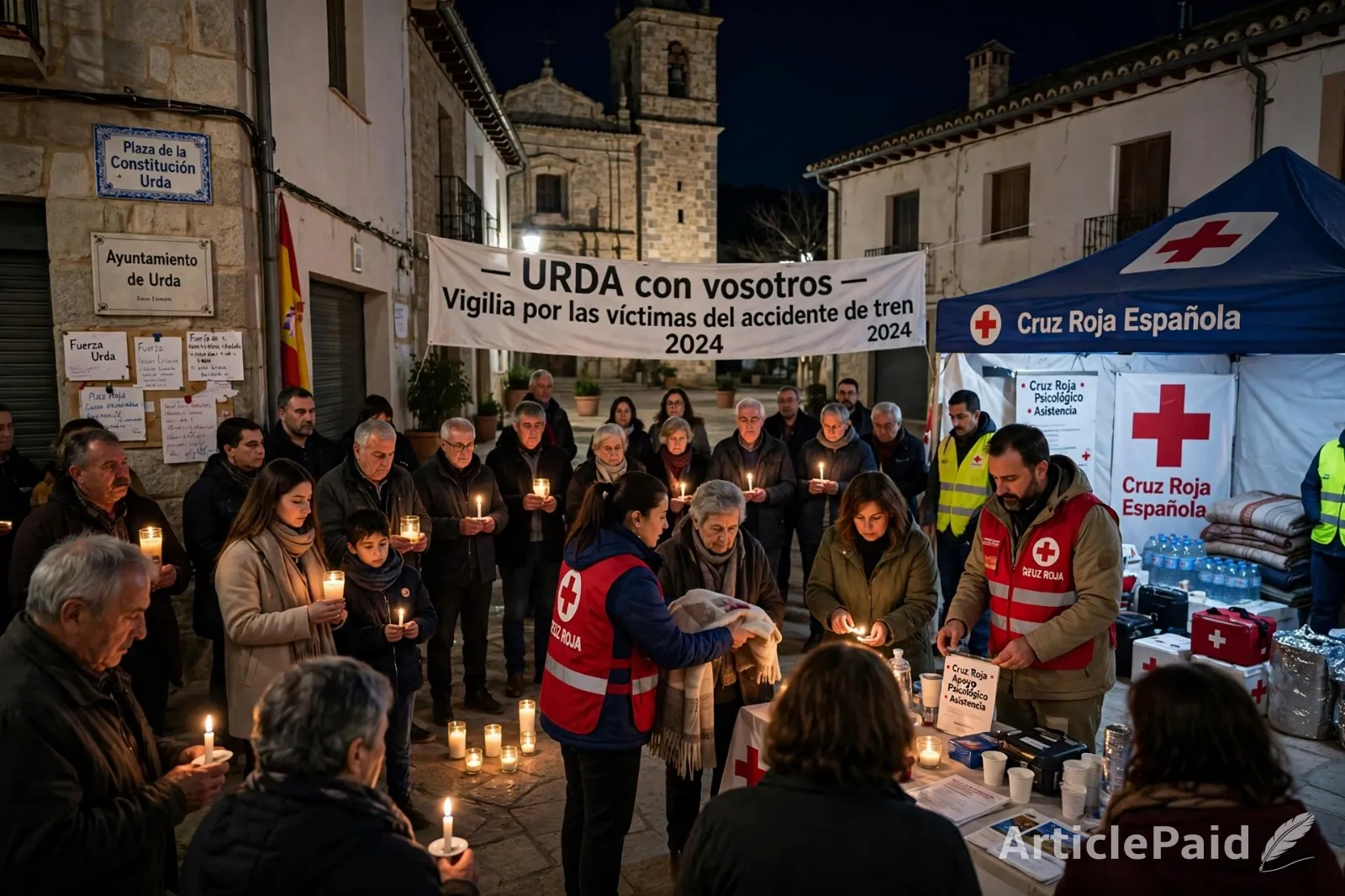
Systems like the one in Spain rely on state-of-the-art technology, sophisticated signaling, and multi-layered safety protocols specifically built to prevent two trains from ever occupying the same stretch of track at the same time.
Because of that, a breakdown of this scale raises serious, urgent questions about what went wrong.
The Investigation Ahead
Investigators are looking into every single detail to figure out the root cause. They are digging into automatic braking systems, track switches, digital communications, and human operator inputs to piece together the exact sequence of events:
Automated Signaling: Checking for potential technical glitches or software errors in the central control system.
Hardware Integrity: Inspecting track switches and physical components along the line.
Communication Logs: Reviewing interactions between operators, station masters, and dispatch centers.
Getting accurate, clear answers is critical—not just for providing closure to the families affected, but for ensuring that high-speed rail infrastructure across the continent remains safe for everyone who relies on it every day.
Community Resilience
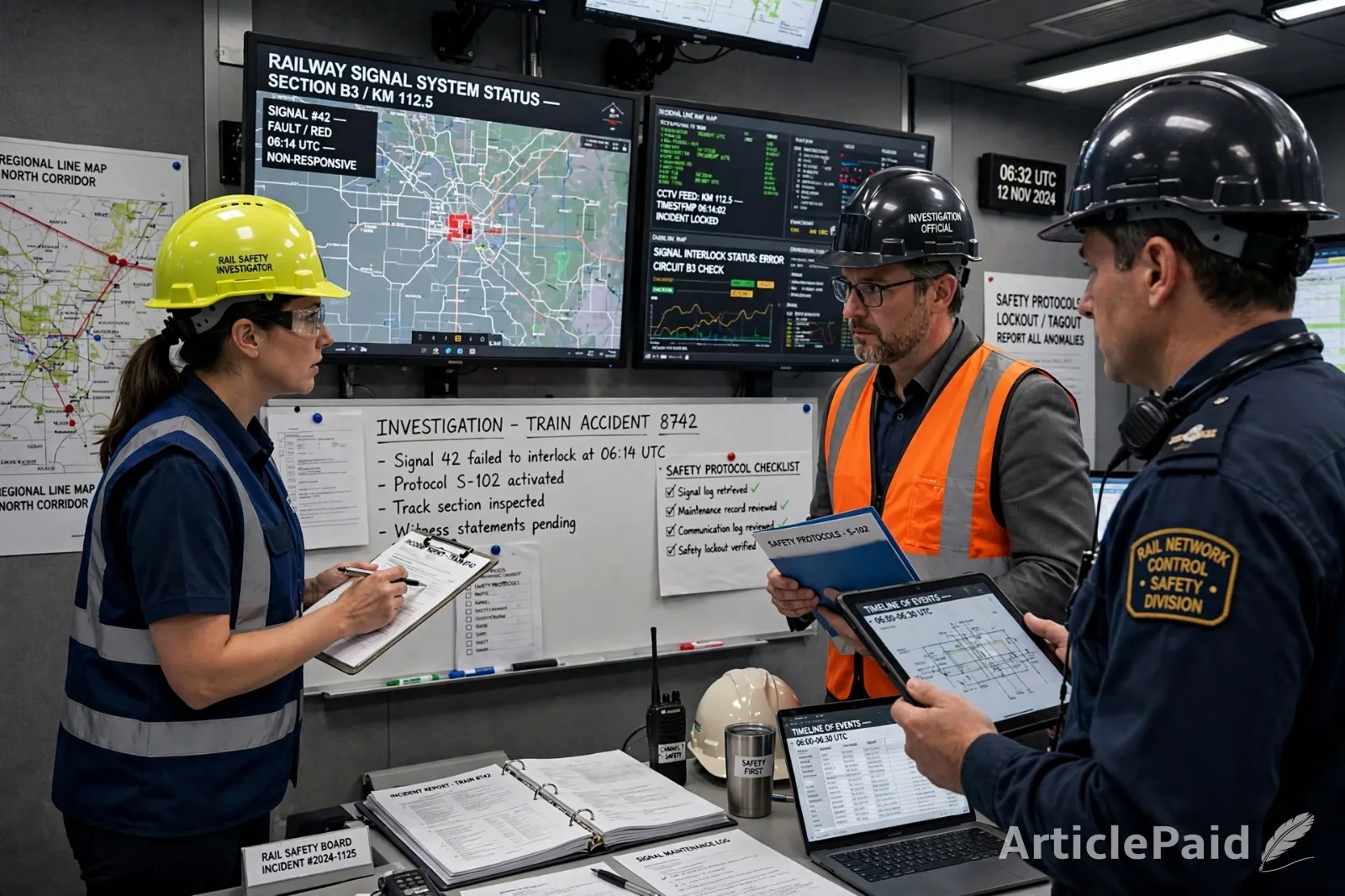
Tragedies like this leave a heavy mark on a country, but they also highlight the remarkable strength and unity of local communities.
From the first responders who worked tirelessly through the night to the medical teams and everyday citizens who offered immediate help, the human response amidst such terrible news reminds us how people come together when it matters most.
As the investigation moves forward, the focus remains on caring for those affected and doing everything possible to prevent a disaster like this from happening again.












Responses (0)