

Releasing next week, the latest take on Stephen King's novel has been criticised for its casting. The heroine is a softer, more conventional-looking character than in the book.
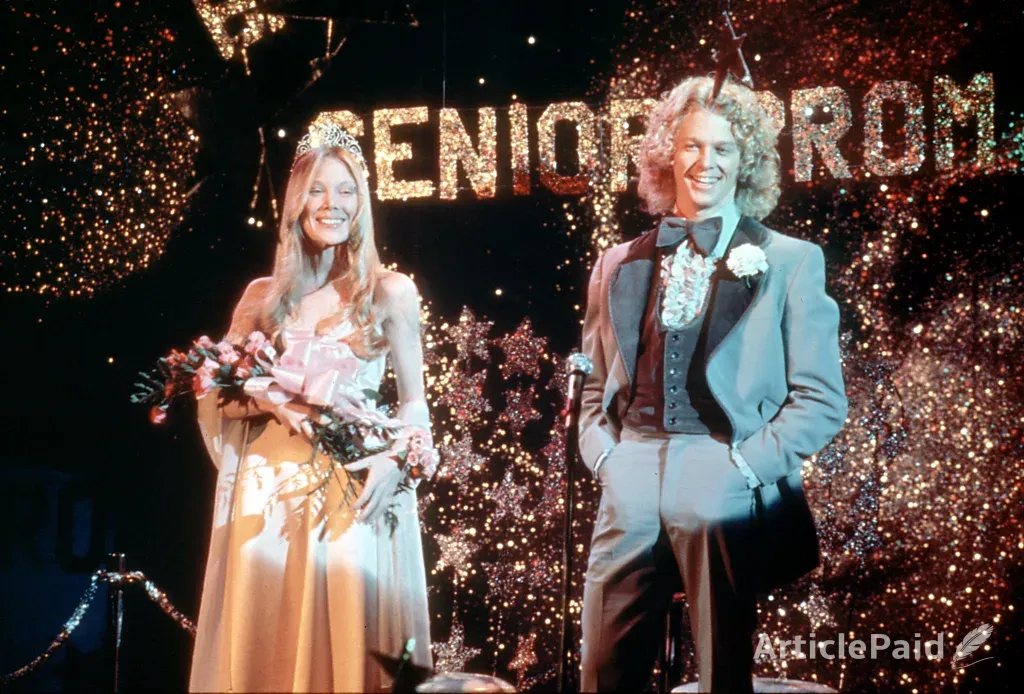
Carrie was King's first novel and centres on a 16-year-old girl who has been tormented for years by her classmates. She finds no comfort at home because her widowed mother is an abusive religious fanatic: breasts and showers are among the many thing she regards as sinful. Carietta "Carrie" White has a latent telekinetic power, typically unleashed when she is stressed, afraid or angry.
The novel begins with her being terrified by her first period, which arrives when she is in the shower after PE class. The other girls mock her ignorance and the stress – or maybe the onset of menstruation – reawakens her telekinetic power. The story then reaches a tragic climax days later when she is humiliated at the school prom.
King describes Carrie in the showers thus: "Carrie stood among them stolidly, a frog among swans. She was a chunky girl with pimples on her neck and back and buttocks". She's clearly meant to be – for want of a better word – "plain".
Yet in the four screen versions to date, she has been played by conventionally good-looking actresses. In Brian De Palma's 1976 classic, Sissy Spacek played Carrie. In a 2002 TV movie, it was Angela Bettis. Chloë Grace Moretz starred in the 2013 film and now, in this new Prime Video drama, it's 22-year-old Canadian newcomer Summer H Howell.
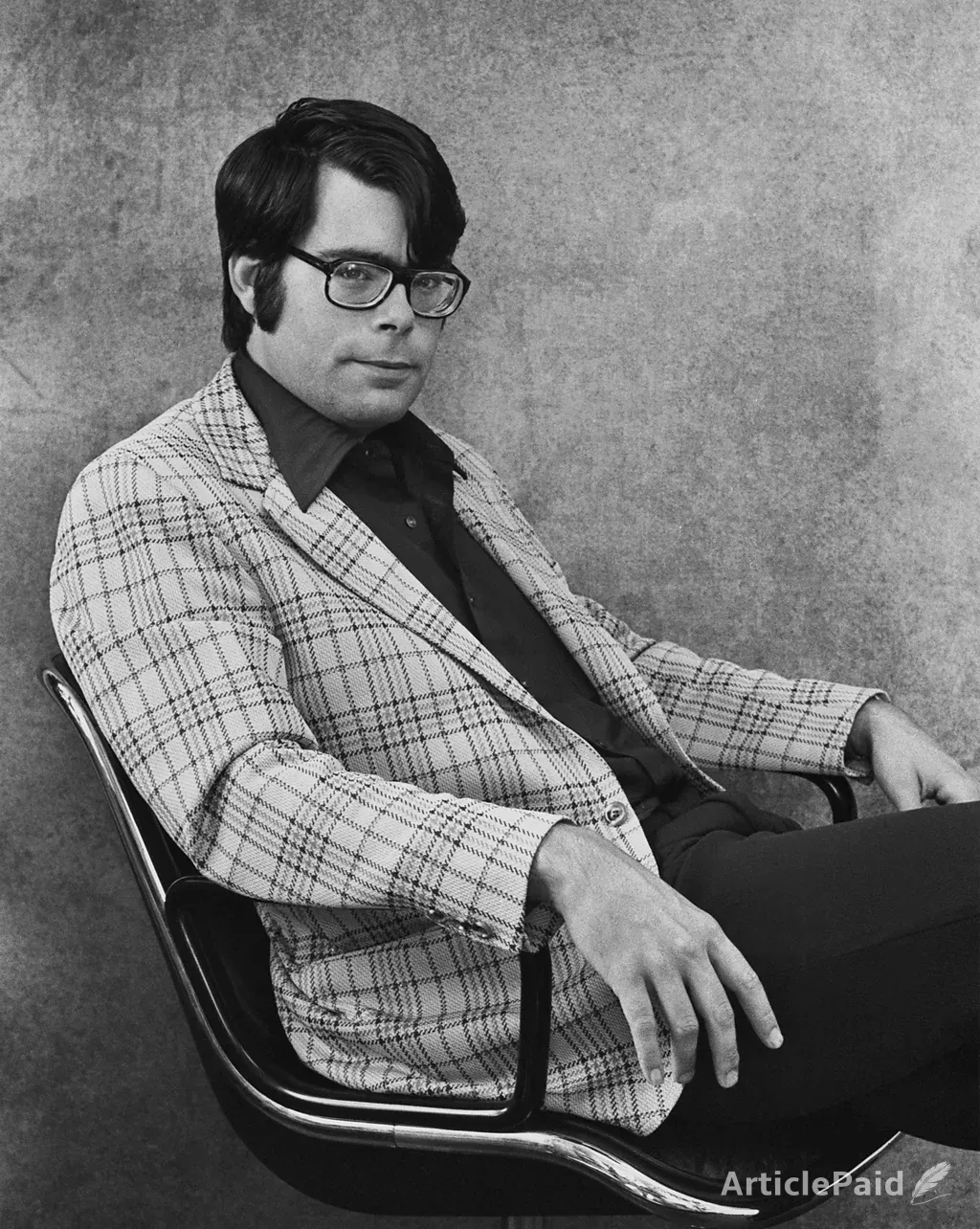
Dr Sorcha Ní Fhlainn is a horror expert and reader in film studies at Manchester Metropolitan University, who believes Flanagan's show will work on its own terms, and is smart in how it modernises the story.
"It updates the ongoing horrors of teenage life at school, where Carrie is desperate to fit in," she says, noting how it now centres social media, which offers new modes of ridicule.
Ní Fhlainn agrees that Flanagan's Carrie is not the "frog among swans" that King describes but says "her 'otherness' is absolutely coded in her making of her own clothes and [background of being] home-schooled. Like so many school-set horrors, this Carrie seems to conjure new means of navigating the familiar horrors of teenage life and bullying."
Film-maker Liam Gavin directed the cult horror film A Dark Song and two episodes of Flanagan's The Haunting of Bly Manor, his reimagining of Henry James's The Turn of the Screw. Gavin points out that, of course, deviations from the text and casting decisions are not always made purely for artistic reasons.
"With any adaptation, there's always going to be a tension between the source material and the needs of the market," he says. "Production funding is frequently dependent on cast, and so there can be external pressures. It's not always fair or just, it unfortunately 'just is'."
More from ArticlePaid

South Park Season 27 Moves to Paramount+: What to Know
South Park Season 27 is now airing on Paramount+ after leaving HBO Max. Here's what fans need to know about where to watch, why it moved, and what to

Influencer Emily claiming she had "all" her ribs removd
Social media was sent into a frenzy after influencer Emily James made the shocking claim that she had “all” of her ribs removed to achieve a slimmer waistl
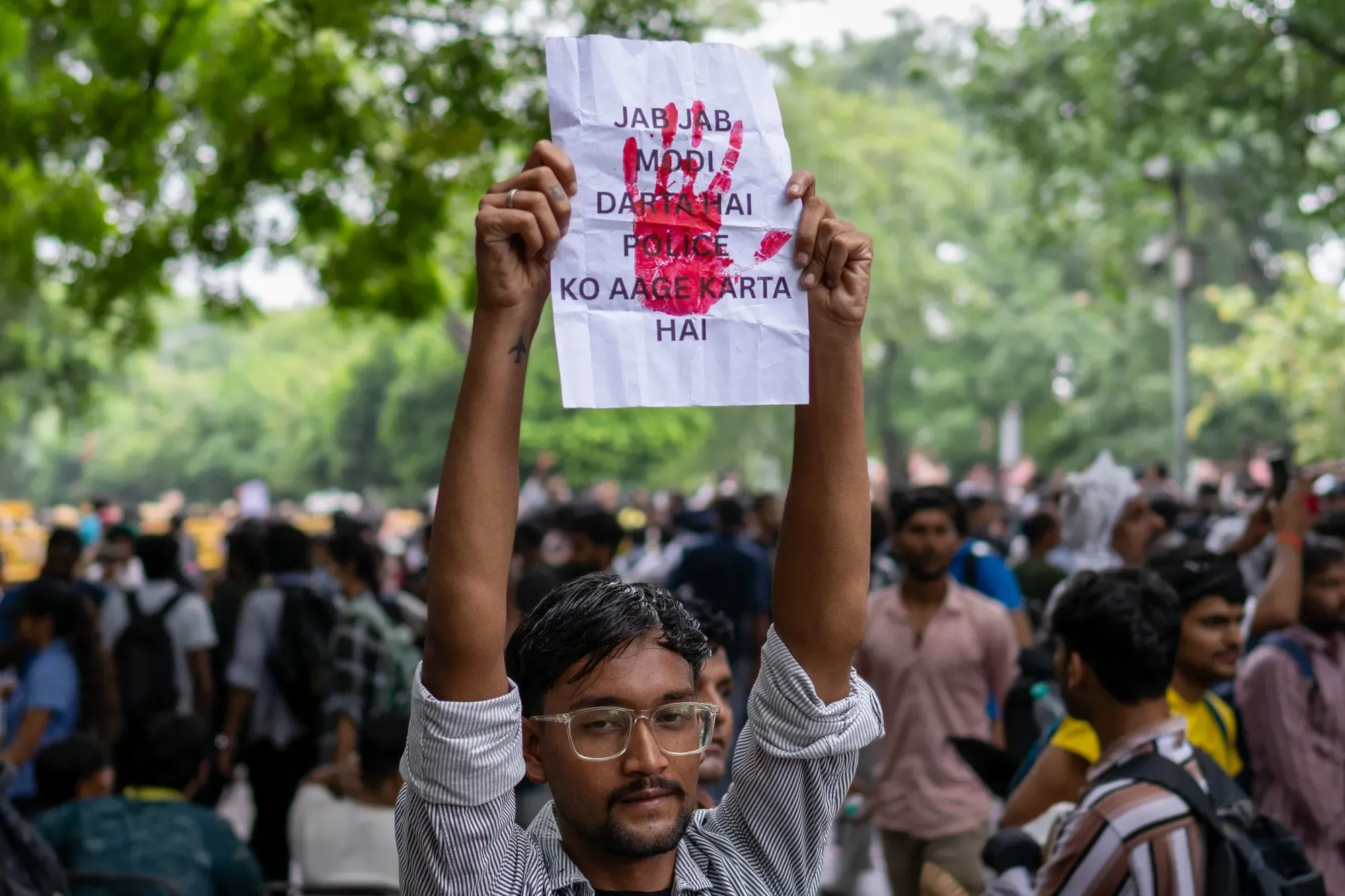
Students in India Protest in a New Fun Way Over NEET Exam Problems
Young people use memes, costumes and social media to fight for fair examsStudents in India are protesting in a special new way. Th...

Frankenstein” Rabbits in Colorado: What You Need to Know
Residents of Fort Collins, Colorado, have been startled by unusual and unsettling sightings: wild cottontail rabbits with tentacle-like, horn-shaped growth

⚽ FIFA World Cup 2026 (USA, Canada, & Mexico) The historic worldcup
⚽ FIFA World Cup 2026 (USA, Canada, & Mexico) The historic 48-team World Cup has reached its fever pitch. After a frantic mo...

Massachusetts Tax-Free Weekend Returns With Big Savings
Massachusetts tax-free weekend is here, giving shoppers two days to buy qualifying items without the 6.25% sales tax. Find out what’s eligible and how to s

The Unwavering Bravery of the Pakistan Army*Tribute to force
The Pakistan Army has a rich history of valor and selfless dedication to the defense of the nation. From the wars with India to counterterrorism operations
Judge Approves Redaction in Trigg Kiser Police Report
Court grants Emilie Kiser’s request to redact graphic details from the Trigg Kiser police report, citing dignity, privacy, and concerns over misuse of cont
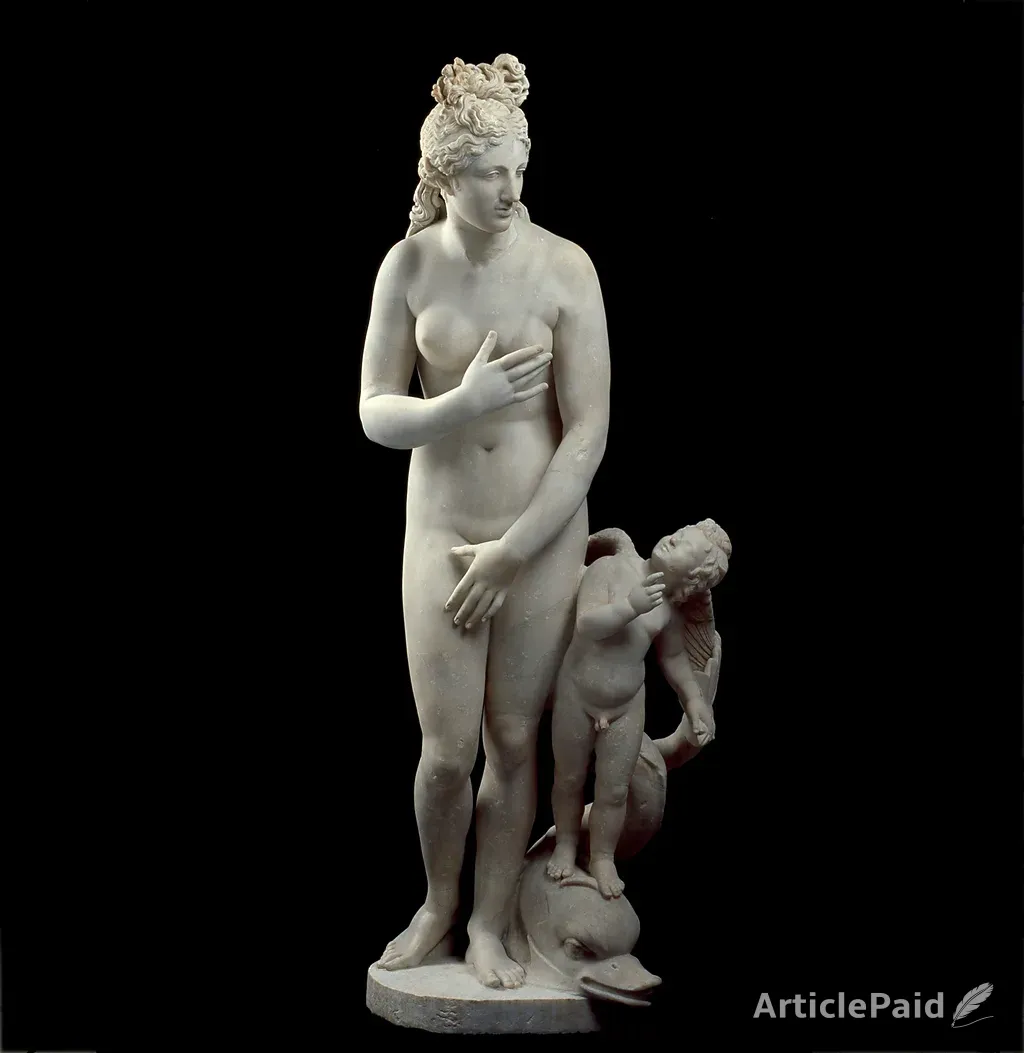
'An object of lust': How the ancient goddess became symbol of love
Following her original appearance on Cyprus back in the 13th Century BC, Aphrodite became a big hit with people, and worship of he...
Weekly Top Articles

Best AI Tools in 2026: 10 Tools That Make Everyday Work Easier
Artificial intelligence has become a practical part of everyday work in 2026. From writing and research to graphic design, coding,...

10 Future-Ready Courses Writers Should Consider in 2027
The Concept of Writing Skills Has Changed The role of a great writer is no longer about putting words together to form a good...

Money and Peace Together: 5 Hobbies That Can Earn You Extra Income Today
IntroductionIt is no secret that a person’s leisure time is often limited due to the ongoing hustle for money. However, in some ca...

Creamy Garlic Butter Chicken: A Weeknight Dinner Worth Repeating
Every so often, a dish takes over your social feed and you wonder if it's really that good. This one is. Tender chicken sits in a ...

Top 10 Online Courses to Learn in 2026 for a Successful Future Career
IntroductionThe online courses market is on the rise in 2026, and there are plenty of options suitable for students, job seekers. ...

7 AI Skills Paying $100 Daily In 2026 (No Degree Required)
IntroductionThe world of Artificial Intelligence is booming, offering unprecedented opportunities to make a living and build a sus...








Responses (0)
Sign in to share your thoughts.
Sign in