Drug-Resistant Pathogens: A Global Serious Health Threat -CDC Warns


Drug-Resistant Pathogens: A Potentially Serious Health Threat
Global Measles & Flu-Bronchitis Epidemics
New data released today by the Centers for Disease Control and Prevention (CDC) reveal a dramatic rise in the number of infections nationwide caused by drug-resistant pathogens.
The CDC’s most recent Antimicrobial Resistance [AR] Threats Report estimates that drug-resistant bacteria and fungi cause 9.7 million infections in the U.S. annually, a jump from 2.8 million in a similar report released in 2019. It estimates that drug-resistant pathogens cause 35,000 to 50,800 deaths in the United States.
Infections that commonly occur in hospital patients accounted for more than 42,000 US deaths and cost the US healthcare system more than $12 billion, according to the report.
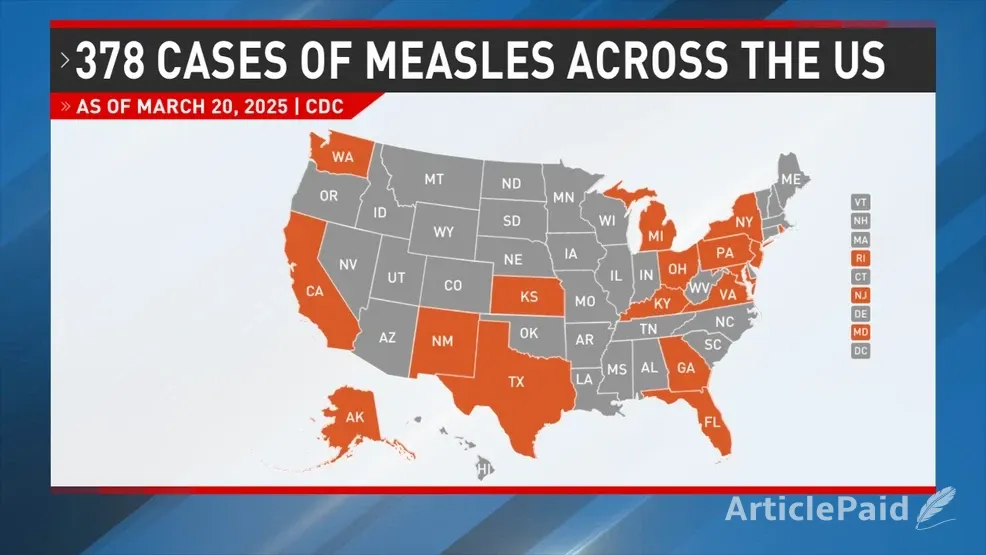 The map represents Measles cases in 2025, and the pattern is very similar in 2026.
The results are based on data gathered in 2023. CDC officials said the increase in drug-resistant infections since the 2019 report is driven in part by real increases in the number of infections caused by some resistant bacteria and fungi. But they say the data sources and methodologies have changed significantly and direct comparisons between the two reports should not be made.
Still, the agency and infectious disease experts say the report highlights both a current and future health threat.
“Antimicrobial resistance threatens modern medicine and puts millions of Americans at risk every year,” CDC Director Erica Schwartz, MD, MPH, JD, said in a press release.
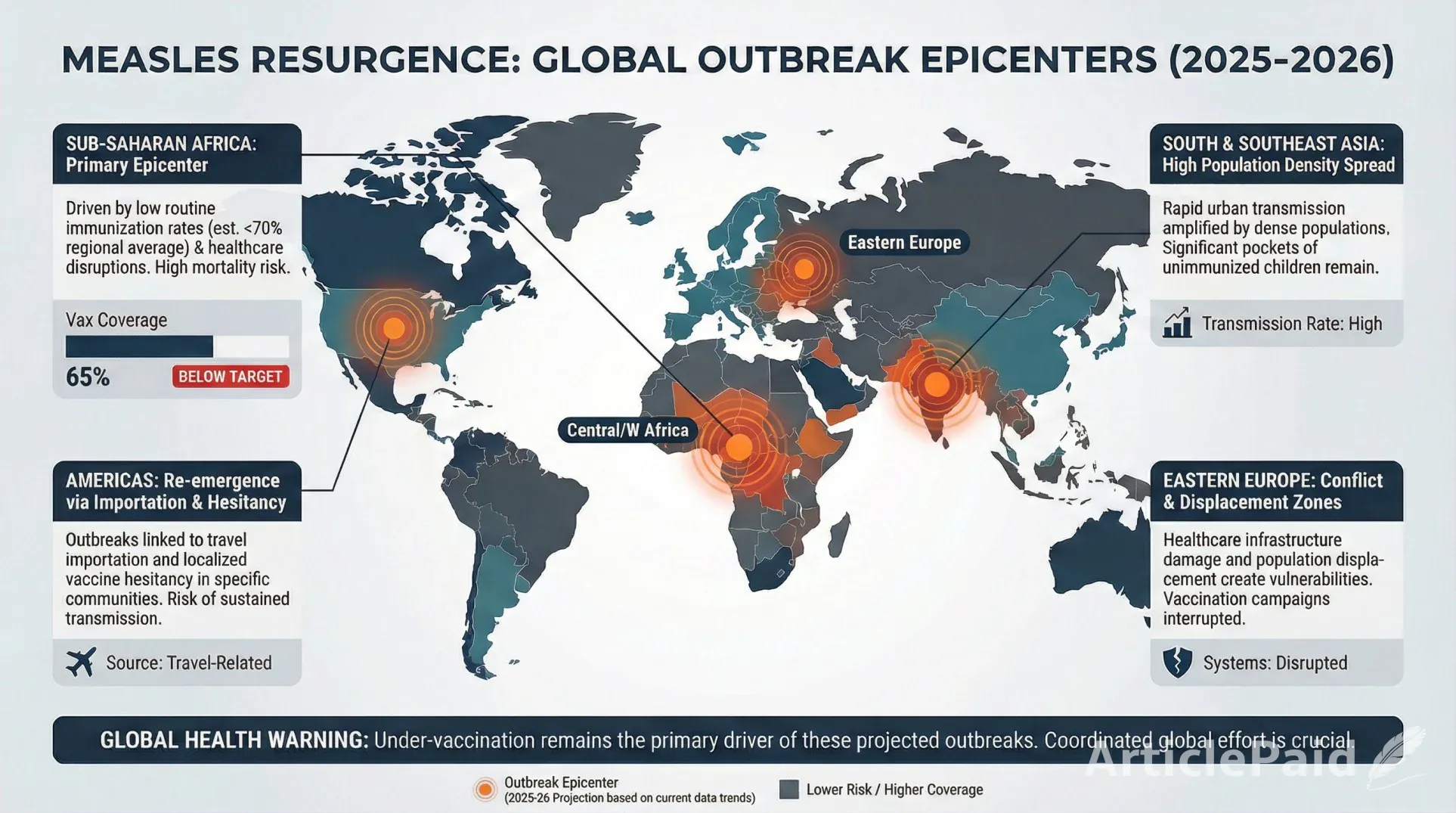 The measles resurgence connects to global epidemics on four continents: South America, Western Europe, and South Pacific regions are spared for now.
“These numbers are alarming by any measure, but especially sobering when infectious diseases physicians link real patients with these statistics in their everyday experience,” Infectious Diseases Society of America (IDSA) President Wendy Armstrong, MD, said in a statement.
Multidrug-resistant pathogens pose an urgent threat.
The CDC report highlights the 19 drug-resistant pathogens responsible for the 9.7 million annual infections—four of them labeled as urgent threats, 13 as serious threats, and two as concerning threats—along with a “watch list” of six additional pathogens the agency is keeping an eye on.
Candida auris, a fungus that is almost completely resistant to one class of antifungal drugs and has shown emerging resistance to the other two, tops the CDC's list of urgent threats. C. auris was first identified in US hospitals a little over a decade ago but caused 4,523 infections in 2023, a tenfold increase from 2019. The fungus is often found on patients’ skin and spreads quickly in healthcare settings, affecting some of the most vulnerable patients.

Tom Chiller, MD, MPHTM, former chief of the Mycotic Diseases Branch at the CDC, said the limited number of antifungal medications makes it challenging to treat resistant C. auris infections, which are fatal in 29% to 62% of patients.
“We need more drug development for sure,” Chiller, now chief medical officer for the fungal diagnostic.s
Tom Chiller, MD, MPHTM, former chief of the Mycotic Diseases Branch at the CDC, said the limited number of antifungal medications makes it challenging to treat resistant C. auris infections, which are fatal in 29% to 62% of patients.
“We need more drug development for sure,” Chiller, now chief medical officer for the fungal diagnostics company IMMY, told CIDRAP News. “For C. auris, we also need to figure out how to decolonize patients and rapidly disinfect healthcare environments. This will require lots more screening of patients and healthcare settings.”
Other pressing threats include carbapenem-resistant Enterobacterales (CRE), a family of multidrug-resistant bacterial pathogens that are becoming harder to treat and can share their resistance with other bacteria. As with C. auris, these bacteria pose the greatest risk to hospital patients, particularly those with indwelling devices such as ventilators and catheters. An 18% increase in the rate of CRE in U.S. hospitals was observed between 2019 and 2023 in a study published by CDC researchers in September 2025.
“We are seeing more incidences of CRE in our hospital compared with five years ago,” said Haley Ann Pritchard, MD, an IDSA spokesperson and medical director of infection prevention and antimicrobial stewardship at Eskenazi Health Hospital in Indianapolis.
Pritchard added that, while there are newer antibiotics for CRE infections, she’s already seen resistance to drugs that have come out within the past few years. “We really need more drugs,” she said.
These numbers are alarming by any measure but are particularly sobering when infectious diseases physicians connect real patients with these statistics in their everyday experience.
Despite the fact that urgent threats are primarily associated with healthcare, it is not only hospital patients who should be concerned about drug resistance. The Centers for Disease Control and Prevention (CDC) reported that 67% of the 14,878 CRE cases in 2023 were community-onset, although some of these cases may have been associated with recent healthcare exposure.
Neisseria gonorrhoeae, the bacterium that causes gonorrhea, is also included in the list of urgent threats. Gonorrhea is one of the most prevalent sexually transmitted infections. The report asserts that healthcare providers possess only a limited number of antibiotics that are capable of effectively treating this infection.
Without effective treatment, gonorrhea can cause pelvic inflammatory disease, ectopic pregnancy, and infertility. It can also increase the risk of HIV infection.
Decline in C diff infections
Clostridioides difficile, the bacterium behind severe diarrhea and colon damage, has been downgraded from an urgent threat to a serious threat. In 2023, the pathogen still caused more than 11,000 deaths among US hospital patients, but the number of C. difficile infections was 9% lower than in 2018.
The CDC attributes the decline to better infection control and improved antibiotic use in hospitals (unnecessary antibiotic use is a primary cause of. C. diff infections).
“This data shows both the progress we've made and the significant work that remains,” Schwartz said.
Pritchard, an associate professor of clinical medicine at Indiana University School of Medicine, believes that the decrease indicates that US hospitals are deriving some benefit from their efforts to prevent the transmission of C. difficile.
“I would obviously like to see those numbers go down more, but it is at least nice that they’ve gone down some,” she said.
Other serious threats highlighted in the report are drug-resistant Campylobacter, a leading cause of foodborne illness; methicillin-resistant Staphylococcus aureus; drug-resistant Shigella, which spreads through contaminated food and water but has become increasingly associated with sexual activity; and multidrug-resistant Pseudomonas aeruginosa.
Meningococcal disease, a rare but life-threatening illness, is caused by antibiotic-resistant Neisseria meningitidis, which has been recently included in the list of serious threats. “The estimated number of ciprofloxacin-resistant N. meningitidis cases more than doubled, and the estimated number of penicillin-resistant cases tripled” between 2019 and 2023, according to the CDC.
Potential threats
Pathogens on the CDC’s “watch list” include Bordetella pertussis, the bacterium that causes whooping cough (pertussis), which primarily affects young children. Macrolide antibiotics like azithromycin are typically used to treat pertussis cases, but two US cases of macrolide-resistant B. pertussis were identified in 2024 and 2025, the first since 2018. The CDC says if macrolide resistance becomes more common, it may lead to more severe infections or deaths, particularly in young children.

The report also emphasizes drug-resistant dermatophytes, a group of fungi that are responsible for skin infections such as athlete's foot and ringworm. Although the CDC maintains that the overall burden of drug-resistant dermatophytes is not well understood, there is a growing number of cases being reported in the United States and around the world. Chiller asserts that they can be responsible for over half of the cases observed at clinics in India.
You really cannot have all the benefits of modern medicine, even outside the realm of infectious diseases, without effective antibiotics. It all goes away.
Chiller says that while these are not deadly infections, he’s worried that the resistant strains will take over and become increasingly difficult to treat. He’s also worried about the emergence of new fungal species that are even more resistant to current drugs.
“I am definitely concerned about the increasing trends of new emerging species and the lack of good diagnostic options and new therapeutic approaches,” he said.












Responses (0)