

Introduction
Why Your Brain Stops Seeing Mistakes After Writing
Mental Blindness
- Repeated words
- Awkward phrasing
- Spelling mistakes
- Weak transitions
Relatable Examples
- Writing after Fajr prayer, before everyone wakes up, as the house is quiet and there are zero distractions
- Students are editing assignments while working on late-night freelancing projects
- Re-reading the piece while tired during loadshedding hours or internet disruptions
- Editing after work or classes because there was no time to write earlier
So, How Long You Should Actually Step Away?

1. Step Away for 13-30 Minutes
- Short blog posts
- Emails
- Social media captions
- Assignments
- Make chai
- Pray
- Walk around
- Avoid scrolling social media
2. Step Away for 2-4 Hours
- Medium-length articles
- Client work
- Opinion pieces
- University writing
3. Step Away Overnight
- Emotional or creative writing
- Important freelance projects
- Applications
- Serious/intellectual long-form content
- Emotional attachment to sentences fades
- Editing becomes more objective
The Biggest Mistake Writers Make After Finishing A Draft
What Should You Do During The Break Instead
Do Healthy Activities
- Light household chores
- Tea break
- Short walk
- Stretching
- Prayer
- Talking to family members
- Resetting your eyes
Step Away From Bad Break Habits
- Doom scrolling
- Comparing yourself to other writers online
- Reading harsh comments
- Immediately opening a demanding task
Signs You've Stepped Away Long Enough
But how do you actually know when your brain is ready to edit again?
- Sentences sound slightly unfamiliar
- Mistakes become obvious quickly
- You can cut unnecessary lines without feeling emotional
- The draft feels like it's written by someone else
A Simple Editing Routine for Pakistani Writers

- Draft after Fajr or early morning
- Edit in the evening
- Edit the next day to spot errors with fresh eyes
- Draft after classes
- Review the next morning before submission
- Edit a few hours or the next day
- Finish client draft one day early
- Edit the next day before delivery
- Review the edited piece before delivery
Conclusion
More from ArticlePaid

Rewire Your Brain After Writing: A Mental Reset for Writers
If you’ve ever finished writing an article, blog post, or client draft, only to sit there staring at the screen, mentally exhausted but unable to relax, yo

Why Everyone Needs a Good Book for Self-Care Reading?
Discover the power of selfcare reading! Explore why a good book is essential for relaxation, personal growth, and mental well-being. Your journey to inner peace starts with the perfect read!

10 Daily Habits That Secretly Destroy Your Success in Life
### 10 Daily Habits That Secretly Destroy Your Success in LifeSuccess is not just about big opportunities—it’s about small habits that shape your daily ro
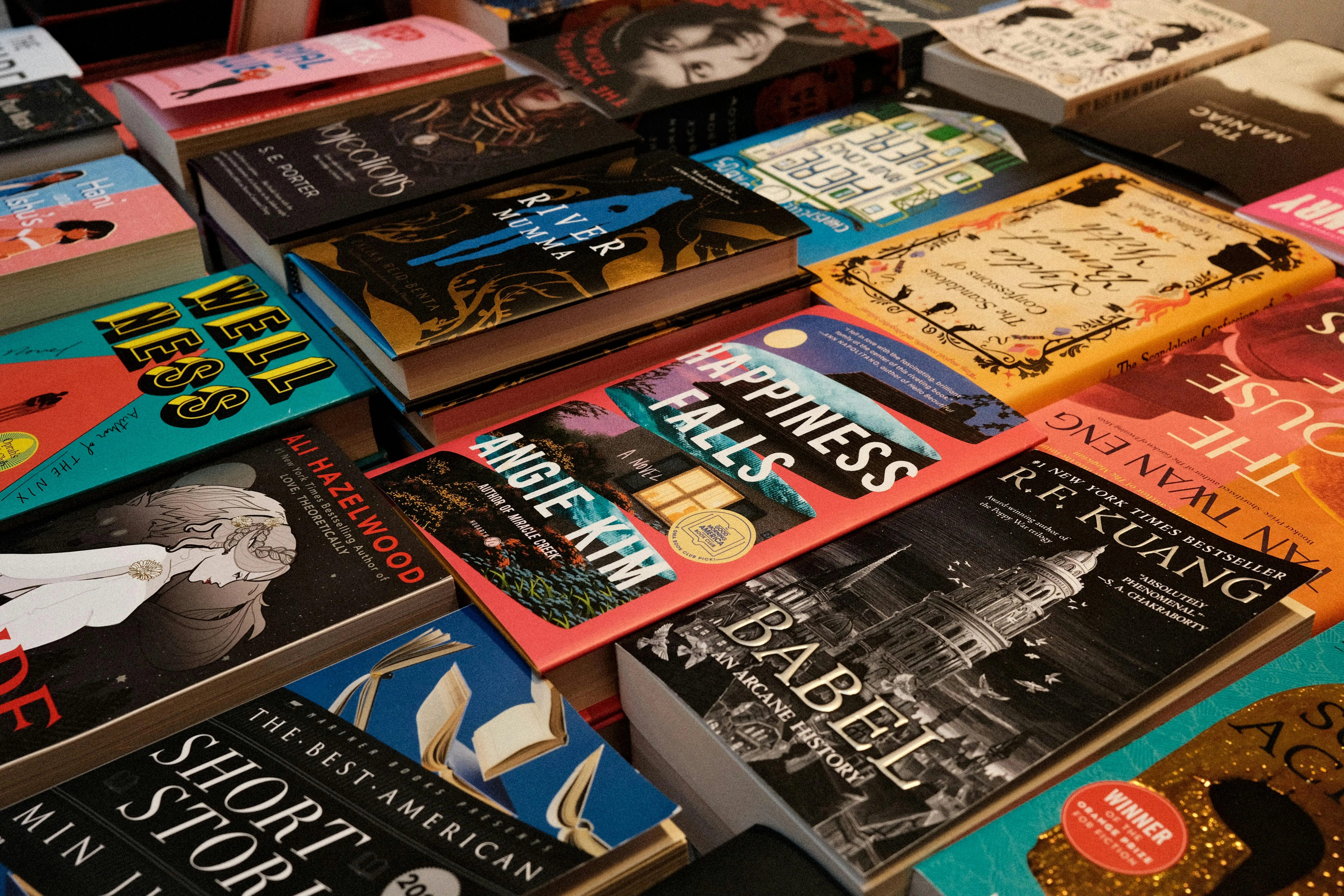
AI Can Write Content For You, But Fiction Books Taught Me How to Write
Becoming a better writer isn't about consuming advice; it's about consuming storytelling on a long-term basis. I have read co...

25 Habits That Will Completely Change Your Life in 2026
25 Habits That Will Completely Change Your Life in 2026If 2025 taught us anything, it’s that life changes fast—and those who win are the ones who grow fast
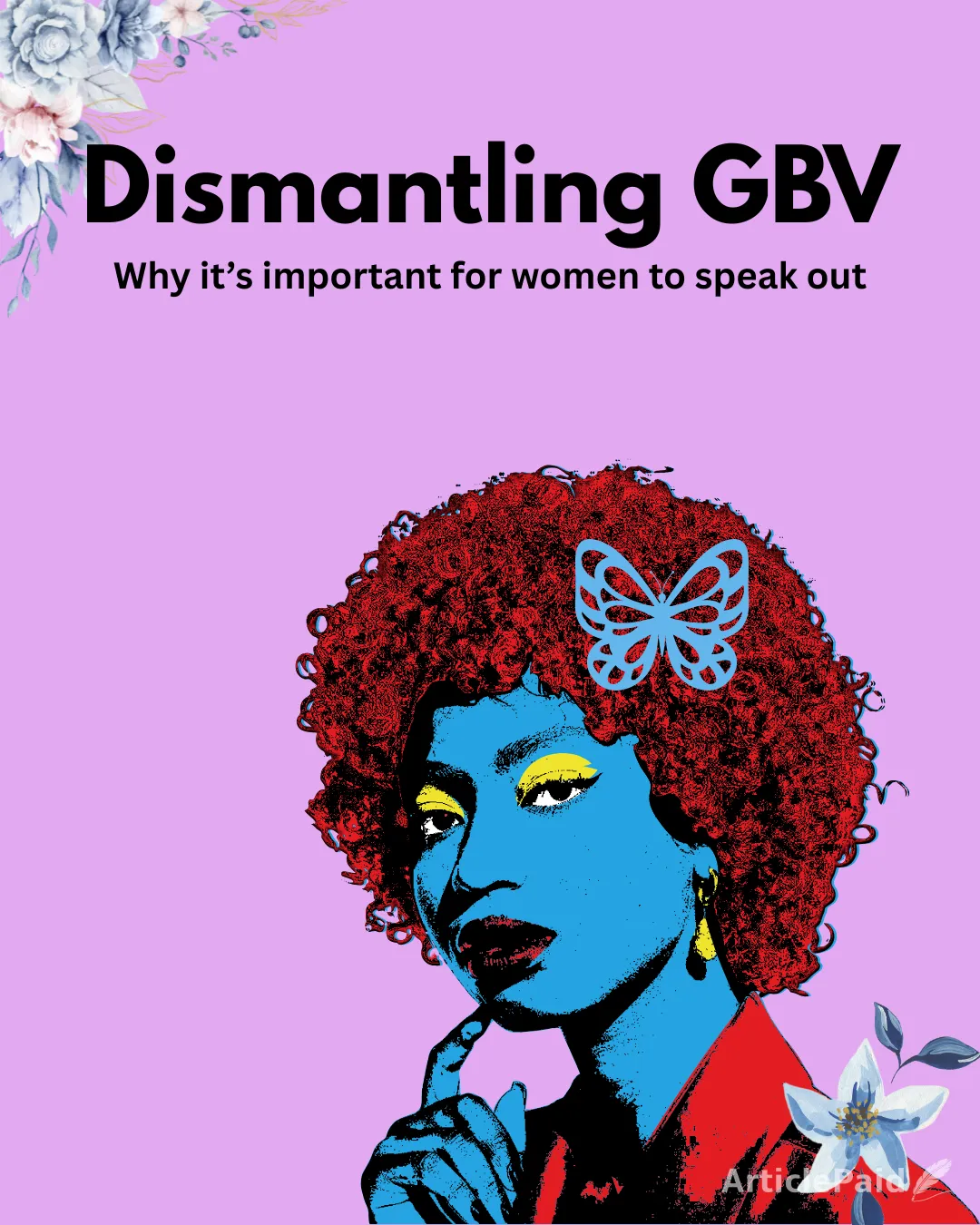
What Silence Culture Teaches Men | On Dismantling Gender-Based Violence
A group of male friends sit and catch up on the different elements of their lives. Two are in serious relationships while the othe...
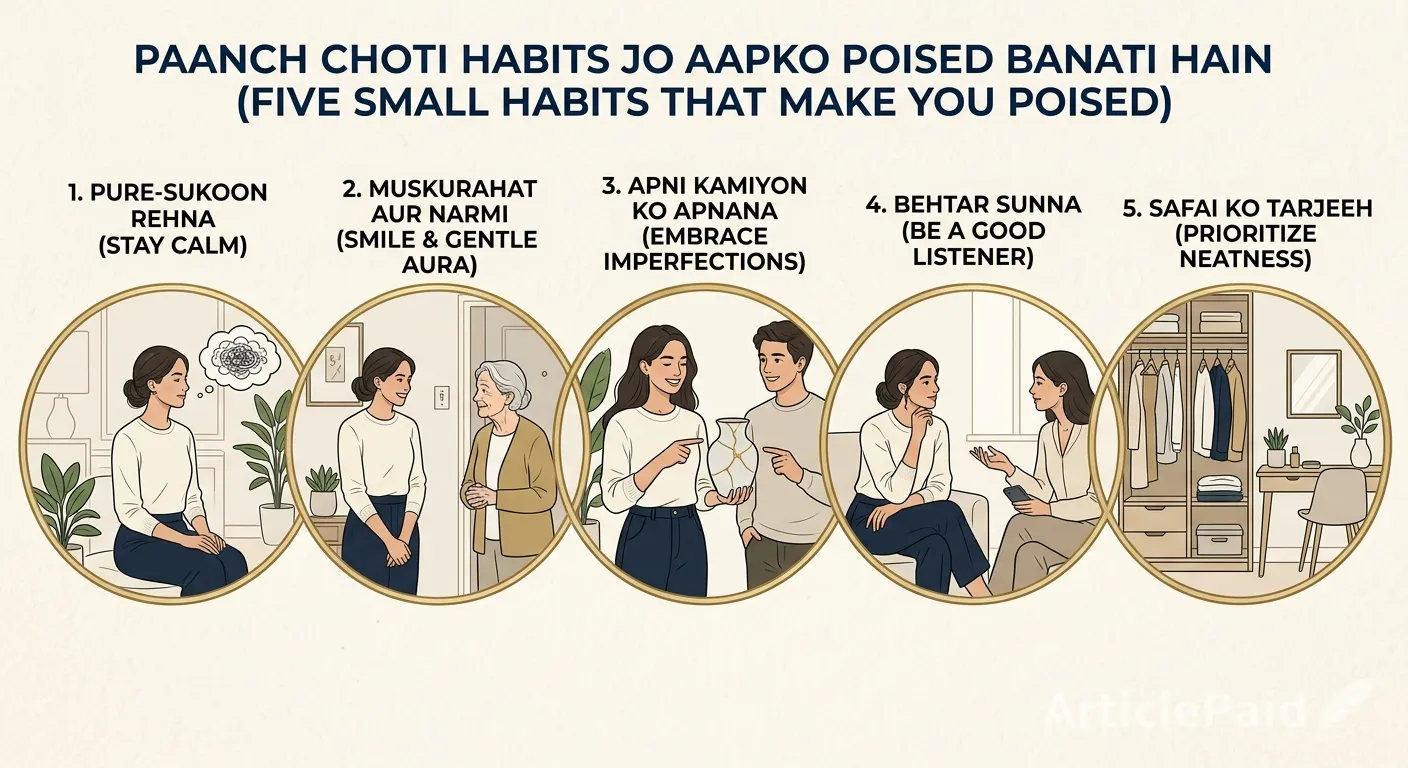
05 Small Habits That Make You Seem Graceful and Poised
Self ImprovementThere is a type of person in life who is effortlessly likable. They do not have to be conventionally good-looking,...

Here's What Writing Short Stories Taught Me About Becoming a Better Writer
I've written three short stories recently, and honestly, I was surprised by how much people liked them. The reads were limited, bu...

Slow Writing: Why I'm Learning to Write at my Own Pace
Writers. You’ve been there. We've all been there, including myself. Whether you’re a writer or simply journaling your thoughts, writing at your o
Weekly Top Articles

Best AI Tools in 2026: 10 Tools That Make Everyday Work Easier
Artificial intelligence has become a practical part of everyday work in 2026. From writing and research to graphic design, coding,...

10 Future-Ready Courses Writers Should Consider in 2027
The Concept of Writing Skills Has Changed The role of a great writer is no longer about putting words together to form a good...

Money and Peace Together: 5 Hobbies That Can Earn You Extra Income Today
IntroductionIt is no secret that a person’s leisure time is often limited due to the ongoing hustle for money. However, in some ca...

Creamy Garlic Butter Chicken: A Weeknight Dinner Worth Repeating
Every so often, a dish takes over your social feed and you wonder if it's really that good. This one is. Tender chicken sits in a ...

Top 10 Online Courses to Learn in 2026 for a Successful Future Career
IntroductionThe online courses market is on the rise in 2026, and there are plenty of options suitable for students, job seekers. ...

7 AI Skills Paying $100 Daily In 2026 (No Degree Required)
IntroductionThe world of Artificial Intelligence is booming, offering unprecedented opportunities to make a living and build a sus...




Responses (0)
Sign in to share your thoughts.
Sign in