
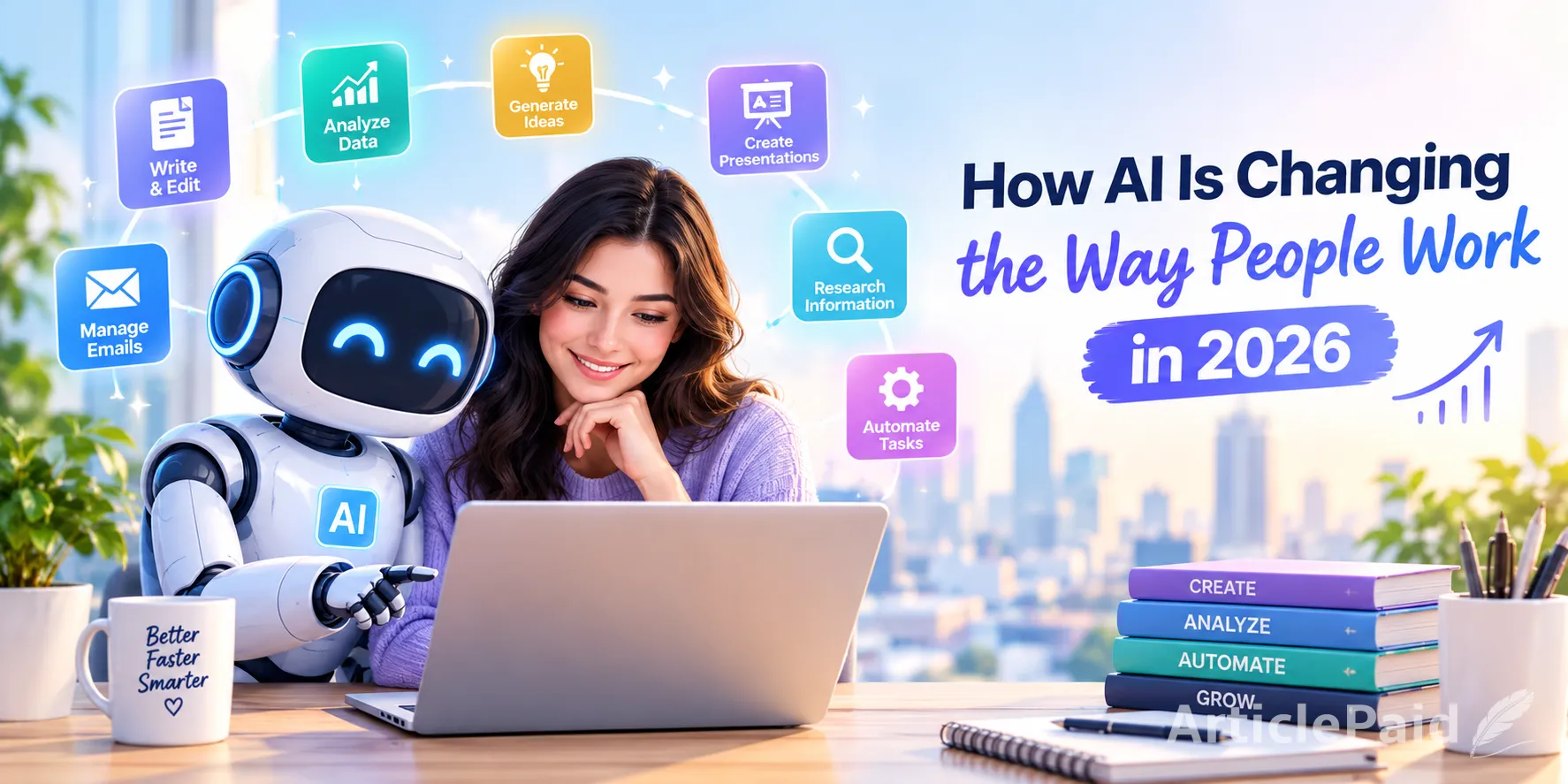
Artificial intelligence is no longer a futuristic concept reserved for technology companies. In 2026, AI has become a practical part of everyday work for millions of employees, freelancers, entrepreneurs, and business owners around the world.
From writing emails and analyzing data to creating presentations, researching information, and automating repetitive tasks, AI is changing how people approach their jobs. Instead of simply replacing human workers, modern AI tools are increasingly being used to help people work faster, make better decisions, and focus on tasks that require creativity and human judgment.
But what does the rise of AI actually mean for the future of work?
AI Is Becoming Part of Everyday Work
One of the biggest changes in 2026 is that artificial intelligence is becoming integrated into ordinary workplace activities.
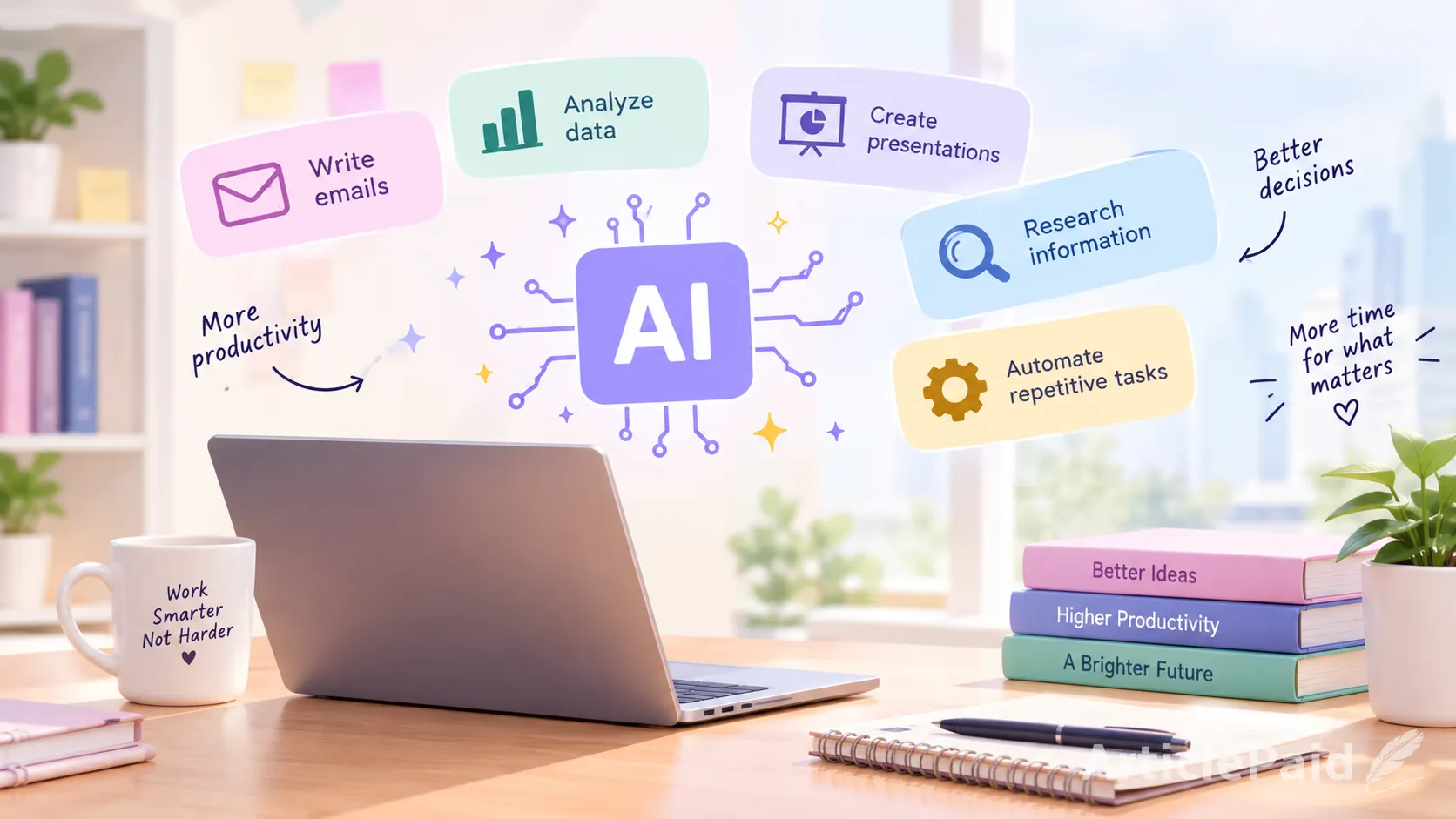
Employees can use AI assistants to summarize long documents, organize information, draft reports, generate ideas, analyze spreadsheets, and prepare presentations. A task that previously required hours of manual work can sometimes be completed in a fraction of the time with the right AI tools.
For example, a marketing professional can use AI to brainstorm campaign ideas, a developer can use AI to assist with code, and a writer can use AI to create an initial outline for an article.
This does not necessarily mean that humans are becoming less important. Instead, the nature of many jobs is changing.
AI Is Automating Repetitive Tasks
Repetitive work is one of the areas where AI is having the biggest impact.
Many jobs include routine activities such as entering information, sorting documents, answering common questions, scheduling meetings, creating basic reports, and organizing data.
AI automation can handle many of these activities with minimal human involvement.
Businesses are increasingly using AI powered systems to automate customer support, process information, manage workflows, and monitor routine operations. This allows employees to spend more time on tasks that require problem solving, communication, creativity, and decision making.
The result is a workplace where humans can focus less on repetitive processes and more on higher value responsibilities.
AI Is Changing How People Search for Information
The traditional process of searching through multiple websites, documents, and databases is also changing.
AI assistants can help workers quickly organize large amounts of information and provide summaries based on the material they are working with.
For researchers, marketers, students, analysts, and business professionals, this can significantly reduce the time spent finding and organizing information.
However, AI generated information still needs to be reviewed carefully. AI systems can make mistakes, misunderstand context, or provide information that sounds convincing but is inaccurate.
Human fact checking remains important, especially when decisions depend on accurate information.
AI Is Transforming Content Creation
Content creation is another area experiencing major changes in 2026.
Writers, designers, marketers, video creators, and social media professionals can use AI tools to support different stages of the creative process.
AI can help generate ideas, create outlines, improve wording, suggest headlines, analyze audiences, develop content concepts, and assist with visual creation.
For example, a content creator might use AI to brainstorm ten video topics, create a content outline, develop potential titles, and organize a publishing schedule.
The human creator still plays an important role because creativity, personal experience, storytelling, originality, and audience understanding cannot simply be reduced to automated output.
AI Is Helping Employees Become More Productive
One of the biggest advantages of AI in the workplace is improved productivity.
Instead of spending an entire afternoon completing a repetitive task, an employee may be able to use AI to create a first draft or organize the information within minutes.
AI productivity tools can assist with:
- Writing and editing
- Meeting summaries
- Email drafting
- Research
- Data analysis
- Presentation creation
- Project organization
- Customer support
- Brainstorming
- Task management
This gives workers more time to focus on important responsibilities.
The goal is not necessarily to work more hours. In many cases, the goal is to accomplish more meaningful work within the same amount of time.
AI Is Creating New Job Opportunities
While much of the discussion around artificial intelligence focuses on jobs that could be automated, AI is also creating new career opportunities.
Companies need people who understand how to develop, manage, evaluate, and use AI systems effectively.
New and growing areas include AI training, AI content evaluation, AI automation, prompt engineering, AI product development, data analysis, AI quality assurance, and AI assisted content creation.
There is also increasing demand for professionals who combine AI knowledge with another skill.
For example, someone with knowledge of marketing and AI may work on AI powered marketing campaigns. A writer who understands AI evaluation may work on improving AI generated content. A developer who understands AI tools can use them to build more capable applications.
This combination of domain expertise and AI skills can become increasingly valuable.
AI Is Changing the Skills Employers Want
As artificial intelligence becomes more common, employers are increasingly looking beyond traditional qualifications.
Technical AI knowledge can be useful, but workers do not necessarily need to become AI engineers to benefit from the technology.
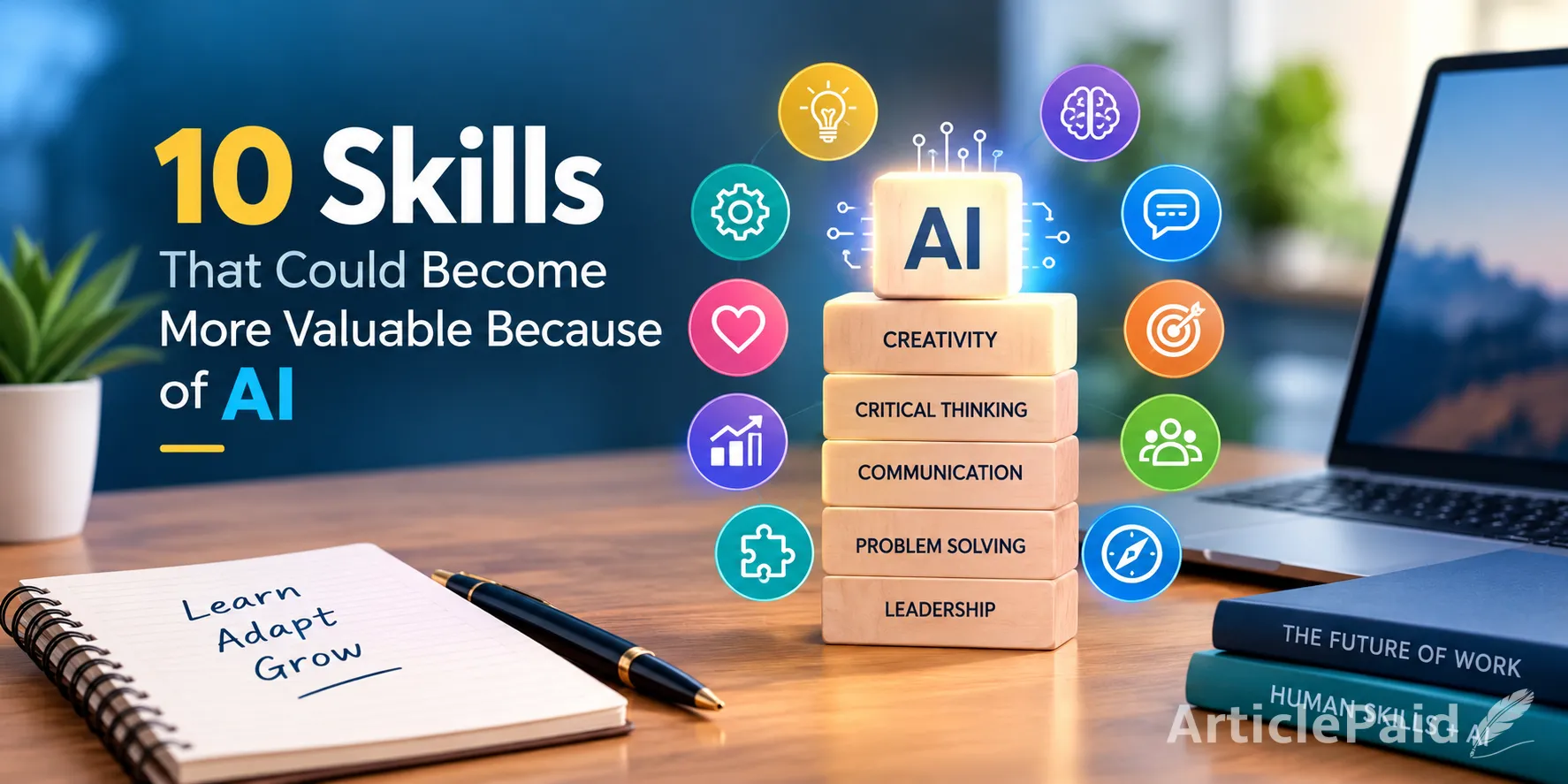
Skills such as critical thinking, communication, creativity, problem solving, adaptability, research, and analytical reasoning remain extremely important.
The ability to work effectively with AI is becoming a valuable skill in itself.
Workers who understand how to give clear instructions, evaluate AI responses, identify errors, verify information, and improve generated content can potentially gain an advantage in an AI assisted workplace.
AI Is Changing Remote Work
Remote workers are also benefiting from advances in artificial intelligence.
AI tools can help remote teams summarize meetings, organize projects, draft communications, track tasks, and share information across different time zones.
For freelancers and independent professionals, AI can also reduce the amount of time spent on administrative work.
A freelancer might use AI to organize project requirements, create an initial proposal, draft client communications, research a topic, and prepare content.
This can make it easier for individuals and small teams to handle work that previously required additional staff.
Human Skills Still Matter
Despite rapid advances in artificial intelligence, human skills remain essential.
AI can generate text, analyze information, recognize patterns, and assist with many professional tasks. However, people still need to decide whether the result is appropriate, accurate, ethical, and useful.
Human judgment becomes especially important when a decision involves customers, employees, finances, reputation, or other significant consequences.
Communication and emotional intelligence also remain important because successful workplaces depend on collaboration, trust, leadership, and relationships.
The future of work is therefore unlikely to be simply humans versus AI. A more realistic scenario is humans working alongside AI.
How Workers Can Prepare for the AI Era
The best way to prepare for changes in the workplace is to learn how to use AI effectively rather than ignore it.
Start by learning the AI tools that are relevant to your profession. Experiment with different workflows and identify repetitive tasks that could be improved through automation.
It is also useful to strengthen skills that AI cannot easily replace, including communication, creativity, critical thinking, leadership, and problem solving.
Most importantly, learn to evaluate AI output rather than accepting everything it produces.
Being able to recognize incorrect information, weak reasoning, missing context, and poor quality content is becoming increasingly valuable.
The Future of Work Is Becoming More AI Assisted
Artificial intelligence is changing the workplace at a remarkable pace.
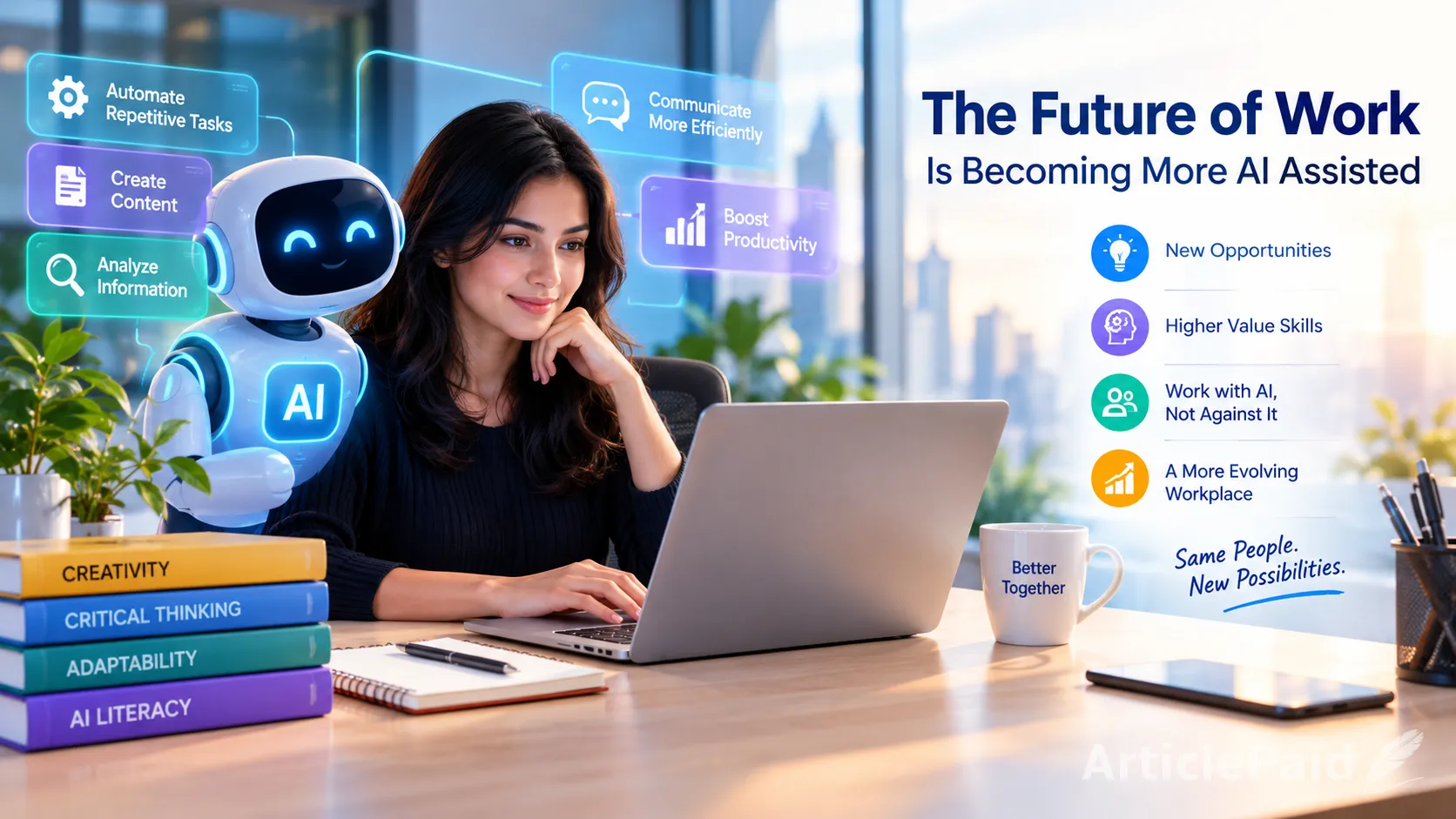
In 2026, AI is helping people automate repetitive tasks, create content, analyze information, communicate more efficiently, and improve productivity. At the same time, it is creating new types of work and increasing the importance of skills such as critical thinking, adaptability, and AI literacy.
The biggest opportunity may not come from competing against AI. It may come from learning how to work effectively with it.
People who understand how to combine artificial intelligence with human creativity, judgment, communication, and expertise will be better positioned to adapt as the workplace continues to evolve.
AI is not simply changing the tools people use at work. It is changing how work itself is performed.















Responses (0)
Sign in to share your thoughts.
Sign in