
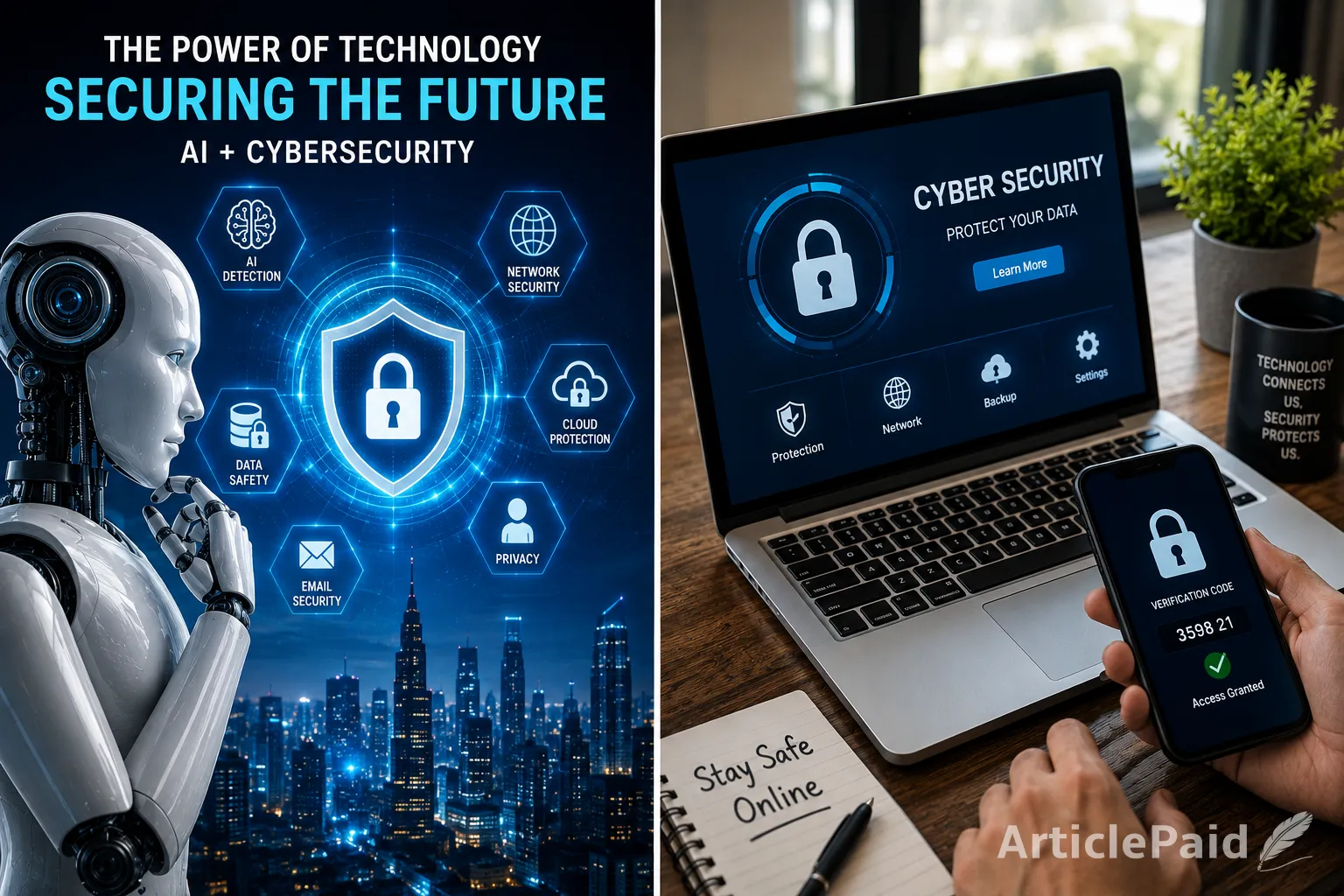
# Artificial Intelligence and Cybersecurity: How Technology Is Changing Digital Safety in 2026
Technology is changing faster than ever. Artificial intelligence (AI), cloud computing, automation, and connected devices are becoming part of everyday life, from how businesses operate to how people communicate and access information.
But as technology becomes more powerful, protecting digital information becomes increasingly important.
In 2026, artificial intelligence has become one of the most important forces shaping cybersecurity. AI can help organizations detect suspicious activity and respond to threats faster, but the same technology can also create new risks when it is poorly managed. The World Economic Forum describes AI as transforming both sides of the cybersecurity battle, strengthening defenses while also enabling more sophisticated attacks.
The Growing Role of Artificial Intelligence
Artificial intelligence is no longer limited to experimental technology. Organizations are increasingly using AI to automate tasks, analyze information, improve customer experiences, and support decision-making.
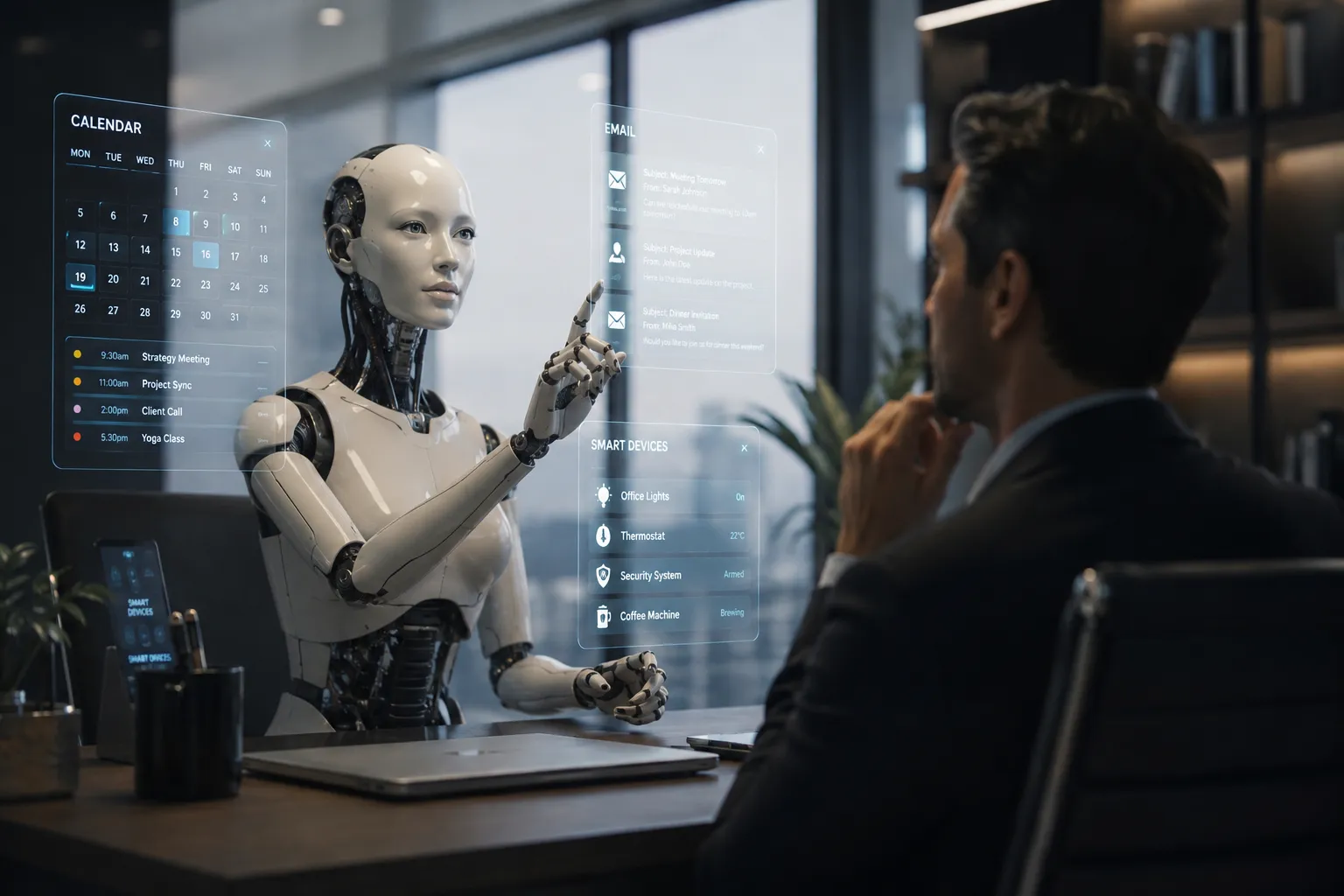
One of the biggest developments is the growth of AI agents—systems that can perform tasks with less direct human involvement. Gartner identifies agentic AI and multiagent systems among the important technology trends shaping 2026.
This development could make businesses more efficient. However, it also creates a new security challenge: organizations need to understand what their AI systems can access and what actions they are allowed to perform.
AI Can Strengthen Cybersecurity
Cybersecurity teams traditionally spend significant amounts of time monitoring systems, reviewing alerts, and identifying unusual behavior.
AI can help automate some of this work.
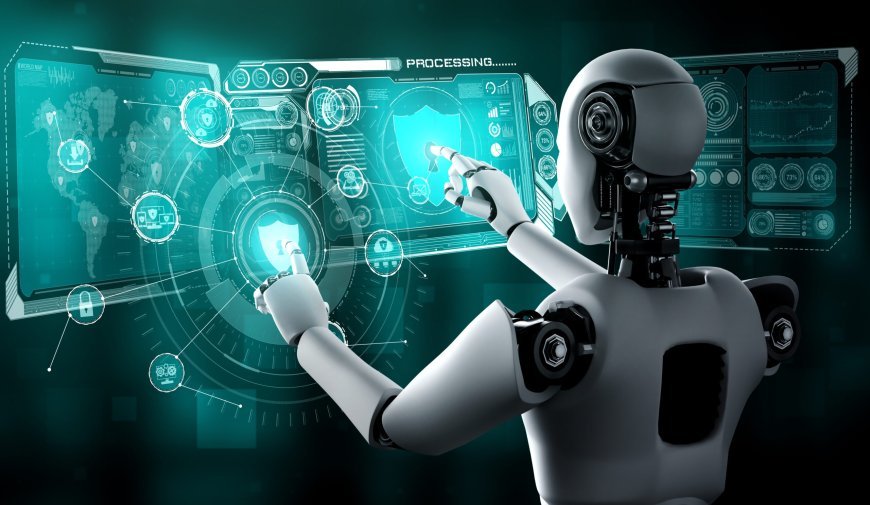
For example, AI-powered security systems can analyze large amounts of information and identify patterns that may be difficult for humans to recognize quickly. This can help security professionals investigate potential threats more efficiently.
Gartner's 2026 cybersecurity research highlights the increasing use of AI in security operations while emphasizing the importance of human expertise and oversight.
The goal should not be to replace cybersecurity professionals completely. Instead, AI can act as an additional tool that helps people make better and faster decisions.
The New Risks Created by AI
Every powerful technology introduces new challenges, and AI is no exception.
AI systems may have access to sensitive business information, customer data, internal documents, or other digital resources. If these systems are poorly configured, that information could be exposed.
There is also a growing concern about employees using AI tools without proper organizational approval. Gartner reported that many employees use personal generative-AI accounts for work-related activities, with some entering sensitive information into tools that have not been approved by their organizations.
This demonstrates why organizations need clear policies explaining what information can and cannot be entered into AI systems.
Privacy Is Becoming More Important
The rapid growth of smart devices and AI-powered products is also creating new privacy questions.
Consumers increasingly interact with devices that can collect information through cameras, microphones, sensors, and online services. Recent technology discussions have highlighted concerns about the normalization of continuous data collection and the need for stronger privacy protections.
Technology companies therefore face an important responsibility: convenience should not automatically come at the expense of privacy.
Users should be given clear information about what data is collected, why it is collected, and how it is used.
Cybersecurity Must Keep Up With Innovation
The biggest mistake organizations can make is adopting new technology without considering security.
Deloitte's 2026 technology research identifies cybersecurity, AI infrastructure, autonomous agents, and physical AI as major areas shaping the technology landscape, including opportunities and challenges for African organizations.
As companies introduce more AI systems, they should also strengthen basic security practices. These include protecting accounts, limiting unnecessary access to sensitive information, keeping software updated, monitoring unusual activity, and educating employees about digital risks.
AI security should become part of the design process rather than something added after a system has already been deployed.
What This Means for Everyday Technology Users
The impact of AI and cybersecurity is not limited to large corporations.
Ordinary internet users can also take simple steps to protect themselves.
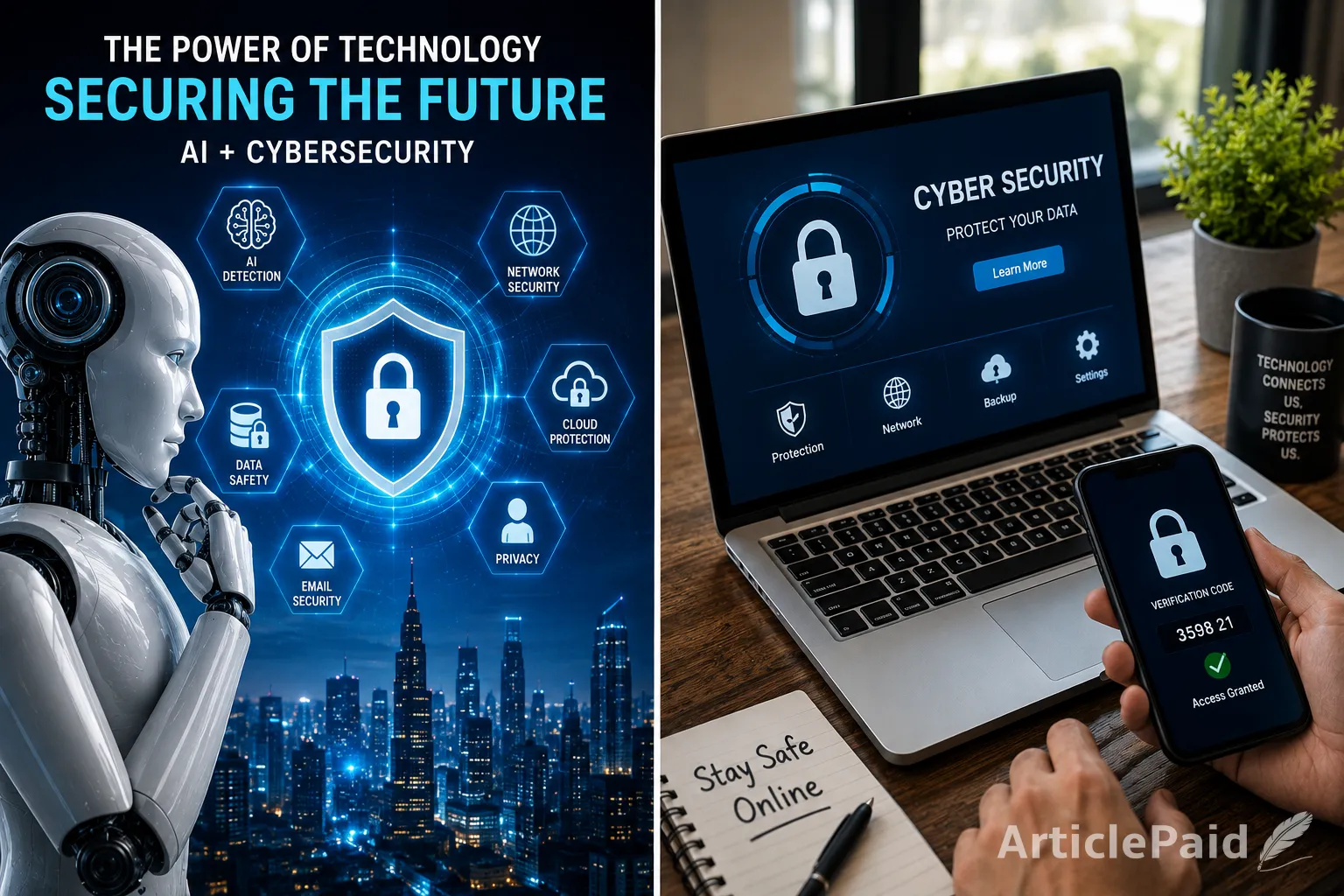
Strong and unique passwords, multi-factor authentication, careful handling of personal information, and skepticism toward unexpected messages can make a significant difference.
People should also think carefully before sharing private information with AI tools or other online services.
The convenience of technology is valuable, but users should understand that anything shared digitally may create privacy and security considerations.
The Future of Technology Requires Responsibility
Artificial intelligence has enormous potential. It can improve productivity, help businesses solve complex problems, support cybersecurity teams, and create new opportunities.
However, technological progress should be accompanied by responsibility.
Organizations need to balance innovation with security, privacy, transparency, and human oversight. Gartner's emerging-technology research similarly emphasizes security by design and governance as important themes for organizations adopting new technologies.
The future will not simply be about creating smarter machines. It will also be about creating technology that people can trust.
Conclusion
Artificial intelligence is transforming the technology landscape in 2026, and cybersecurity is becoming an essential part of that transformation.
AI can help defend digital systems, but it can also introduce new risks when organizations fail to manage it properly. The answer is not to avoid innovation. Instead, businesses, technology developers, and everyday users need to adopt new tools responsibly.
The most successful technology of the future may not simply be the technology that is the most powerful. It may be the technology that manages to combine **innovation, security, privacy, and trust**.
As AI continues to evolve, one thing is certain: digital safety will need to evolve with it.



















Responses (0)
Sign in to share your thoughts.
Sign in