"Creativity is intelligence having fun." — Albert Einstein
Have you ever wondered what the world would look like without creativity?
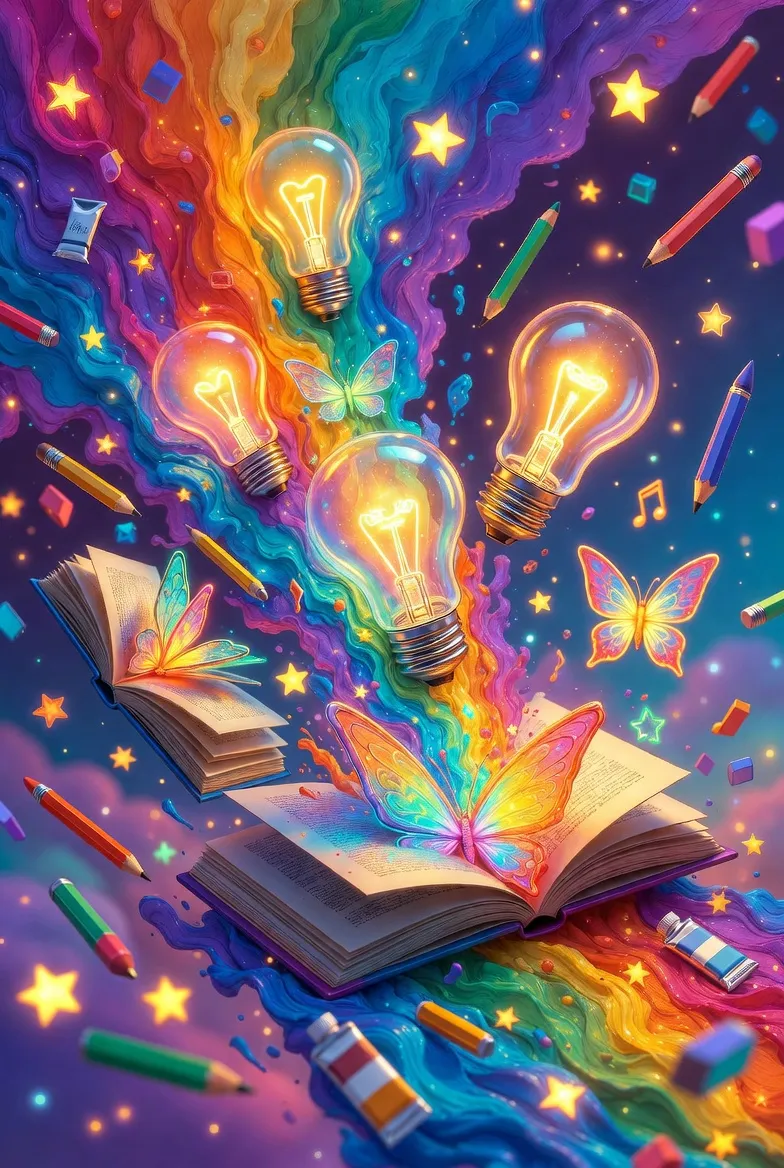
There would be no breathtaking paintings hanging in museums, no catchy songs playing on the radio, no exciting movies, and no incredible inventions like smartphones or airplanes. Our lives would be dull, predictable, and almost colorless. Every great idea that has shaped history—from the wheel to space exploration—started as a tiny spark in someone's imagination.
That is the magic of creativity. It turns ordinary thoughts into extraordinary possibilities.
Many people believe creativity is a gift only artists, musicians, or writers possess. In reality, creativity belongs to everyone. Every time you solve a problem in a new way, come up with a clever idea for a school project, cook a recipe with your own twist, or decorate your room differently, you are being creative. Creativity isn't about being perfect; it's about seeing the world with curiosity and asking, "What if?"
Psychologists define creativity as the ability to produce ideas that are both original and useful. In simple words, it's the power to think differently while creating something meaningful. This ability helps people find solutions, make discoveries, and improve the world around them. That's why creativity is just as important in science, business, medicine, and technology as it is in art.
One of the most fascinating things about creativity is what it does to our brains. Instead of relying on just one area, creativity activates several parts of the brain at the same time. It's like an orchestra, where different sections work together to create beautiful music. One part imagines new ideas, another remembers past experiences, and another decides whether those ideas can actually work. This teamwork makes creative thinking one of the brain's most powerful abilities.
Creativity doesn't just make us smarter—it can also make us happier.
Studies have shown that activities like drawing, writing, painting, photography, dancing, or playing music can lower stress levels by reducing cortisol, the body's main stress hormone. Have you ever noticed how peaceful you feel after sketching, journaling, or listening to music? That's your brain rewarding you for creating something meaningful. This is one reason therapists often use art and music to help people cope with stress, anxiety, and difficult emotions.
Another fascinating concept in psychology is called divergent thinking. Imagine your teacher asks, "How can we save water?" A person using ordinary thinking might give one answer. A creative thinker might come up with ten different ideas! Divergent thinking encourages us to explore many possibilities instead of stopping at the first solution. This ability helps inventors, entrepreneurs, and scientists make breakthroughs that change the world.
History is full of people who dared to think differently. Thomas Edison failed thousands of times before inventing a practical electric light bulb. Instead of giving up, he famously said, "I have not failed. I've just found 10,000 ways that won't work." The Wright brothers believed humans could fly when many thought it was impossible. J. K. Rowling's Harry Potter manuscript was rejected by several publishers before becoming one of the best-selling book series in history. These stories remind us that creativity often begins where fear ends.
One of the best things about creativity is that every child is born with it. Watch young children for a few minutes, and you'll notice they constantly ask questions, invent games, and imagine fantastic worlds. They aren't afraid of making mistakes because they see mistakes as part of the adventure. As we grow older, many of us become afraid of looking foolish, so we stop taking creative risks. But the good news is that creativity never disappears—it simply waits to be rediscovered.
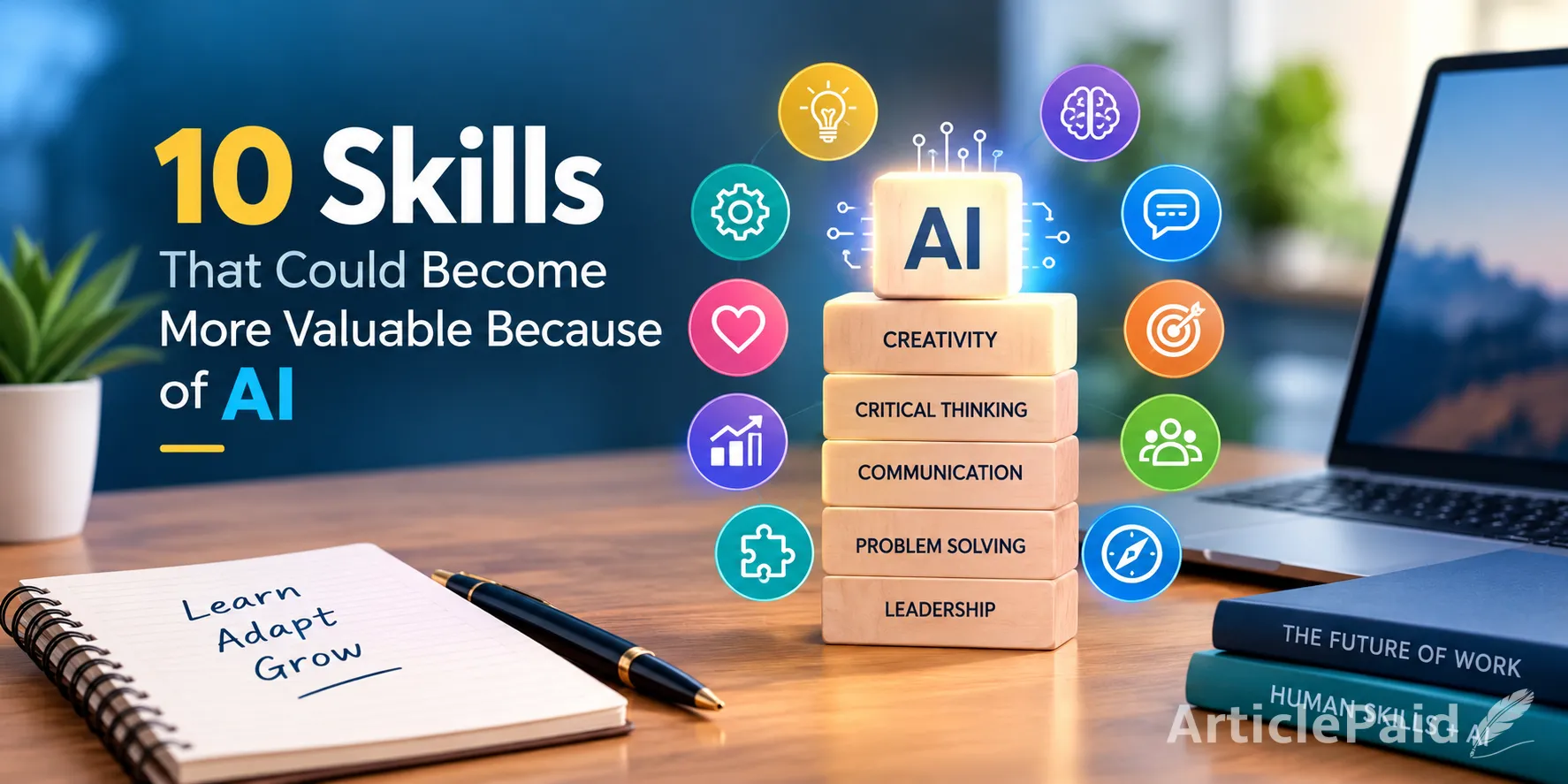
In today's fast-changing world, creativity has become more valuable than ever. Computers can process information faster than humans, and artificial intelligence can perform many routine tasks. But imagination, curiosity, empathy, and original thinking remain uniquely human strengths. The future will belong to people who can combine knowledge with fresh ideas and solve problems in ways no machine can predict.
The wonderful thing is that creativity is not something you're simply born with—it is a skill you can develop. Reading books, learning a musical instrument, exploring nature, traveling, trying new hobbies, asking thoughtful questions, and even making mistakes all strengthen your creative mind. Every new experience gives your brain more ideas to connect, making it easier to think in original ways.
Many great thinkers have celebrated the power of creativity. Albert Einstein called it "intelligence having fun." Maya Angelou wisely said, "You can't use up creativity. The more you use, the more you have." Henri Matisse reminded us that "Creativity takes courage." Their words teach us that creativity grows when we stay curious and are willing to explore new possibilities.
At its heart, creativity is about more than making art or writing stories. It is about seeing opportunities where others see obstacles, finding hope where others see problems, and believing that a better solution is always possible. Every invention, every song, every scientific breakthrough, and every inspiring story began as a simple idea in someone's mind.
So never be afraid to imagine, to experiment, or to ask, "What if?" Your next idea could solve a problem, inspire someone else, or even change the world. After all, every great achievement in history began with one creative thought—and the next one could be yours.













Responses (0)
Sign in to share your thoughts.
Sign in