
You Opened a Document, So How Did You End Up Scrolling?
A young writer opens Google Docs to work on an assignment or blog post. A few minutes later, they're scrolling through TikTok reels or reading someone else's writing advice. What was supposed to be a quick check turns into two hours of doomscrolling.
Inspiration leads to scrolling, which leads to comparison, and comparison makes the blank page even more impossible to think and write. A messy draft and polished, carefully crafted content fill social media feeds, which cause insecurity for Gen Z writers. Sadly, social media has glamorised perfect content, which makes writers struggle with writer’s block.
Writer’s block isn’t about running out of ideas; it’s about consuming so much content that you end up comparing your unfinished thoughts with other people’s polished work. Worrying about how your writing will perform before you even start your work.
The goal isn’t to quit social media or force creativity. It’s to make room for your thoughts amid the constant stream of other people’s ideas. Here are six ways to make room for your own thoughts without giving up social media.
Why Writing Feels Harder When You're Always Online
 Writing takes time and concentration, but constant distractions can make it harder to stay with one thought.
Here are the reasons why you find it harder to stay focused while writing:
Comparison Overload
Other writers’ polished work, viral posts, beautifully designed carousels, and a perfect draft posted online make an early draft feel uninspired or messy.
Constant Stimulation
Switching from one notification to one video or to multiple messages makes it harder to settle down into one thought, making it harder to stay with one thought.
The Pressure to Get Noticed
Views, likes, shares, comments, and reactions define whether an idea or thought is worth considering if it attracts an audience.
Fear of Criticism
Writers may worry that screenshots, comments, and reactions will make them edit themselves before expressing what they really think.
These reasons don’t affect everyone the same way, as not everyone scrolls the same number of hours on social media each day. The trouble isn’t social media itself; it’s when consuming content and expecting reactions takes up the space needed to create.
The solution isn’t to wait until you feel inspired; it’s to change how you approach writing, one small habit at a time.
6 Practical Ways to Beat Writer's Block Without Quitting Social Media

1. Write Your Messy First Draft Before You Check Anyone Else's
Grab a notebook and write down whatever comes to mind without worrying about grammar, sentence structure, or punctuation. Give your thoughts a head start before letting other people's content influence them.
Writing a messy draft for five to ten minutes before opening social media or searching for references can help you get started. You don't have to write well at this stage; you just need to get your thoughts on paper.
To try this, set a 5-minute timer and write everything you think about your topic or idea without editing or deleting. Rather than searching 10 articles about student burnout, first write about what a stressful study week looks like. Research strengthens the idea, but your first thoughts are the ones where you begin your writing.
2. Turn Notifications Off Long Enough to Finish One Thought
 It's hard to stay focused when notifications keep pulling you away from your writing. Even a short, uninterrupted writing session can help you develop your thoughts without constantly starting over.
One message notification can make you check a group chat, and opening Instagram can make you forget what sentence you were writing. This breaks a writer’s train of thought and thus makes it harder to develop original ideas and come up with a few sentences. One way to deal with this is to simply turn off notifications.
Choose one small task, such as drafting a paragraph, and work on it for 12 minutes without checking your notifications. If someone sends you a TikTok reel or a 1-minute video, save it for your next break instead of opening it quickly. You don’t need an entire distraction-free afternoon; you simply need a space of uninterrupted time to get started.
3. Stop Treating Every Piece of Writing Like a Potential Viral Post
The pressure to attract likes, shares, comments, and reactions can make you second-guess your ideas before you've even developed them. You might start wondering: Is the hook strong enough? Will people share it? Is the topic trending?
Not every blog post, journal entry, caption, or personal essay needs to be optimized for attention. If your goal is to explain an idea or finish a rough draft, you can focus on what you want to write instead of trying to make it go viral.
Try writing a private paragraph without planning an audience, headline, hashtag, or publishing date. For example, you could write about college life without worrying about turning the opening into a viral LinkedIn post. Not every sentence needs to prove its worth to an audience.
4. Turn Your Scrolling Habit Into a Source of Writing Prompts
Social media can offer useful observations, unexpected questions, and creative inspiration. Instead of scrolling passively, pay attention to what makes you curious, frustrated, amused, or eager to disagree.
Rather than copying the creator’s phrasing, format, or opinion, write down one question they raised, one reaction you had, and one related idea the creators didn’t explore. For instance, after watching three reels about evening routines for high school students, write down why some students struggle with concentration or why some productivity hacks don’t fit every schedule. The aim is to transform passive consumption into active curiosity.
5. Let Your Draft Exist Before You Invite Feedback

Worrying about negative comments, low engagement, or a friend's reaction can make you abandon an idea before you've fully explored it. You might start wondering whether your thoughts are worth sharing before you've even developed them.
You don't have to share every idea with friends or followers. Try writing privately first, revising your work on your own, and sharing it with a trusted reader when you're ready.
Try keeping a 7-day private writing streak and write a few sentences daily without publishing or checking whether they’re good enough. Private writing creates a room to experiment before other people’s opinions enter the process.
6. Start Small That You Can't Easily Talk Yourself Out of It
Trying to produce a complete, original, and impressive article in one sitting can make a blank page feel overwhelming. Starting with a smaller task can make it easier to get going.
To start small, break a writing task into smaller actions, like choosing a question, listing three points, writing one paragraph, or explaining an example. Instead of aiming for perfection, save polishing and editing for the last stage of your writing process. Set a goal of writing 100 words, then stop when you reach the target or continue if the ideas are flowing.
For example, write three possible headings and a few sentences instead of trying to finish an entire blog post in one sitting.
You Don't Need to Compete Your Voice With Everyone Else's
The blank page and the constant stream of social media content can make it harder to focus and trust your own ideas. You don't need to be more productive than every creator you follow or produce something extraordinary every time you sit down to write.
Your voice isn't defined by other people's opinions. Give yourself space to write down your thoughts before comparing them with others. Sometimes, the best thing you can do for your writing is to stop asking what everyone else wants to read and start exploring what you genuinely want to say.
More from ArticlePaid

Break Free From Draft Hoarding and Blogging Anxiety
Do you have a folder full of half-written drafts that you have never published? Or that you have never looked back at your drafted pieces? If your answer t

10 Simple Productivity Habits That Can Make Your Day More Organized
Staying organized can make a big difference in how you manage your time, work, and daily responsibilities. You do not need a compl...

How to Stay Productive When Your Routine Changes in Summer
Summer is one of those seasons that brings a change of pace rather than a complete break. Just because your schedule or any c...

How I've Managed To Stay Productive While Hosting Long-Stay Guests
For the past few months, I've had guests staying at my home. Since I was only used to hosting guests for a few days at a time, adj...
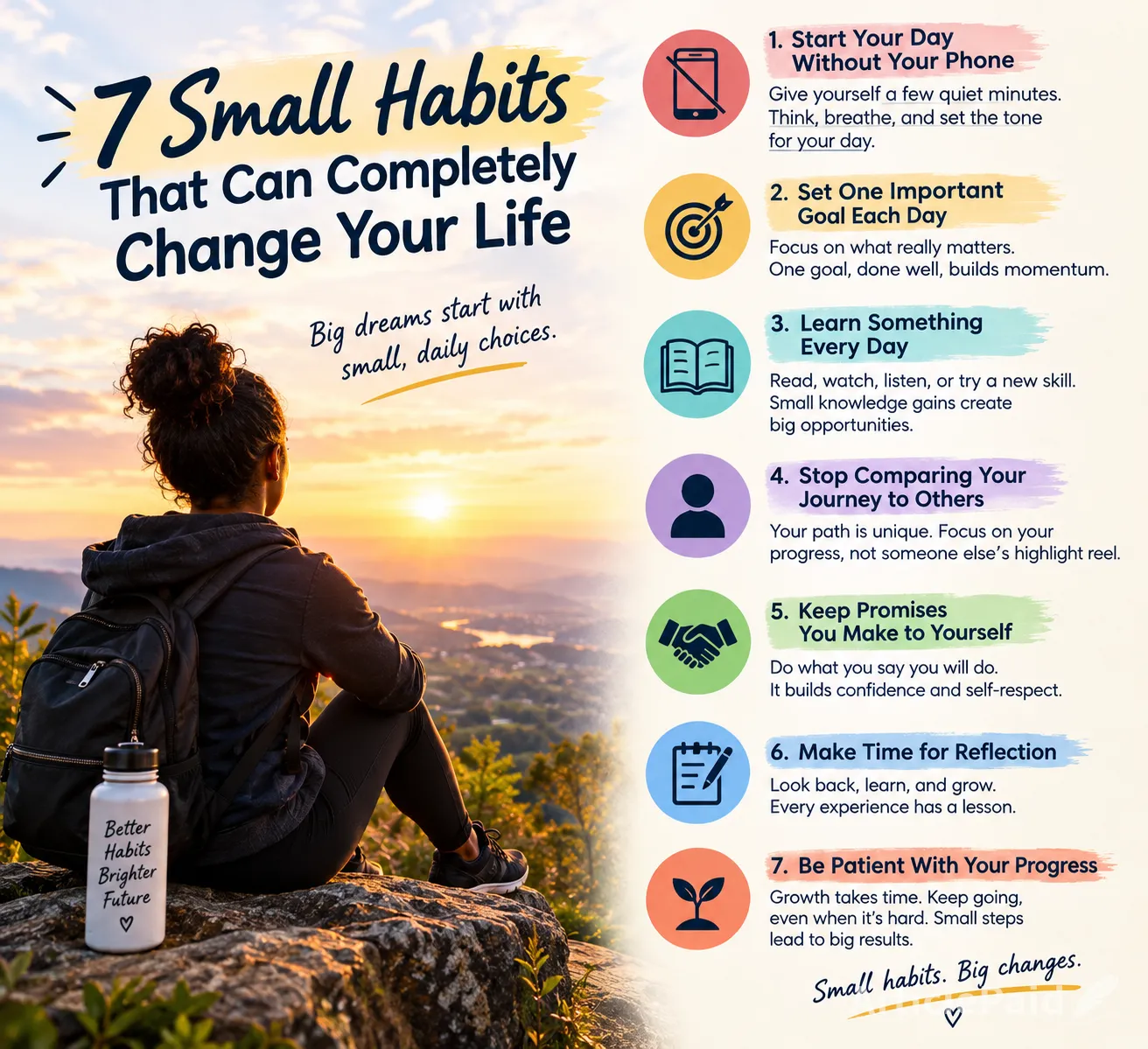
7 Small Habits That Can Completely Change Your Life
Self-improvement is often presented as something complicated. We see people talking about waking up at 5 a.m., reading dozens of b...

The 5-Minute Doomscroll Detox Every Stressed Writer Needs
“Bas 5 minutes aur…” (But It’s Never 5 Minutes)You sit down to write. Your chai is ready. The laptop opens. And you promise yourself: “Bas 5 minutes aur, p
Managing with your own creativity and focusing on your own
Starting to craft your own creativityWhen focusing on your own skills and being a professional in your own field managing your wor...

Blogger Timeout: Self-Care Tips for Stressed Creators
Being a blogger or content creator is inspiring, freeing, and often creatively rewarding—but it can also be draining. The pressures of deadlines, consisten

How To Choose Kurta Set For Different Occasions
Discover how to choose the perfect kurta set for any occasion with tips on fabric, color, style, fit, and accessorizing to look stylish and feel confident.
Weekly Top Articles
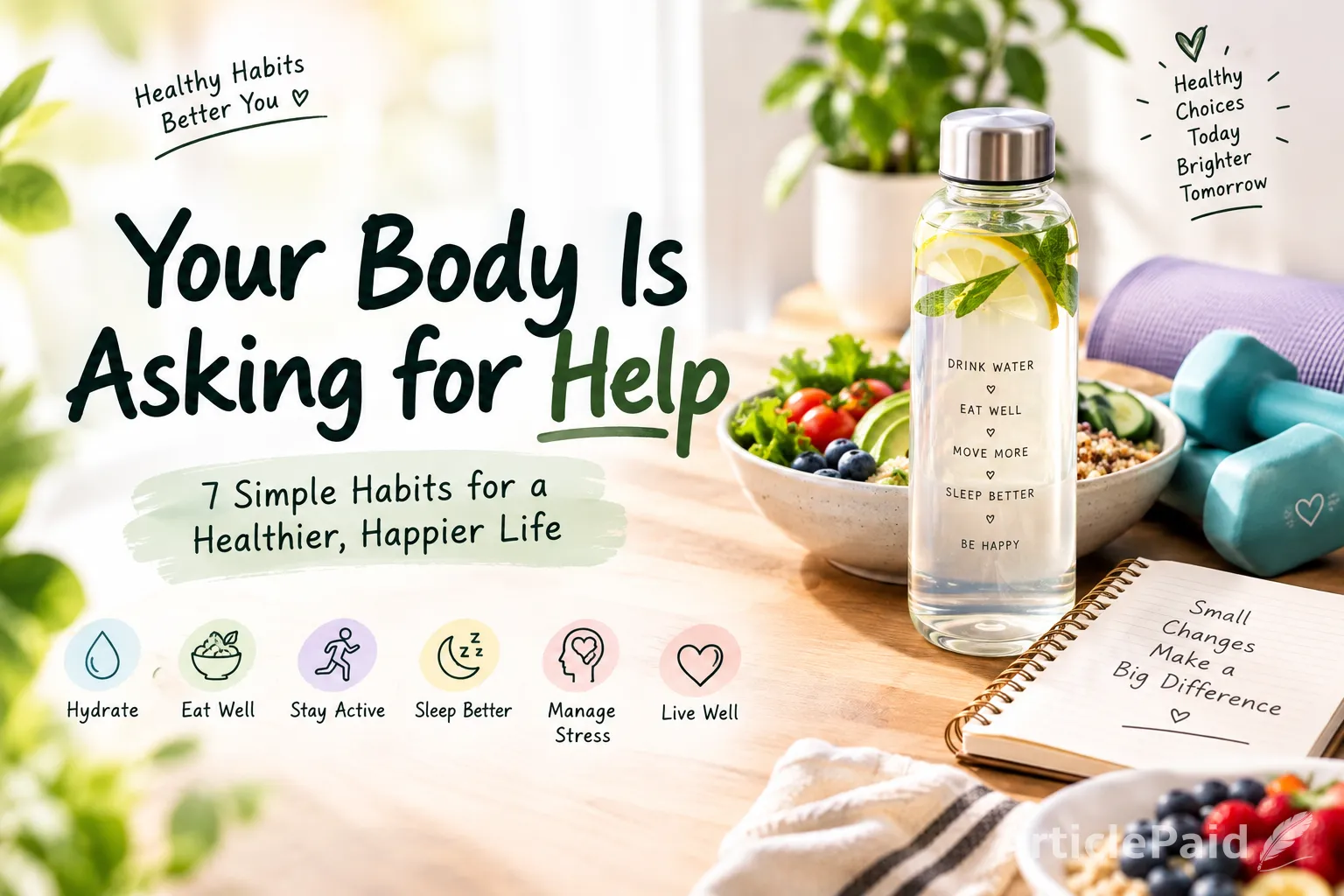
Your Body Is Asking for Help: 7 Simple Habits for a Healthier, Happier Life
Have you ever felt tired even after a full night's sleep? Do you struggle with low energy, stress, or difficulty concentrating? Yo...
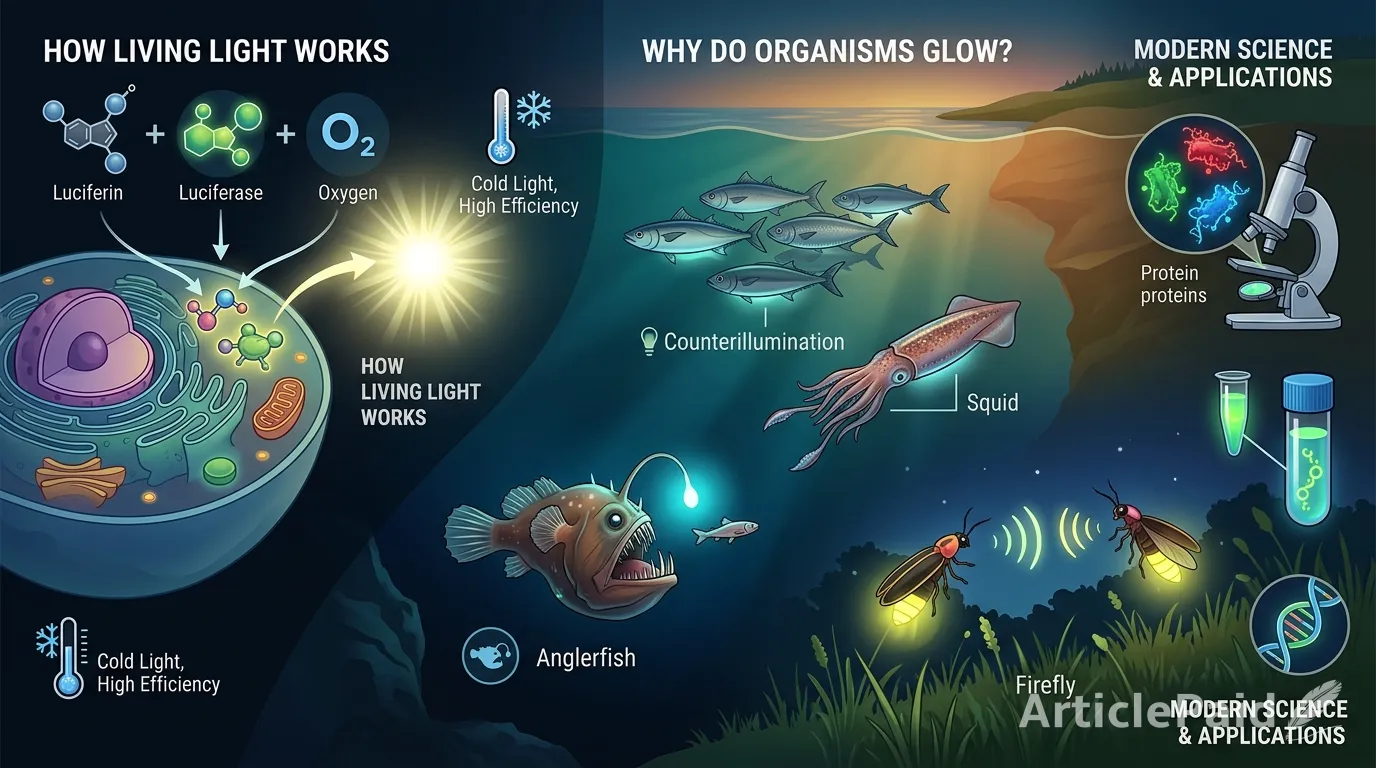
Light in the Darkness: The Hidden World and Marvels of Living Bioluminescence in
Light in the Darkness: The Hidden World and Marvels of Living Bioluminescence in NatureWhile humans rely on artificial electricity...

10 Books That Will Change Your Mindset in 2026 and Transform Your Life
IntroductionThere are always books that change your thinking, help you find and develop new habits, and become a better person ove...

How I Fixed My Sleep in 7 Days Naturally Without Medicine or Costly Treatments
Introduction: My Struggle With Sleepless NightsFor quite some time, I have been having issues with insomnia. I would spend hours i...

10 Foods You Should Never Store in Your Fridge to Keep Them Fresh Longer
IntroductionRefrigeration helps to preserve a great many foods, but some of the ingredients will actually lose their flavour, text...

How Gen Z Writers Can Beat Writer's Block in the Age of Social Media
You Opened a Document, So How Did You End Up Scrolling? A young writer opens Google Docs to work on an assignment or blog pos...








Responses (0)
Sign in to share your thoughts.
Sign in