
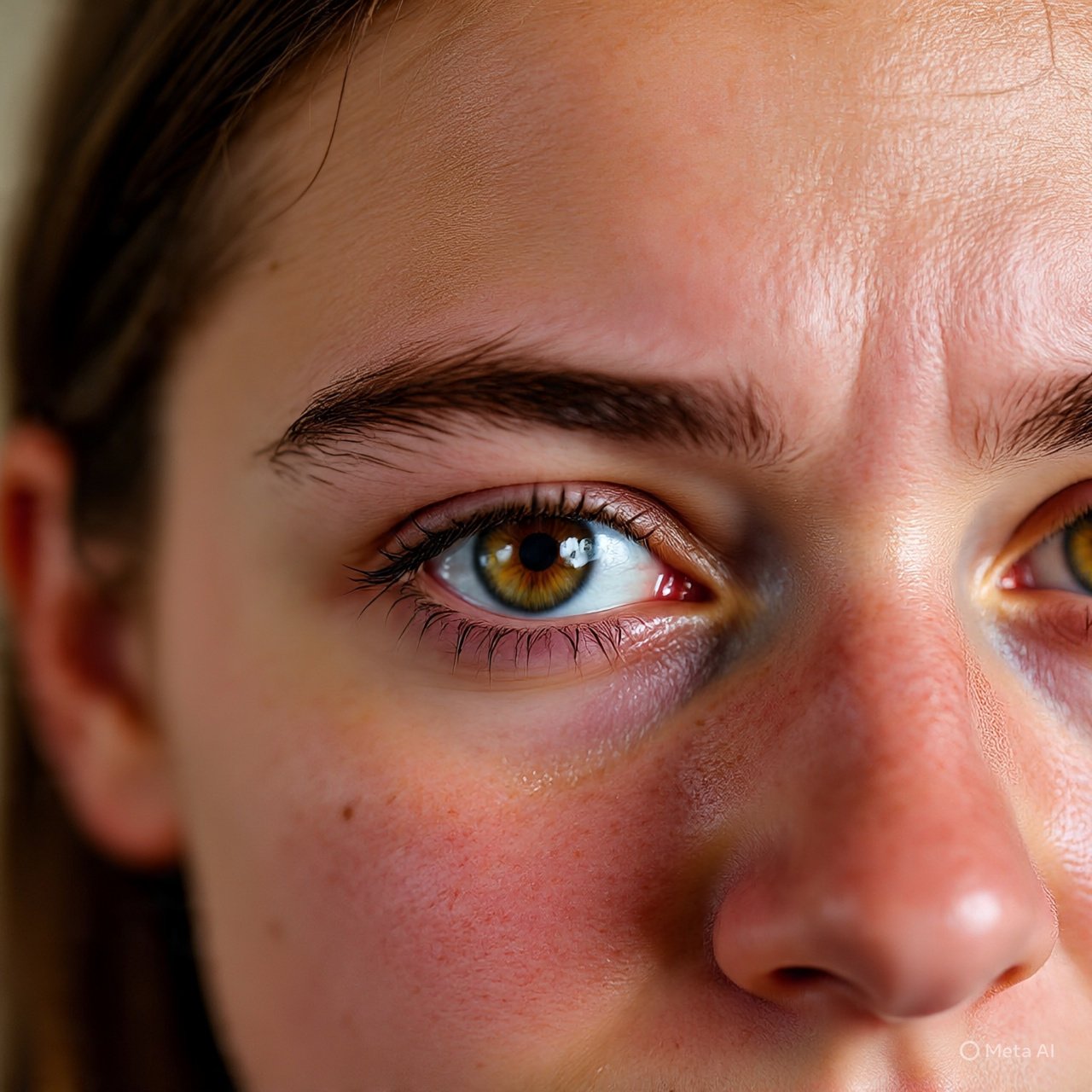
Numerous individuals use common medications daily to manage issues like allergies, high blood pressure, anxiety, and depression. While these treatments often provide more benefits than drawbacks, many users are unaware that certain medications may have unexpected effects on eye health. Recognizing these lesser-known ocular side effects is vital, particularly if you notice unexplained changes in your vision.
Medications and Their Impact on the Eyes
Various classes of drugs can either subtly or significantly influence eye health. Below are some of the most prevalent:
1. Antihistamines (Allergy treatments
Medications such as diphenhydramine dramine Benadryl, and "loratadine" Claritin may induce "dry eyes" by diminishing tear production. This can result in discomfort, blurred vision, and irritation, especially for individuals who already suffer from dry eye syndrome.Medications such as
2. Antidepressants and Antianxiety Drugs
SSRIs "Selective Serotonin Reuptake Inhibitors" such as "fluoxetine Prozac" and "sertraline Zoloft" can lead to increased " light sensitivity" and "dryness" of the eyes. Tricyclic antidepressants might increase "intraocular pressure", consequently raising the likelihood of "glaucoma".
3. Corticosteroids
Prolonged use of corticosteroids like "prednisone" can result in the development of "cataracts" and might increase the risk of "glaucoma" by impacting the eye's drainage mechanisms.
4. Beta-Blockers
Widely prescribed for heart issues and hypertension, beta-blockers such as "atenolol" or "metoprolol" can cause "dry eyes" and "blurred vision".
5. Isotretinoin Accutane
This medication for acne can considerably dry the eyes, impair night vision, and in rare instances, lead to "optic nerve inflammation".
6. PDE5 Inhibitors e.g., Viagra, Cialis
These medications, utilized for erectile dysfunction, may produce "blue-tinted vision", light sensitivity, or "blurred vision" as a result of their impact on the retina
Importance of Eye Side Effects
Ocular side effects can diminish quality of life and may indicate more serious underlying issues. If you observe alterations in your vision while taking medication, do not dismiss them. Timely consultation with an eye care professional can avert long-term damage.
Steps You Can Take
Regularly monitor your vision
Keep your eye specialist informed about all medications.
Use artificial tears if experiencing dry eyes.
Discuss alternative treatments with your healthcare provider if necessary.
Conclusion
Although medications are essential for managing various health issues, it is crucial to recognize that even commonly used drugs may have concealed effects on your eyes. From dry eyes and blurred vision to elevated risks of glaucoma and cataracts, these side effects are frequently overlooked. Routine eye examinations, transparent communication with your healthcare provider, and early symptom recognition can help prevent lasting damage. Safeguarding your vision begins with being informed, so always pay attention to your eyes' reactions to any new medication.
FAQ
Q 1: Can over-the-counter medications impact my eyes?
Absolutely. Common medications such as antihistamines or decongestants may lead to dryness or blurred eyesight.
Q 2: Is vision impairment from medications reversible?
In many instances, yes especially if addressed early and the medication is modified.
Q 3: Should I discontinue my medication if I experience eye issues?
No. Always speak with your doctor before making changes to any prescribed treatment.
Q 4: How can I safeguard my eyes while on medication?
Maintain hydration, use lubricating eye drops, and schedule regular eye exams.
References:
1. American Academy of Ophthalmology. 2023. Medications and their effects on the eyes.
2. Mayo Clinic. 2024. Drug-induced ocular s
ide effects.
3. WebMD. 2023. Surprising eye side effects of common medications.





















Responses (0)
Sign in to share your thoughts.
Sign in